Homeowners in the Inland Northwest—especially around Spokane—are moving away from water‑hungry lawns toward xeriscaping and native plant landscaping as heat and drought strain local supplies. In 2020, Spokane households averaged about 553 gallons of outdoor water use per day, placing the city in the top 2% nationally. Programs like SpokaneScape have converted 500+ yards since 2018, and conversions typically cut residential water use by roughly 15%. Small, phased changes can lower bills, reduce maintenance and support pollinators while preserving space for play.
Spokane Homeowners Swap Thirsty Lawns for Native, Low‑Water Yards as Drought Risk Rises
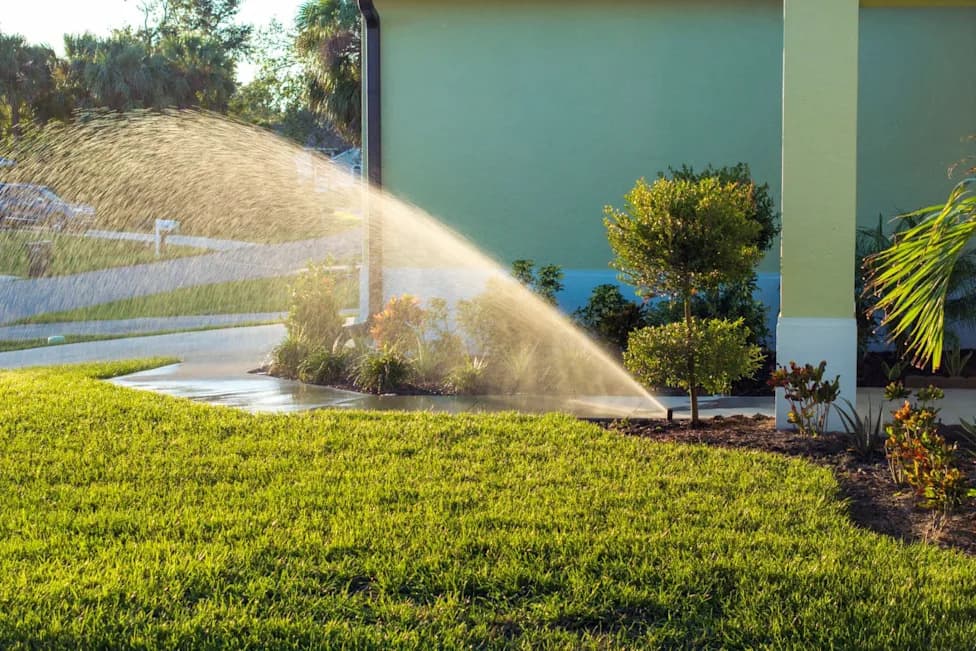
Photo Credit: iStock
Across the Inland Northwest, a lush summer lawn is no longer an automatic status symbol. Rising temperatures, near‑record low snowpack and increasing strain on water supplies are prompting many Spokane-area homeowners to replace thirsty turf with native plants and xeriscaped designs that need far less irrigation and upkeep.
Why Lawns Are Changing
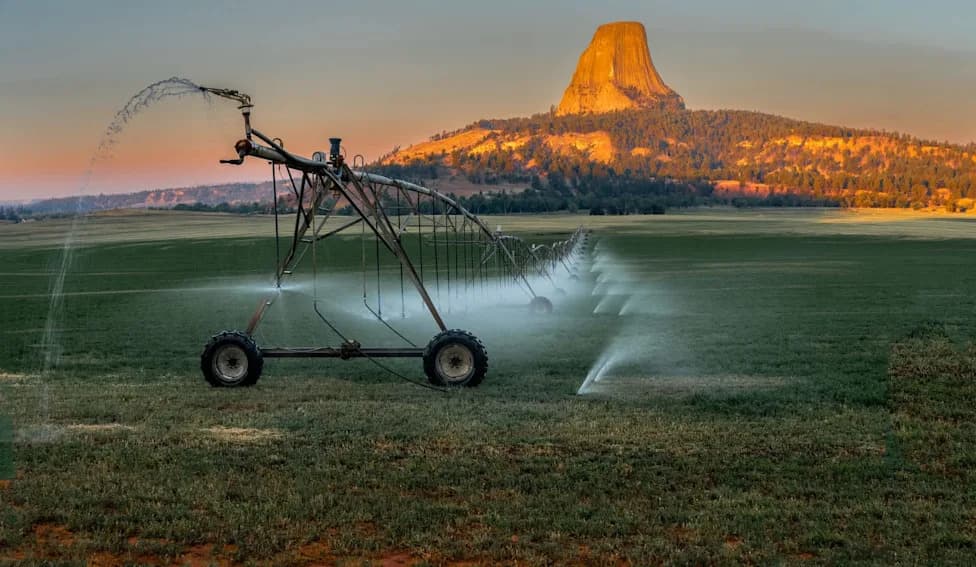
Long sprinkler runs to keep grass green during heat waves can use substantial—and costly—amounts of water. In 2020, the Water Wise conservation program estimated the average Spokane household used about 553 gallons of outdoor water per day, placing the city among the top 2% of U.S. communities for residential water use.
Those figures, combined with the Washington State Department of Ecology's April declaration of the state's fourth statewide drought emergency since 2015, have pushed more residents to rethink traditional turf-centered yards in favor of landscapes that better match local conditions.
Programs, Results and Real Examples
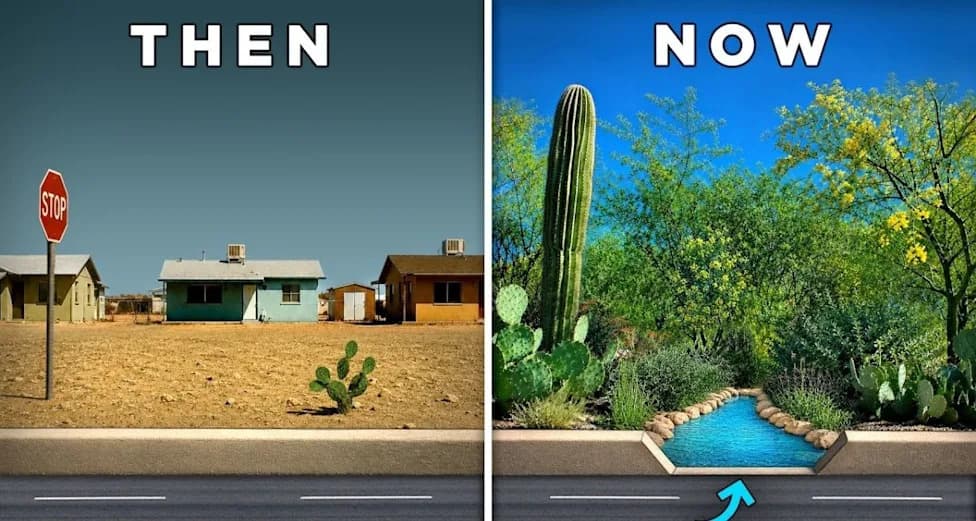
Local programs are making the transition easier. SpokaneScape has helped redesign more than 500 yards since 2018 with water-wise plantings and irrigation changes. According to the city, homes that complete a SpokaneScape conversion tend to use about 15% less water than the residential average.
“If you look at our mountains, the challenge we are facing is clear,” Gov. Bob Ferguson said. “We're taking emergency action to protect fish, farmers and communities across Washington.”
Individual homeowners report practical benefits: one South Hill resident replaced lawn with micro clover and now only needs to mow every three weeks, while cutting watering and maintenance time.
How To Get Started
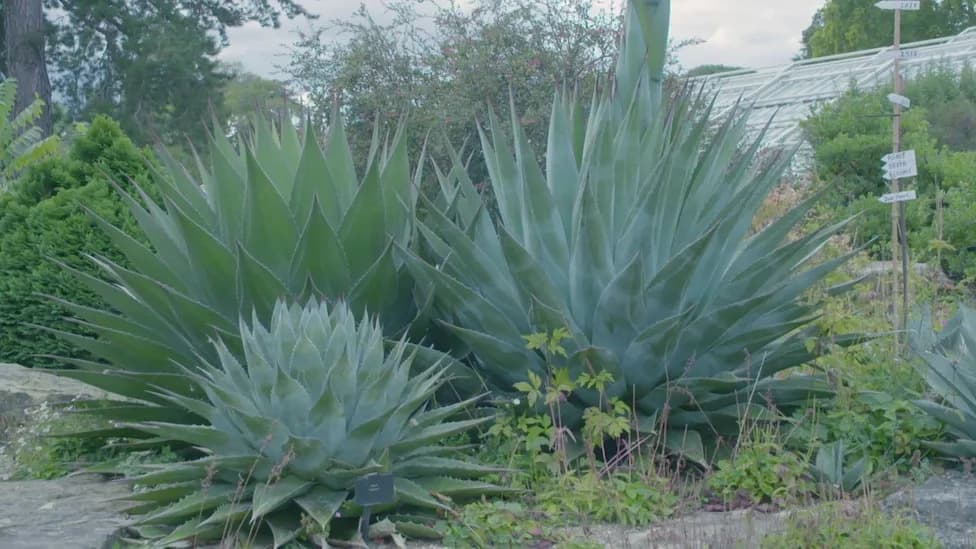
You don't need to rework your entire yard at once. Start by converting the most troublesome, water-hungry sections—slopes, isolated patches, and shady or exposed corners. Partial replacements preserve space for pets and play while reducing water use and maintenance. Native plants also provide food and shelter for pollinators and other wildlife.
Practical tips: plan conversions in phases, choose drought‑tolerant native species, group plants by water needs, mulch to retain moisture, and consider adjusting irrigation schedules. Local conservation programs often offer design resources, rebates or technical help to make changes more affordable.
Smaller, targeted changes can yield immediate benefits: lower water bills, less mowing, and a yard that’s better prepared for a drier future.
Help us improve.