Widespread protests have engulfed Tripoli as citizens stage civil disobedience against prolonged blackouts and rising electricity costs. Demonstrators, led by the Souq Al‑Jumaa Movement, blocked roads, occupied state offices and called for dissolution of current political bodies over alleged corruption. Power cuts of up to 10 hours and shortages across services have deepened public frustration. A US adviser said he discussed Libyan unification and security coordination with Prime Minister Dbeibah.
Tripoli Erupts: Mass Protests Over Hours‑Long Power Cuts and Soaring Electricity Costs
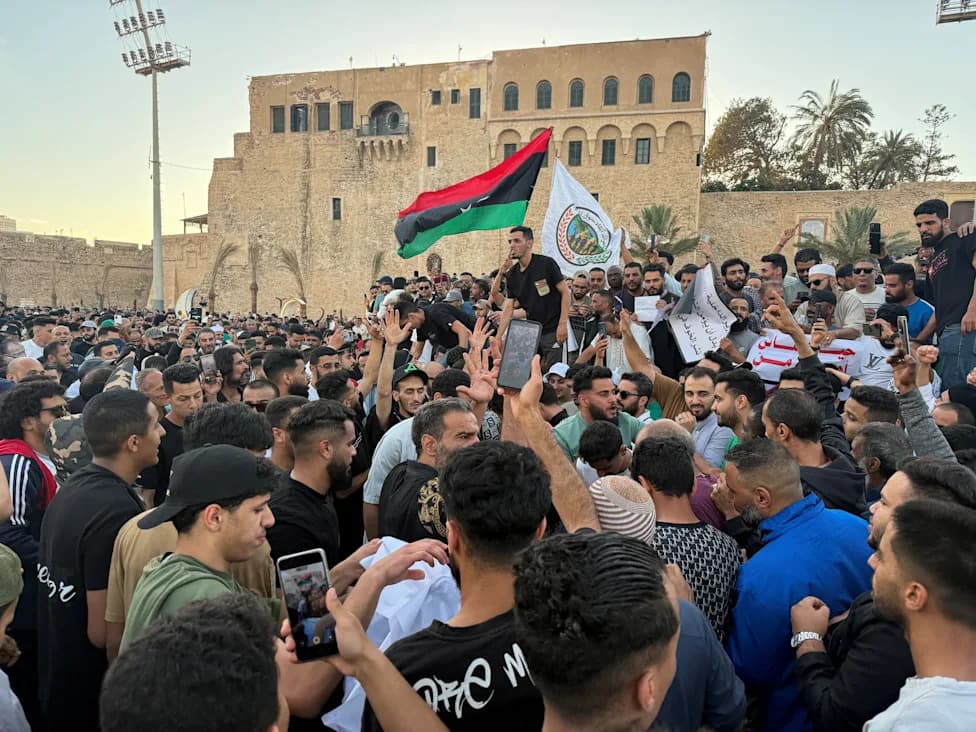
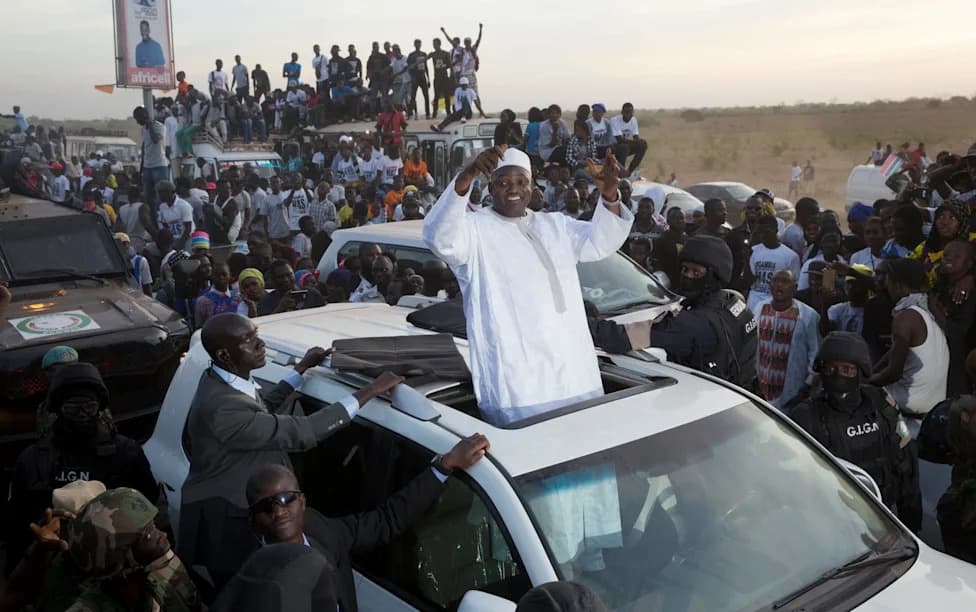
Demonstrators demand the overthrow of the Libya's Government of National Unity headed by Abdul Hamid Dbeibah, in Martyrs' Square in Tripoli, Libya, on May 16, 2025 [Ayman al-Sahili/Reuters]
Protests have swept across Libya's capital, Tripoli, as residents stage a civil disobedience campaign in response to prolonged blackouts and rising electricity bills. Young demonstrators blocked major roads, occupied state offices and targeted ministry buildings in an effort to force accountability from national institutions.
What Happened
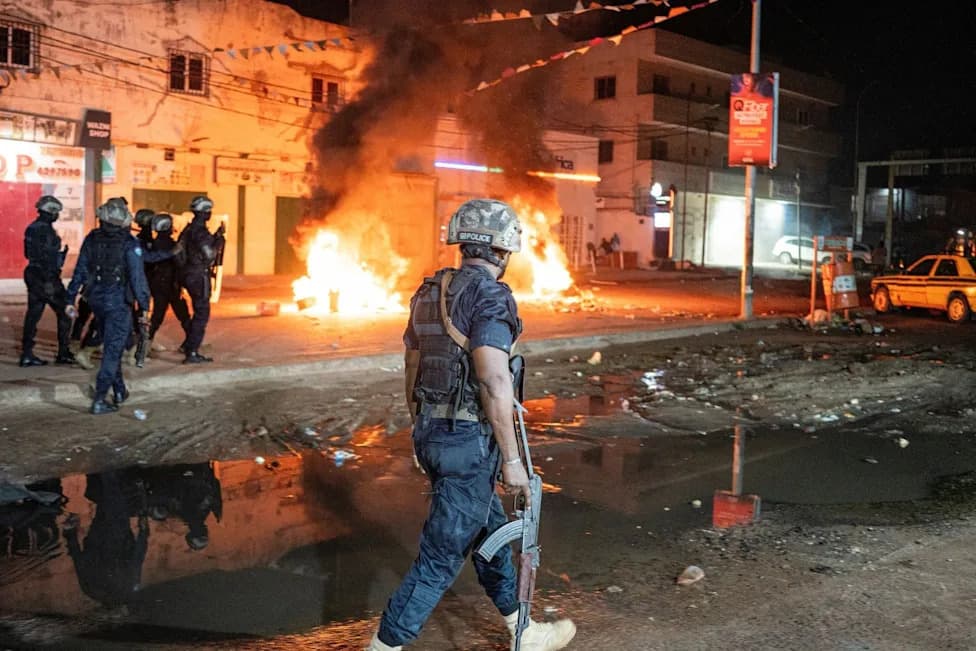
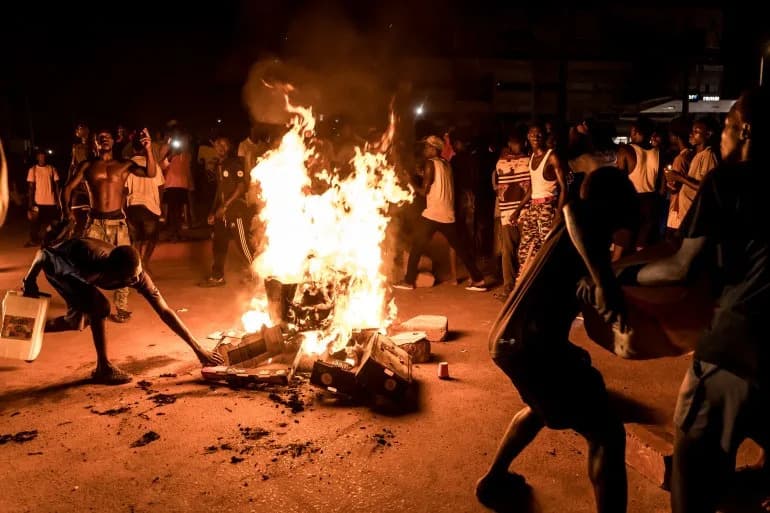
On Sunday crowds blocked the coastal highway in Janzour, west of Tripoli, and gathered outside the West Tripoli power station to protest multi‑hour outages. Videos verified by Al Jazeera show protesters burning tyres late into the night, unloading a truck of dirt outside the Ministry of Foreign Affairs in Sater Turba and sealing off major thoroughfares across the city.
Organisers And Demands
The campaign was launched by the Souq Al‑Jumaa Movement, which has opposed the Government of National Unity since May 2025. The movement said its aim was to "completely paralyse the government" rather than merely disrupt everyday life, and called for accountability over alleged corruption and for the dissolution of Libya's current political institutions, including the Government of National Unity, the House of Representatives, the State Council and the Presidential Council.
Spread And Local Actions
Unrest spread to the eastern Tripoli suburb of Tajoura, where footage showed protesters posting a sign declaring the municipal office closed. The Tajoura Families and Youth Movement announced a full boycott of state institutions, citing collapsing public services — worsening electricity and water supply, deteriorating health and education services, chronic fuel and liquidity shortages, and medicine scarcities — while officials remain mired in political disputes.
Power Crisis And Wider Frustration
Blackouts in Tripoli and surrounding areas have lasted as long as 10 hours per day, prompting the state‑run General Electricity Company to reintroduce load‑shedding after roughly two years of relative network stability. The outages have intensified public anger already fuelled by inflation, currency volatility, shortages of fuel and cash, and Libya's prolonged political deadlock.
International Response
There was no immediate public comment from the Government of National Unity. Separately, Massad Boulos, the White House adviser for African affairs, said he held a "productive call" with Prime Minister Abdul Hamid Dbeibah to discuss steps toward Libyan unification and greater security cooperation between eastern and western forces. Boulos added Washington remains committed to supporting Libya's unification to help achieve durable peace, stability and prosperity.
Note: Protests are ongoing and the situation remains fluid. Reports indicate a predominance of younger demonstrators and localised efforts to shut down state institutions as leverage against political leaders.
Help us improve.