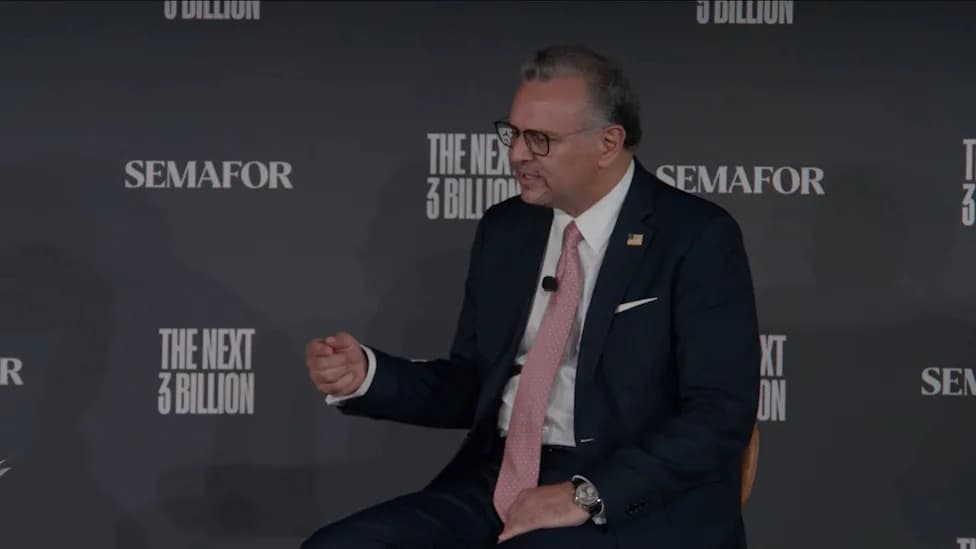
Massad Boulos, President Donald Trump’s senior adviser on Africa and the father of one of the president’s sons‑in‑law, on Tuesday rejected suggestions that a U.S.-facilitated plan for Libya would hand control of the country to a single military leader and his relatives.
Speaking at Semafor’s The Next 3 Billion event in New York, Boulos dismissed characterizations of the proposed arrangement as a dictatorship. “It’s not a dictatorship in any way,” he said. “This is not about one person. It’s going to be an absolute partnership.”
Media reports indicate negotiators are discussing a power-sharing arrangement in which Saddam Haftar — the son of eastern commander General Khalifa Haftar — could take the presidency while Abdul Hamid Dbeibah would remain prime minister. Critics have labeled the proposal an “elite bargain” that risks undermining momentum toward genuinely free national elections.
U.S. Role and Institutional Unification
Boulos said the United States and international partners are facilitating talks intended to unify Libya’s institutions ahead of U.N.-brokered elections. “It’s all about unifying the institutions,” he said, stressing that the aim is stability and a pathway to credible national polls rather than the entrenchment of a single family or faction.
Sudan, Visas and Humanitarian Concerns
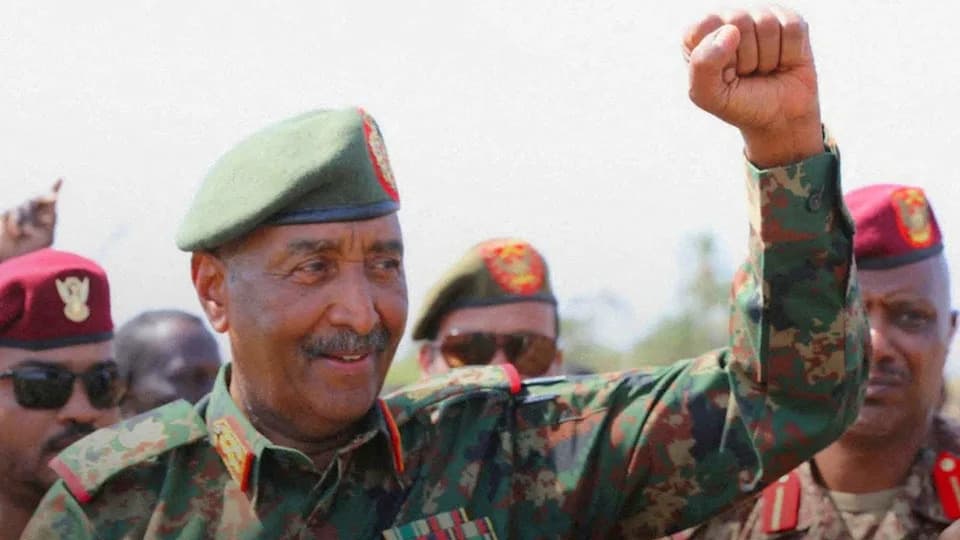
On a separate matter, Boulos declined to confirm reports that Washington conditioned a U.N. General Assembly visa for Sudanese army chief Abdel Fattah al-Burhan on his signing a U.S.-backed 90-day ceasefire. Reuters reported that the visa was made contingent on that ceasefire, which Burhan reportedly refused.
Boulos said the U.S. is engaging with "both warring parties" in Sudan, interacting with the army-led government as a de facto authority without granting formal recognition, while opposing any parallel or competing claim to state legitimacy. “You don’t want the Libyan scenario repeating itself in Sudan,” he warned.
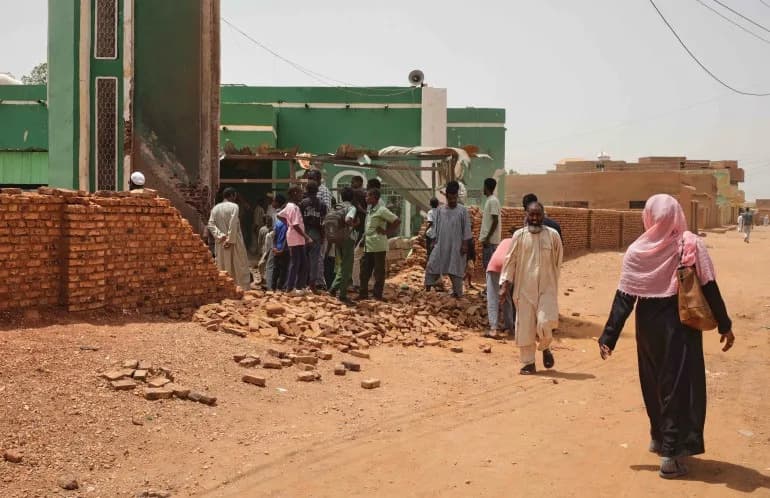
Describing the conflict as "the single largest humanitarian catastrophe in the world today," Boulos said nearly 35 million Sudanese now need humanitarian assistance and that the U.S. has provided roughly $3 billion in aid since fighting began in April 2023.
Separately, the BBC reports that cuts to USAID under the Trump administration have forced nearly 80% of emergency kitchens in Sudan to close — a development that humanitarian groups say has worsened the crisis on the ground.
Context: The proposed Libyan arrangement has sparked debate among Libyans and international observers about the trade-offs between short-term stability and the long-term goal of free, competitive elections. Washington’s diplomatic posture toward Sudan — balancing engagement with pressure — reflects wider concerns about avoiding state collapse and preventing spillover of conflict across the region.