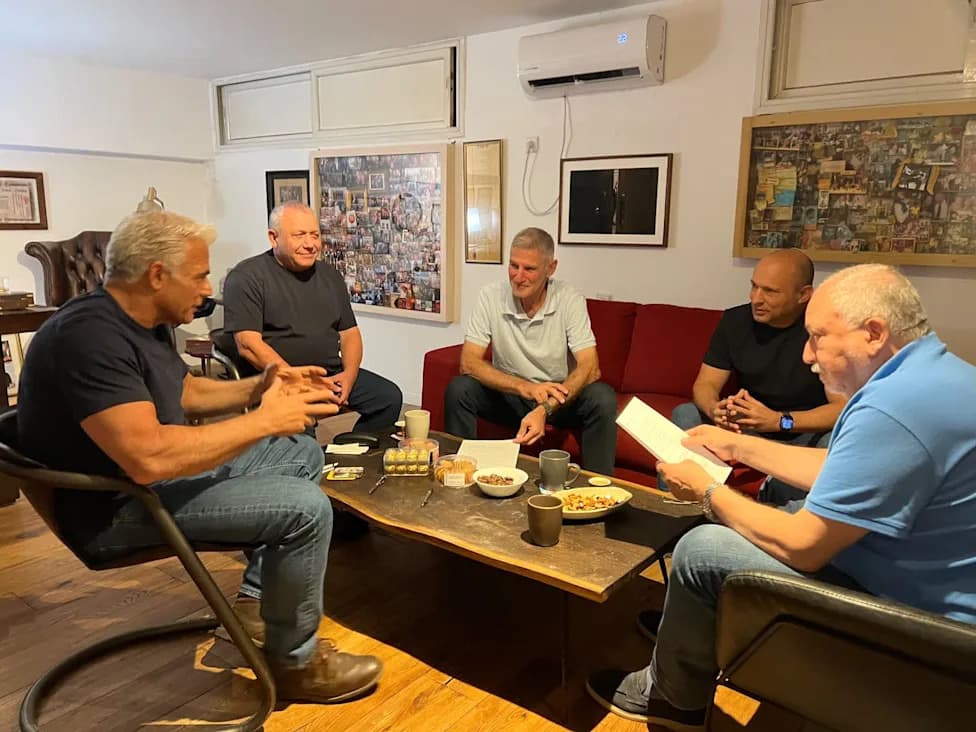
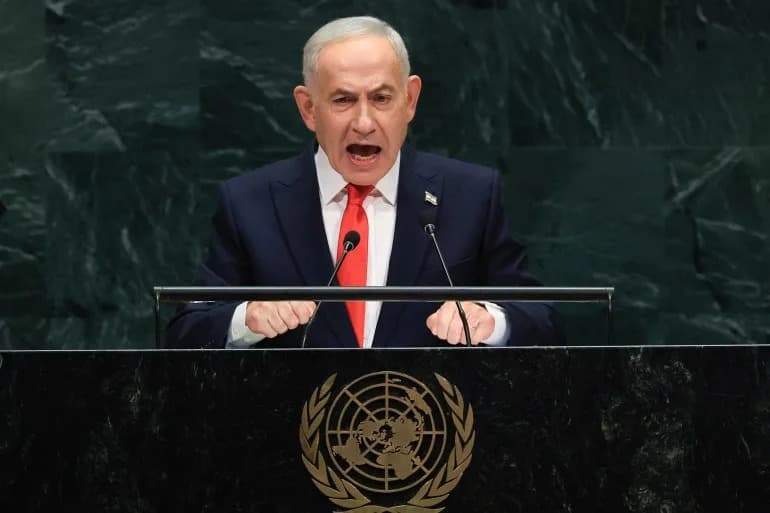
Retired IDF chief Gadi Eisenkot has risen as the principal challenger to Benjamin Netanyahu ahead of Israel’s October 27 election, with a Channel 12 poll giving his new party Yashar 23 seats to Likud’s 22. Eisenkot, 66, is campaigning on a 10-point platform that emphasizes strengthened security, an independent state inquiry into the October 7 attacks and a universal national service law extending conscription to Haredi and Arab citizens. He also pledges to defend judicial independence and minority rights, and has gained public sympathy after personal losses in Gaza.
Ex-Army Chief Gadi Eisenkot Emerges as Netanyahu’s Leading Challenger Ahead of Israel Vote
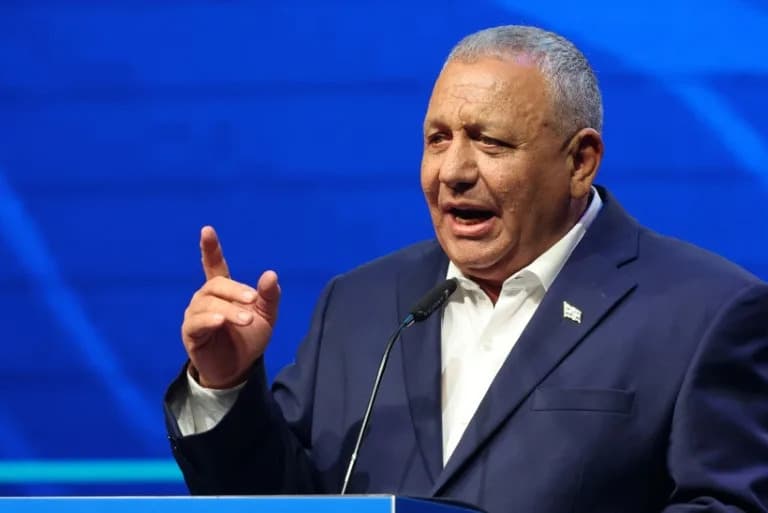
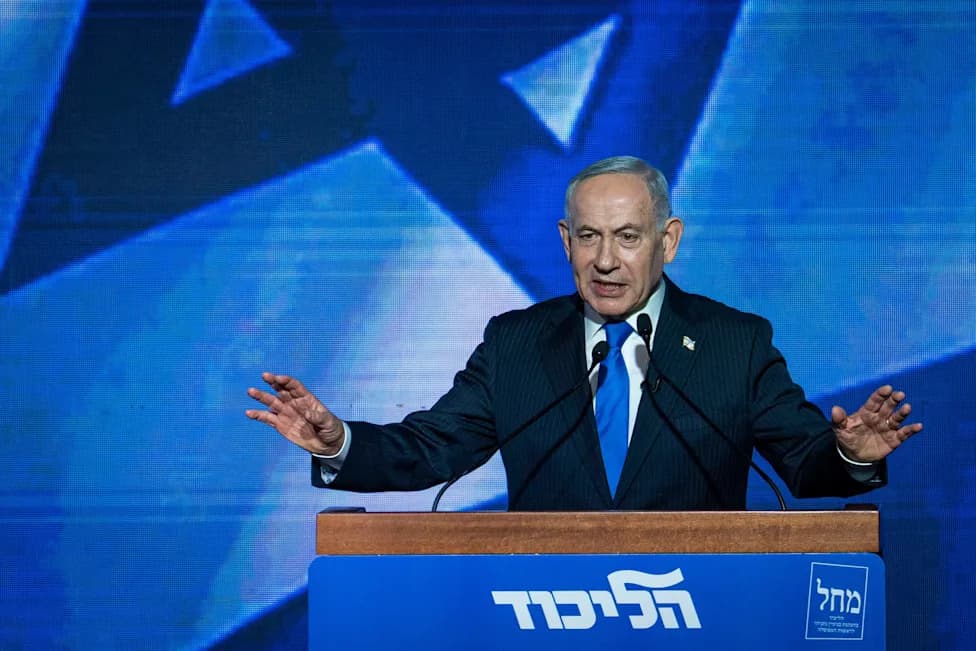
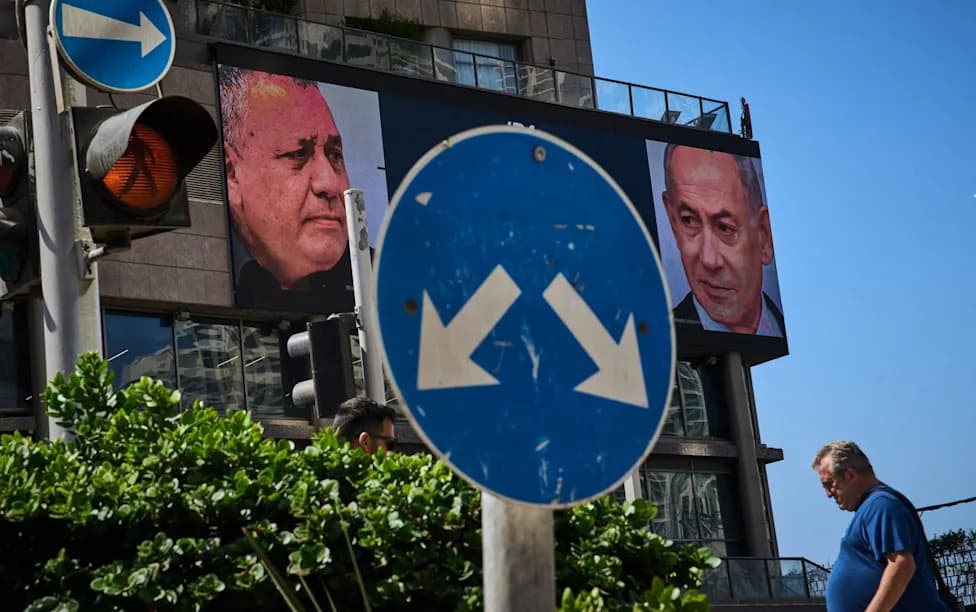
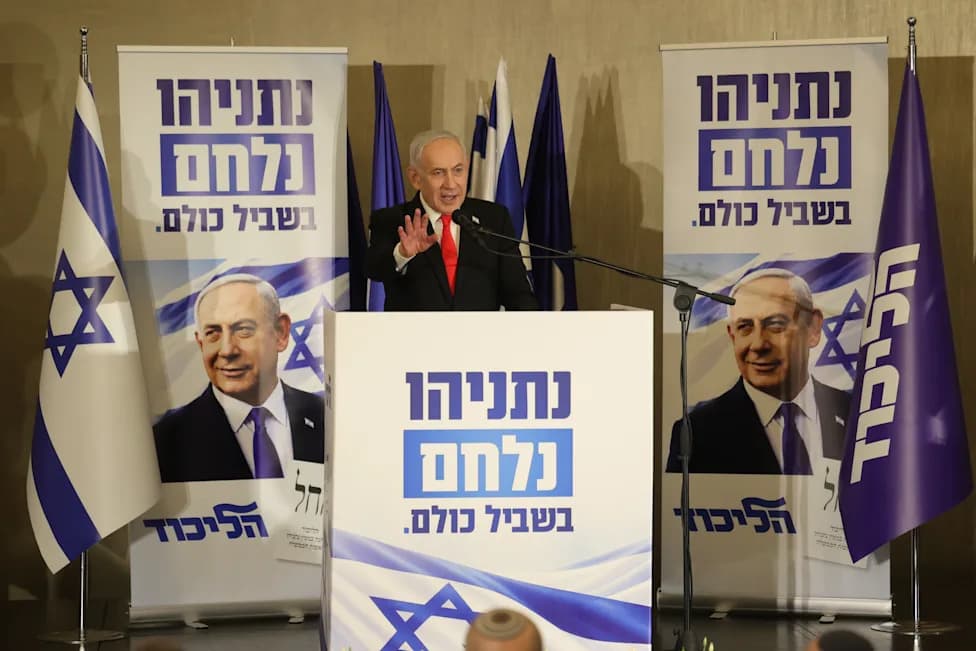
Former Israeli army chief Gadi Eisenkot has emerged as the main challenger to Prime Minister Benjamin Netanyahu in the upcoming elections (Jack GUEZ)
Retired Israel Defense Forces chief Gadi Eisenkot has emerged as the main challenger to Prime Minister Benjamin Netanyahu as the country heads into a closely fought general election on October 27. A Channel 12 poll this month put Eisenkot’s new party, Yashar (Hebrew for “Straight” or “Upright”), slightly ahead of Netanyahu’s Likud, projecting 23 seats versus Likud’s 22 in the 120-seat Knesset.
Polls, Popularity and Platform
The same survey found 43% of respondents consider Eisenkot, 66, the best candidate for prime minister compared with 34% who chose Netanyahu. Eisenkot — who led the military as chief of staff from 2015 to 2019 — has organized his campaign around a 10-point platform he says will restore Israel’s security, national unity and democratic institutions.
Security Record and Doctrine
Eisenkot is linked by commentators and analysts to the so-called Dahiya Doctrine, a strategy associated with the use of overwhelming force against enemy population centers when Israel faces sustained long-range attacks. He has defended tough military responses in Lebanon and says his policies will strengthen Israel’s deterrence and border security.
Accountability, Service and Civil Liberties
At the top of his civilian agenda is a pledge to establish an independent state commission of inquiry into Hamas’s October 7, 2023 cross-border attack — a highly charged demand after accusations of intelligence failures that preceded the Gaza war. Tens of thousands of Israelis have pressed for such a probe; Netanyahu’s coalition has proposed a politically appointed commission instead.
A major domestic plank of Eisenkot’s platform is a proposed universal national service law that would extend compulsory service to ultra-Orthodox (Haredi) Jews and to Arab citizens — a move aimed at reducing exemptions that critics say weaken the armed forces. He also vows to protect judicial independence, the rule of law, minority rights and a free press.
Political Appeal and Personal Story
Relatively new to politics, Eisenkot has drawn broad public sympathy after the deaths of his son, Gal, and two nephews in Gaza. Seen as more restrained and less polarizing than many career politicians, he appeals to centrist voters and disaffected right-wing voters who oppose Netanyahu’s alliances with ultra-Orthodox parties.
Analysts say opposition figures Yair Lapid and Naftali Bennett remain contenders but currently lag behind Eisenkot in polls. For many liberal centrists and some right-leaning voters seeking an alternative, Eisenkot increasingly reads as a strategic option capable of challenging Netanyahu.
“The middle class and upper middle class look for someone who appears responsible and steady — and Eisenkot has that appeal,” said Tal Elovits, a researcher at the Molad think tank.
While Eisenkot emphasizes law, security and institutional repair, his long-term vision for the Israeli-Palestinian conflict remains less clearly defined — he has said calls for a Palestinian state are now ‘irrelevant’ in the aftermath of October 7, but has not laid out a detailed political roadmap.
Eisenkot’s campaign combines hard-line security credentials with promises to strengthen democratic checks and expand national service, positioning him as an influential new figure in an election widely framed as a referendum on Netanyahu’s leadership during a time of war and heightened insecurity.
Help us improve.