The Supreme Court will decide whether landowners can recover legal fees when private pipeline companies use eminent domain. In a 2018 dispute in North Dakota, rancher Leonard Hoffmann and neighbors said WBI Energy's opening offer was roughly half of market value; a district court ordered WBI to pay about $383,375 in fees but an appeals court reversed. The case asks whether "just compensation" means anything if obtaining it requires prohibitively expensive litigation, and its outcome could affect landowners along millions of miles of U.S. gas pipelines.
Supreme Court Will Decide Whether Ranchers Can Recover Legal Fees After Pipeline Eminent Domain
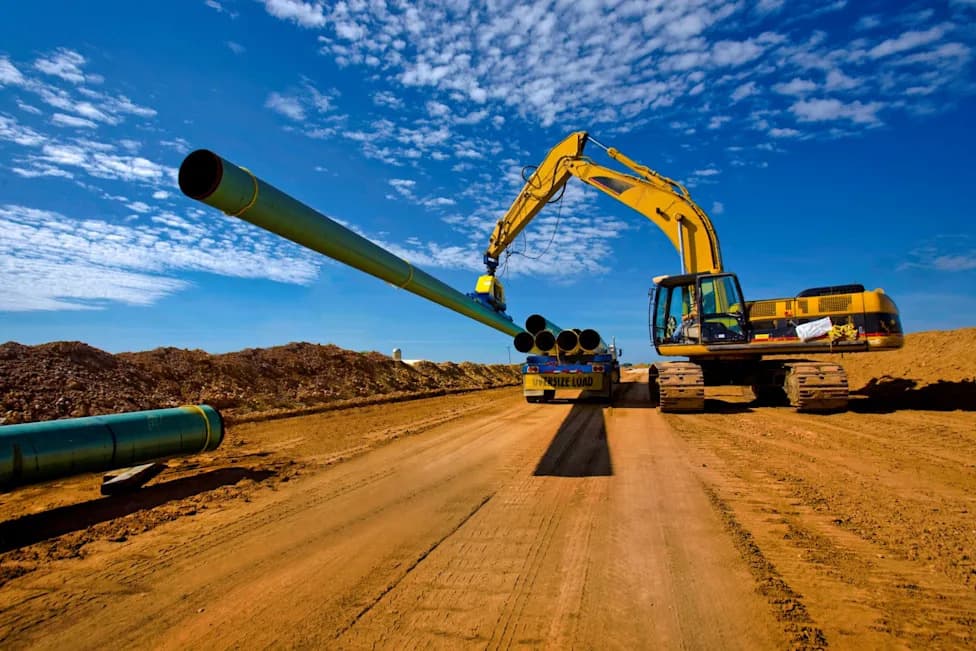
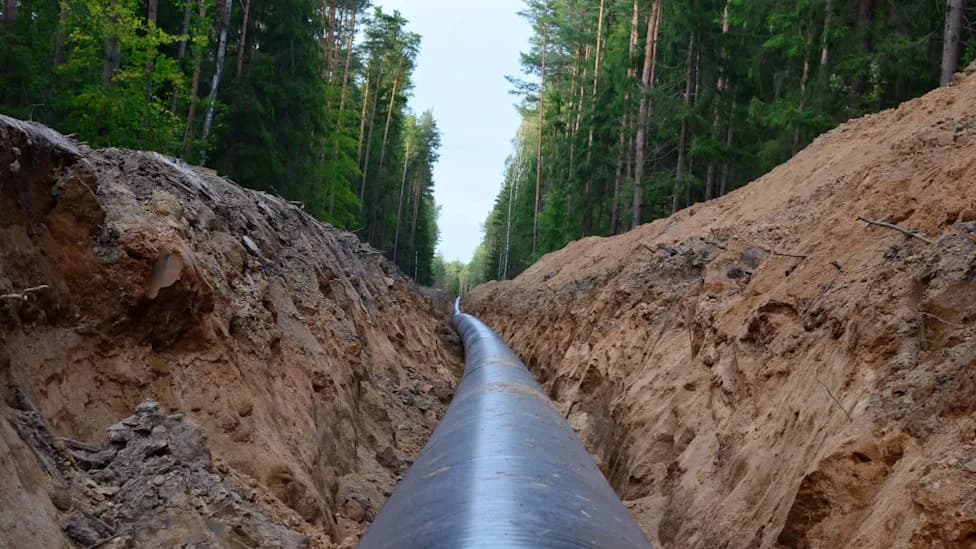
Photo Credit: iStock
The U.S. Supreme Court has agreed to hear a case brought by North Dakota landowners that could determine what compensation property owners nationwide receive when private pipeline companies seize land under eminent domain.
At the heart of the dispute is whether a payment can truly be called "just" if families must first spend hundreds of thousands of dollars to obtain it.
In 2018, rancher Leonard Hoffmann and several neighbors learned that WBI Energy Transmission planned to take portions of their property. WBI is a private gas pipeline company that holds a certificate of public convenience authorizing it to exercise eminent domain.
Legal Fight Over Fees and Fair Market Value
The plaintiffs, represented by the Institute for Justice, say WBI's initial offer was roughly half the property's market value. The landowners sued, and a district court allowed evidence of fair market value and ordered WBI to pay about $383,375 in legal fees the owners incurred defending their rights.
An appeals court later reversed that fee award, creating a split among federal appeals courts that the Supreme Court will now resolve. The key legal question is whether state compensation and fee-shifting rules apply when private pipeline companies invoke federal eminent domain authority.
Why the Case Matters
The case tests whether the constitutional guarantee of "just compensation" is meaningful when enforcing the right is prohibitively expensive. If families must spend large sums on lawyers and expert witnesses merely to secure fair market value, the cost of asserting the right can effectively nullify the protection.
The implications extend far beyond one ranch. The plaintiffs note that millions of miles of gas pipelines cross the United States, and each new project can trigger condemnation disputes with landowners along its route. A Supreme Court ruling could determine whether those landowners can recover the costs of resisting pipeline companies in federal eminent domain proceedings.
By accepting the case, the justices signaled they will resolve the disagreement among appeals courts over the applicability of state compensation rules when private firms use federal eminent domain power — a decision that could reshape the balance between private infrastructure development and property-owner rights.
Help us improve.