Cape Town narrowly avoided "Day Zero" in 2018 and has since focused on removing invasive pine and eucalyptus that consume far more water than native fynbos. Over eight years, teams cleared 101,270+ acres, returning more than 9.5 billion gallons annually to streams feeding regional dams. Carefully planned controlled burns combined with manual follow-up have sped restoration, encouraged fynbos recovery and created local jobs. In April 2026 a $150 million performance-based bond launched to back the program and is expected to free about $8 million for on-the-ground work.
How Cape Town Turned Controlled Burns Into Water Security — Removing Invasive Trees Restores Millions of Gallons
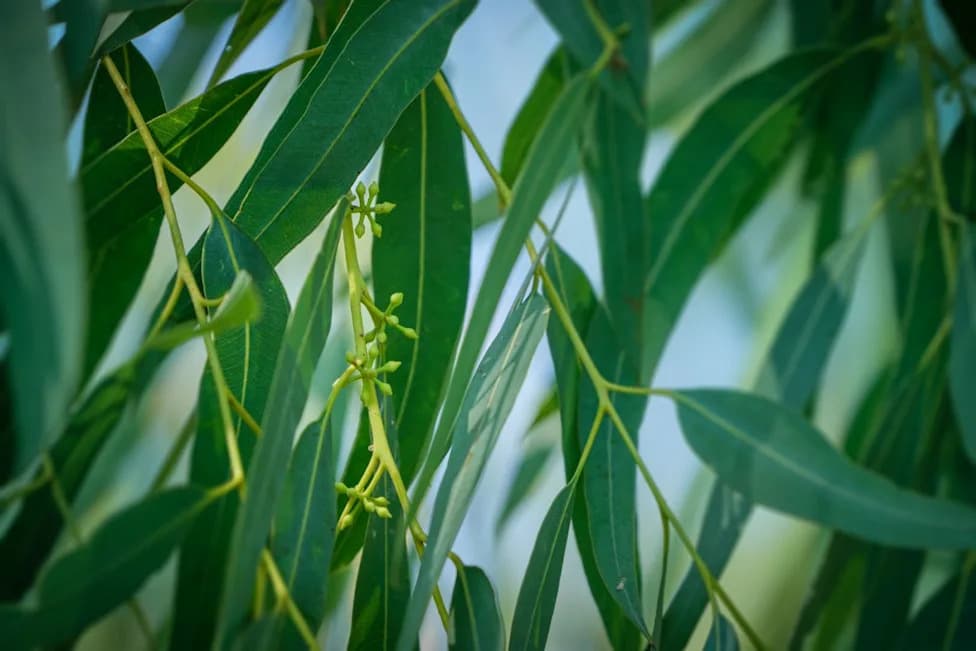
Photo Credit: iStock
In 2018 Cape Town came dangerously close to "Day Zero" — the moment the city feared it would run out of municipal water after prolonged drought. In response, officials and conservation partners attacked a surprisingly large contributor to the crisis: invasive trees that use far more water than the region's native vegetation.
About 4 million people rely on the Cape Town area's water system. While trees normally help protect watersheds, non-native species such as pine and eucalyptus can withdraw far more moisture than they return, reducing streamflow into rivers and reservoirs.
Targeting Invasives To Recover Water
The Nature Conservancy and the Greater Cape Town Water Fund prioritized removing invasive pine and eucalyptus stands because, compared with indigenous fynbos, these trees substantially lower the water that reaches dams. Their research found that clearing invasives could recover up to two months of the city's annual water supply at roughly 10% of the per-unit cost of engineered alternatives such as desalination or intensive groundwater development.
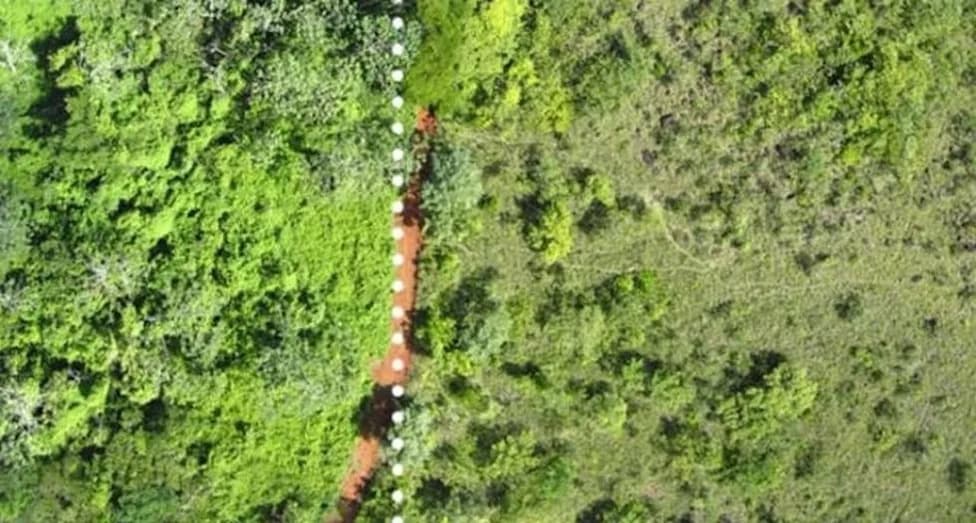
Eight years into the program, teams have cleared more than 101,270 acres, returning over 9.5 billion gallons of water per year to streams that feed regional dams.
From Handsaws To Controlled Burns
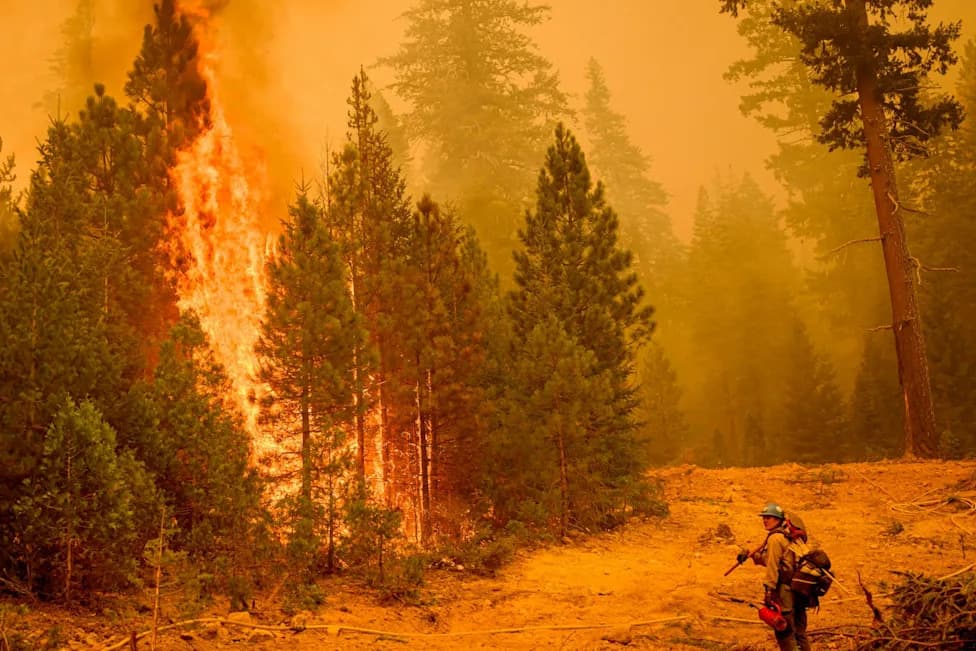
Work began with specially trained local crews removing trees by hand, sometimes rappelling down steep slopes — an arduous, slow process. To scale up and reach remote terrain, partners introduced carefully managed controlled burns, used in combination with follow-up manual treatments.
"This is a fire-driven ecosystem," said Kirsten Watson, who manages the water fund for The Nature Conservancy. "The strategic use of fire through controlled burns and planned follow-up manual treatments doesn't just reduce invasive plant densities; it can help regenerate native species as well."
Controlled burns required years of planning: crews cleared grasses and shrubs to create fire lines and rehearsed safety protocols. In one case, an unexpected wildfire ignited in a prepped zone; because the groundwork existed, responders were able to steer the blaze into areas they had intended to treat.
Ecological And Social Benefits
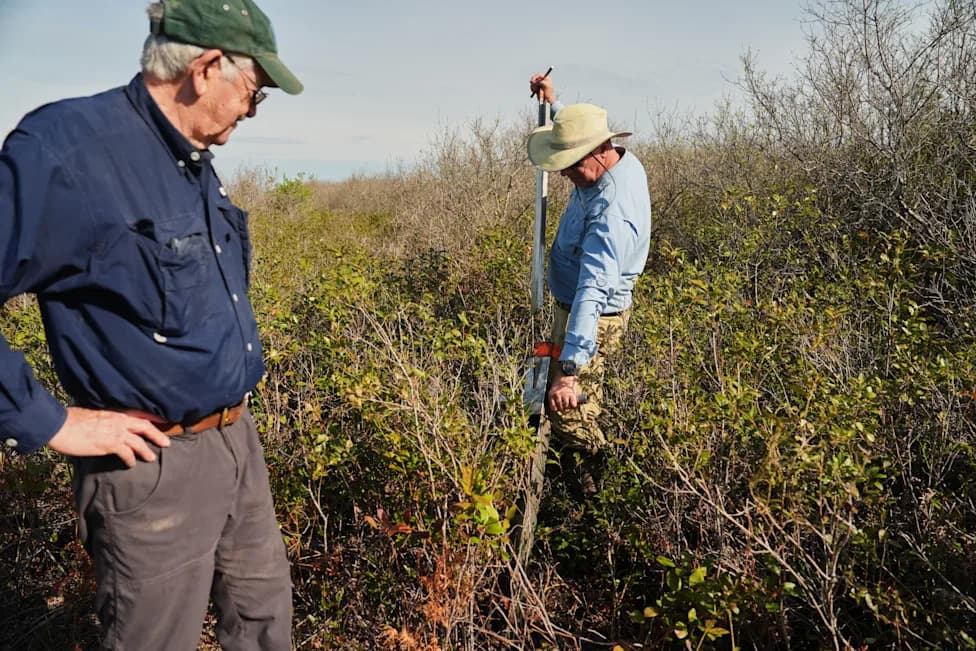
After burns and follow-up treatments, teams monitored regrowth, counted removed trees and tracked hydrological recovery. They reported renewed fynbos regrowth and the return of seeps — small natural pools that visibly demonstrate recovering groundwater and surface flows.
Restoring fynbos matters beyond water: it is a globally unique plant community that hosts thousands of species, many endemic to the Cape. The program also provides training and jobs for local workers, embedding conservation in the regional economy.
Funding The Next Phase
Funding remains a key challenge. In April 2026 the Cape Water Performance-Based Bond launched (about $150 million) to support continued invasive-tree removal. The Nature Conservancy says the bond is expected to free roughly $8 million for on-the-ground work. The bond ties investor payouts to environmental performance, offering a potential model for other water-stressed regions that need cost-effective, nature-based solutions.
As climate change increases drought risk, restoring and managing upstream ecosystems like the Cape's fynbos catchments is proving to be a lower-cost, high-impact strategy to improve downstream urban water security.
Help us improve.