Palm Beach County has recorded Florida's first 2026 death linked to Vibrio vulnificus, with 11 confirmed infections so far this year. The bacterium lives in warm salt and brackish water and most cases follow consumption of raw or undercooked shellfish or exposure of open wounds to contaminated water. Flooding after storms such as Hurricane Ian (2022) and Helene (2024) has been associated with case spikes. Vulnerable people—especially those with chronic liver disease—face the greatest risk of severe illness or death; immediate medical care is recommended for suspected infections.
Florida Reports First 2026 Death From Rare Flesh‑Eating Bacteria Amid Rising Cases
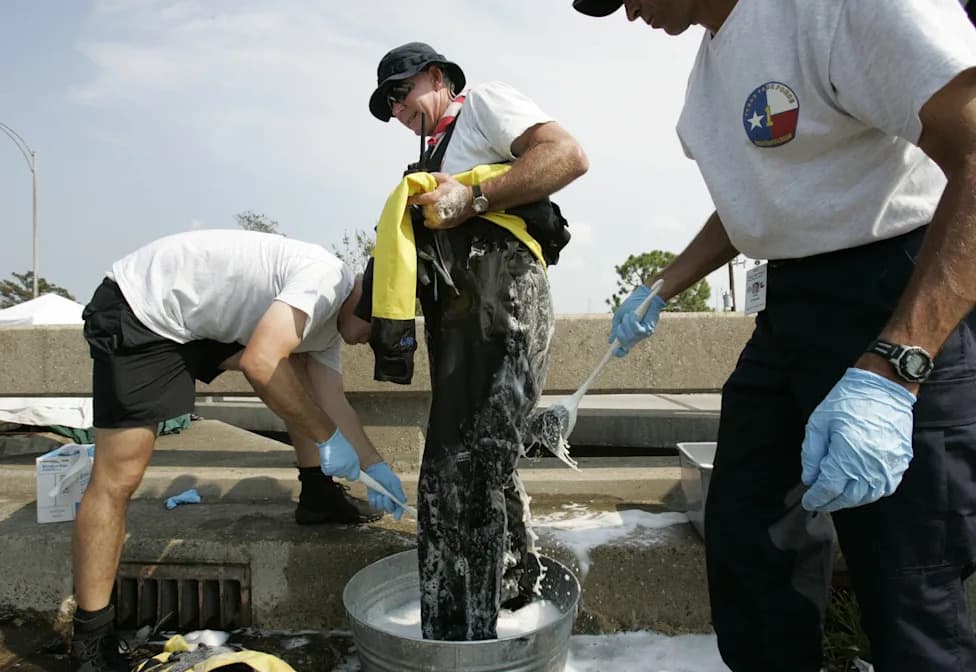
A member of a search and rescue team being hosed down with bleach and soap after Hurricane Katrina to protect against toxins and bacteria like Vibrio Vulnificus.
Palm Beach County, Florida — Health officials have confirmed the first death of 2026 in Florida linked to the rare, potentially deadly bacterium Vibrio vulnificus. State authorities say there have been 11 confirmed infections so far this year, with one resulting in death.
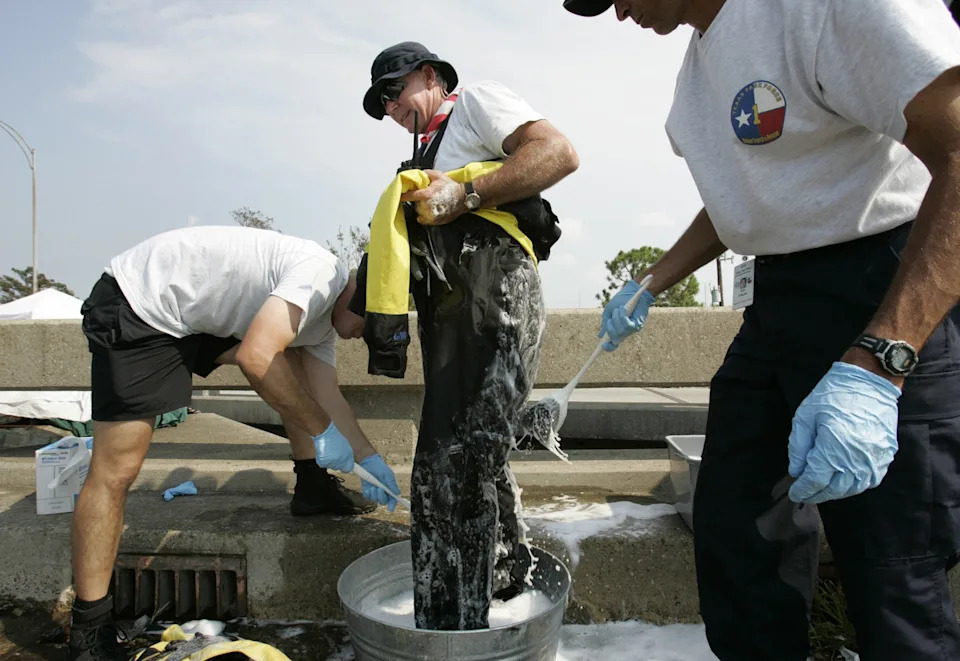
A member of a search and rescue team being hosed down with bleach and soap after Hurricane Katrina to protect against toxins and bacteria like Vibrio Vulnificus.
What Is Vibrio vulnificus?
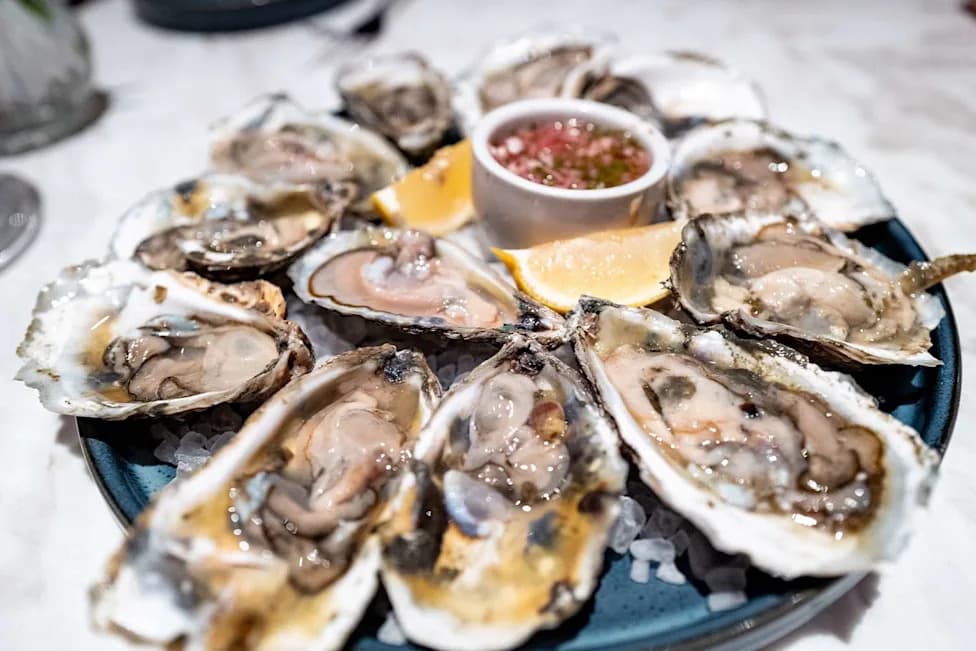
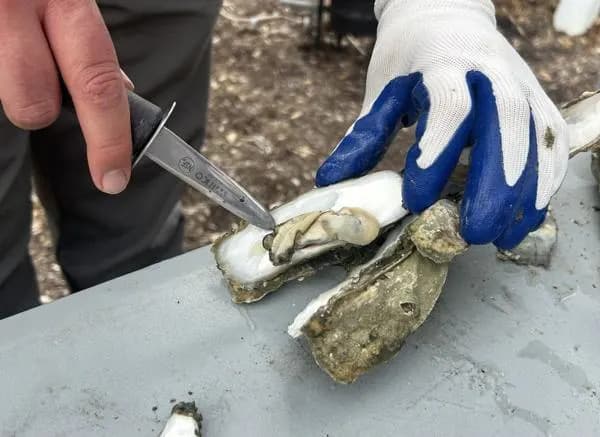
Vibrio vulnificus is an uncommon bacterium that occurs naturally in warm saltwater and brackish water. Most infections—called vibriosis—occur after eating raw or undercooked shellfish, especially oysters. The bacterium can also infect people who have open cuts or wounds exposed to contaminated seawater or floodwaters.
Flesh Eating disease and life-threatening bacteria as flesh-eating bacterial infection outbreak of a rare Necrotizing Fasciitis infecting the skin and flesh as a deadly illness.
Recent Trends And Storm Links
The Florida Department of Health noted that case spikes have followed major storms, including Hurricane Ian (2022) and Hurricane Helene (2024). Flooding and standing water created by severe weather increase the risk of exposure to contaminated water, officials say. Last year the state recorded five deaths from this bacterium, while earlier years reported double‑digit fatalities.
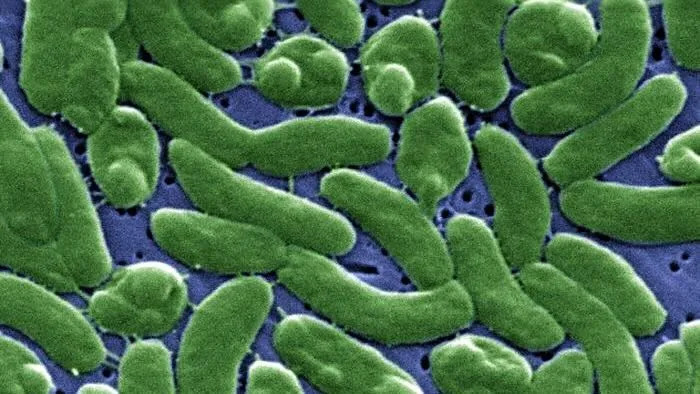
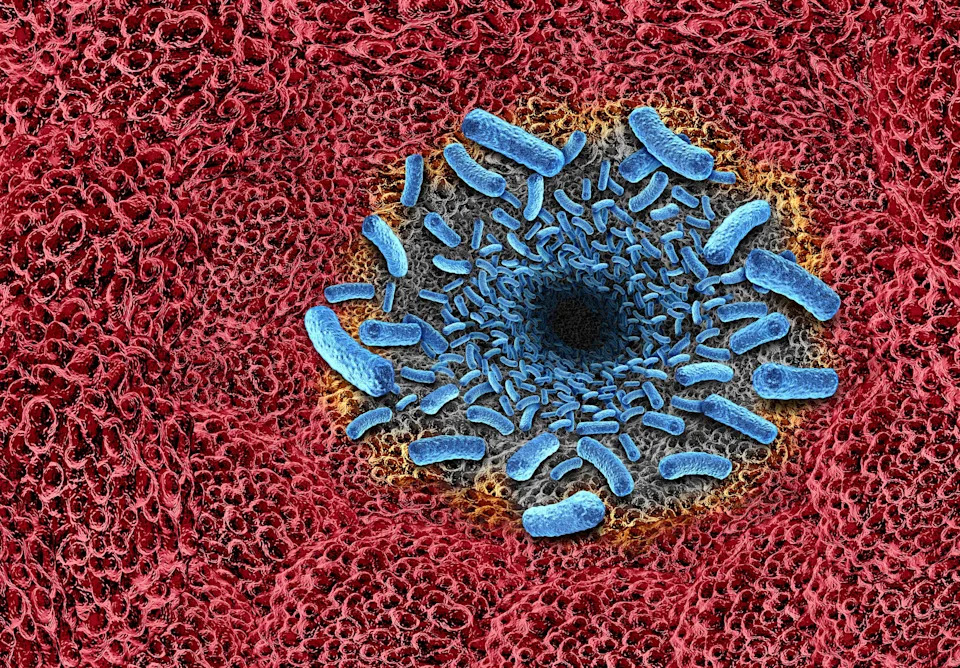
Under a high magnification of 13184X, this digitally-colorized scanning electron microscopic (SEM) image depicts a grouping of Vibrio vulnificus bacteria.
Symptoms, Risks And Outcomes
Healthy people often experience mild illness, but V. vulnificus can cause severe, rapidly progressing disease in people with weakened immune systems—particularly those with chronic liver disease. The bacterium can enter the bloodstream and produce symptoms such as fever, chills, septic shock and blistering skin lesions. Many patients require intensive care or surgical interventions, including limb amputation; roughly one in five infected people die, sometimes within a day or two after symptoms begin.
Prevention And When To Seek Care
- Avoid eating raw or undercooked shellfish, especially oysters.
- Keep open cuts and wounds away from seawater, brackish water and floodwater; cover wounds with waterproof dressings if exposure is unavoidable.
- Avoid wading or swimming in floodwaters after storms.
- Seek immediate medical attention for rapidly worsening symptoms, severe redness or swelling around a wound, fever, or systemic signs of infection.
The Centers for Disease Control and Prevention (CDC) advises prompt treatment and warns not to delay care while awaiting specialist consultation or laboratory confirmation. The bacterium can be detected from stool, wound swabs or blood samples from symptomatic patients.
News reports and public health materials have featured images such as rescue workers being hosed down after storm response and highly magnified scanning electron microscope images of Vibrio vulnificus (one labeled at ~13,184X magnification).
Public health takeaway: Exercise caution around coastal waters and floodzones after severe weather, avoid raw shellfish, and seek immediate care if infection is suspected—especially for people with chronic liver disease or compromised immune systems.
Help us improve.