A recent NBER analysis using Danish administrative data finds that GLP-1 drugs such as Ozempic and Wegovy are associated with a 17% reduction in long-term sick leave (absences over 30 days). The researchers say this pattern is consistent with improved cardiometabolic health and estimate employer and public-payer savings equivalent to up to 1.5% of a worker's annual salary. The study reports an association rather than definitive causation and notes that Denmark's generous sick-leave rules shape who benefits financially.
Study: GLP-1 Drugs Like Ozempic and Wegovy Linked to 17% Drop in Long-Term Sick Leave
GLP-1 drugs could reduce long-term sick leave: Study
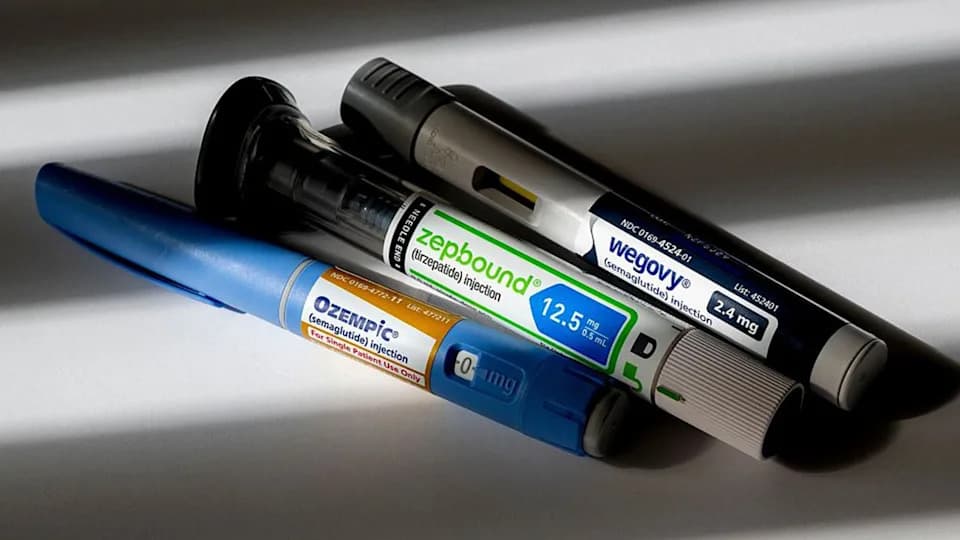
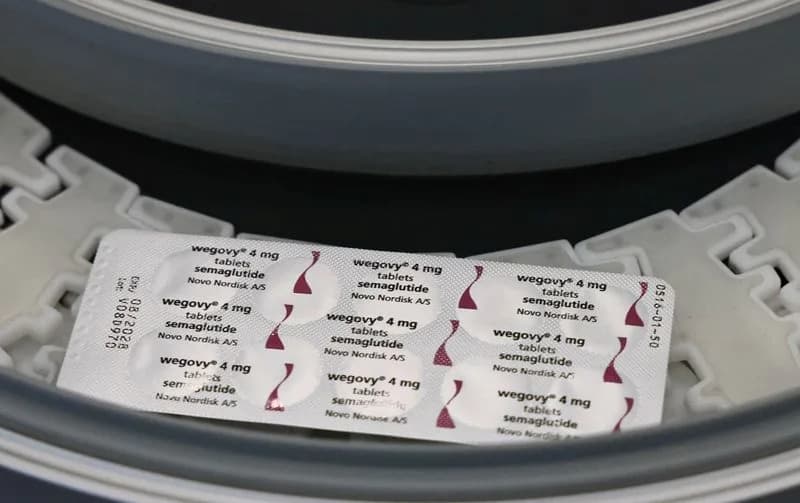
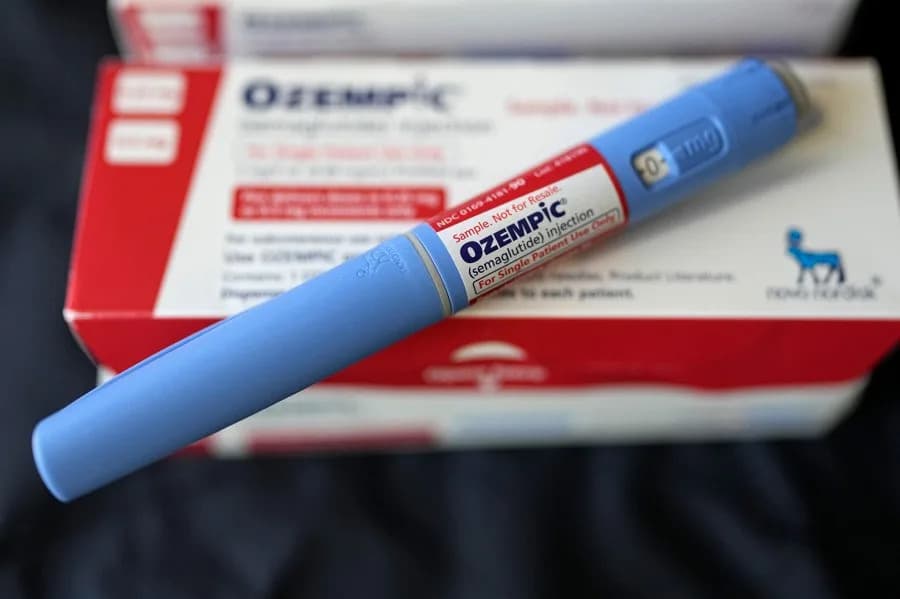
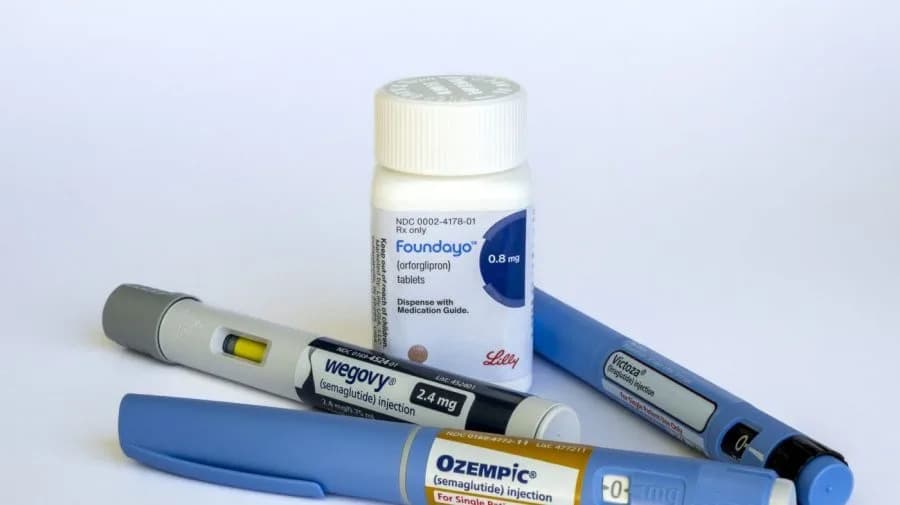
A new economic analysis from the National Bureau of Economic Research (NBER) finds that employees who use GLP-1 medications—drugs that include Ozempic and Wegovy—are associated with substantially less long-term sickness absence.
Key Findings
- Employees using GLP-1 drugs took about 17% less long-term sick leave than non-users, according to the study.
- The researchers defined "long-term" absence as illness-related time away from work exceeding 30 days.
- Using Danish administrative data, the analysis estimated that reduced long-term sick leave could translate into savings of up to 1.5% of a worker's annual salary.
"The reduction in long-term sickness leave is consistent with improvements in underlying cardiometabolic health," the study's authors wrote.
Context and Implications
GLP-1 medications were originally developed to treat type 2 diabetes but have become widely used for weight loss. Emerging research suggests these drugs may also lower risks of cardiovascular disease and some cancers. This study connects GLP-1 use to a measurable labor-market outcome—fewer extended absences—highlighting potential macroeconomic benefits for employers and public payers.
Important methodological notes: the paper reports an association based on administrative data from Denmark rather than definitive proof of causation. The researchers relied on national records to compare sick-leave patterns for users and non-users of GLP-1 drugs.
Why Denmark Matters
The study uses Danish data, where sick-leave rules differ from those in many other countries: employers must pay a full salary for illness-related absences up to 30 days, and the government covers long-term leave beyond that mark. These institutional differences affect who bears the direct cost of extended sickness absence and how savings are realized.
Overall, the findings suggest that wider use of GLP-1 therapies could reduce long-term absenteeism and produce modest economic savings, though further research is needed to confirm causal effects and to evaluate implications across different health systems.
Help us improve.