The Lion's mane jellyfish (Cyanea capillata) has been appearing in unusually large numbers off Cape Cod and other Massachusetts beaches, with bells reaching about three feet and tentacles that can extend beyond 100 feet. While their stings are highly toxic, deaths are rare. Experts point to ocean currents, warmer water and abundant food as possible causes of the recent blooms. Authorities advise people not to touch jellyfish and to follow first-aid steps — rinse, remove tentacles carefully, consider vinegar — and seek medical help if symptoms are severe.
Massive Lion's Mane Jellyfish Swarm Off Cape Cod — What Beachgoers Need to Know
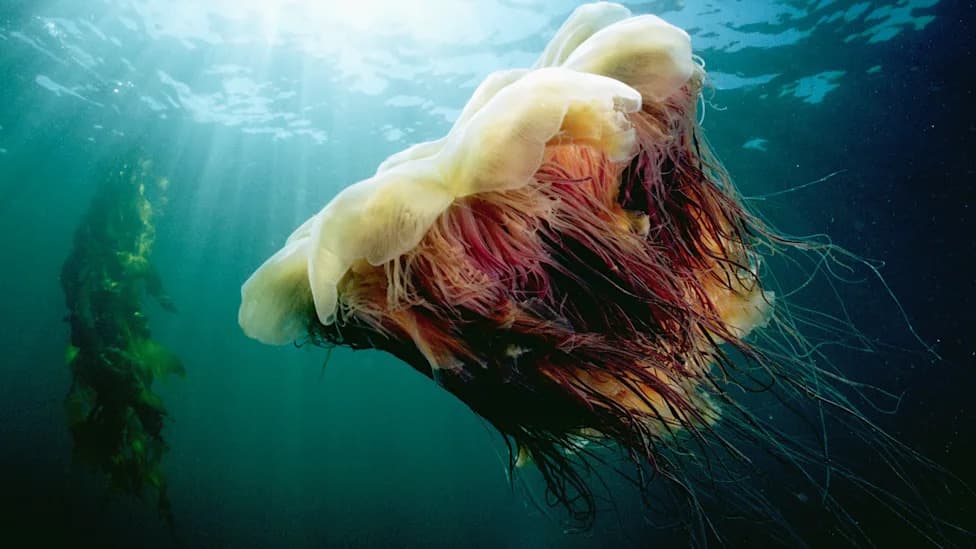
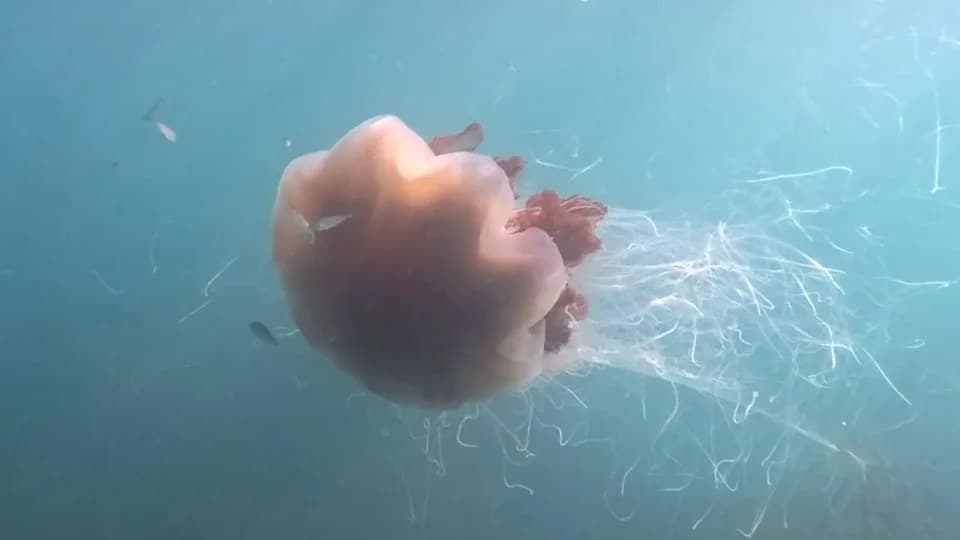
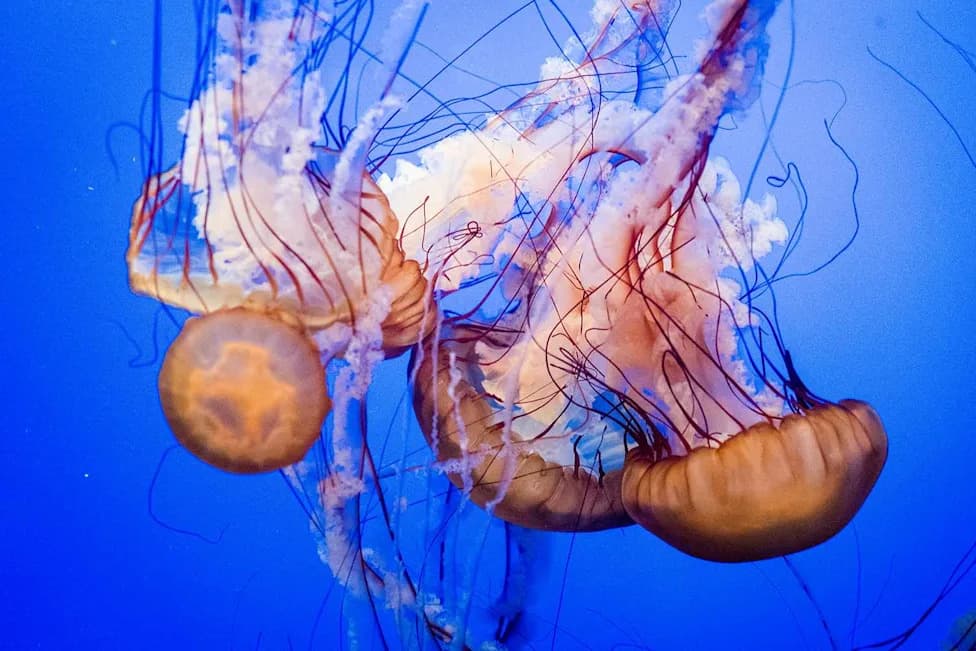
The lion's mane jellyfish, highly toxic, is the largest jellyfish in the world known to reach a width of eight feet across.
The Lion's mane jellyfish (Cyanea capillata), one of the largest jellyfish species on Earth, has been appearing in unusually large numbers along Cape Cod and other Massachusetts beaches, according to reporting by the Boston Globe.
These invertebrates have a bell that can measure roughly three feet across, while their trailing tentacles can extend more than 100 feet. Although their stings are highly toxic, recorded human fatalities are rare.
Lion's mane jellyfish typically inhabit open-ocean environments across the Pacific, Atlantic and Arctic Oceans, as well as the Baltic and North Seas. Still, Massachusetts waters have recently seen an uncommon uptick in sightings, prompting local warnings and guidance for beachgoers.
"Keep an eye out: lion's mane jellies can give a pretty painful sting! If you see one washed up on the beach or floating in the water, it's best to admire it from a safe distance," the New England Aquarium warned in a social media post.
Jellyfish drift with currents and winds rather than actively swimming, so a mix of ocean currents, wind patterns, water temperature and prey availability may have driven this recent influx.
"Lion's Mane jellyfish are currently appearing in unusually large numbers off Cape Cod," said a social media post from Sandwich Marina – Sandwich Harbormaster. "While Lion's Mane is normally seen from late spring through summer, this year reports began in May, with exceptionally high densities observed by mid-June. Similar blooms have occurred in the past, including in 2020. Experts believe factors such as water temperatures and available food sources may contribute to these increases."
Safety Tips for Beachgoers
Do Not Touch — Even washed-up jellyfish can deliver painful stings; tentacles are often hard to see and may still be active.
If You See One: Keep a safe distance, warn others, and notify local beach authorities if possible.
First Aid If Stung
1. Rinse: Rinse the affected area with warm seawater or, if seawater is not available, clean (not hot) tap water. Avoid rubbing the area.
2. Remove Tentacles: Carefully remove any visible tentacles with tweezers — do not use bare hands.
3. Soothe: Vinegar may help neutralize some jellyfish stings; it is commonly recommended for some species. Immersion in warm (not scalding) water can also relieve pain. If pain or symptoms are severe, seek medical attention immediately.
When in doubt, contact local health services or emergency responders for guidance, especially if the victim has trouble breathing, chest pain, fainting, or a rapidly spreading rash.
Officials and aquariums advise beachgoers to admire these spectacular — and potentially hazardous — animals from a safe distance and to follow local warnings during jellyfish blooms.
Help us improve.