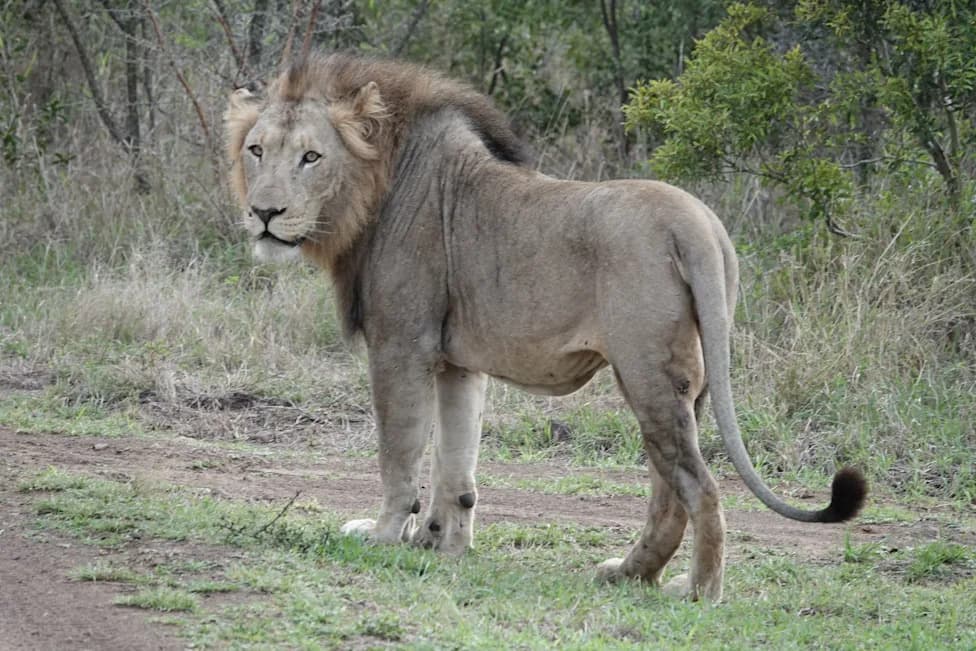
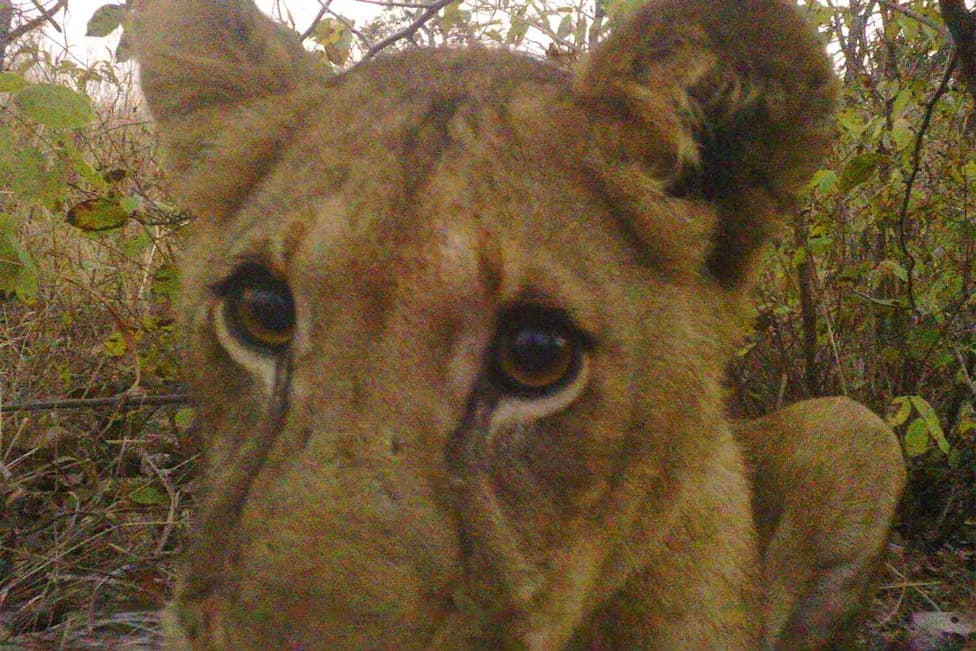
On World Lion Day, experts warn that lion populations have fallen by roughly 90% over the last century, with only an estimated 20,000–30,000 individuals remaining. Major threats include habitat loss and fragmentation, prey declines, human–lion conflict, poaching and disease. Conservation tools — from protected-area expansion and anti-poaching patrols to community incentives, GPS monitoring and responsible tourism — have stabilized some populations, but continent-wide coordination and habitat connectivity are essential to secure lions’ future.
How Lion Populations Fell About 90% — What Conservationists Are Doing To Save Them
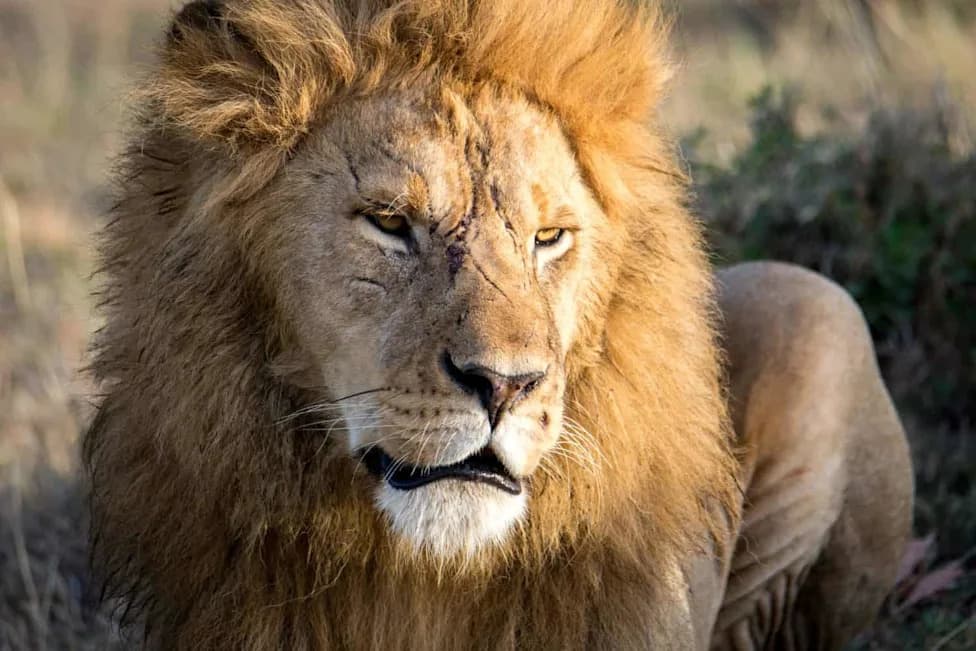
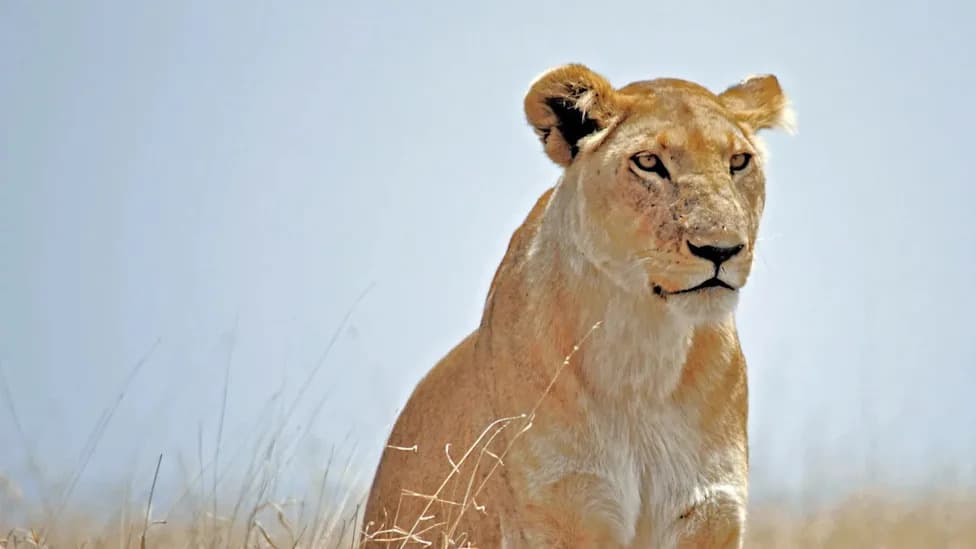
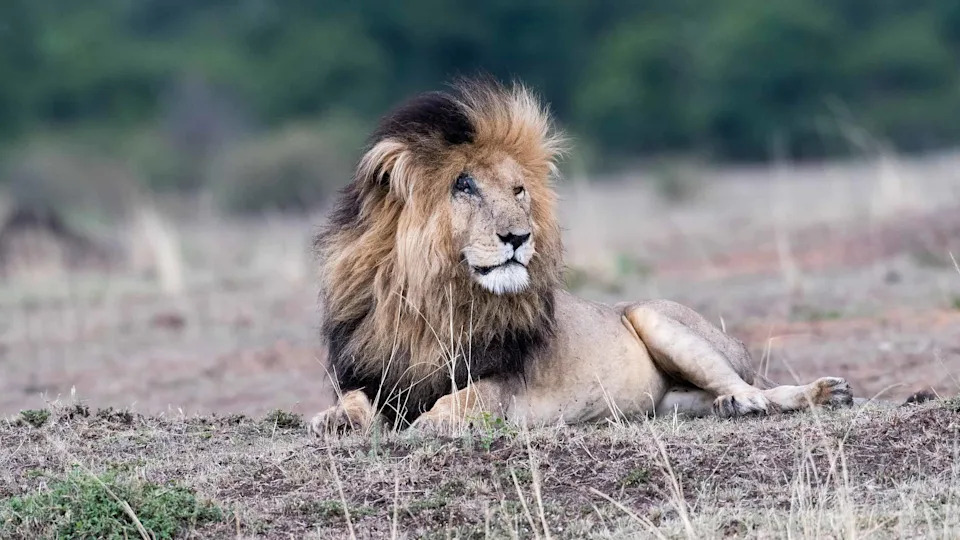
Lion with scars in Masai Mara, Kenya, Africa© Mike Bottom/Shutterstock.com
August 10 is World Lion Day — a moment to spotlight the dramatic decline of one of Africa’s most iconic predators and the conservation efforts working to halt and reverse that trend.
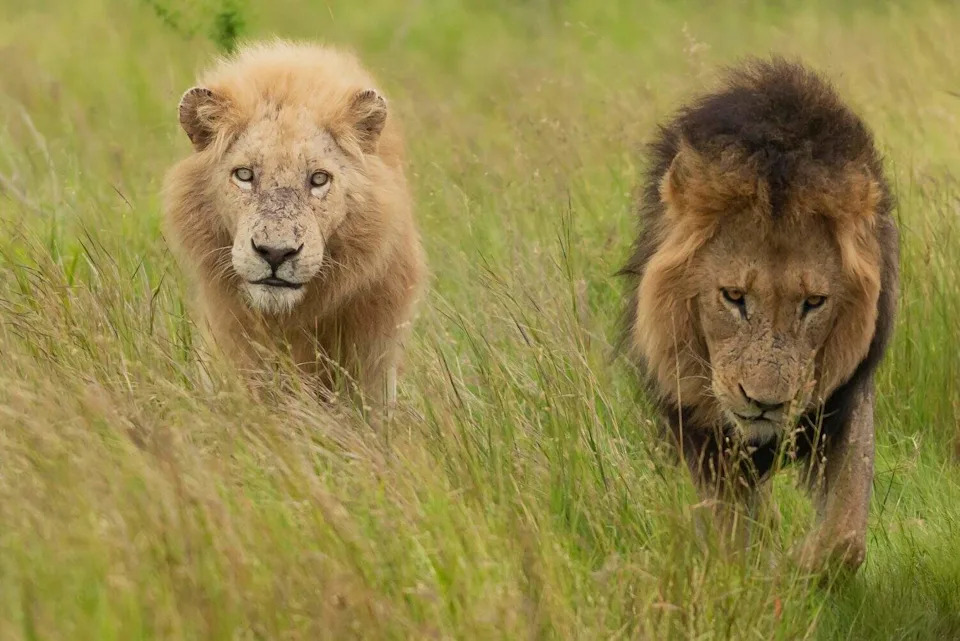
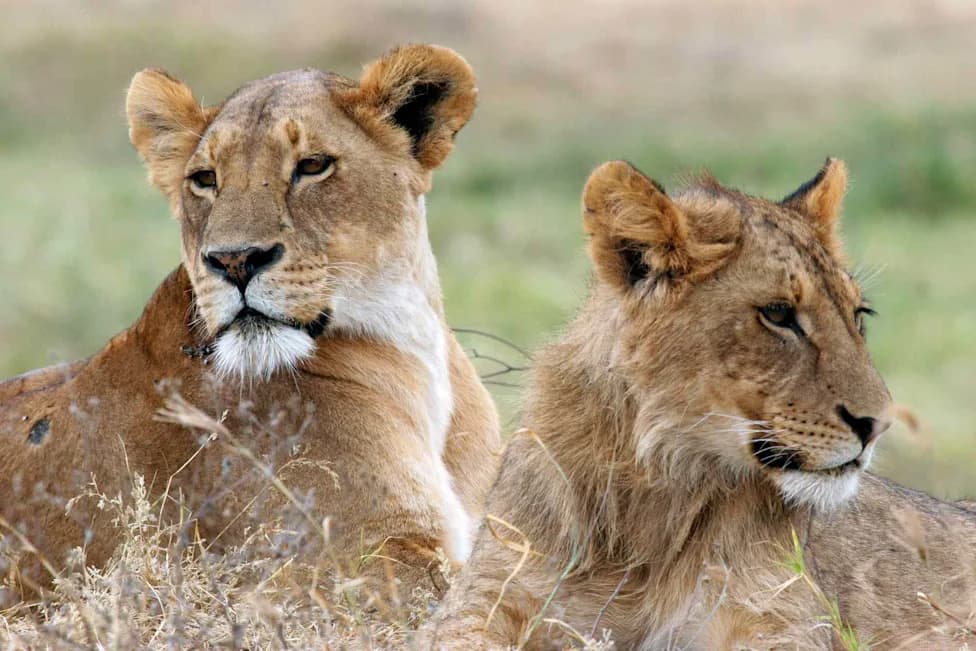
Lion populations have decreased by as much as 93% since the 1970s.©Piotr Poznan/Shutterstock.com
A Century Of Decline
Over the past century, lion numbers have plummeted by roughly 90%. Today, experts estimate only about 20,000–30,000 lions remain across their former range. Historic habitat has contracted sharply in many regions, with some areas losing more than 80–90% of their original lion populations and ranges.
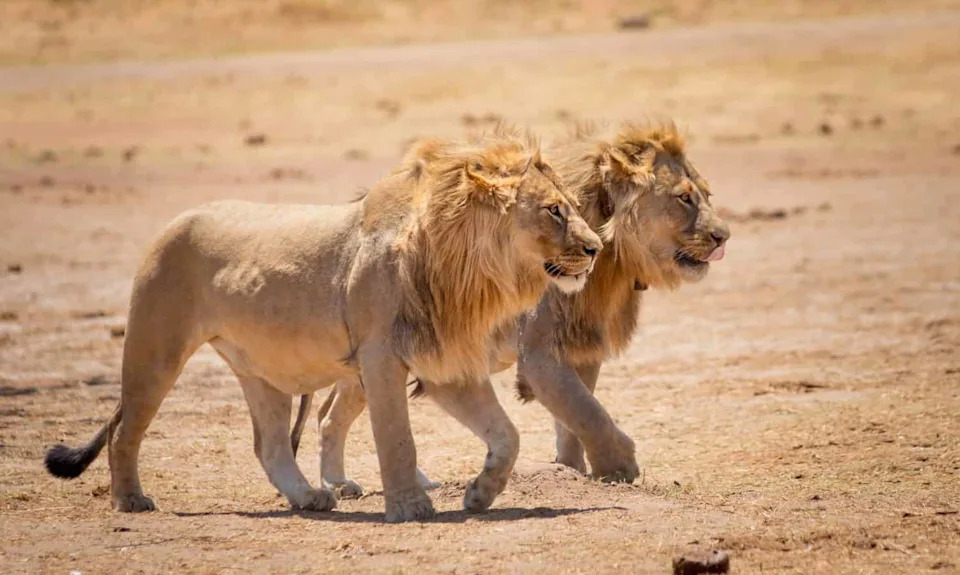
Lion population collapse is a result of habitat loss, habitat fragmentation, depletion of prey, human-lion conflict, and more.©Gray Aletter/Shutterstock.com
Regional Changes Since 1970
- Congo Basin: From ~1,600 in 1970 to ~211 today (≈87% decline)
- West Africa: From ~1,600 in 1970 to under 200 today (≈88% decline)
- Central Africa: From ~1,600 in 1970 to under 200 today (≈88% decline)
- Southern Africa: From ~36,000 in 1970 to ~9,800 today (≈73% decline)
- East Africa: From ~31,000 in 1970 to ~11,000 today (≈65% decline)
These figures reflect wide regional variation. The International Union for Conservation of Nature (IUCN) lists the species as Vulnerable overall, while some subpopulations (notably in West Africa) are classed as Critically Endangered.
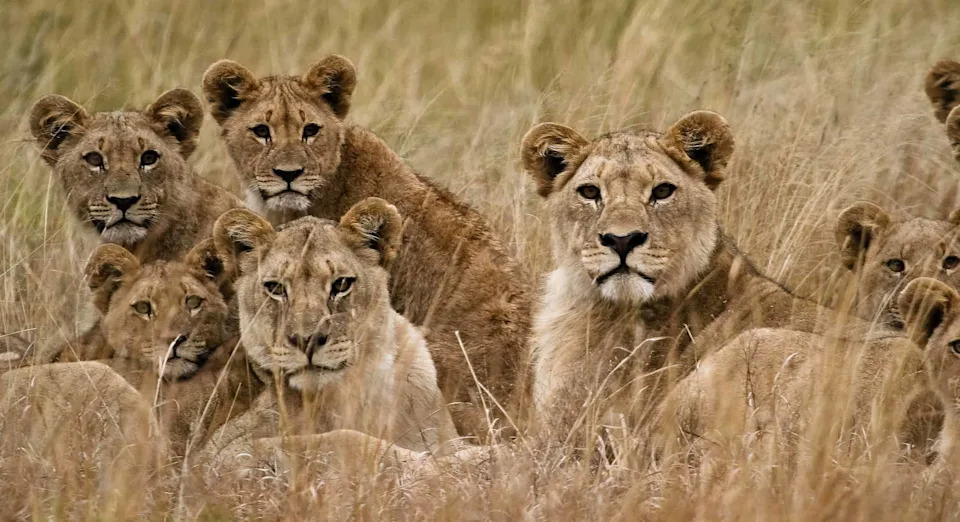
Lions are the glue that keeps their ecosystems running smoothly.©Riaan van den Berg/Shutterstock.com
Why Lions Are Disappearing
No single cause explains the collapse; rather, multiple pressures combined over decades. Key drivers include:
Lions are being conserved through anti-poaching patrols, GPS-based collaring, coexistence incentives, and more.©Tony Campbell/Shutterstock.com
- Habitat loss and fragmentation: Expansion of agriculture, settlements and infrastructure has reduced and broken up lion ranges.
- Human–lion conflict: Livestock predation leads to retaliatory killings.
- Prey depletion: Overhunting and habitat change have reduced wild prey availability.
- Illegal killing and poaching: For trophies, body parts or local conflict resolution.
- Disease and inbreeding: Small, isolated populations are more vulnerable to outbreaks and genetic decline.
Ecological Consequences Of Losing Lions
Lions are apex predators that help regulate herbivore numbers and influence the behaviour of other species. Losing them can cause cascading effects: herbivore overpopulation and overgrazing, soil erosion, altered vegetation patterns, greater wildfire risk, and imbalanced populations of smaller predators and prey. The result is degraded ecosystem health and reduced biodiversity.
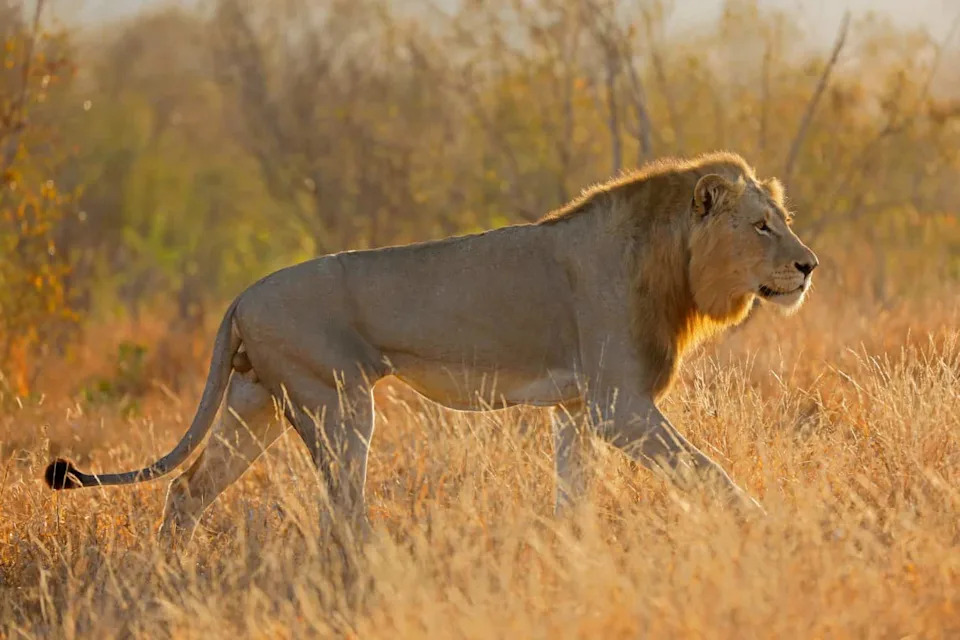
Threats that lions face today are habitat loss, fragmentation, and more.©EcoPrint/Shutterstock.com
Conservation Actions Making A Difference
Conservationists and communities are using a mix of approaches that have stabilized or improved lion numbers in some areas:
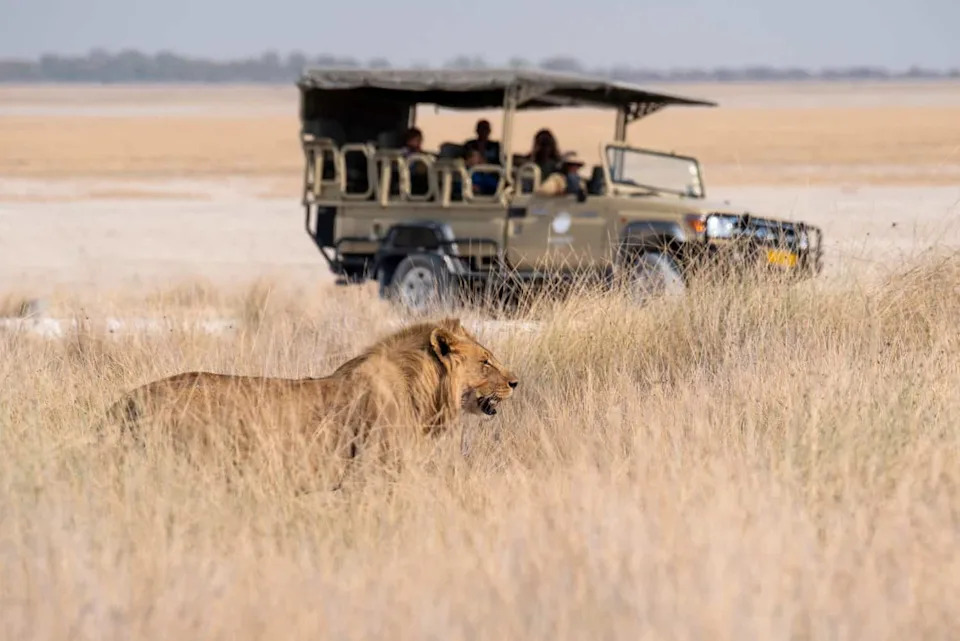
Safaris have played a positive economic and subsequent conservation role for lions.©Marie Zedig/Shutterstock.com
- Protected areas and habitat corridors: Expanding protected land and reconnecting fragmented habitats to improve genetic flow and movement.
- Anti-poaching patrols and law enforcement: Field rangers, surveillance and stronger cross-border cooperation to reduce illegal killings.
- Monitoring and research: GPS collaring, population surveys and disease surveillance to guide management.
- Community-based solutions: Livestock enclosures, herding changes and compensation or incentive schemes that reduce retaliation against lions.
- Tourism and economic incentives: Responsible safari and community tourism can make living lions economically valuable, funding protection and local development.
- Education and awareness: Local education programs that teach coexistence strategies and the long-term value of conservation.
These measures have helped stop declines in some regions, but progress is uneven. Only about 56% of Africa’s lions live inside protected areas, so wider, coordinated action is needed.
What Needs To Happen Next
Scaling successful programs across borders, restoring prey populations, creating connected protected landscapes, strengthening enforcement, and expanding community incentives and education are critical. Conservation requires coordinated action by governments, NGOs, communities and the private sector.
How You Can Help
- Support reputable conservation organizations working on lion protection and community development.
- Choose responsible wildlife tourism that benefits local communities and conservation.
- Share accurate information on World Lion Day and beyond to raise awareness and funding.
Bottom line: Lions are not doomed if the world expands proven conservation strategies, protects habitat at larger scales and aligns community livelihoods with wildlife protection.
Help us improve.