Janaki Devi, a veteran snake rescuer known as "Sarp Mitra," was bitten during a monsoon‑season operation in Bihar after earlier capturing a roughly 10‑foot cobra without incident. She is receiving treatment at a snakebite centre in Triveni, Nepal. Officials say heavy rains and rising waters are displacing snakes into homes, increasing risky encounters, and experts advise calling trained rescuers and seeking urgent medical care for bites.
Bihar Snake Rescuer Bitten After Draping 10‑Foot Cobra Around Her Neck During Monsoon Rescue
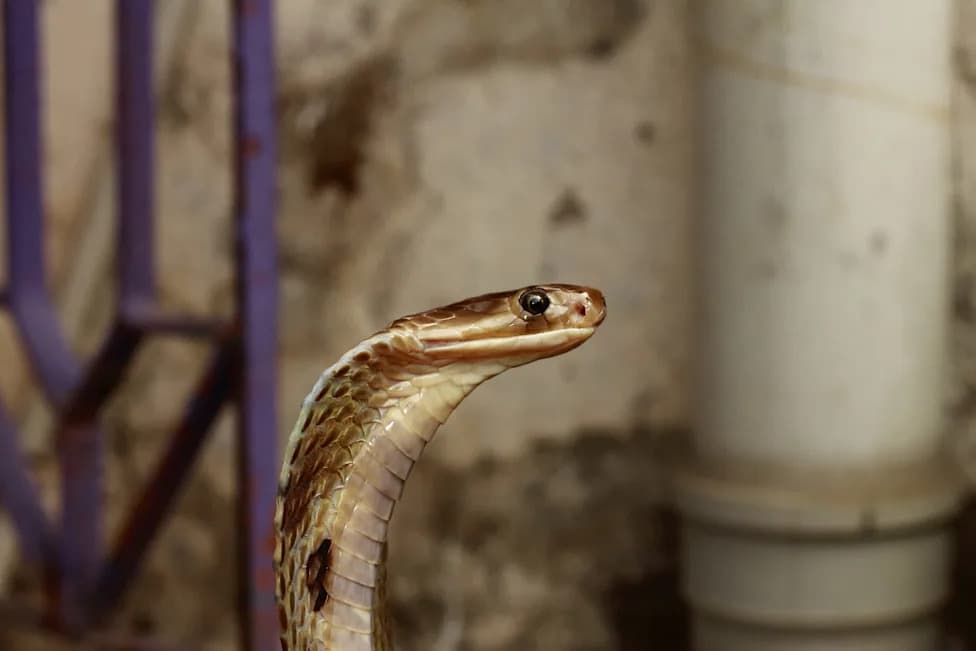
Photo Credit: iStock
Janaki Devi, a veteran snake rescuer locally known as "Sarp Mitra," is recovering after being bitten during a rescue operation in Bihar amid heavy monsoon rains. The incident highlights how seasonal flooding and rising river levels are forcing snakes into villages and homes, increasing dangerous human-wildlife encounters.
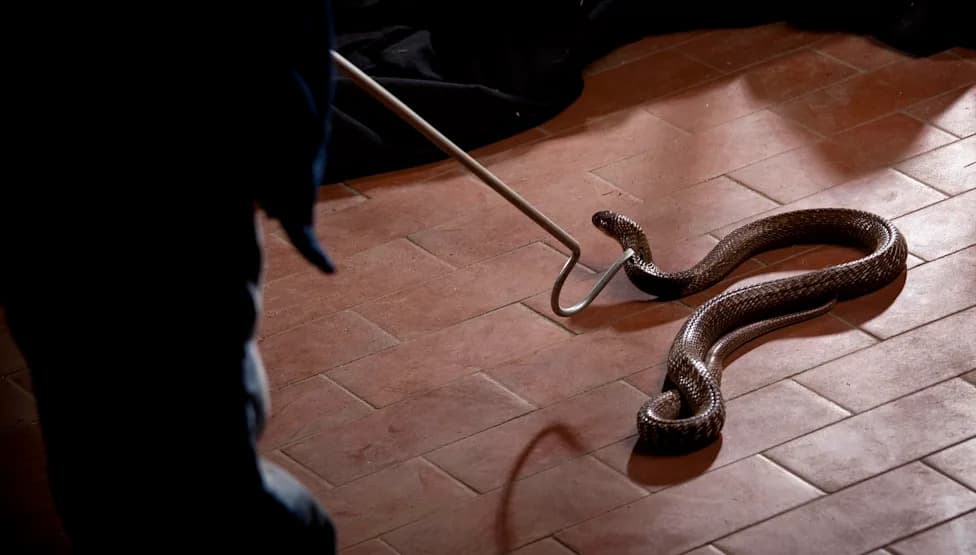
According to local reports cited by The Free Press Journal, a large cobra entered the home of a resident identified as Munnilal in Vishaha village near Valmikinagar. Family members fled and neighbors gathered. Ms. Devi, who is based in West Champaran district and has been credited with nearly 2,000 snake rescues over many years, responded to the call.
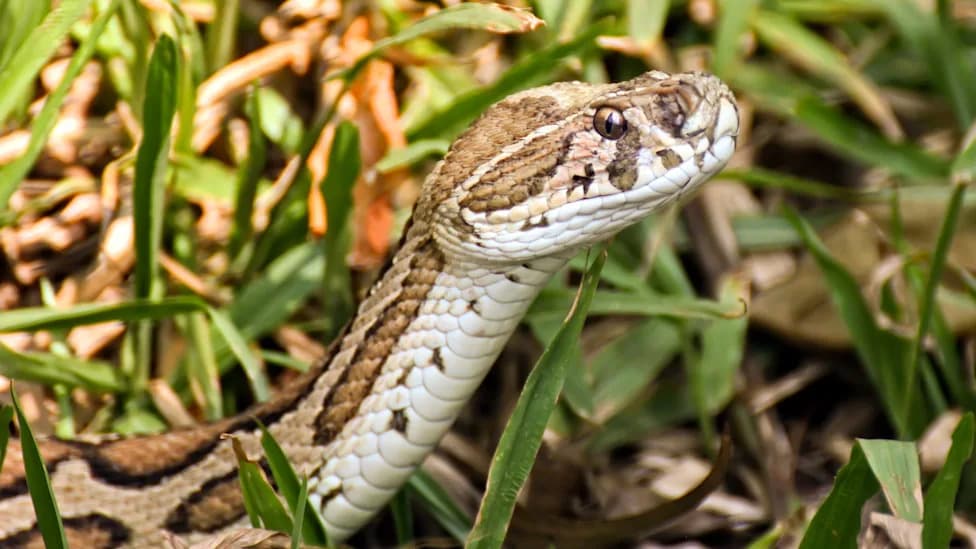
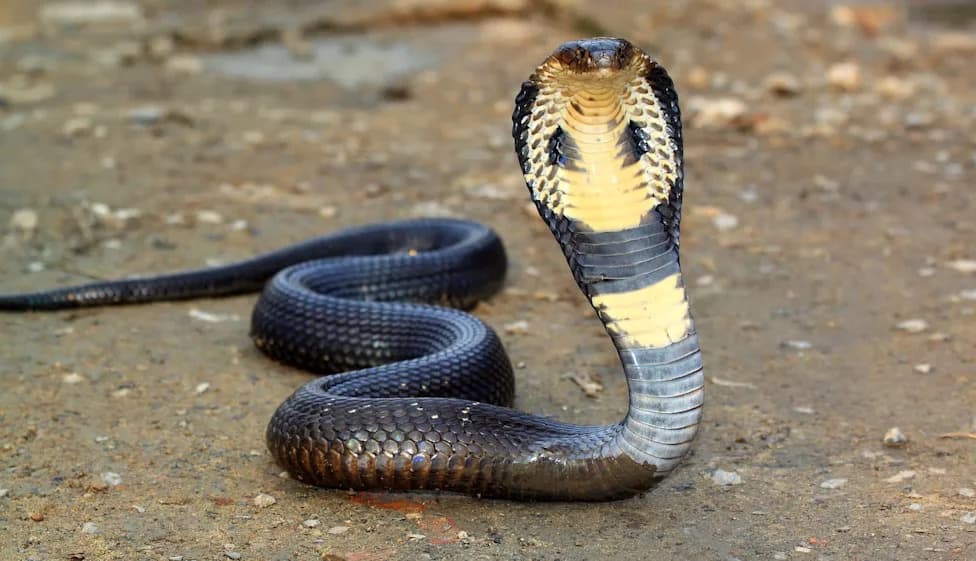
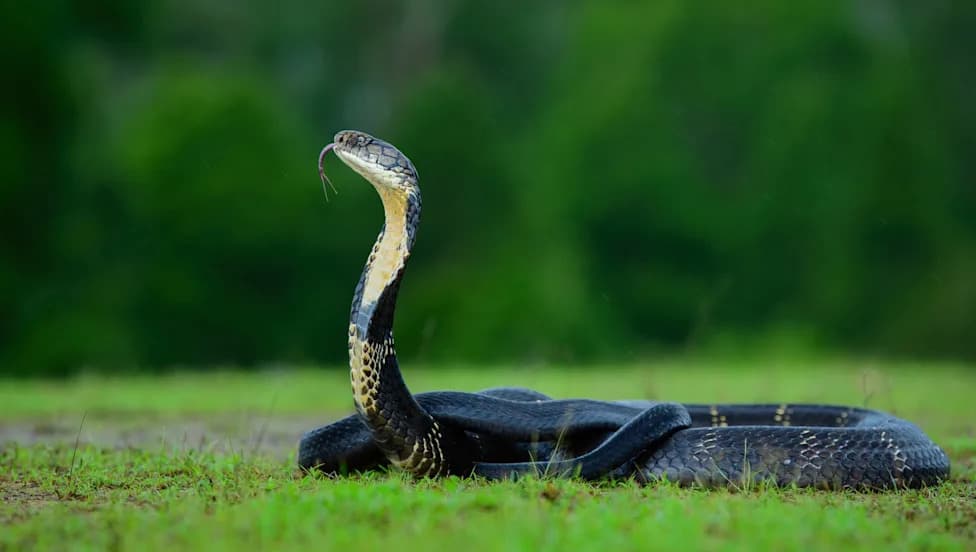
Witnesses say Devi first subdued a roughly 10‑foot cobra by controlling its hood and draping the remainder of its body around her neck before taking it for release near Valmikinagar forest. That rescue reportedly ended without injury.
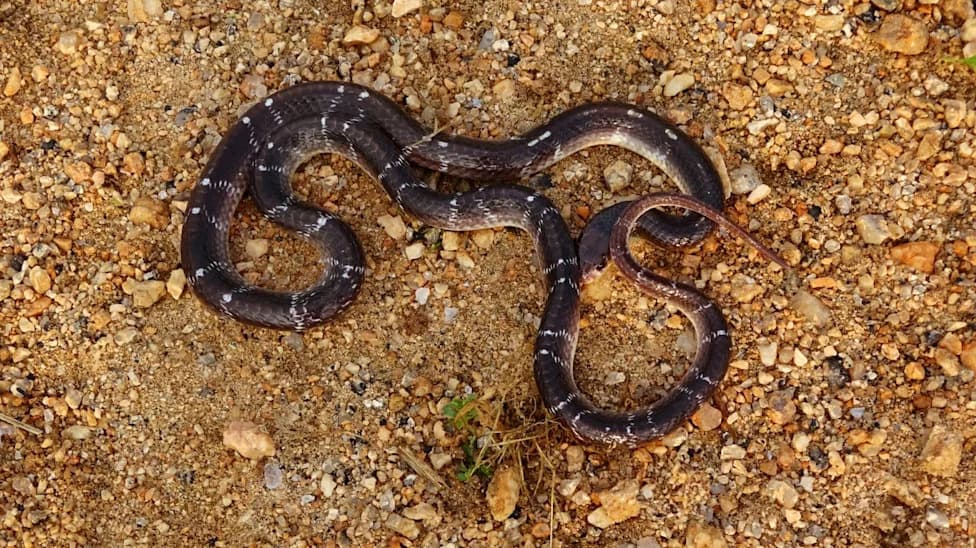
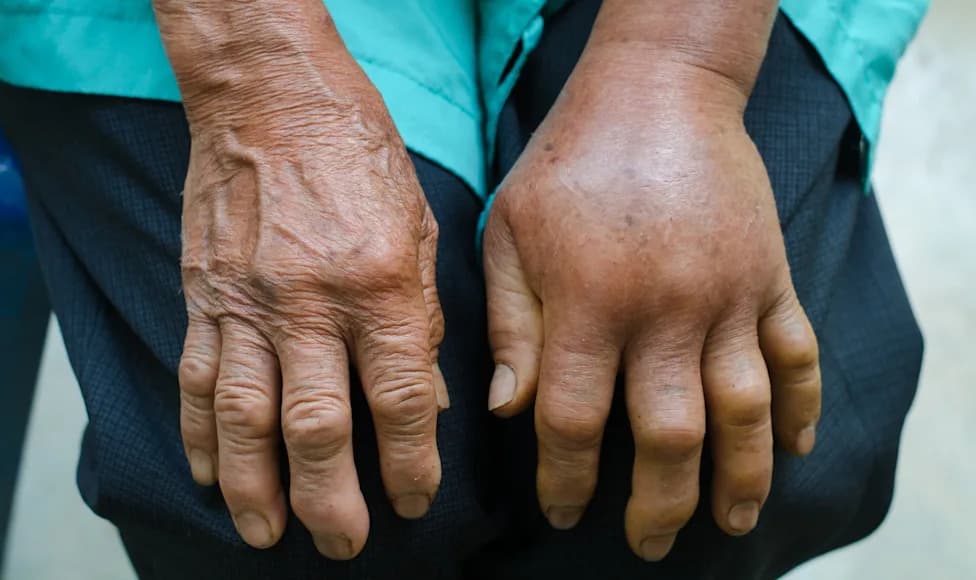
However, a later rescue at a separate location involved another large cobra that turned aggressive during capture attempts. Locals took Devi to a snakebite treatment center in Triveni, Nepal, where she is receiving care, according to reports.
Why These Encounters Are Increasing
The Forest Department told reporters that heavy rainfall, rising rivers and widespread waterlogging in parts of Bihar and neighboring Nepal are pushing snakes and other wildlife into populated areas as they seek higher, drier ground. Experts say collisions between people and displaced animals become more likely when animals feel trapped or stressed.
Human Drivers
Analysts and media including the BBC note that expanding settlements, altered drainage, and construction near wildlife habitats reduce safe refuges for animals during extreme weather, compounding the risk of encounters.
Safety Advice
Authorities and wildlife experts recommend:
- Keeping a safe distance and calling trained rescuers or local forest officials instead of attempting to handle snakes yourself.
- Keeping children and pets away from suspected snake locations and avoiding tall grass or cluttered corners around the home.
- Using a flashlight at night, sealing obvious entry points, and clearing debris that can serve as temporary shelter.
- If someone is bitten, seeking urgent medical care — and avoiding measures such as cutting the wound, attempting to suck out venom, or relying on home remedies that delay proper treatment.
Even experienced rescuers face serious risk: Janaki Devi's injury underscores that a routine operation can become life‑threatening in an instant. Local and regional officials are urging communities to remain vigilant during the monsoon season and to rely on trained personnel for wildlife removals.
Help us improve.