President Trump appointed a White House "Pardon Czar" and publicly promoted second chances, but the administration recently denied about 6,000 clemency petitions after shelving a plan to issue roughly 250 pardons for the semiquincentennial. Critics point to a clemency approach that mixes broad, group pardons for January 6 participants with selective grants tied to political access, raising concerns about transparency and equal treatment. Notable positive cases, like Alice Marie Johnson's commutation and pardon, complicate the picture and leave questions about who receives individualized consideration.
Trump Says He Supports 'Second Chances' — But About 6,000 Clemency Requests Were Denied
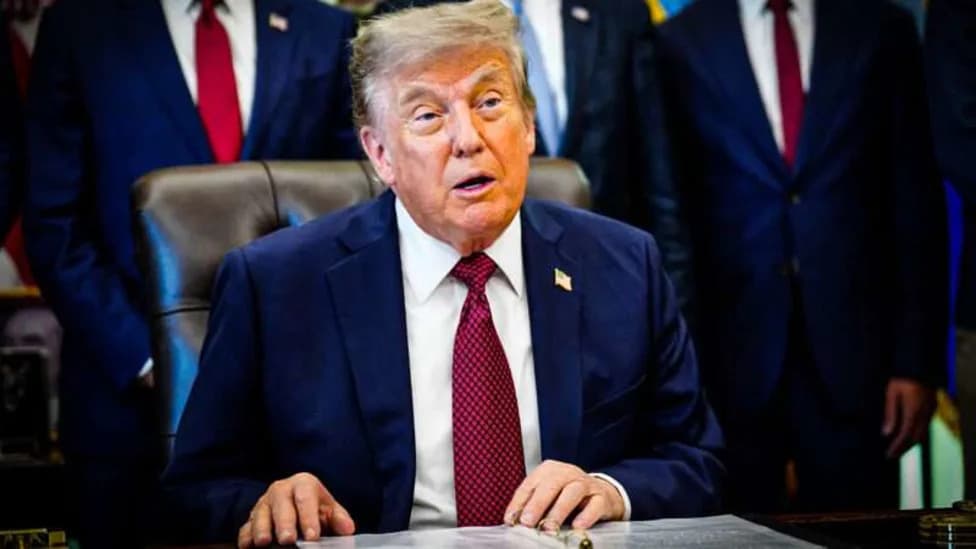
BONNIE CASH/UPI/Newscom
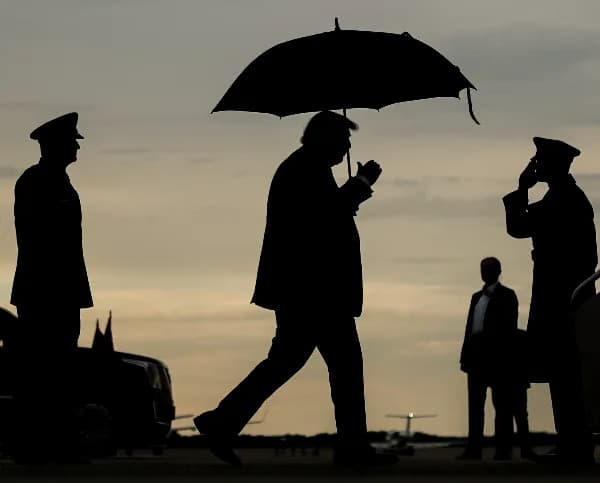
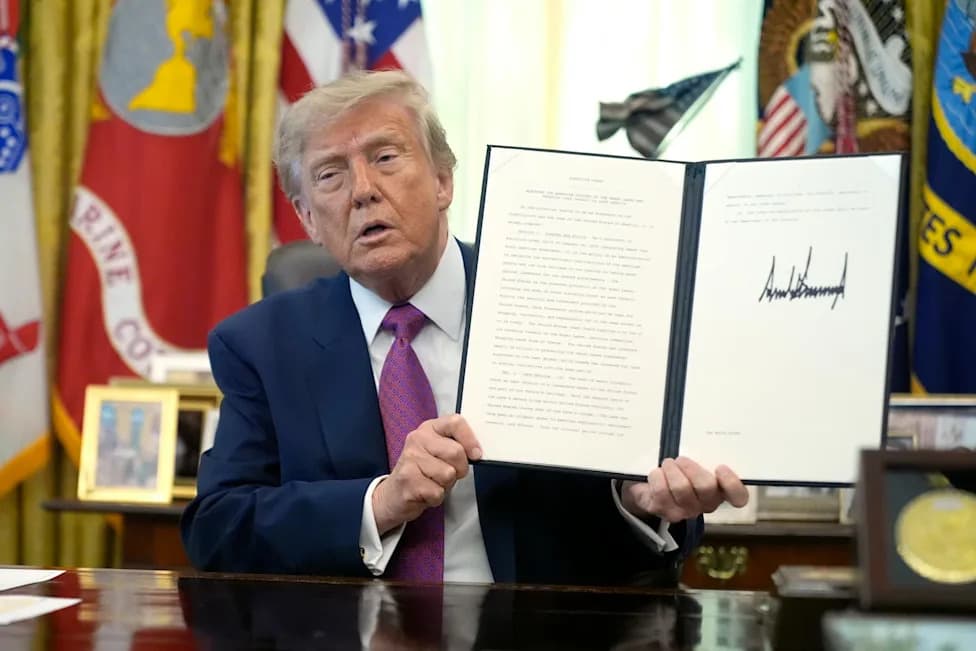
President Donald Trump has publicly framed his return to the White House as a renewed commitment to second chances, appointing a White House "Pardon Czar" and pledging clemency efforts focused on opportunity and accountability. Yet this month the administration closed the door on roughly 6,000 pending clemency petitions, after an earlier proposal to issue about 250 pardons for the nation's semiquincentennial was abandoned.
It is not unusual for presidents to be cautious in using the clemency power. What sets this administration apart, critics say, is the process — or lack of a transparent, merit-based process. Observers point to a mix of broad, sweeping acts of mercy alongside selective pardons that appear driven by personal or political connections rather than individualized review.
Blanket Grants and the January 6 Cases. During his first term, the president issued a large number of clemency grants affecting people tied to the January 6 riot. Supporters framed those actions as correcting a "grave national injustice" and fostering reconciliation. But critics argue that issuing broad, group-focused clemency without careful case-by-case review undermines claims of principled mercy. The Justice Department reported that roughly 600 people faced charges tied to the riot — including 169 defendants accused of using a deadly or dangerous weapon or causing serious bodily injury to an officer — raising questions about blanket relief for a range of alleged conduct.
Favoritism and Access. Reporters and watchdogs have documented instances in which personal appeals, political advocacy, or high-profile interventions appear to have helped secure pardons. For example, the pardon of former sheriff Scott Jenkins — convicted of significant corruption — drew public, partisan praise from officials involved in the clemency process. Other accounts describe letters and direct appeals reaching the president through advisers as effective routes for securing clemency, feeding concerns that access and connections can outweigh transparent criteria.
Notable Exceptions. The administration has also granted clemency that many advocates celebrated. Alice Marie Johnson — whose life sentence for a nonviolent drug offense was commuted and later pardoned — is a frequently cited example of a decision widely viewed as a positive intervention. Still, critics ask whether similar cases among the thousands of denied petitions received fair, individualized consideration.
Why It Matters. Clemency is a constitutional power designed to temper justice with mercy, correct injustices, and offer rehabilitation. When the process appears inconsistent or opaque — combining mass actions, high-profile favors, and thousands of unanswered petitions — it undermines public confidence in equal treatment under the law. Advocates and legal experts say a clearer, standardized review process with publicly stated criteria would better reconcile presidential rhetoric about second chances with outcomes that are fair and transparent.
Help us improve.