Chyngton Field, a 2.7-acre site near Seaford that preserves fragments of a First World War training camp, is at the centre of a local dispute after Lewes District Council proposed up to 30 homes there. The proposal has drawn more than 3,700 petition signatures and objections from the National Trust and CPRE amid concerns about heritage, wildlife and pressure on local services. The row highlights tensions between national housing targets and plans to devolve housing powers to local authorities, with another consultation due within two months.
Seaford's Chyngton Field: Historic Greenspace at the Heart of a Housing Devolution Row
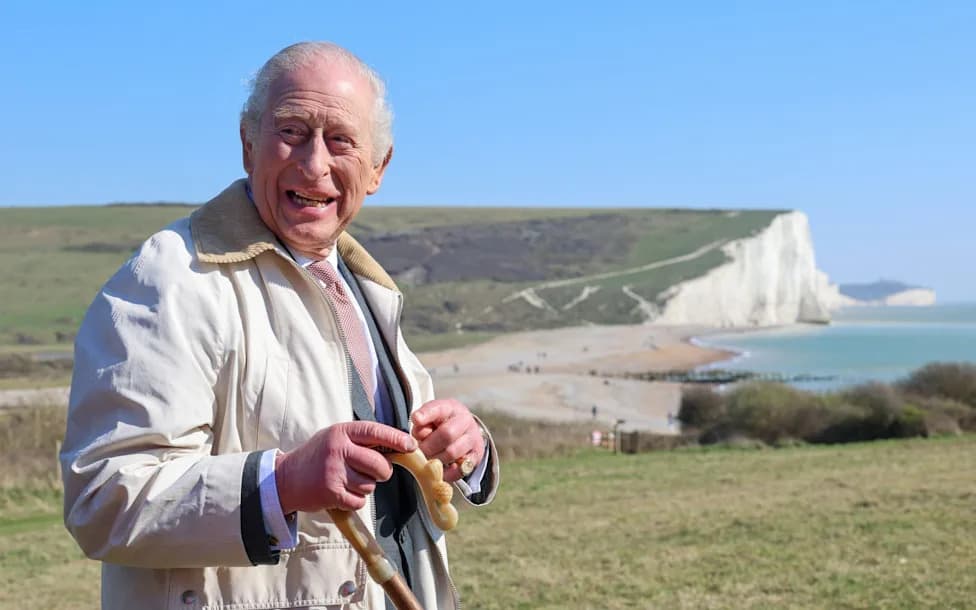
Chyngton Field acts as a gateway to the Seven Sisters chalk cliffs and the King Charles III England Coast Path - Chris Jackson/Getty Images
Chyngton Field, a 2.7-acre parcel of grassland on the eastern edge of the South Downs National Park near Seaford, has become the focus of a heated local dispute after Lewes District Council proposed releasing the site for up to 30 new homes.
The field preserves the last surviving fragments of a First World War training camp for Lord Kitchener's Third New Army, where more than 200,000 volunteers trained before being sent to the front. It also forms a gateway to the dramatic Seven Sisters chalk cliffs and marks the start of the King Charles III England Coast Path.
Local Backlash
The proposal has prompted widespread opposition: more than 3,700 people have signed a petition and objections have been lodged by the National Trust, the Campaign to Protect Rural England (CPRE) and Seaford Town Council. Campaigners say the site is valued for its heritage, wildlife and unspoilt countryside.
Maria Tomalova of CPRE described the plan as 'wholly inappropriate' given that the site 'sits within the rolling landscape of the South Downs National Park.'
Political Context
Locally and nationally, the row has been framed as a test of Labour's housing and devolution agenda. Lewes was originally set a mandatory housing target of roughly 15,000 homes; that figure has since been reduced to 8,570 after the council said it could not find enough land. The dispute has been linked to broader efforts to devolve housing and regeneration powers to local leaders under plans associated with Andy Burnham, while Angela Rayner serves as Housing Secretary in Whitehall.
Critics argue mandatory targets put undue pressure on councils, forcing them to consider contentious sites. James MacCleary, the Liberal Democrat MP for Lewes, said residents were hit by 'a bolt from the blue' when they learned the council had put the field forward for housing. Zoe Nicholson, Green leader on Lewes District Council, called aspects of the process 'a cynical Westminster exercise in political theatre.'

The Seven Sisters cliffs on the coastline of East Sussex. There are concerns about the housing plan impacting nature - coldsnowstorm/E+
Heritage, Wildlife and Services
Local campaigners fear the development would harm the site's historic value and local ecology. Jackie Frost, who leads the Friends of Seaford Head campaign, said Chyngton Field's links to Kitchener's camp justify maximum protection: 'We need housing in Seaford, but we need affordable housing. It's the wrong housing in the wrong place.'
Concerns include badger setts on the field, the loss of a wildlife corridor into the National Park, and damage to a designated dark-skies area once street lighting arrives. Residents also warn that local GP surgeries, wastewater infrastructure, schools and public transport would face extra strain if new homes were built.
Council Response And Next Steps
A Lewes District Council spokesman said Chyngton Field had been 'subject to extensive consultation with residents' and that 'tens of thousands of people have shared their thoughts and opinions on the merits of different locations.' The spokesman added that evidence gathered would be used to demonstrate to a planning inspector that the council's assessment has been exhaustive. Another consultation is expected within the next two months before the district finalises its local plan.
Campaigners say they are prepared to challenge the plan before a planning inspector if they believe the local plan is not sound. A Ministry of Housing, Communities and Local Government spokesman said: 'For too long we have not built enough housing, which has put secure homes out of reach. To meet that challenge, we need local leaders in all areas to play their part and build the homes alongside the right infrastructure, while taking into account the views of the local community.'
What Happens Next?
The council will carry out another consultation ahead of finalising its housing plan. If disagreements persist, the matter could be considered by a planning inspector or become a wider test case for how centrally set housing targets interact with promises to devolve decision-making to local authorities.
Help us improve.