Britain’s party funding is increasingly concentrated in the hands of a few very rich donors. Reform UK received a record £9 million from Christopher Harborne in December 2025, and donations of £1 million+ rose from about 1% of private giving in 2015 to roughly 35% by 2024. Loopholes and rising campaign spending have amplified donor influence, prompting proposals — including donation caps, stronger "Know Your Donor" checks and a suspension of crypto donations — which are currently stalled amid parliamentary debate.
Mega-Donors and British Politics: How a Handful of Wealthy Backers Are Reshaping Democracy
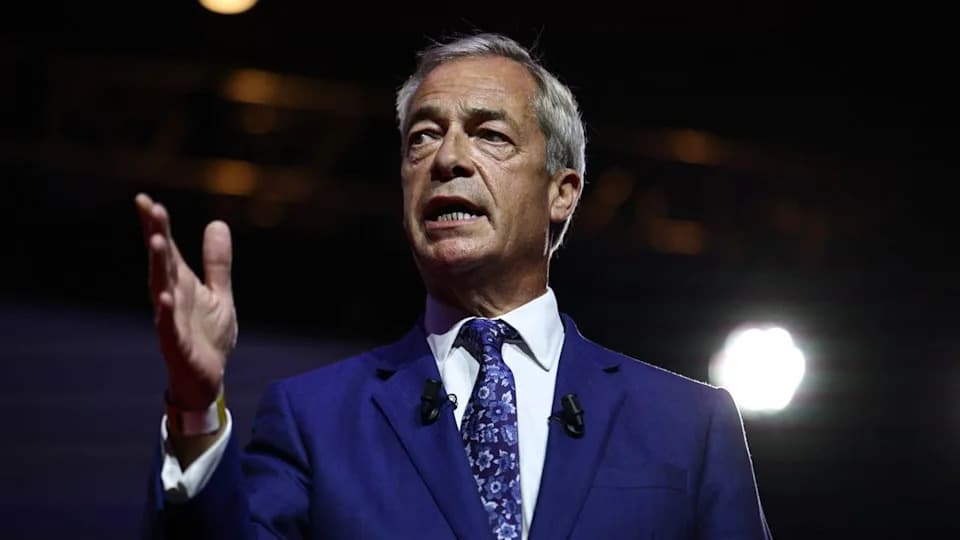
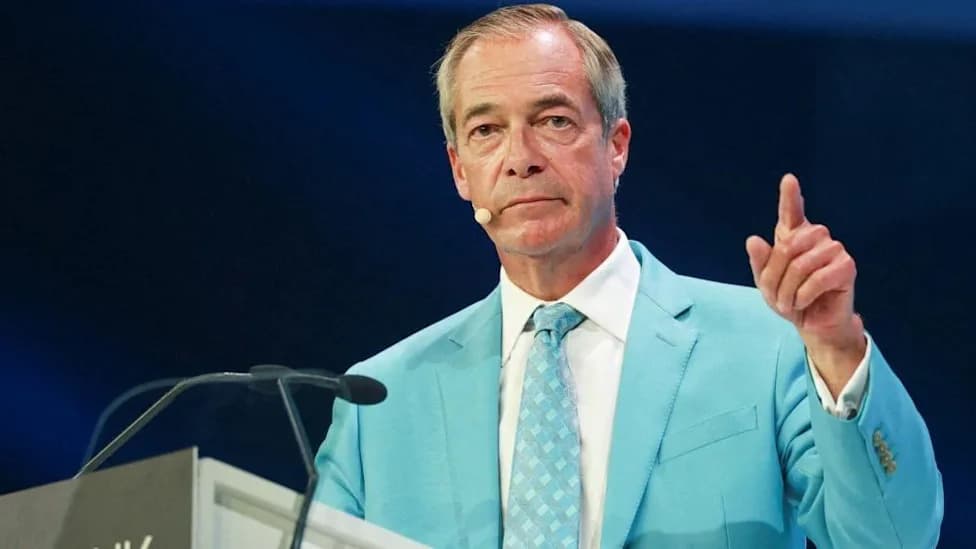
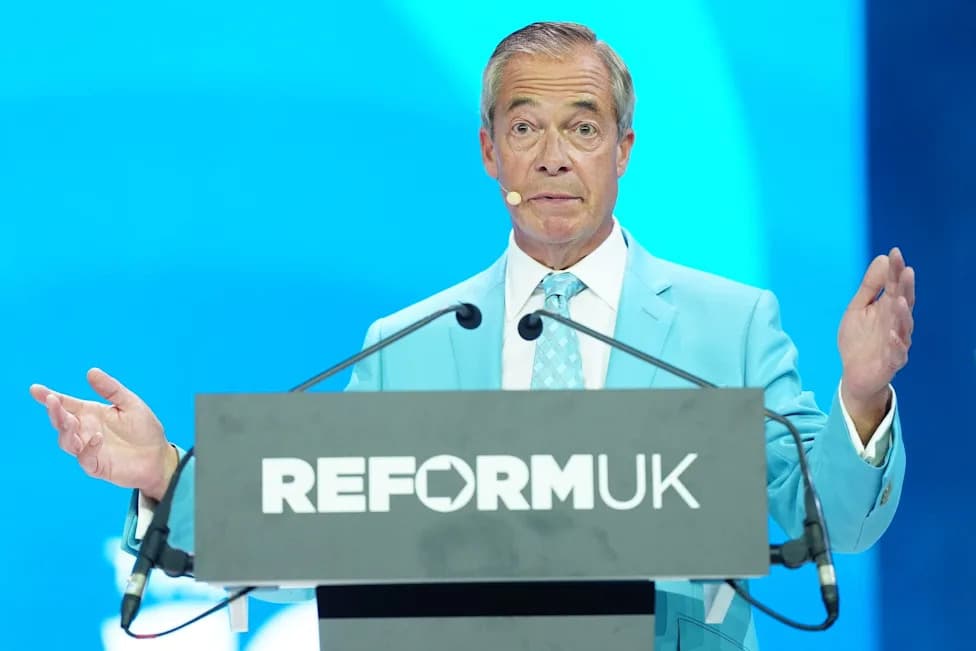
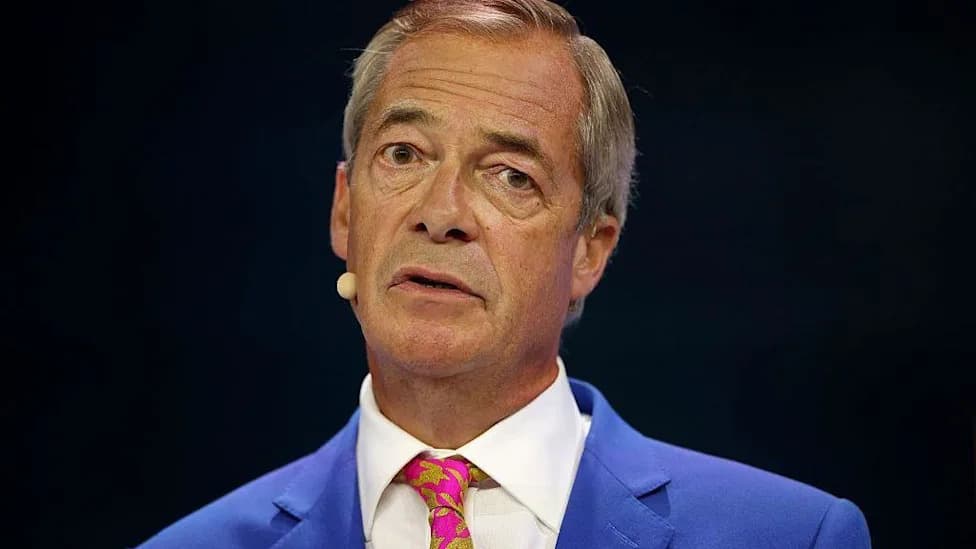
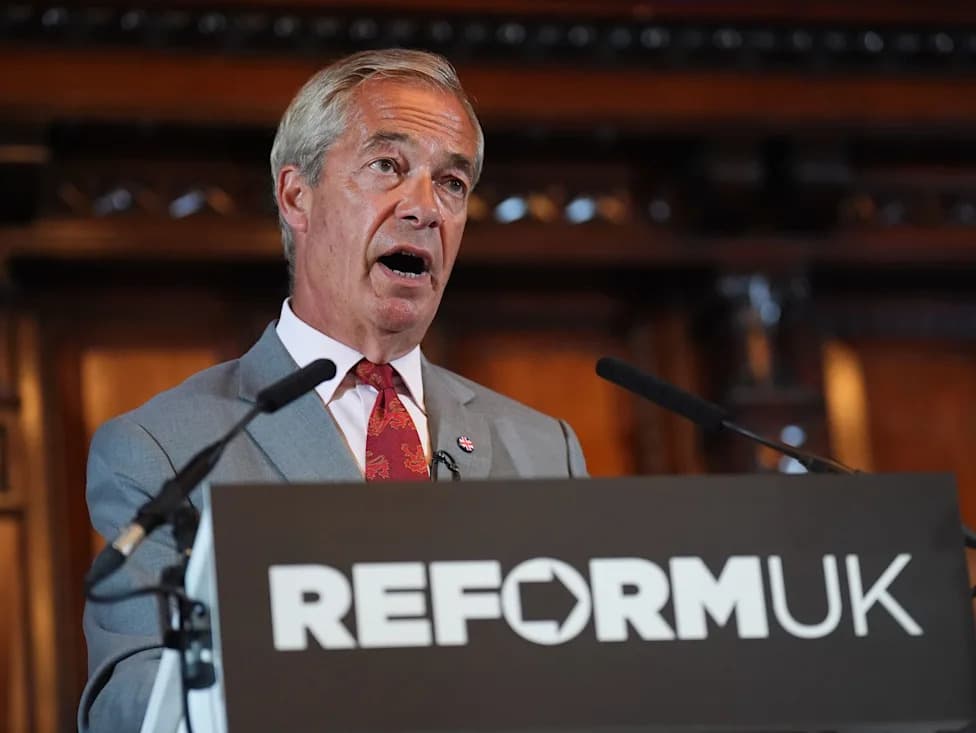
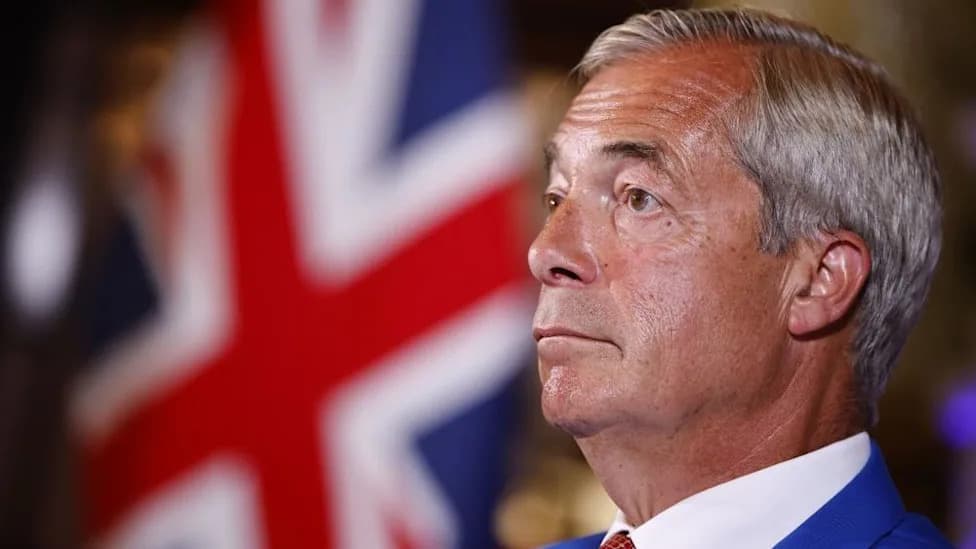
Farage received £5 million, said to be a personal gift, from Thai-based crypto investor Christopher Harborne. | Credit: Henry Nicholls / AFP / Getty Images
A shrinking number of ultra-wealthy donors now provide an outsized share of funding for Britain’s political parties, raising questions about influence, transparency and the resilience of the political system.
Concentration of Giving
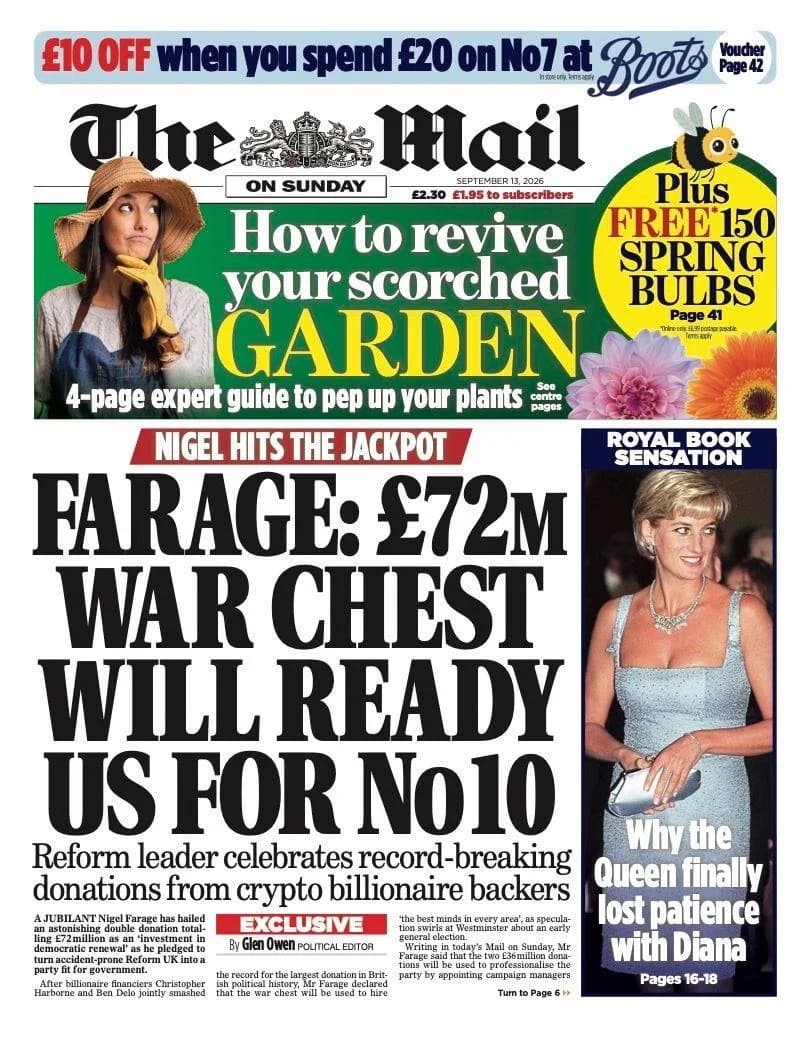
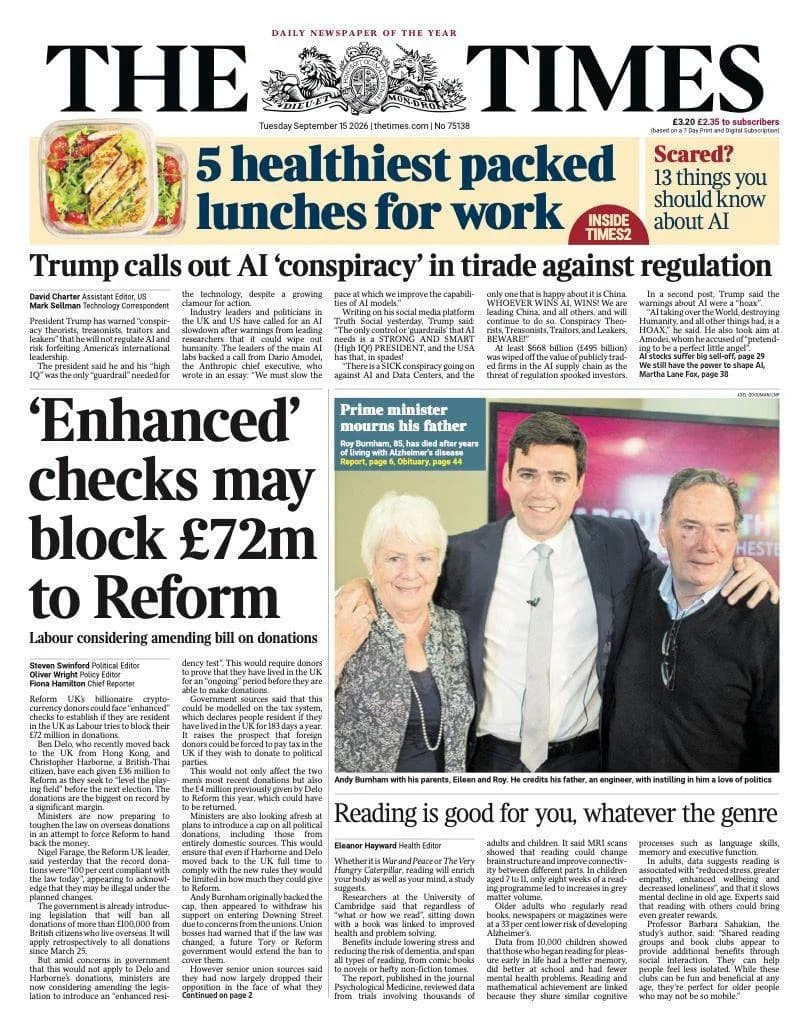
In December 2025 the Electoral Commission disclosed that Reform UK received £9 million from Thai-based crypto investor Christopher Harborne — the largest single donation by a living person to a UK political party on record. Harborne had earlier given a £5 million personal gift to Nigel Farage in 2024. Figures for the first quarter of 2026 show donations remain concentrated: parties reported just under £25 million in receipts — £9.9 million to Reform, £6 million to the Conservatives, £4 million to Labour and about £3 million to the Liberal Democrats. Of Reform's total, roughly £7 million came from Harborne and Ben Delo, the Hong Kong–based crypto exchange founder.
How Big Money Has Grown
High-value gifts have become much more important. Donations of £1 million or more accounted for around 1% of private political giving in 2015; by 2024 they made up roughly 35% of the total. Overall campaign spending has also climbed: parties together spent about £27 million at the 2001 general election and nearly £69 million at the 2024 election. The Conservative government’s 2023 decision to raise the electoral spending cap by around 80% contributed to that rise.
Rules, Loopholes and Permissibility
There is no general legal limit on how much a person or organisation may donate to a UK political party. Campaign spending limits are set for national and local contests — currently calculated at £54,010 per contested constituency and from £11,390 per local candidate — but donations only have a reporting threshold. Since 2000, gifts above a threshold must be declared to the Electoral Commission; that threshold is currently £11,180.
Loopholes persist. For example, Frank Hester and his company The Phoenix Partnership donated £15 million to the Conservatives ahead of the 2024 election but split payments into smaller amounts, reducing immediate scrutiny. Donors must be "permissible" — typically individuals on the electoral register (including overseas voters), UK-registered companies, unions or other bodies — but money can still be routed through UK subsidiaries or unincorporated associations to get around restrictions.
Influence and Risk
Money demonstrably affects political trajectories. Reform and its predecessor, the Brexit Party, are widely judged to have needed large donations to grow into a major force. Political scientists often describe donors as "ideologues" (driven by causes), "investors" (seeking policy or commercial benefit) or "intimates" (seeking access and prestige). As giving concentrates among a small group of very wealthy individuals — including many linked to crypto — critics warn that parties become more vulnerable to donor influence. Around two-thirds of Reform's funding comes from crypto entrepreneurs and the party has advocated a deregulatory agenda for the sector.
Transparency International UK has estimated that roughly £42 million donated to political parties since 2001 came from donors who were alleged or proven to be involved in fraud, corruption or money laundering.
International Comparisons
Other democracies limit donations. Australia caps individual donations at about AU$50,000 a year; Canada limits individual gifts to roughly CAD$1,750; France caps donations (around £7,500 equivalent) and combines limits with substantial state funding for parties — France spends far more per voter on party finance than the UK. By contrast, the United States has fewer practical donation limits after Supreme Court rulings, and that has coincided with much higher campaign costs and stronger influence by wealthy donors.
Proposed Reforms and Political Debate
Policy responses are under active discussion in the UK. Labour’s 2024 manifesto pledged to "protect democracy by strengthening the rules around donations." Philip Rycroft’s independent review into foreign financial interference recommended an annual £100,000 cap on donations from British voters living abroad, a suspension of crypto-related donations and tighter "Know Your Donor" (KYD) checks. In March 2026, aspects of that review were incorporated as amendments to the Representation of the People Bill.
Progress stalled after backbench amendments sought to limit domestic donations. Labour MP Stella Creasy proposed a universal annual cap of £100,000 on individual donations — a change that would remove an estimated ~85% of Reform’s current funding. The proposal prompted objections from Reform and from trade unions, who feared limits on block donations to Labour. The delay gives the government time to reshape the legislation before returning it to the Commons.
Bottom line: Britain’s party finance model now relies heavily on large private gifts. Without greater transparency, tighter checks and possibly donation caps, critics warn that a shrinking group of mega-donors could exert disproportionate influence over public policy.
Help us improve.