Western licensing deals and Donald Trump’s pledge to provide Patriot blueprints have raised hopes that Ukraine could produce advanced air-defence and strike systems domestically. Experts caution that factories, trained staff and scarce components are needed before production can protect Ukrainians — a process likely to take years. Simpler systems such as the L119 howitzer and AASM Hammer are most likely to be produced first, while the PAC-3 Patriot still lacks a formal manufacturer licence. The outcome will depend on sustained Western commitment, secure supply chains and protection of dispersed production sites.
Why Trump’s Pledge Of Patriot Blueprints Won’t Protect Ukrainians This Year
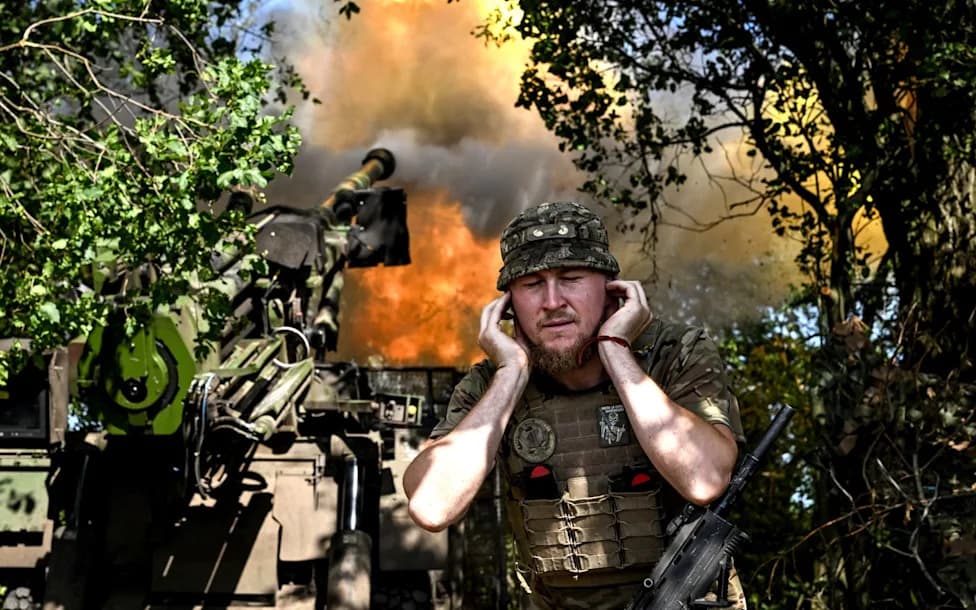
A soldier from the Ukrainian armed forces fires a Caesar self-propelled howitzer - Dmytro Smolienko/Ukrinform/NurPhoto via Getty Images
In a western Ukrainian workshop, engineers stand ready to assemble some of the most sophisticated weapons Kyiv has sought since Russia's full-scale invasion. The headline promise — access to American Patriot missile blueprints — has raised hopes that Ukraine might one day produce high-end air-defence interceptors at home. But experts warn that blueprints alone will not deliver immediate protection.
What Was Promised
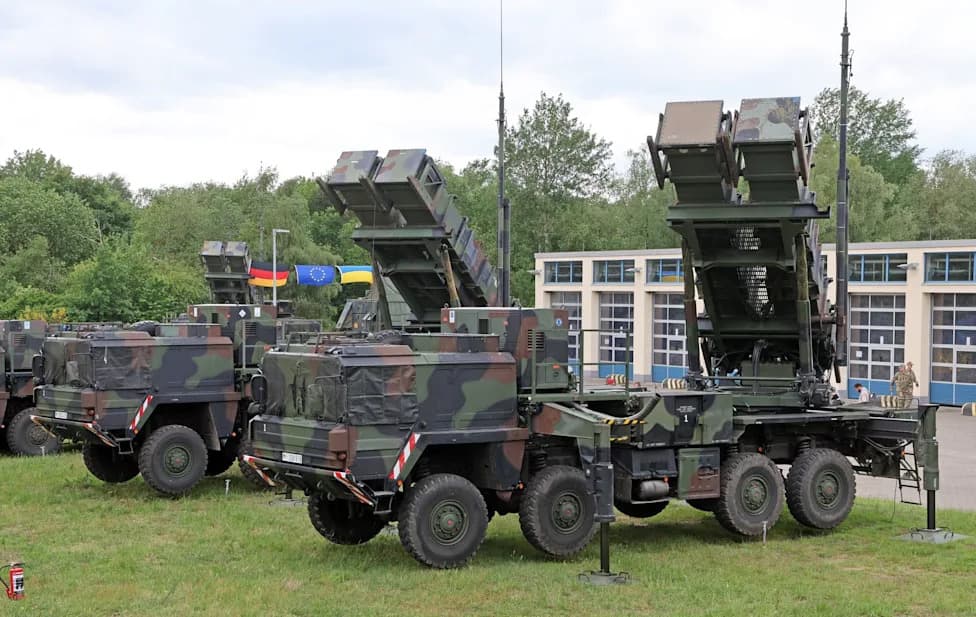
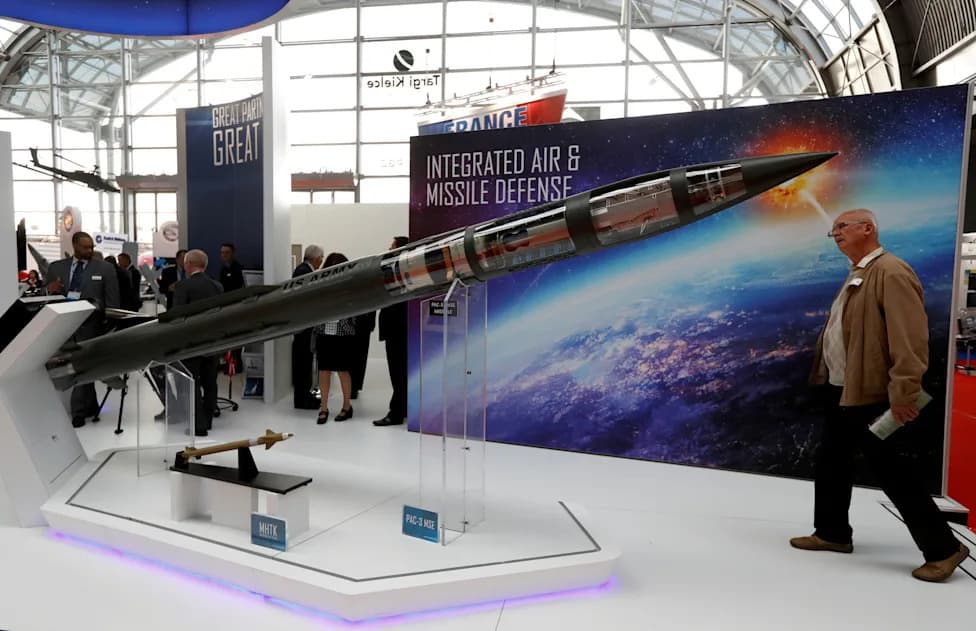
Former US President Donald Trump reportedly pledged to provide plans needed to produce the Patriot PAC-3 interceptor, while a recent wave of Western licensing agreements could open the door for Ukraine to assemble or build systems including Storm Shadow cruise missiles, Aster 30 interceptors, the AASM Hammer guided bomb and Western artillery such as the L119 howitzer.
Major Practical Obstacles
Turning licensing agreements and design drawings into battlefield-capable production is a long, expensive, and fragile process. Key challenges include:
- Time and infrastructure: Factories and production lines must be constructed, validated and certified.
- Skilled workforce: Technicians and engineers need training to meet quality and safety standards for high-end weapons.
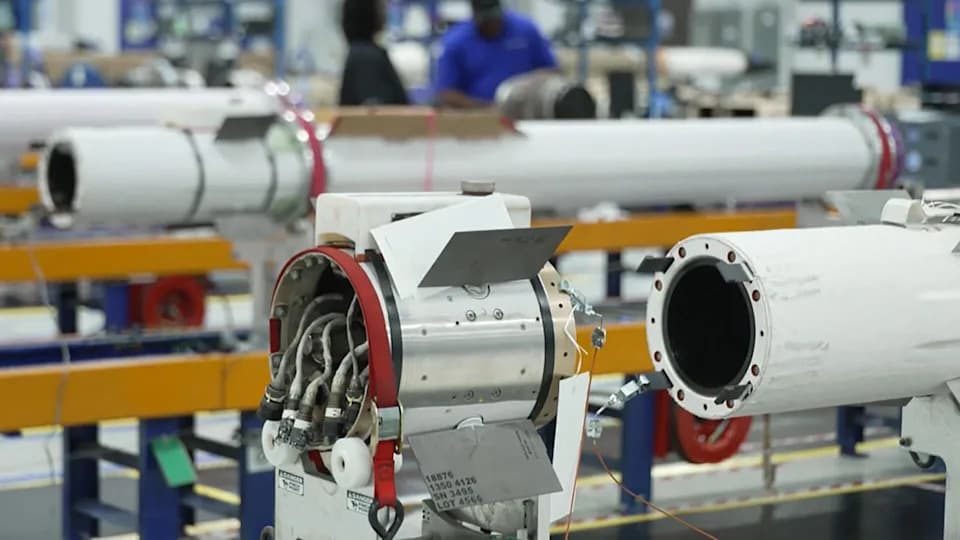
- Supply chains: Critical components—seeker heads, solid rocket motors, navigation systems, thermal imagers and turbojet engines—are scarce and often produced in limited volumes worldwide.
- Security risks: New production sites will be potential targets and must be dispersed and hardened to reduce the risk of disruption.
“Saying 'you can build this under license in Ukraine' is great news, but the kicker is: you then have to build the factory, set up the production line and train the staff,” said Dr Thomas Withington of RUSI.
Which Systems Could Come First
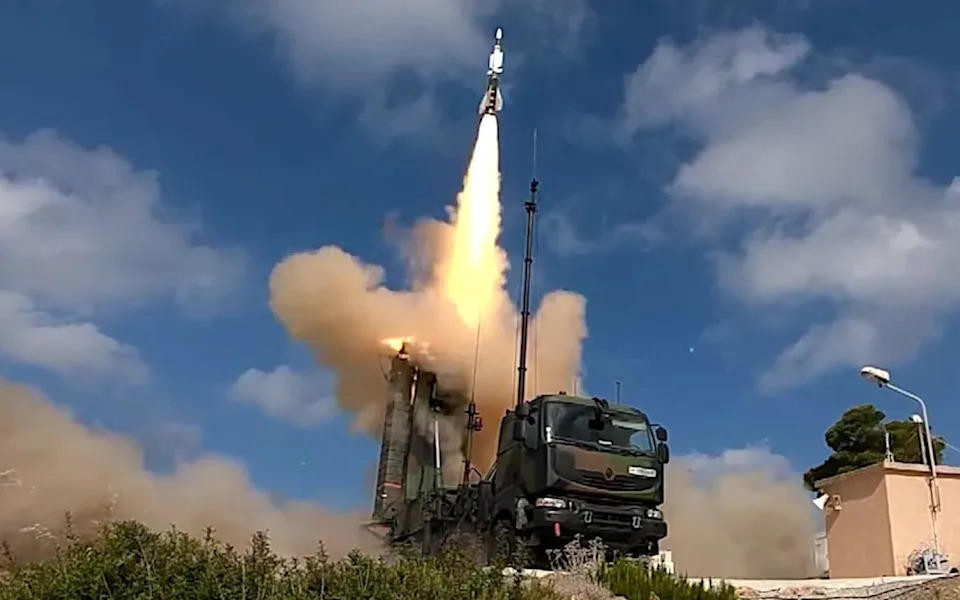
The AASM Hammer guided bomb and the British L119 howitzer are probably the easiest to produce locally because they contain fewer critical electronics and leverage existing British industrial ties. More complex systems such as Storm Shadow/SCALP cruise missiles and Aster 30 interceptors are covered by recent European deals but still require extensive technology transfer.
The Patriot PAC-3 interceptor remains the most consequential and the most complicated. While political statements have promised production rights, no formal, signed licence from manufacturers such as Lockheed Martin and RTX has been published, and the detailed transfer of sensitive subcomponents is unresolved.
Precedent And Timelines
Experience shows the transition from licensed assembly to local mass production can take years. For example, Raytheon’s licensed PAC-2 GEM production in Germany is now entering its third year and is only nearing production under far more stable conditions than those facing Ukraine. That suggests realistic timelines for a Ukrainian Patriot line may stretch well beyond this year.
Why Now — And What It Means
Western partners increasingly accept that the war will be protracted, prompting interest in shifting some production to Ukraine to free allied factories and give Kyiv industrial resilience. Ukraine also offers combat-tested experience that is valuable to partners. Still, the ultimate result depends less on Ukrainian ingenuity and more on sustained Western commitment, continued access to scarce components, and the ability to protect dispersed production networks.
Bottom Line
Licences and blueprints are an important first step, but they do not translate into immediate battlefield capability. In the near term, simpler munitions and artillery are realistic wins; Patriots and other advanced interceptors will require years of investment, secure supply chains, and enduring political and industrial support to become operationally useful.
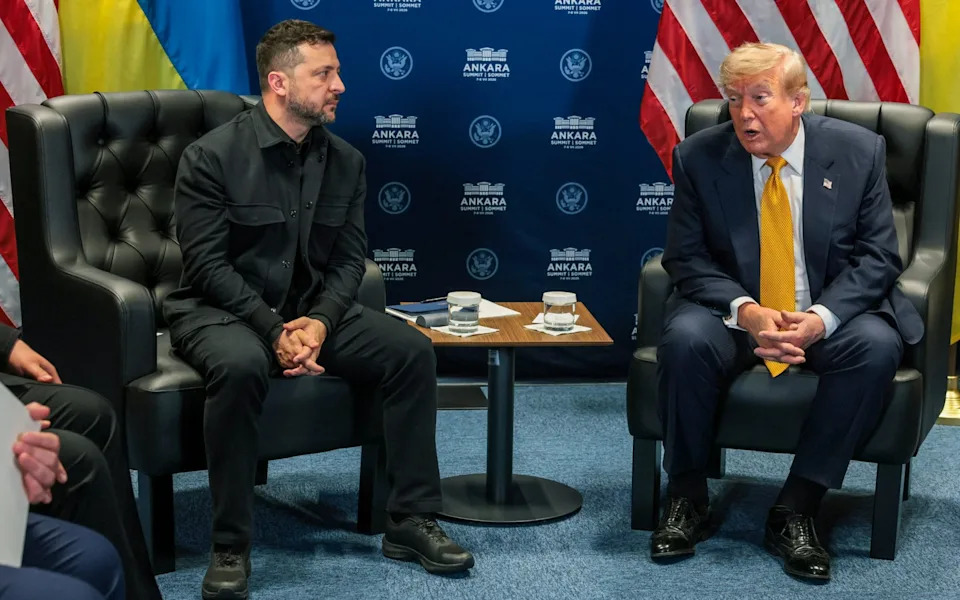
Donald Trump told Volodymyr Zelensky this month that he would hand over the blueprints needed to build the American Patriot missile - Jonathan Ernst/Reuters
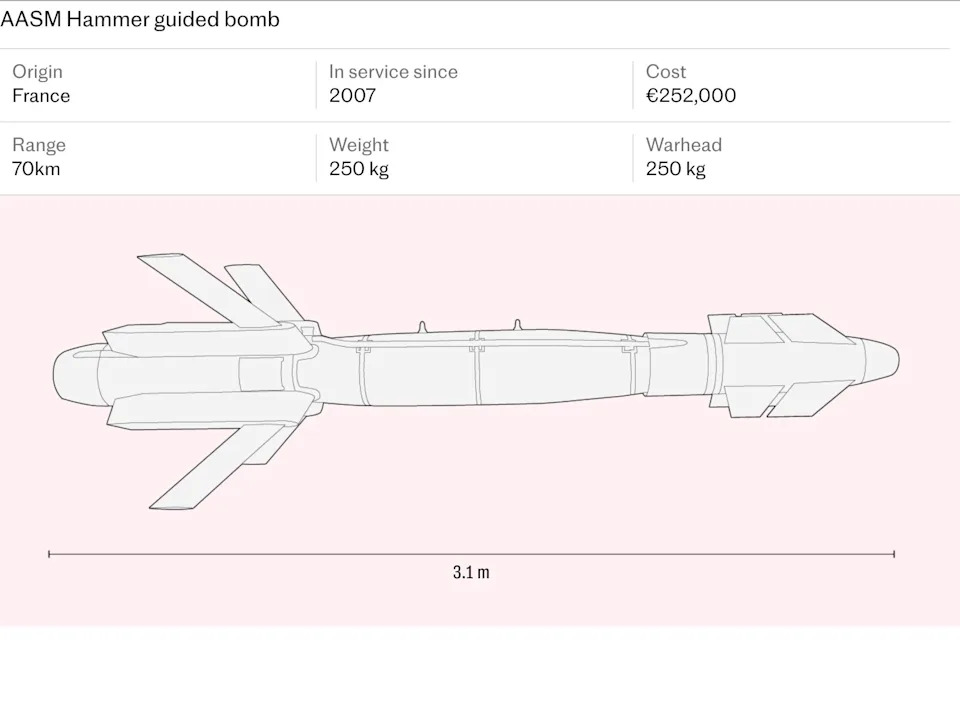
2507 AASM Hammer guided bomb
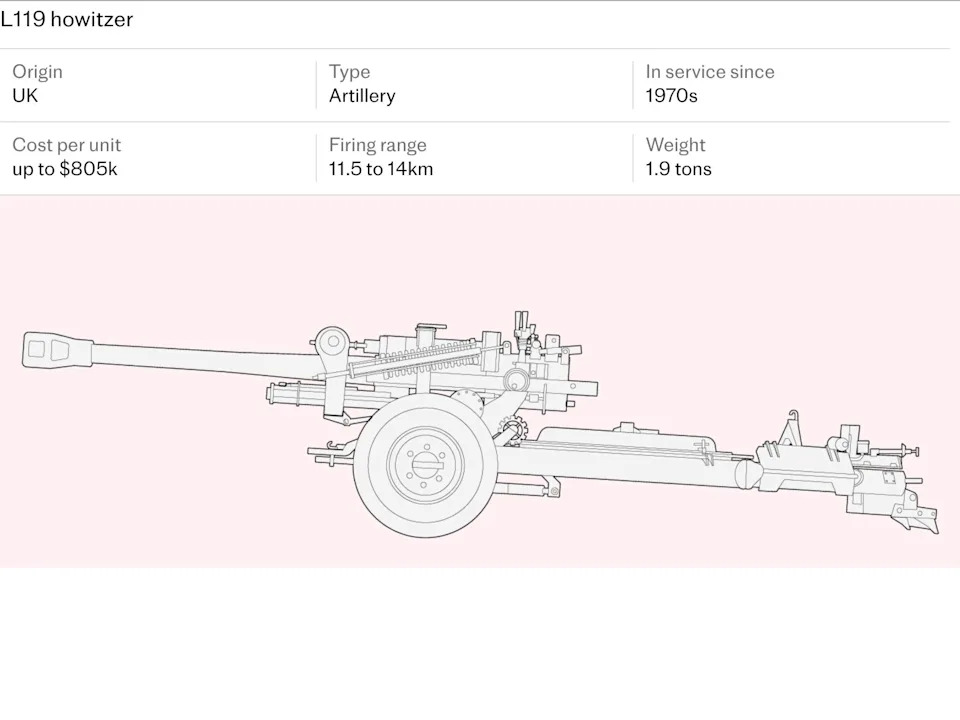
2507 L119 howitzer
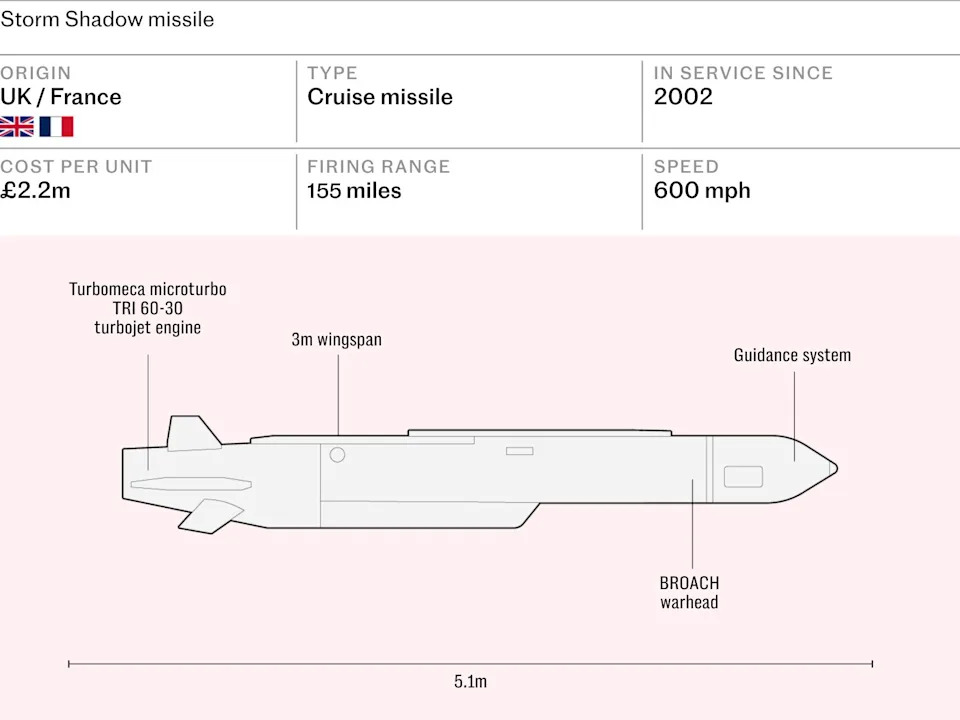
Storm Shadow cruise missile
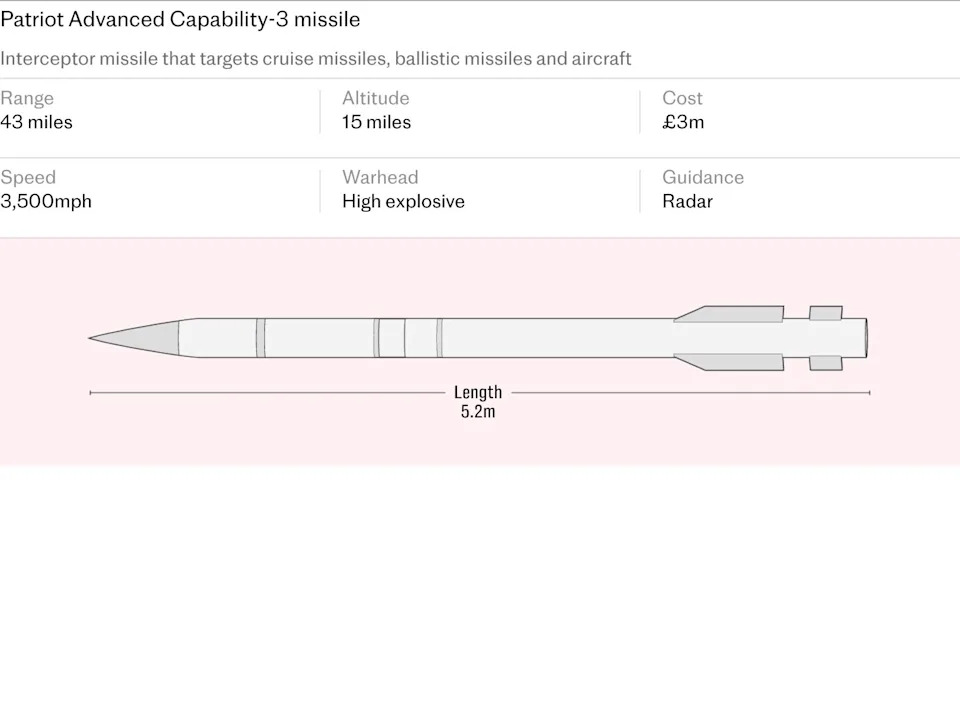
1505 Patriot interceptor missile
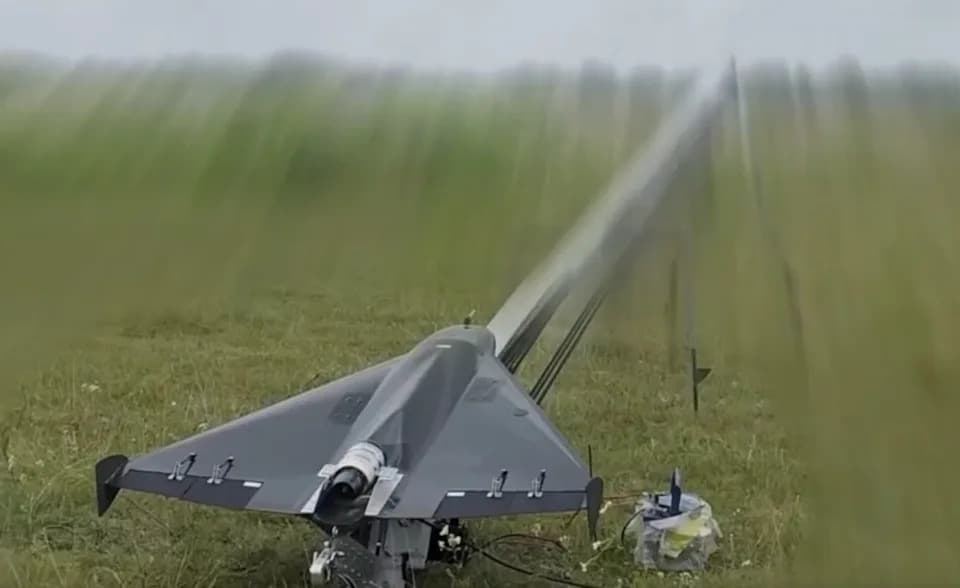
Ukraine has shown extraordinary resourcefulness and is already testing domestically developed ballistic missiles - Ministry of Armed Forces
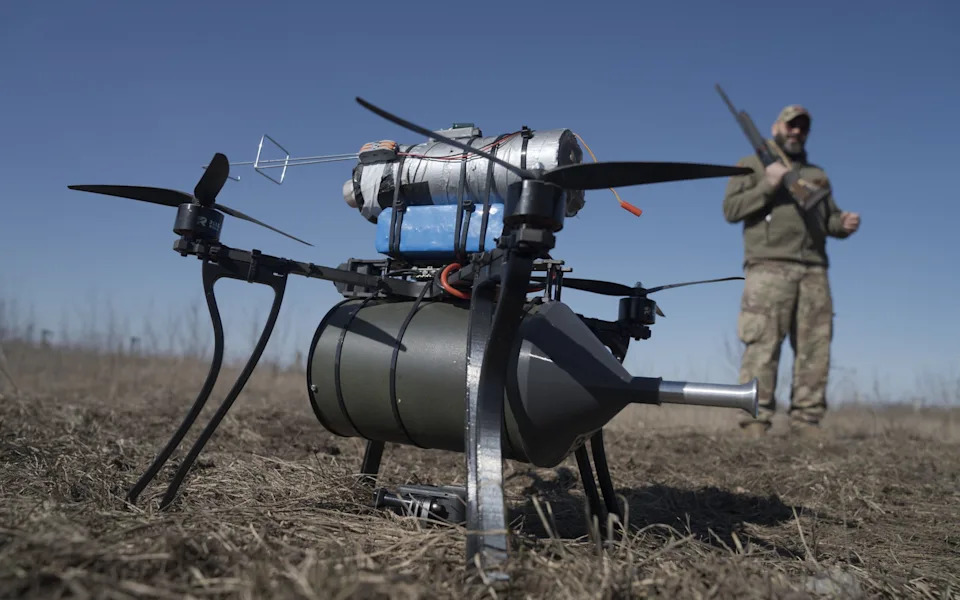
Soldiers from the 93rd Brigade's drone unit test fibre-optic drones before using them on the front line in Donetsk - Jose Colon/Anadolu via Getty Images
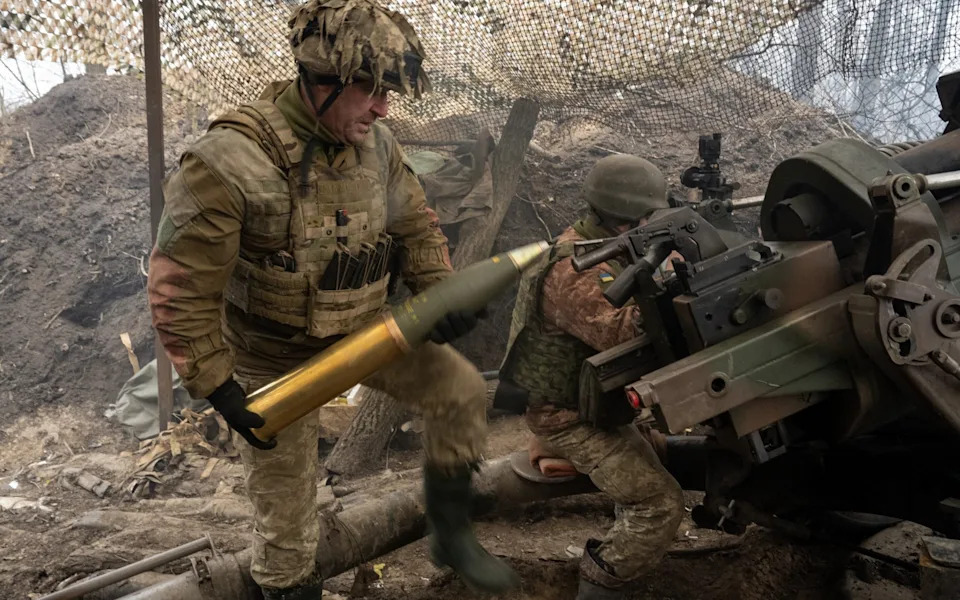
Having resisted Russian aggression for four years, Ukraine is considered a reliable prospective defence partner - Scott Peterson/Getty Images
Help us improve.