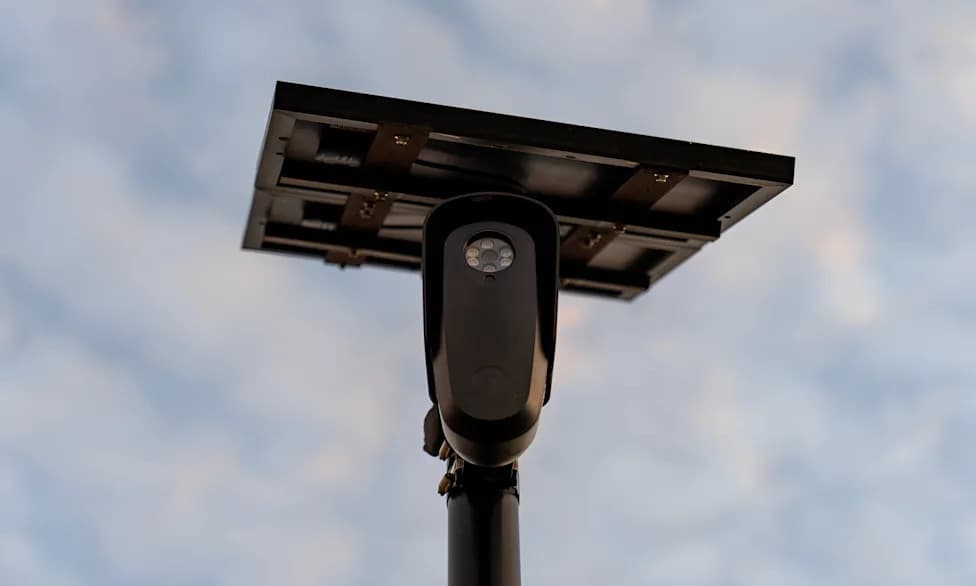
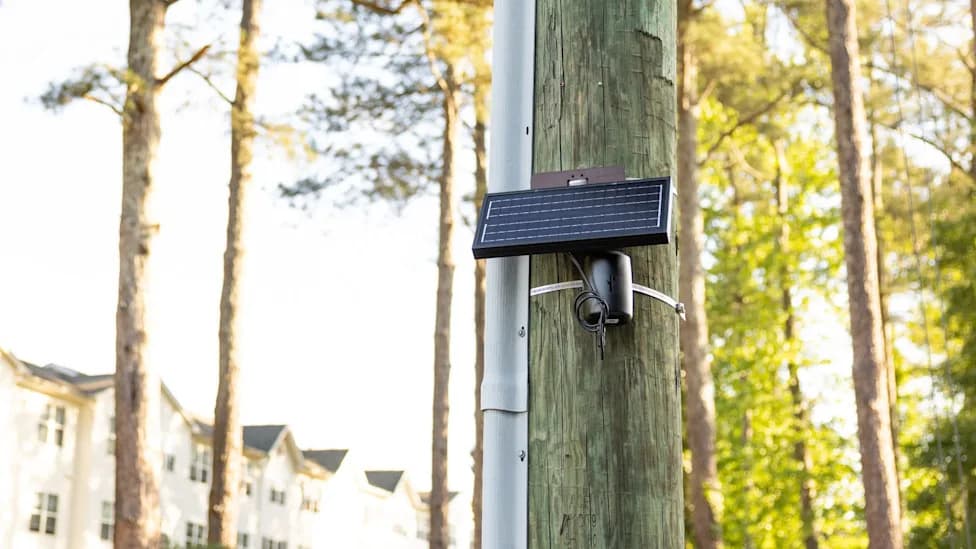
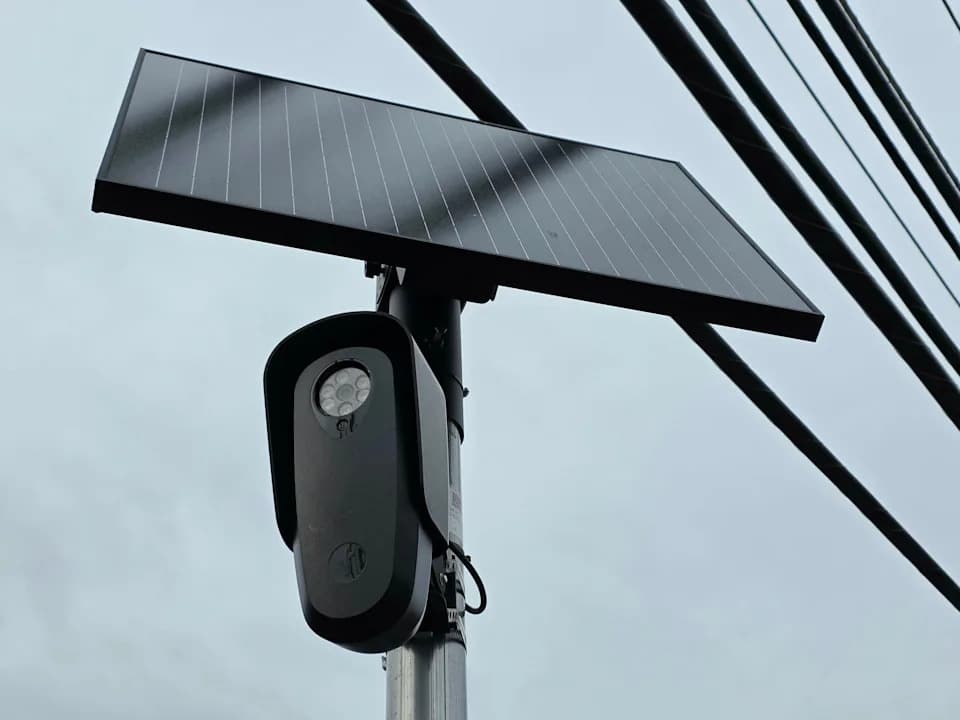
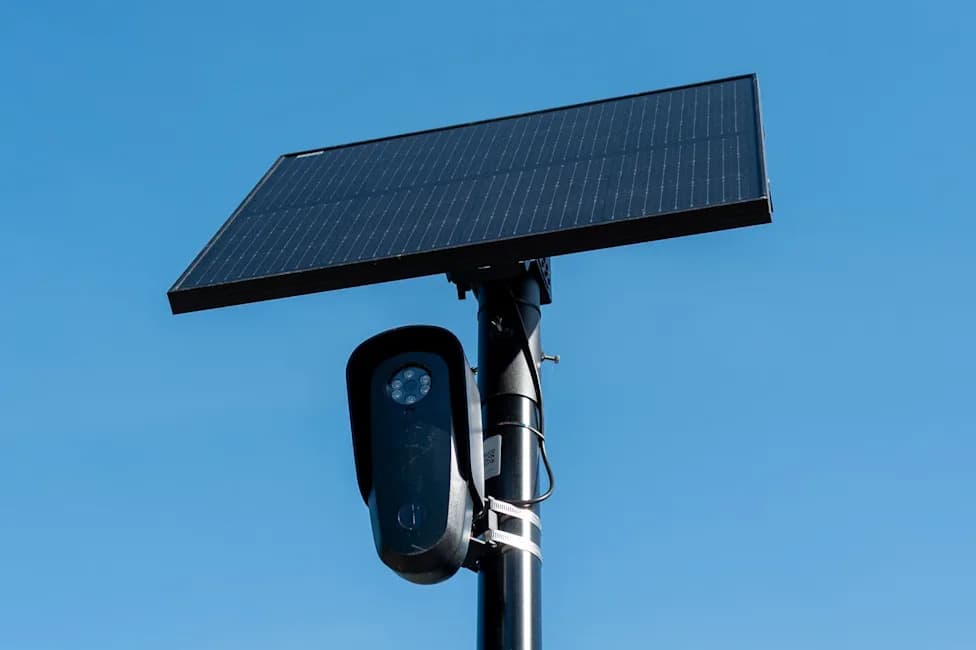
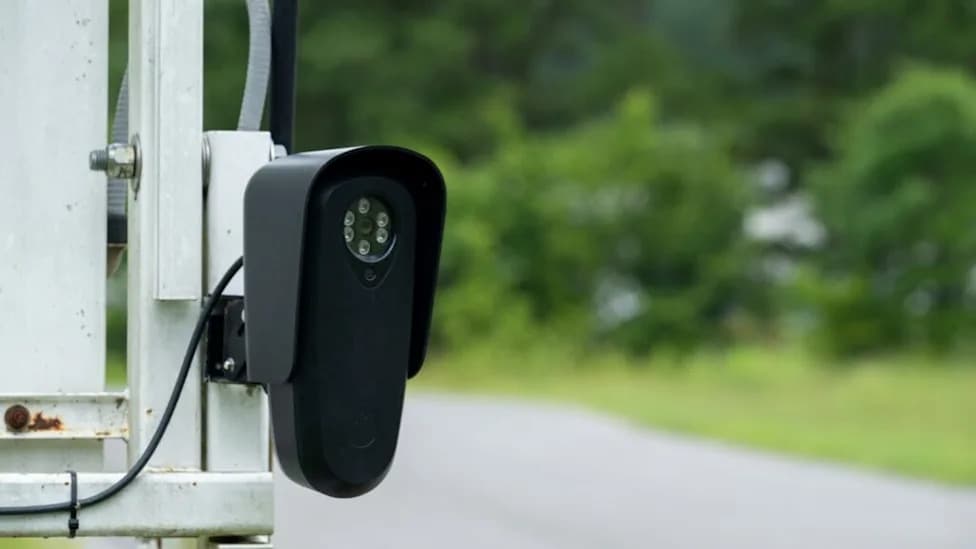
Automotive journalist Joel Feder says he and his wife were briefly detained in Plymouth, Minnesota, after Flock's license-plate network matched their loaner Land Rover to a stolen tag. The error stemmed from human data entry: a New Jersey plate printed as 34 10 DTM was entered elsewhere as 34 DTM, propagating into a national database. Feder argues the incident highlights the need for stronger safeguards, validation checks and two-way correction mechanisms between local agencies and national data feeds.
‘Are You Serious?’: Journalist Briefly Detained After Flock License-Plate Mix-Up, Calls For Better Safeguards
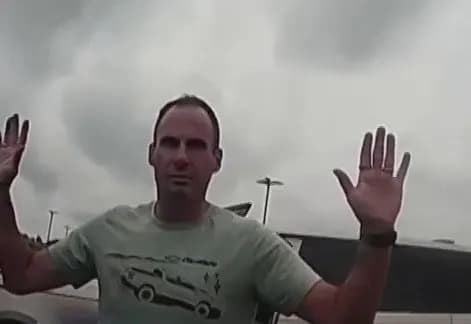
‘Are you serious?’: Cops pull over driver in Flock mix-up
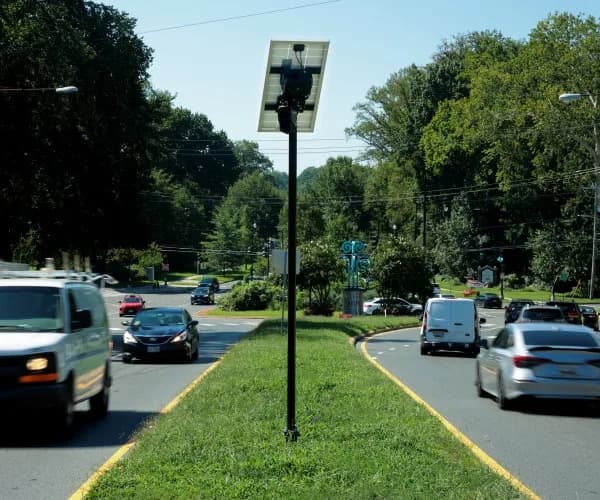
An automotive journalist says he and his wife were boxed in and briefly detained by police in Plymouth, Minnesota, after an alert from Flock's license-plate network matched their loaner vehicle to a reported stolen tag. Joel Feder, director of content and product at The Drive, calls the incident a cautionary example of how human error and one-way data flows can put drivers at risk.
What Happened
Feder told NewsNation that officers stopped him late last month because his Land Rover — a loaner he was evaluating — appeared to have plates reported stolen. Bodycam footage shows Feder incredulously asking officers, "Are you serious?" as the vehicle was boxed in.
How The Mix-Up Occurred
Investigators traced the problem to a data-entry mistake. The vehicle's New Jersey manufacturer plate read 34 10 DTM, with the "10" printed in smaller type. According to Feder, someone elsewhere entered the stolen tag as 34 DTM, omitting the smaller "10." That incorrect entry propagated into a national database used by Flock's private network of AI-driven license-plate readers.
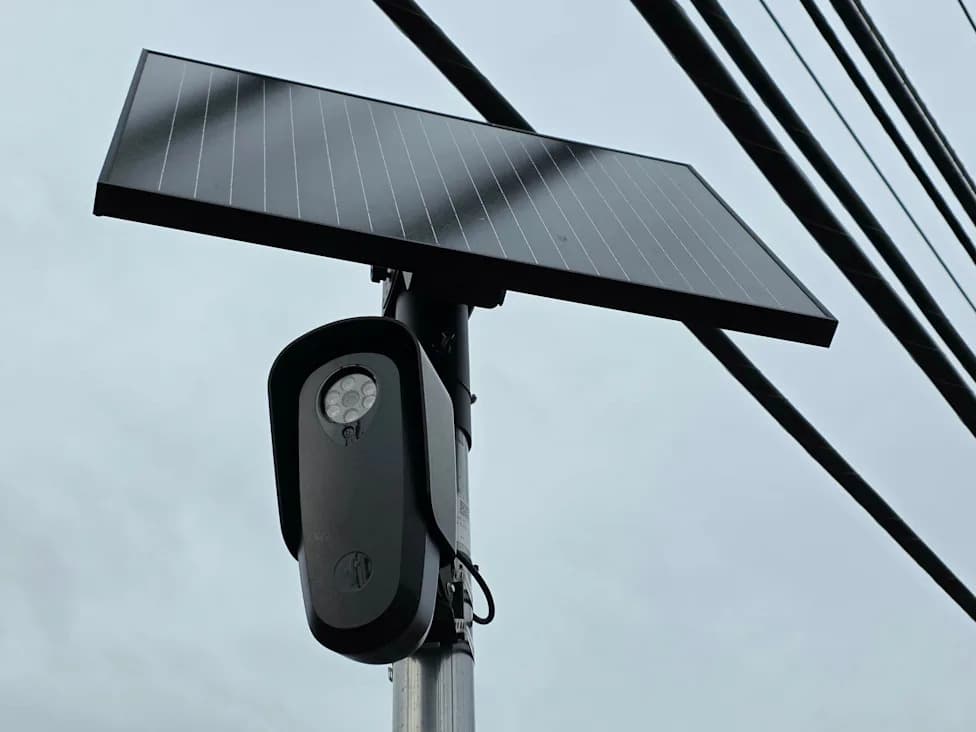
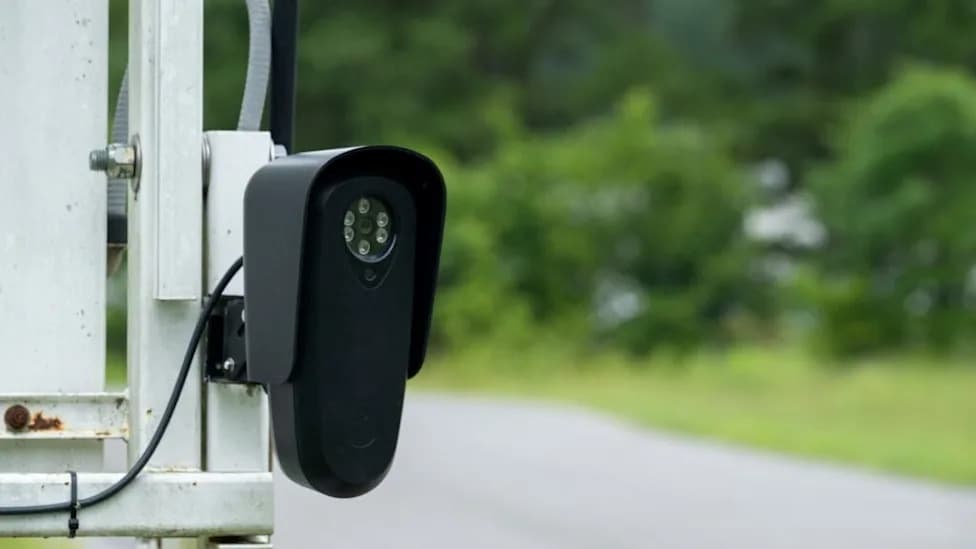
Feder says Flock's cameras did not misread his plates — the error came from the database entry. When he raised the issue with the company, he was told it reflected "current system limitations of what the police are asking for," Feder said.
Systemic Concerns
Feder warned that once an error exists in the national feed, local police departments like Plymouth reportedly cannot push corrections back to regional or national systems, creating what he calls a "one-way pipe." That limits the ability to prevent repeat false alerts elsewhere.
He also cited Flock's own scale figures: the company says it reads about 20 billion plates a month and reports approximately 99% accuracy. Feder observed that even a 1% error rate against a large volume can be significant — a rough calculation he cited suggests many potential misreads — and uses the example to press for improved safeguards and validation at data-entry points.
"They need better guardrails," Feder told NewsNation Prime.
What Experts And Communities Are Asking For
Privacy advocates, journalists and some police departments have been debating Flock's growing role in public safety — balancing faster crime-fighting tools against privacy and accuracy concerns. This incident underscores calls for:
- Improved validation and human-error checks when data is entered into national registries.
- Two-way correction mechanisms so local agencies can quickly fix false or outdated entries.
- Transparent accuracy reporting and independent audits to verify vendor claims at scale.
Feder's experience is a reminder that as law enforcement increasingly relies on private, AI-powered surveillance tools, the systems and processes around data quality and correction must keep pace to avoid unnecessary stops and potential harms.
Help us improve.