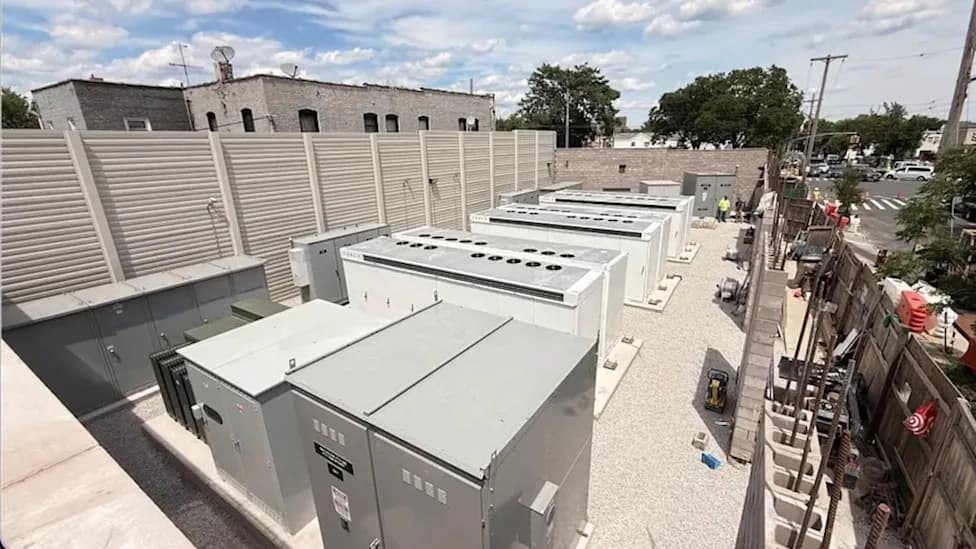
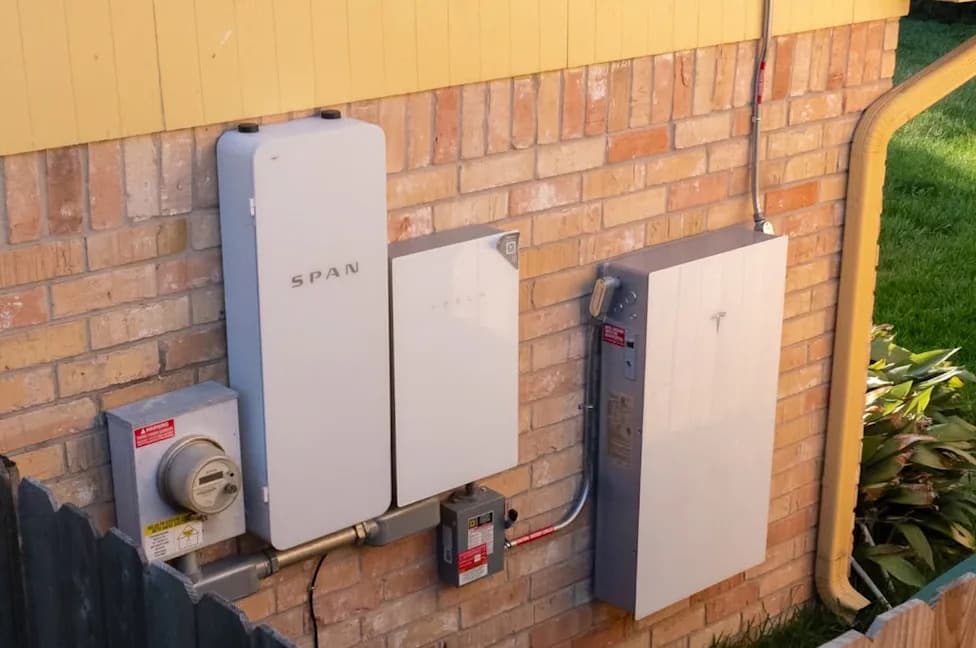
Government advisers have warned that the rapid deployment of battery storage in the UK could paradoxically threaten grid stability if many operators try to recharge simultaneously after a capacity market notice. The Panel of Technical Experts told Energy Secretary Miatta Fahnbulleh that coordinated pre-charging might trigger a "fast descent into a stress event." The UK has about 7 GW of battery capacity today, expected to exceed 20 GW by 2030, offering fast response benefits but adding system costs that can affect household bills.
UK Battery Boom Could Overwhelm Power Grid If Operators Charge Together, Experts Warn
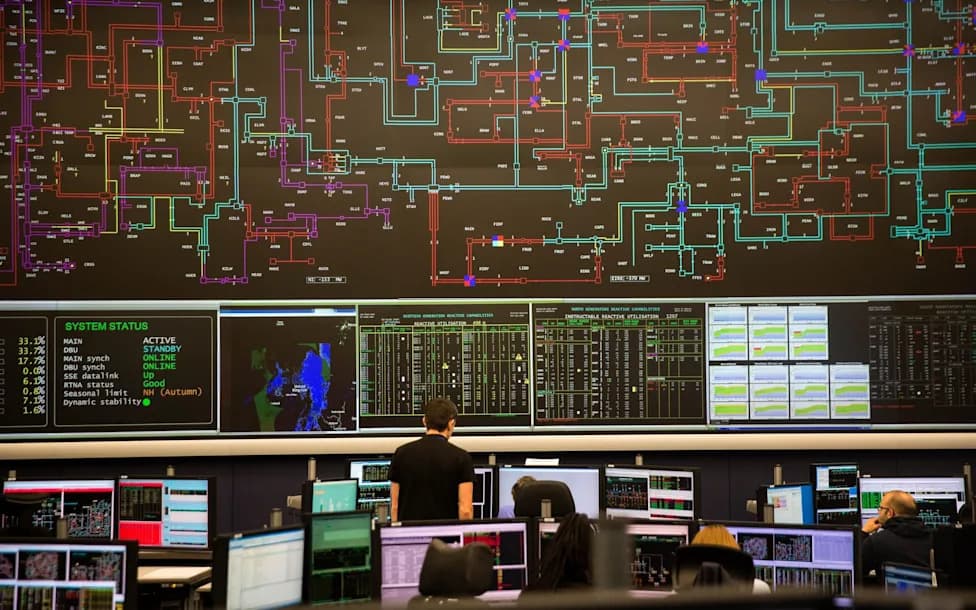
Controllers monitor the country's electricity output and usage data in Wokingham, Berkshire - Simon Dawson/Bloomberg
Government technical advisers have warned that the rapid expansion of battery energy storage across the UK's power network could itself create a new risk: if many operators attempt to recharge at the same time in response to an urgent market notice, the resulting surge in demand could stress or even destabilise the grid.
The Panel of Technical Experts delivered a report to Energy Secretary Miatta Fahnbulleh highlighting that, under a capacity market notice, battery owners may have an incentive to charge in advance to meet obligations. The panel warned this behaviour "may result in a fast descent into a stress event." Capacity market notices are issued by the National Energy System Operator (Neso) when a shortfall is forecast—for example, during prolonged periods of low wind.
Why Batteries Can Create A New Challenge
Historically, capacity market notices have told gas-fired plants—paid to remain on standby—to ramp up and prepare to generate. Recently, large battery systems have begun to participate in the same market. Unlike thermal plants, batteries must be charged in advance to provide firm support, so coordinated charging by many operators could generate an unexpected spike in demand.
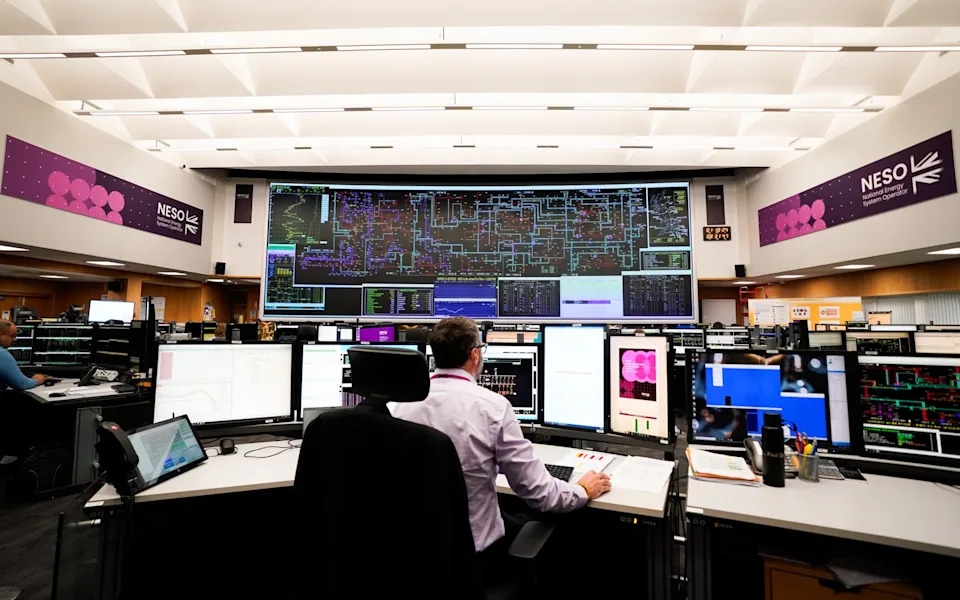
The National Energy System Operator alerts companies providing alternative sources of power when wind cannot deliver enough - Andrew Matthews/PA Wire
"Some thought needs to be given to the way battery energy storage systems are likely to behave in a capacity market notice situation," the report says. "This may result in a fast descent into a stress event."
The UK currently has about 7 GW of grid-connected battery capacity—roughly the combined output of the nation's five nuclear power stations—and capacity is projected to exceed 20 GW by 2030. Batteries are valuable because they respond quickly to rapid swings in supply and demand, helping to smooth intermittent generation from wind and solar.
Costs, Trade-Offs And Industry Views
Industry commenters offered contrasting perspectives. Chris Bowden, CEO of SQE Energy, said batteries provide a clear operational benefit because of their fast response time. By contrast, Kathryn Porter of consultancy Watt Logic cautioned that batteries and the additional grid infrastructure they require are expensive and that those costs ultimately feed into household energy bills.
A spokesperson for the Department for Energy Security and Net Zero said: "Our capacity market ensures security of supply while providing value for money for consumers. We've cut VAT on electricity to give families breathing space and our focus is working to bring bills down for good."
Technical measures and market design changes—such as staggered charging signals, clearer guidance around capacity market behaviour, or coordination mechanisms managed by Neso—could reduce the risk of simultaneous charging events. The panel’s warning underlines the importance of adapting system operations and market rules as the grid evolves.
Help us improve.