President Vladimir Putin warned students that leadership in artificial intelligence could translate into global dominance, making the technology a matter of national security. His remarks followed publication of the transformer paper by Google researchers, which underpins modern AI systems. The article notes AI's dual-use nature—commercial promise and military risk—and references concerns from figures like Elon Musk and the visible role of autonomous systems in conflicts such as the 2022 invasion of Ukraine. The United States and China are both racing to define national AI strategies, and the US has begun restricting distribution of some powerful models on safety grounds.
Putin: "Whoever Leads in AI Will Become the Ruler" — What That Means for Global Power
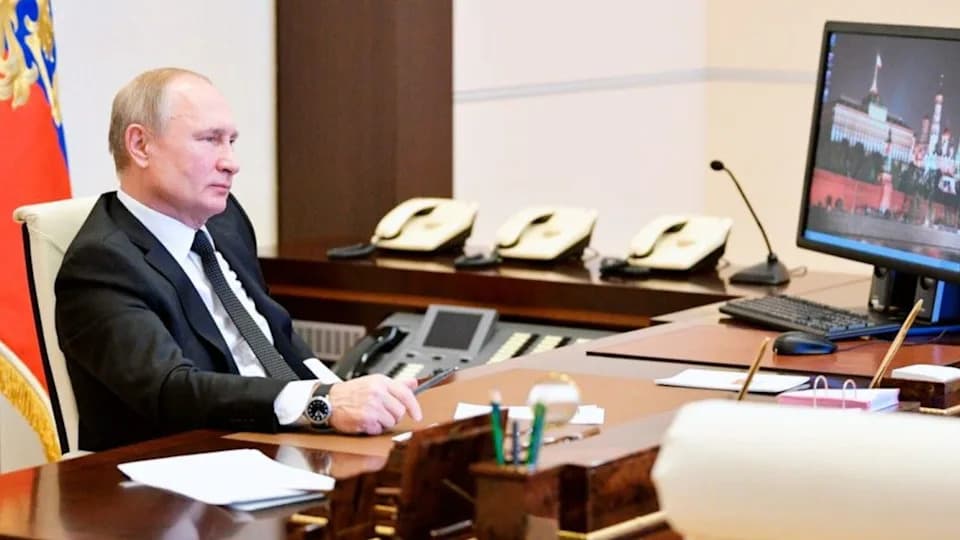
Credit: Open Media
The global expansion of artificial intelligence has drawn intense interest not only from major technology companies but from national governments—most notably the United States, China and Russia. As AI progresses from experimental research to widespread deployment, leaders increasingly frame it as a strategic capability with both commercial and military implications.
Speaking to Russian students shortly after Google researchers published the seminal paper introducing the transformer architecture that underpins modern AI, President Vladimir Putin emphasized the geopolitical stakes. He warned bluntly:
"Whoever becomes the leader in this sphere will become the ruler..."
Putin offered his comment in the context of national security and global power dynamics, reflecting a broader view among policymakers that AI will be central to future economic strength and military capability. He balanced that view by acknowledging AI's dual-use nature—its potential to deliver major benefits as well as serious risks if misused or if systems behave unpredictably.
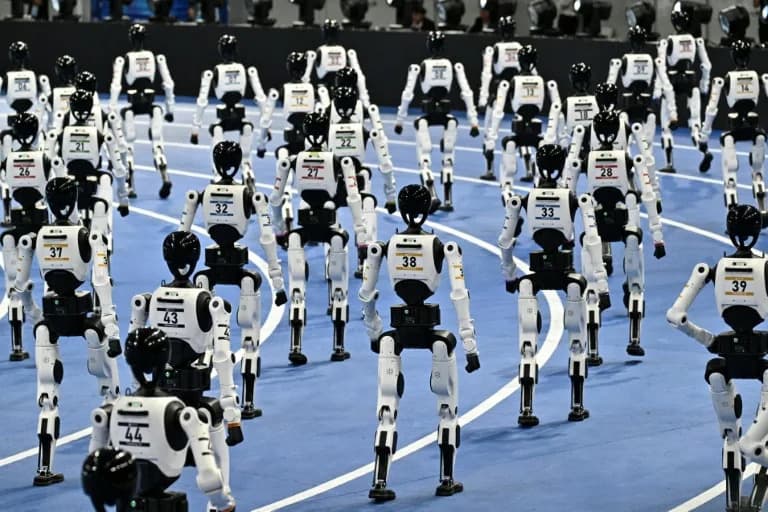
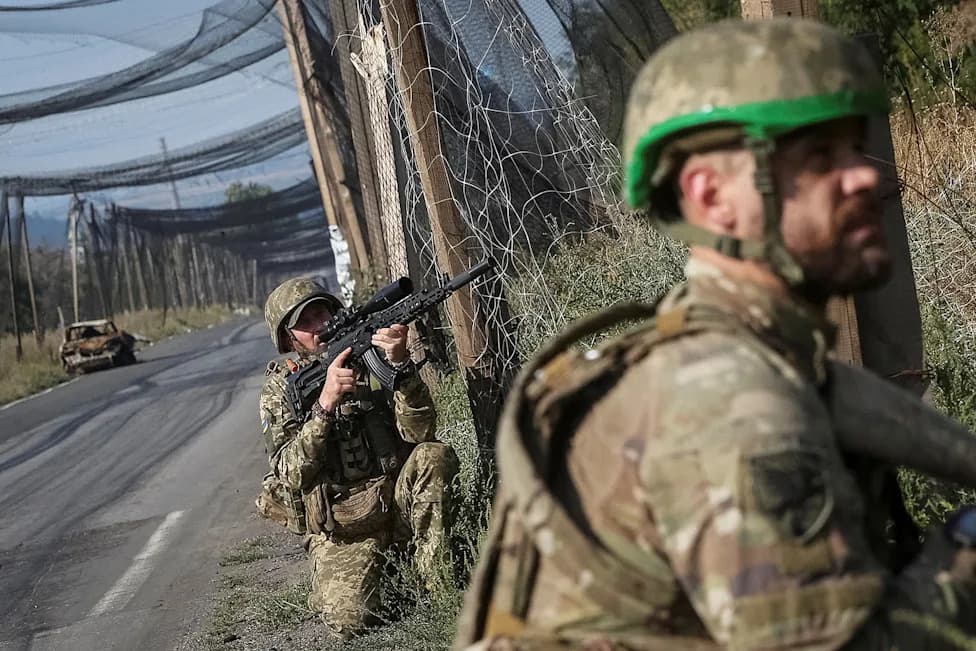
High-profile technology figures have voiced similar concerns. For example, Elon Musk has warned that unchecked AI development could pose catastrophic risks, even suggesting the prospect of large-scale conflict. Meanwhile, the practical role of autonomous systems in modern warfare has become more visible in recent years, including during Russia's 2022 invasion of Ukraine and the subsequent fighting.
At the state level, both the United States and China are defining national AI strategies and investing heavily to secure advantages while maintaining international trade and economic ties. The United States has also begun imposing export and distribution limits on certain models—citing safety and security concerns for systems considered too powerful for unrestricted release (for example, restrictions placed on some builds such as Mythos).
Although rapid progress is changing the strategic landscape, no single country yet holds uncontested dominance in AI. The balance of capabilities, policy choices, and international cooperation will shape whether AI becomes a tool for shared benefit or a new axis of geopolitical rivalry.
Credit: Open Media. This piece is part of TechRadar Pro's QOTD (Quote of the Day) series, highlighting notable statements from leading figures in technology and politics.
Help us improve.