DeKalb County approved a nearly $19 million, ten‑year sole‑source contract with Flock Group Inc. to expand a networked license‑plate surveillance program called "Digital Shield," promising transparency and ethical safeguards. Less than a year later, internal audit logs led to the firing and arrest of Sgt. Kabiru Salawu on a felony charge for allegedly running non‑official searches. Flock's new AI audit feature has flagged similar misuse elsewhere even as the company has redacted officer names and plate numbers from public logs, creating a trade‑off between detection and public visibility.
DeKalb’s $18.9M No‑Bid Flock Deal Yields First Felony Case After Audit Flags Misuse
DeKalb County's $18.9 Million No-Bid Flock Camera Deal Just Produced Its First Felony Case
DeKalb County, Georgia moved swiftly to expand automated license‑plate surveillance: commissioners unanimously approved a ten‑year, sole‑source extension for a proprietary system in a single vote and unveiled the program as "Digital Shield," promising transparency and ethical safeguards. Less than a year later, those promises were put to the test when internal audit logs produced a felony charge against a long‑time deputy accused of running non‑official queries.
Contract And Rollout
On September 23, 2025, DeKalb's Board of Commissioners approved Change Order No. 1 to Contract No. 2000081, a multiyear, sole‑source master services agreement with Flock Group Inc. County records list the deal as not to exceed $18,969,939 and describe funding for ten years of additional license‑plate reader cameras, AI‑enabled drone first responders, mobile security trailers, more surveillance cameras and a service called Flock 911—each feeding into the county's new Real‑Time Crime Center. CEO Lorraine Cochran Johnson formally introduced the initiative on October 1 as a transformational public‑safety tool; county statements pledged safeguards intended to protect transparency, accountability and ethical data use. Notably, DeKalb did not pursue a competitive bidding process, a decision that meant no other vendor could underbid the nearly $19 million contract.
How Flock’s System Works
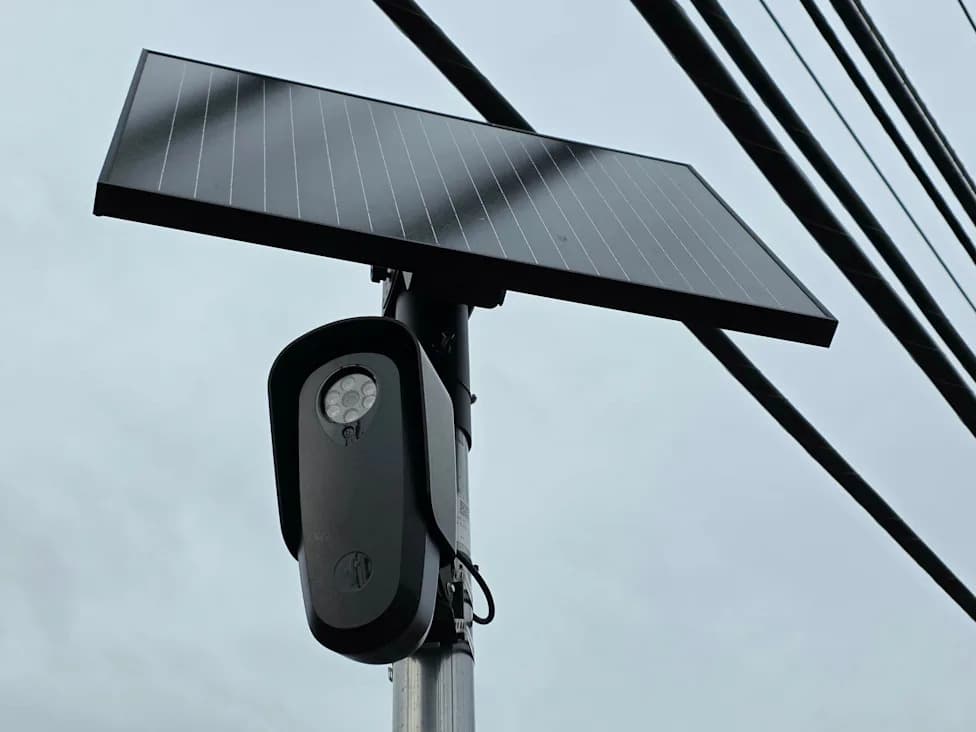
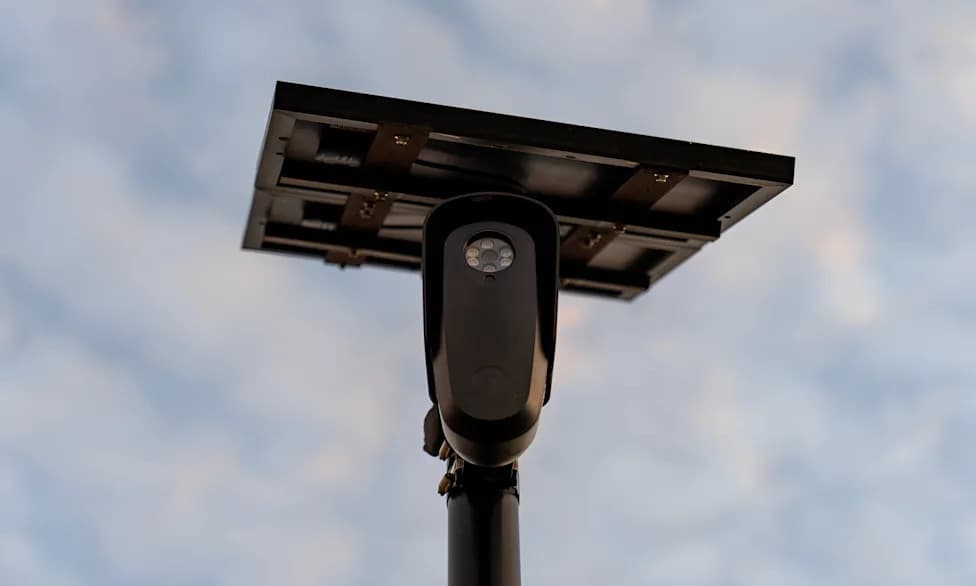
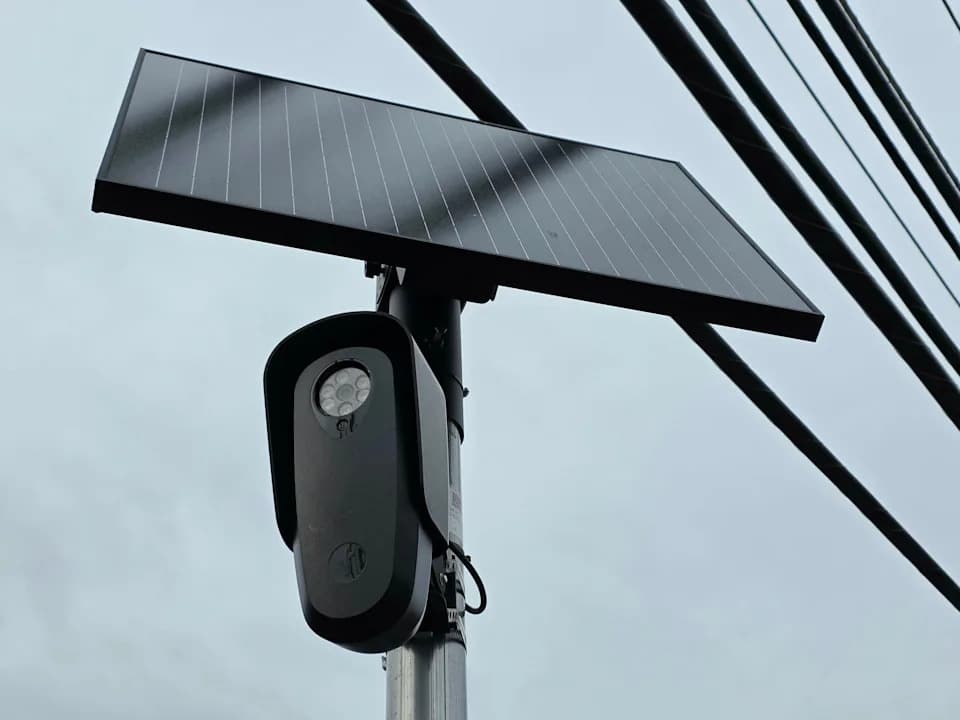
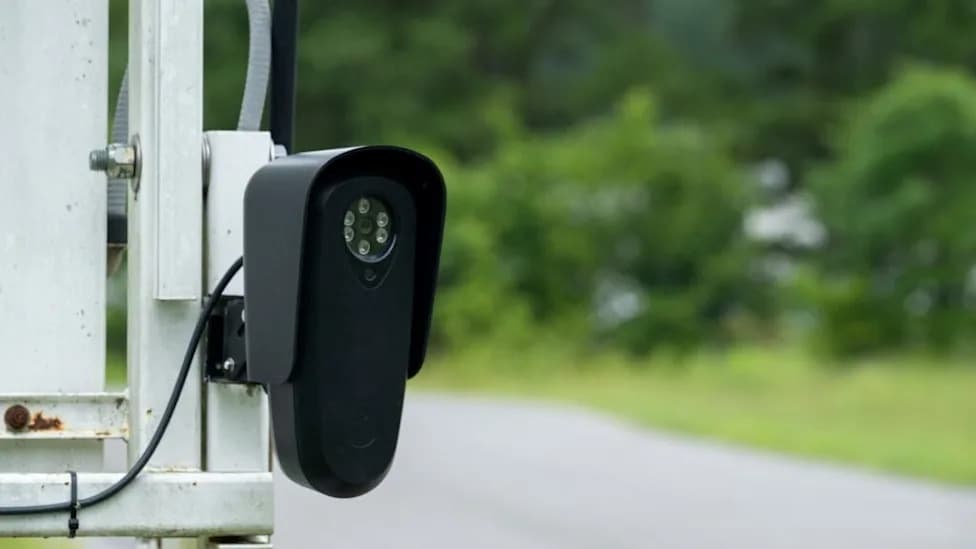
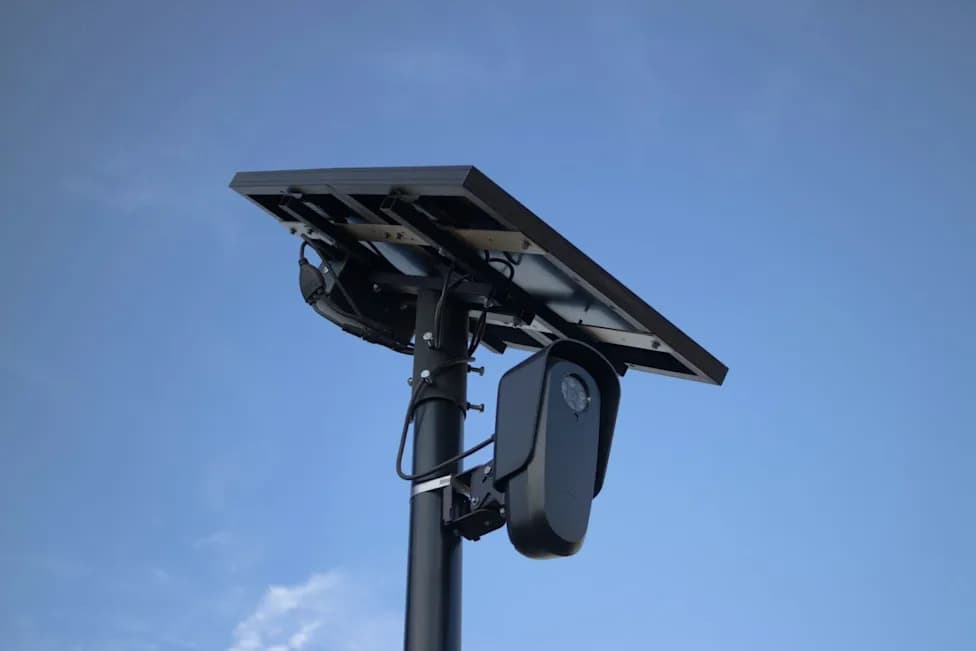
Flock’s cameras capture more than license plates: each image includes a vehicle "fingerprint"—make, color, visible damage, roof racks, bumper stickers and even temporary tags—timestamped and geotagged. Flock says its network spans more than 6,000 communities and roughly 5,000 law‑enforcement agencies. The cameras are solar‑powered and wireless, enabling jurisdictions to deploy many devices without major infrastructure work. The same networked design that helps recover stolen vehicles across jurisdictions also produces a detailed audit trail: every query is logged with who ran it, when and for what stated reason. Flock markets these logs as a tamper‑resistant accountability record.
Audit Trail Leads To Arrest
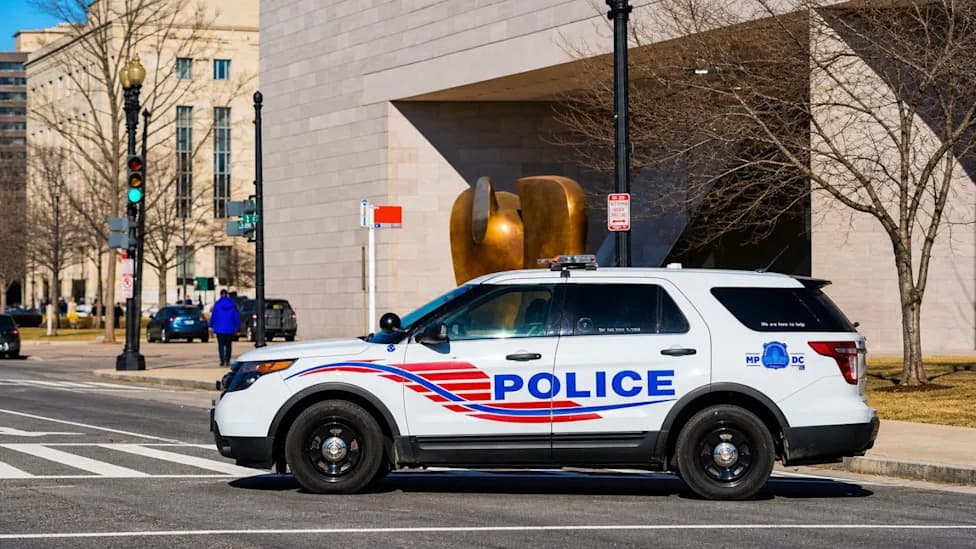
On July 17, that audit trail led to the firing and arrest of Sgt. Kabiru Salawu, a DeKalb deputy and detective who had served since August 2009. An internal review found he allegedly ran queries in the county's Flock system for reasons unrelated to official police business. He faces a felony count of violating his oath of office and a misdemeanor charge for misusing license‑plate data, and is being held without bond at DeKalb County Jail.
"The public expects and deserves integrity from every member of this agency," Sheriff Melody Maddox said. "The misuse of law enforcement technology or confidential information for any unauthorized purpose is a serious breach of the public's trust and will not be tolerated."
The sheriff's office has not disclosed the specific searches Salawu allegedly conducted or the precise mechanism that flagged the misuse; the investigation remains active.
AI Audit Tools, Redactions, And The Trade‑Offs
Flock has told reporters it deployed an "audit assistance" layer—an AI tool that flags queries outside a department's stated policy and routes exceptions to supervisors instead of requiring manual review of months of logs. Company spokesperson Paris Lewbel has credited the feature with surfacing misuse, saying that in many documented cases the company's audit logs initiated inquiries. Georgia has reported at least 20 alleged incidents of personal or improper searches in the past year, some tied to stalking allegations.
At the same time, Flock has reduced what appears in public audit disclosures: officer names tied to cross‑agency searches now display as anonymized ID numbers, and license plate numbers have been omitted from logs released under public‑records requests. Lewbel said the changes followed concerns from roughly 200 law‑enforcement leaders that activists were using public audit data to identify undercover officers. He added that "all omitted information is preserved in full... and remains available to authorized oversight bodies." That trade‑off protects officer safety in some scenarios but also limits what a member of the public can see when checking a published audit portal—often only that a search occurred, not who ran it or which plate prompted it.
Similar Cases And Wider Implications
Salawu's case is one of many recent personnel actions tied to Flock audits. In the same period, Cherokee County fired three sheriff's office employees, including a lieutenant and a sergeant, for improper searches; Albany saw five former officers arrested following a Georgia Bureau of Investigation probe; Greene County dismissed a deputy after an audit flagged personal use; and Fayetteville fired three officers accused of running plates on themselves, relatives and acquaintances. Counting Salawu, Georgia agencies have fired or arrested more than a dozen officers over alleged misuse in roughly six weeks. The pattern echoes prior incidents elsewhere—for example, a Milwaukee officer resigned after reportedly running a woman's plate 179 times before she discovered the searches through a public audit log. Some jurisdictions, such as Denver and Douglas County, Colorado, briefly stopped using Flock before contracting with other vendors to operate similar networks.
Legal And Practical Takeaways
Under Georgia law, violating the oath of a public officer is a felony punishable by one to five years in prison if convicted, in addition to penalties for the misdemeanor plate‑data offense. Prosecutors rarely use that statute; convictions are likely to end careers in law enforcement and may bring prison time.
For drivers, the practical message is straightforward: if you've driven through much of metro Atlanta recently, a networked camera has likely photographed and logged your plate, and DeKalb’s footprint is slated to expand under this ten‑year deal. Public transparency portals and third‑party tools built on published data can indicate whether an agency’s cameras scanned your plate, but Flock’s redactions mean those tools may not show which officer performed a search or what triggered it. Filing a public‑records request with the DeKalb County Sheriff's Office remains the most reliable way to learn whether your plate appeared in a search unconnected to a criminal investigation.
Bottom Line
DeKalb's press materials promised an ethical surveillance network with safeguards built in. Nine months later, those safeguards did not prevent misuse, but they did create an audit trail that produced a felony case. In other words, the contract bought not an absolute guarantee against abuse, but a stronger paper trail when abuse occurs—illustrating both the value and the limits of technologically mediated oversight.
Help us improve.