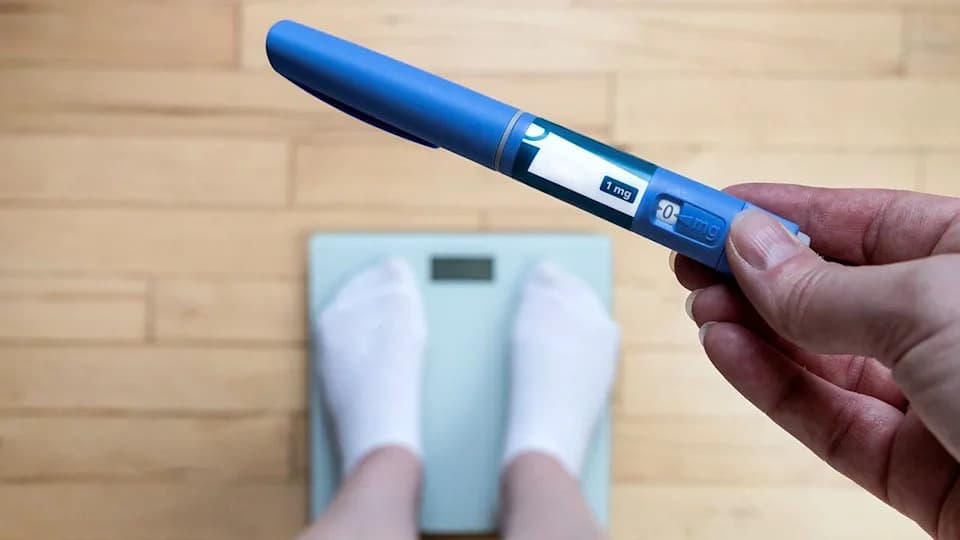
Italy—long a symbol of the Mediterranean diet—is facing a sharp rise in childhood obesity, especially in southern regions such as Campania where some areas report over 40% of young children as overweight. Clinicians now treat much younger patients with severe obesity, using interventions from GLP-1 injections to bariatric surgery when safe. Experts blame a shift toward ultra-processed, calorie-dense foods and cultural attitudes that normalise chubbiness; regional efforts include nutrition lessons for 17,000 students and a controversial fasting-mimicking trial for adolescents.
Pizza, Pasta, Potatoes, Protein: Why Italy’s Children Are Getting Heavier
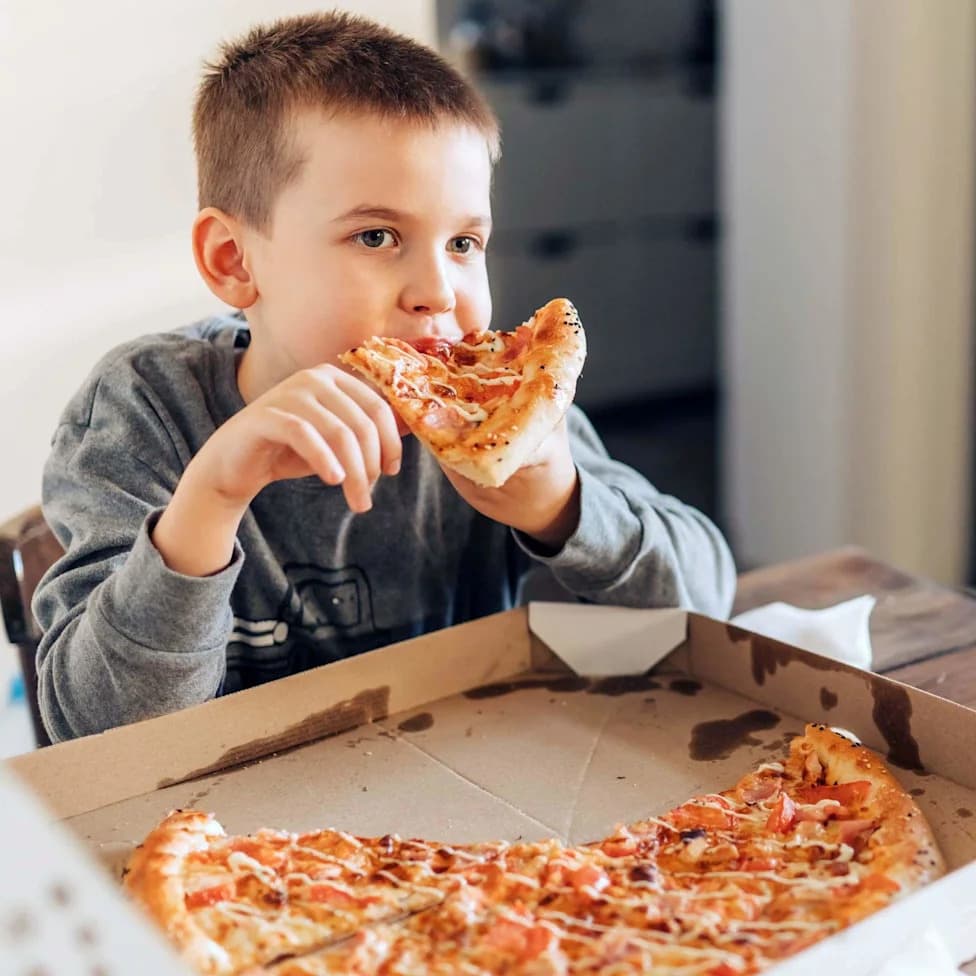
[Getty Images]
Daily life is a struggle for Salvatore. At 17 he weighs 170 kg (26st 10lb), can barely walk, cannot tie his own shoelaces and relies on a Vespa that broke seven wheels in one week under his weight. "He eats constantly," his mother Anna says.
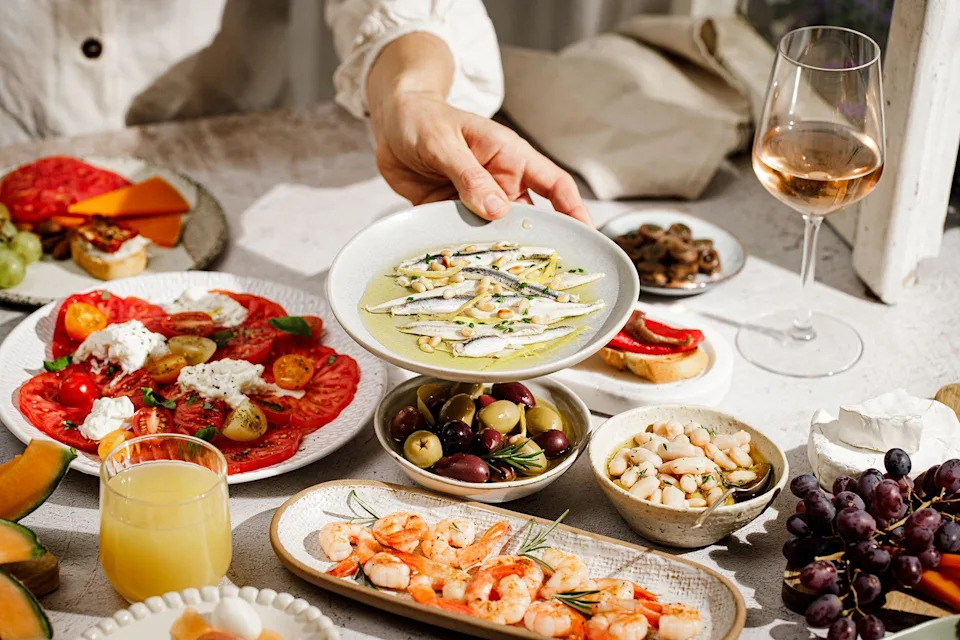
Italy has long been regarded as the spiritual home of the Mediterranean diet [Getty Images]
Salvatore is one of a growing number of Italian children and teenagers living with severe obesity. The crisis is especially acute in the south: parts of Campania report that more than 40% of eight- and nine-year-olds are overweight. Ponticelli, on the outskirts of Naples, has been described as one of the world's child obesity hotspots.
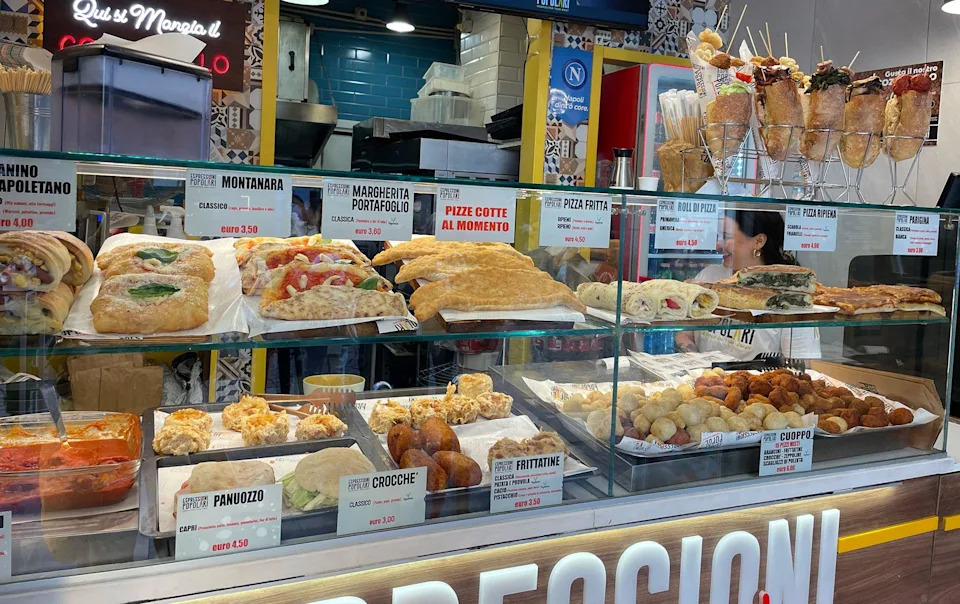
Ultra-processed snacks fill the shelves of a food stall in Naples [BBC]
A Growing Public-Health Problem
That development is striking in a country long celebrated as the home of the Mediterranean diet. Yet World Health Organization data show Italian children are now among the most overweight in Europe. Hospitals that once treated mainly middle-aged patients now see teenagers requiring complex interventions.
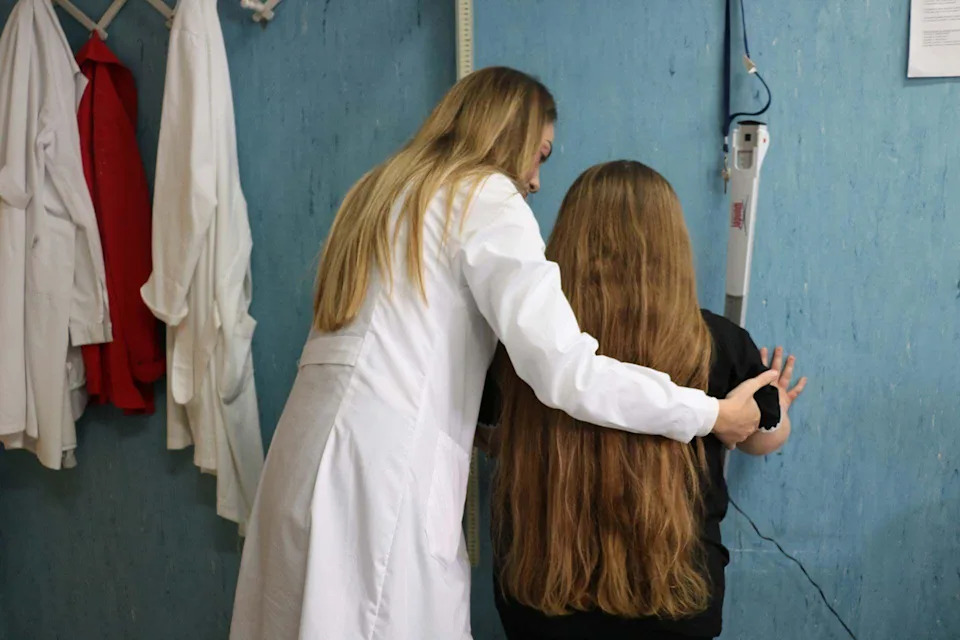
Francesca, 10, weighs 60kg but her parents say they have never considered her weight as a problem [BBC]
What Doctors Are Seeing
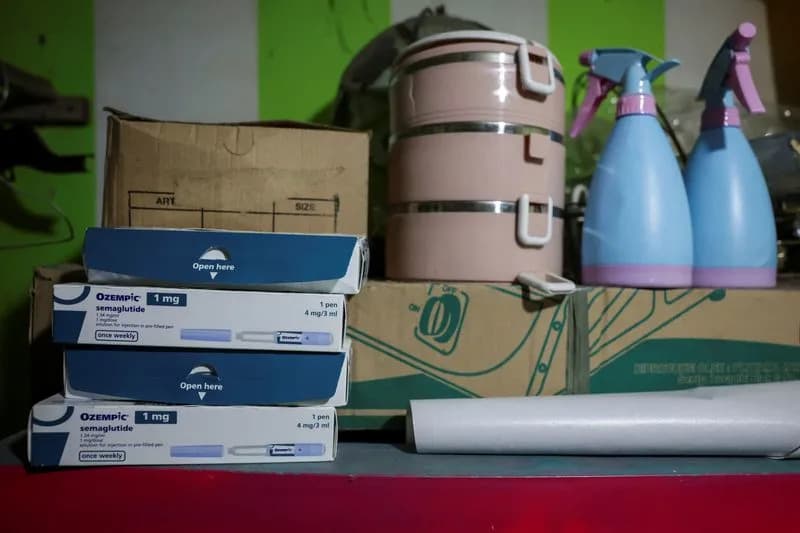
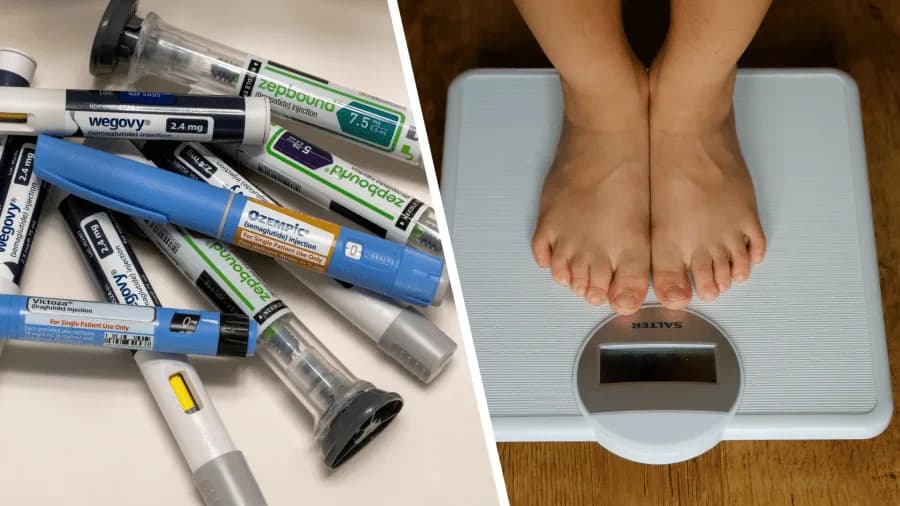
At Betania Hospital in Ponticelli, bariatric surgeon Dr Sonja Chiappetta says demand for major weight-loss operations has surged. Her procedure removes a large portion of the stomach—reducing capacity and food intake—but some patients, like Salvatore, are currently too heavy for safe surgery. He has been prescribed a GLP-1 injection to reduce appetite and help him lose weight until surgery is feasible.
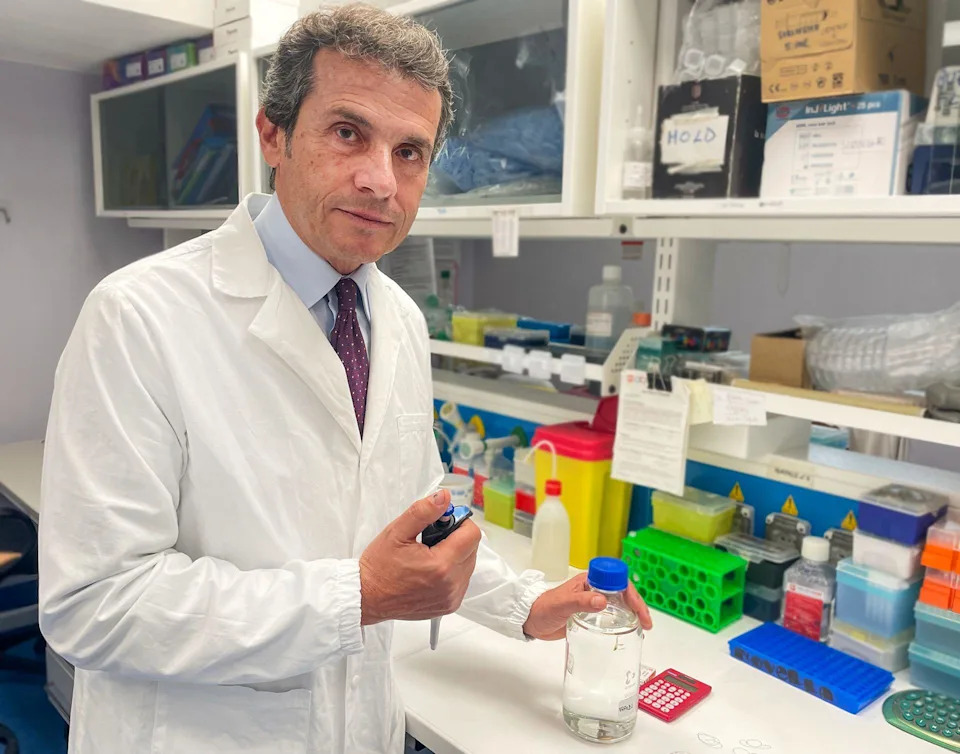
Dr Roberto Berni Canani says that by the time families arrive at his clinic, unhealthy habits have already become deeply ingrained [BBC]
Paediatrician Dr Roberto Berni Canani of Federico II University in Naples reports even toddlers presenting at his clinic weigh 25 kg or more. He says many families do not recognise excess weight as the underlying cause of respiratory, digestive and other health problems.
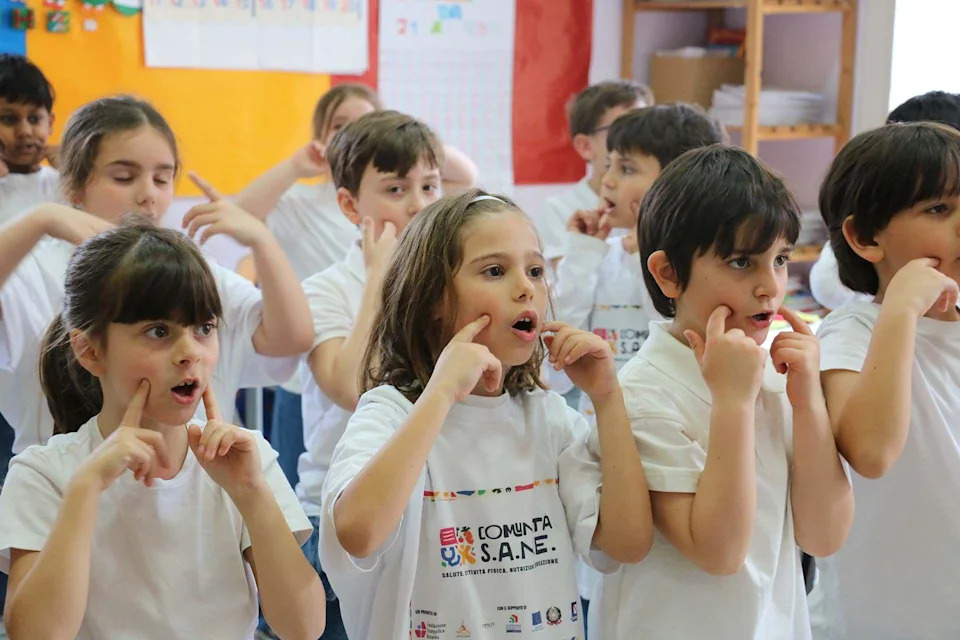
More than 17,000 students across 25 schools will take part in the initiative to tackle childhood obesity [BBC]
Why The Shift Happened
Researchers say Italy’s traditional diet—rich in vegetables, legumes, olive oil, whole grains and fish—has been eroded by fast, calorie-dense and ultra-processed foods. Dr Valter Longo, director of the Longevity Institute at the University of Southern California, summarises modern habits with the "five Ps": pizza, pasta, potatoes, protein and pane (bread). Pizzerias and shops increasingly sell calorie-rich combinations—pizza topped with fried foods, chips and sausages—and supermarket aisles are full of ultra-processed snacks.
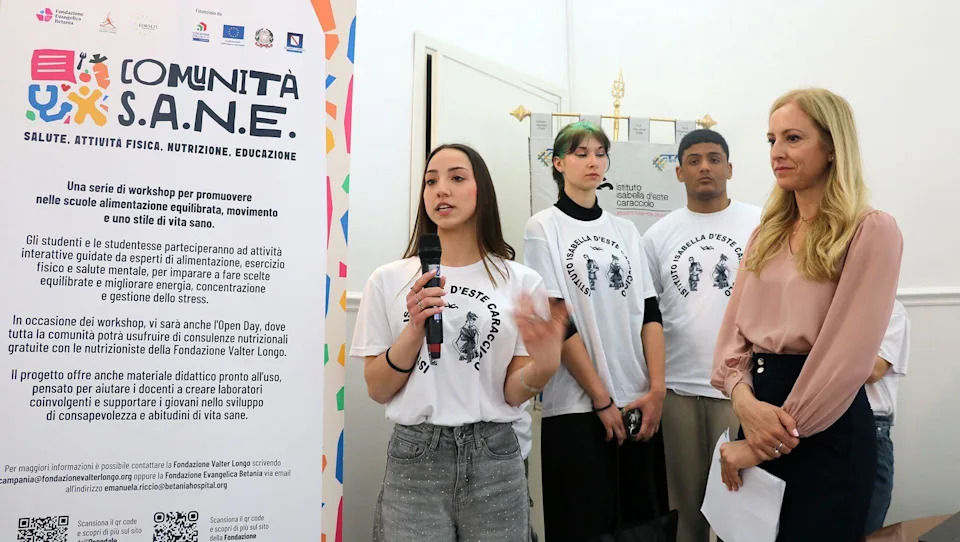
More than 17,000 students across 25 schools will take part in nutrition workshops [BBC]
Home, School And Culture
The problem is reinforced at home and at school. Many parents and grandparents equate a chubby child with health and don’t view weight as a problem. Schools—often housed in historic buildings—may lack adequate space for modern physical education. Teachers and nutrition programmes can help, but change is slow when cultural habits and daily convenience push children toward calorie-dense options.
Regional Responses And Controversies
Italy has reframed obesity legally: in 2025 it became the first country to recognise obesity as a chronic, progressive and relapsing disease influenced by biology, environment and social conditions. Campania has become a testing ground for interventions. A regional programme will deliver nutrition education to more than 17,000 students across 25 schools and support families in changing habits.
Researchers are also recruiting 300 overweight adolescents for a trial of a fasting-mimicking diet: five days every three months with about 1,100 calories on day one and roughly 770 calories on days two to five, intended to trigger a metabolic "reset." Dr Longo champions controlled fasting for potential health benefits, but some specialists, including Dr Berni Canani, caution that evidence for adolescents is limited and that restrictive programmes could increase the risk of eating disorders or psychological harm.
Human Stories Behind The Numbers
Ten-year-old Francesca weighs 60 kg (9st 6lb) and suffers from a persistent cough and difficulty swallowing; doctors suspect an inflammatory oesophageal condition. Her diet—bread with Nutella, chocolate cake snacks, pasta and chicken—and lack of vegetables are typical of the patterns clinicians see: frequent, calorie-dense foods and sugary drinks that add up over time. Her parents believe she is active and healthy, illustrating the gap between perception and clinical reality.
"They are getting younger, and it's frightening," Dr Chiappetta says of patients whose severe obesity once appeared mainly in middle age.
Where This Leaves Us
Obesity is an "escalating global epidemic," according to the WHO: more than one billion people are obese worldwide and childhood obesity has quadrupled since 1990. Italy's combination of cultural food traditions, rising availability of ultra-processed foods, and limited physical-education resources in some schools has produced a complex public-health challenge. Regional programmes, medical treatments and legal recognition of obesity as a chronic disease represent a multi-pronged response—but experts stress that long-term progress will require sustained changes in food environments, family habits and public policy.
Help us improve.