American oystercatchers — large, bright-billed shorebirds — have rebounded after focused conservation efforts. About $10 million in support across 35 coastal organizations in 16 states helped boost the population by 45% along the Atlantic and Gulf coasts between 2008 and 2023. Targeted actions that improved chick survival, local protections such as fencing and roped-off nesting areas, and public outreach drove the recovery. Teams are now adapting strategies to rising seas with elevated shell nesting sites and habitat restoration.
Bright‑Billed Oystercatchers Make a Remarkable Comeback on Rhode Island Beaches
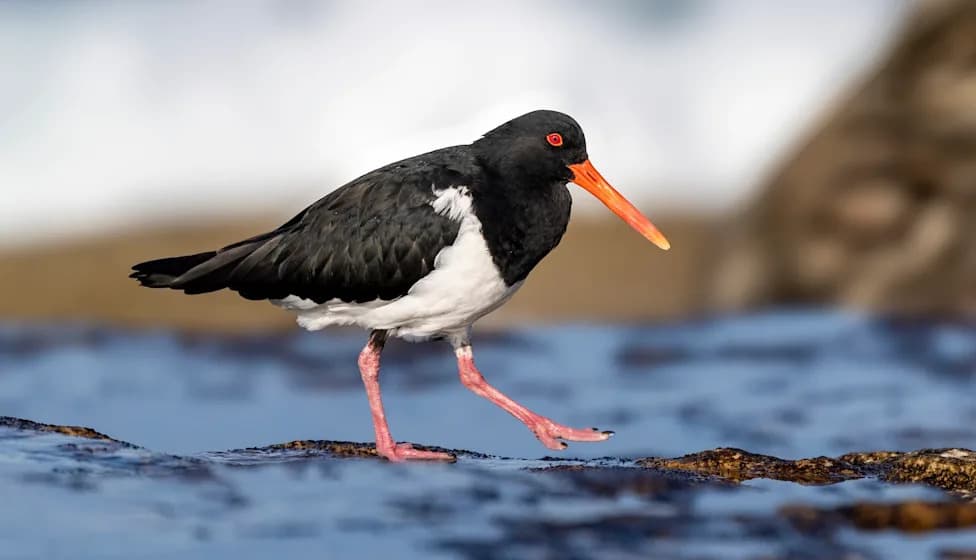
Photo Credit: iStock
American oystercatchers — the football-sized shorebirds with long legs and striking yellow-and-red bills — are staging a rare recovery along parts of the Atlantic coast after decades of decline.
Once driven to the brink in New England by hunting and egg collecting in the 1900s, these unmistakable birds have benefited from a coordinated, years-long conservation effort. Over roughly a decade, about $10 million in funding supported projects led by 35 coastal organizations across 16 states, contributing to a 45% increase in American oystercatcher numbers along the Atlantic and Gulf coasts between 2008 and 2023.
How conservation turned the tide
Researchers say a critical turning point came when teams identified low chick survival as the primary driver of the population decline. Armed with that insight, conservationists implemented targeted measures at nesting sites to protect eggs and chicks from predators, disturbance and habitat loss.
"It's amazing and it's a great conservation success story," said Maureen Durkin, a federal wildlife biologist at the Rhode Island National Wildlife Refuge Complex.
Actions have been highly local and practical: seasonal chicken-wire fences on Martha's Vineyard keep skunks and raccoons away from nests; ropes and signs mark off breeding areas; volunteers and agencies manage predators; and restrictions on vehicles and dogs reduce disturbance during nesting season. Public education — clear signage, outreach campaigns and seasonal rules — has been central to teaching people how to share the shore without harming nesting birds.
Adapting to climate threats
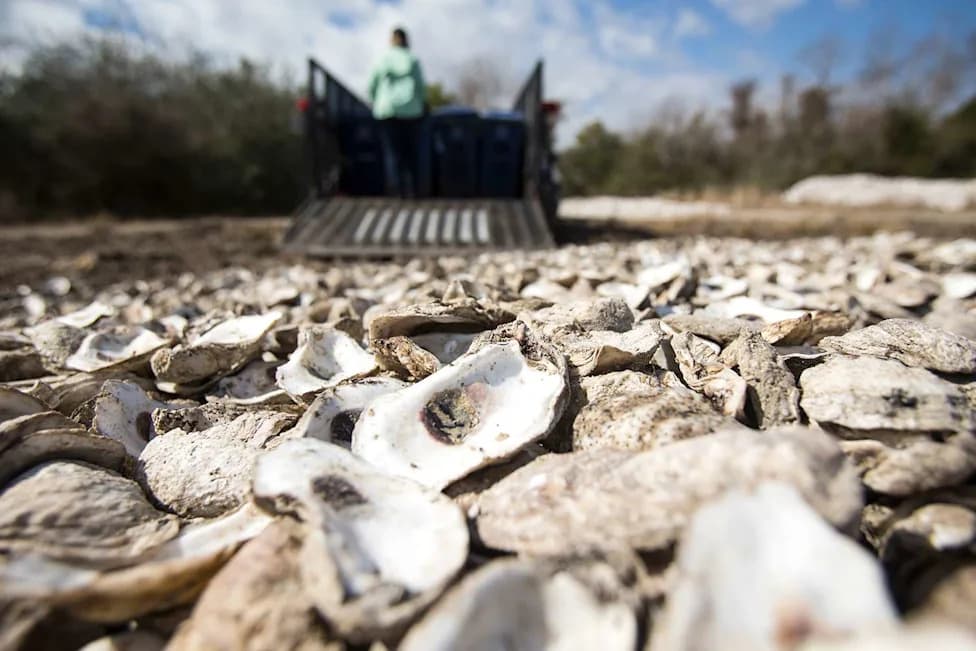
Scientists are also responding to growing climate risks. Rising seas and increased erosion wipe out nests in some places, so states and conservation partners are experimenting with elevated oyster-shell nesting platforms, restoring shell habitat, and other site-specific interventions to give eggs and chicks a better chance of survival.
Beyond saving a charismatic species, the recovery highlights how focused partnerships, targeted science, and community engagement can protect coastal habitats that people and wildlife both rely on. The oystercatcher rebound is a rare bright spot at a time when many North American shorebirds continue to decline.
Help us improve.