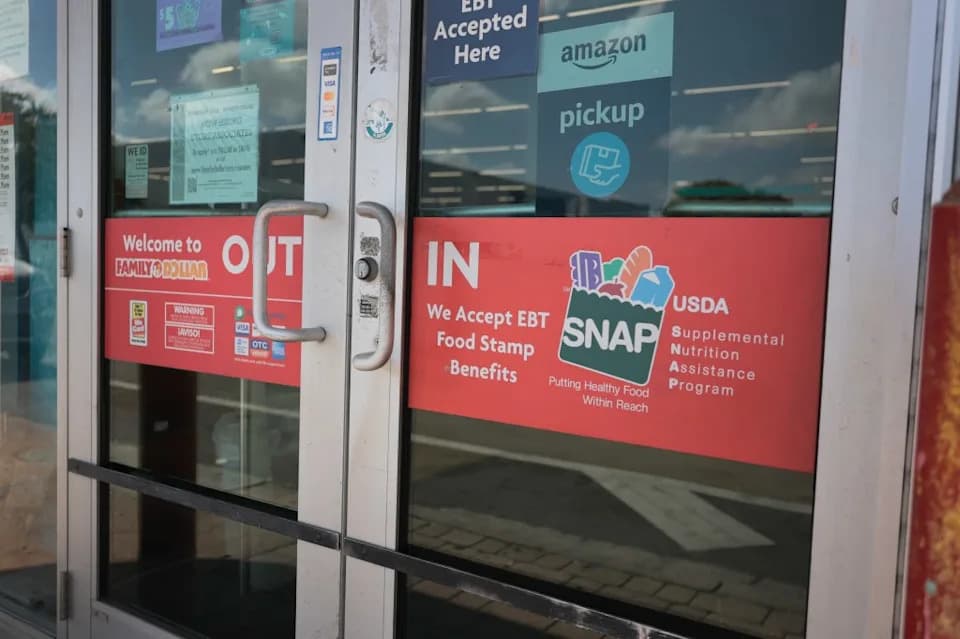
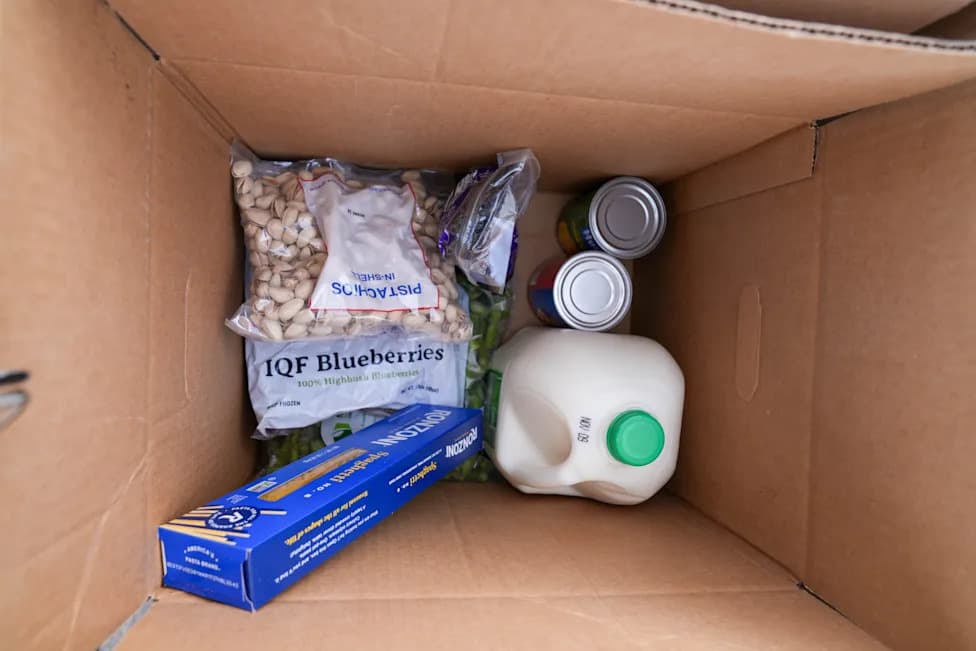
The Center on Budget and Policy Priorities reports that more than 4 million Americans were removed from SNAP between July 2025 and March 2026, including over 1 million children across 19 states. Arizona experienced the largest decline, with more than 450,000 people cut and enrollment roughly halved. Analysts link the drop to the 2025 One Big Beautiful Bill Act, which shifts SNAP costs to states based on payment error rates, and advocates warn Congress must act to prevent further harm to children and families.
More Than 1 Million Children Cut From SNAP After 2025 Law, CBPP Warns
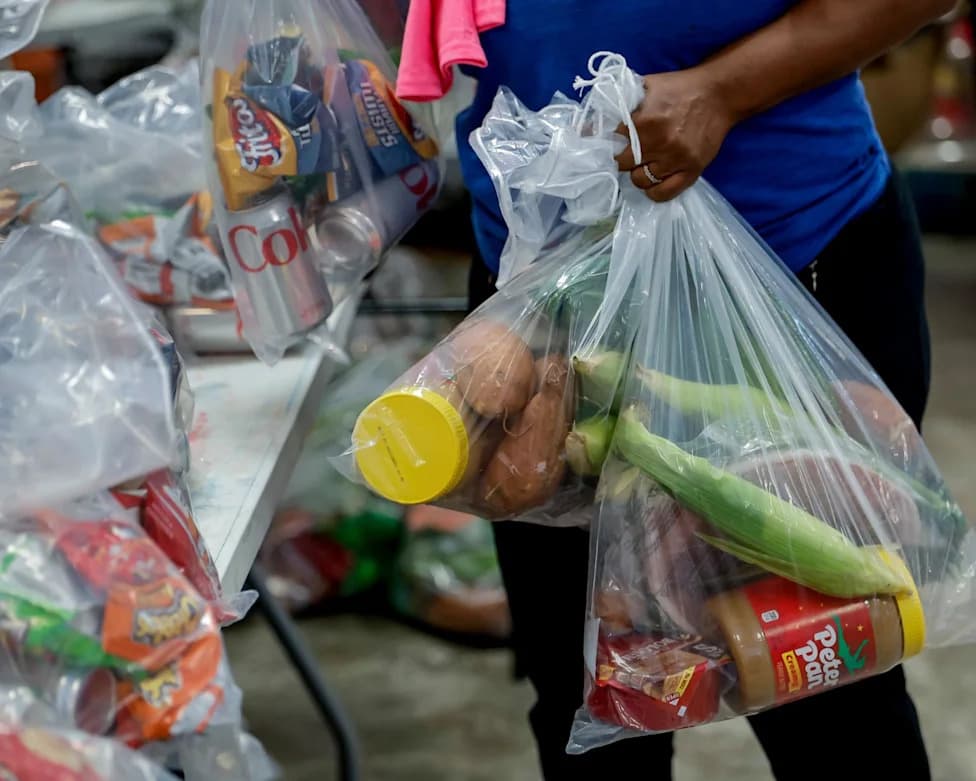
A person receives food aid bags at the Young Family YMCA in Atlanta, Georgia, 6 November 2025.Photograph: Erik S Lesser/EPA
More than one million children across the United States have lost access to Supplemental Nutrition Assistance Program (SNAP) benefits since Congress enacted the One Big Beautiful Bill Act in July 2025, according to a new analysis by the Center on Budget and Policy Priorities (CBPP).
Steep Decline in Enrollment
The CBPP report finds that more than 4 million Americans were removed from SNAP between July 2025 and March 2026, representing a sharp decline in participation in the nation's largest federal food assistance program.
States Hardest Hit
Arizona experienced the largest drop after the law took effect. The legislation tightened eligibility standards and increased state screening requirements; state data through May show that more than 450,000 Arizonans have been removed from SNAP, reducing enrollment in the state by roughly half.
CBPP's analysis covers 19 states and indicates that children account for a sizeable share of those cut from benefits. In Louisiana, nearly one in four children who had been receiving SNAP were removed from the program. Massachusetts and Texas each saw close to one-fifth of enrolled children lose benefits following the law's implementation.
Why Participation Fell
CBPP links the steep enrollment drops largely to the 2025 Republican reconciliation measure, known as the One Big Beautiful Bill Act, which shifted a significant portion of SNAP costs onto states by tying federal support to state payment error rates. The report warns this cost shift has encouraged states to intensify eligibility checks and remove more people from the rolls.
"Without immediate congressional action to delay this cost shift for all states, the unfolding emergency will only worsen as more children are cut off from the food assistance their families need to afford nutritious food," the CBPP said.
Political and Local Response
Representative Ilhan Omar of Minnesota highlighted the findings during a recent House-floor speech. Omar introduced an amendment intended to restore SNAP protections, but the proposal was rejected by the Republican majority.
The new figures also prompted a response from the U.S. Conference of Mayors. The nonpartisan organization representing cities of at least 30,000 people sent a letter to the Senate signed by more than 200 mayors urging lawmakers to reverse the SNAP cuts amid what the group described as a "deepening food security crisis." The mayors argued that "SNAP remains the nation's most effective and efficient anti-hunger program," noting its role in reducing poverty and stabilizing local economies during downturns.
What SNAP Does
SNAP, often called food stamps, provides monthly grocery benefits to low- and no-income households. It remains the primary federal anti-hunger program and an important tool for reducing food insecurity nationwide.
The CBPP analysis cautions that without congressional intervention to delay or change the cost-shift provisions, many more families and children could lose critical food assistance.
Help us improve.