The June 29 Orland Park crash, in which a Tesla rear-ended three cars and a Ford Fusion struck a pedestrian, killed 66-year-old Antoni Luczynski and injured others. The Tesla driver reported a possible epileptic seizure and memory loss, but modern vehicles—especially Teslas—record detailed telemetry that can show steering, throttle, and brake inputs in the seconds before a crash. Illinois law requires drivers to self-report seizure-prone conditions, but enforcement is limited, raising legal and insurance questions when vehicle logs contradict a driver's account.
Tesla's Logs May Undermine Driver's 'Seizure' Claim After Fatal Orland Park Pileup
A Tesla Driver Blamed a Blackout for a Fatal Crash. His Car Was Still Taking Notes.
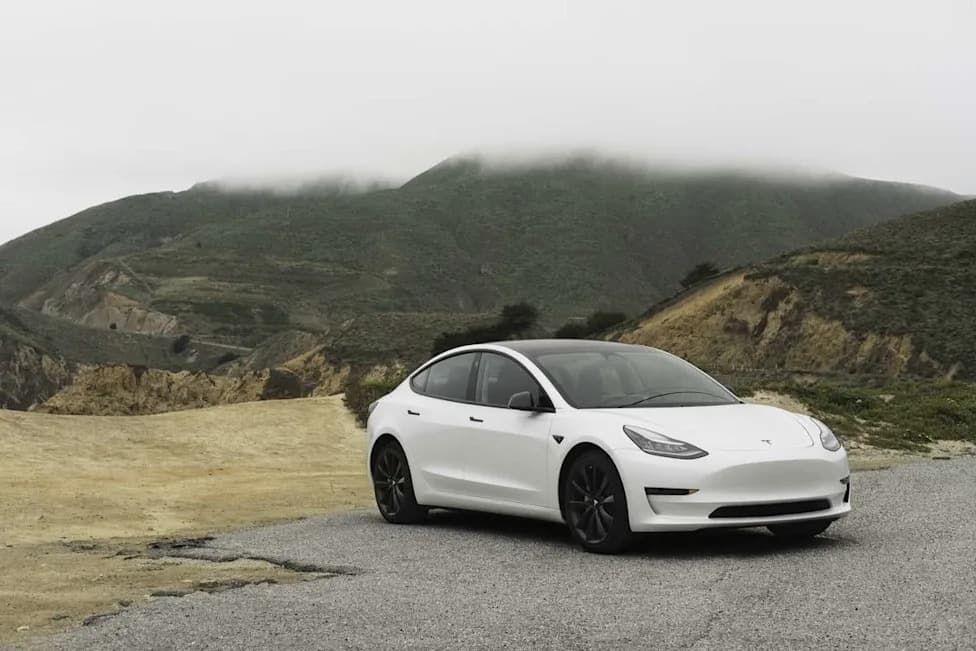
On the morning of June 29, a Tesla traveling north on LaGrange Road in Orland Park, Illinois, rear-ended a Lexus and then struck a Ford Fusion and a Volkswagen Jetta in rapid succession. The initial impact sent the Fusion off the road and into a Pace bus stop, where 66-year-old Antoni Luczynski was fatally struck. Three others were injured. The Tesla driver, whose name has not been released, told officers he believed he had suffered an epileptic seizure and had no memory of the crash.
What The Vehicle Records Can Reveal
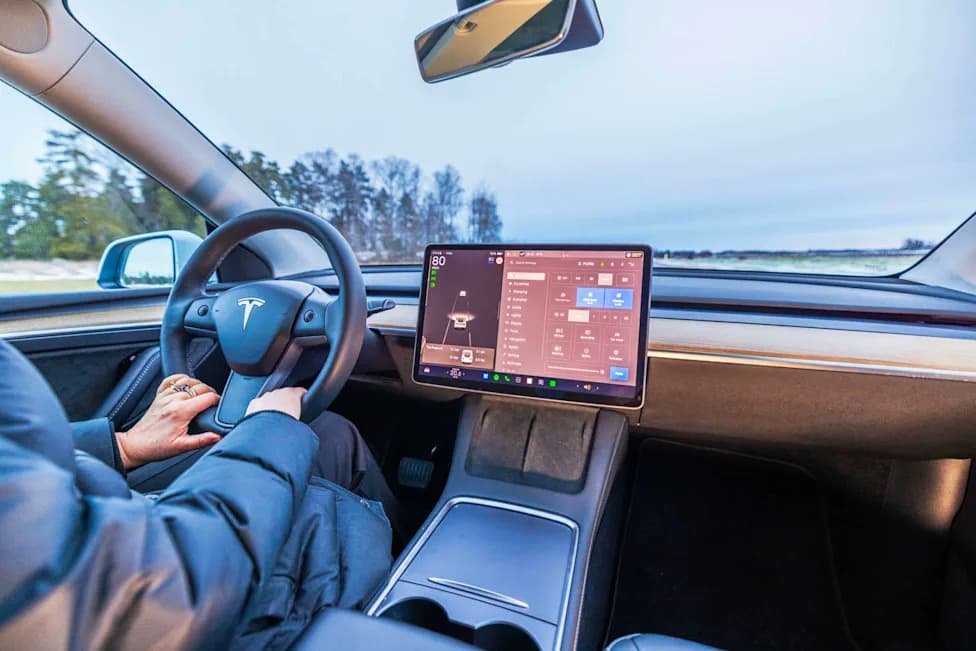
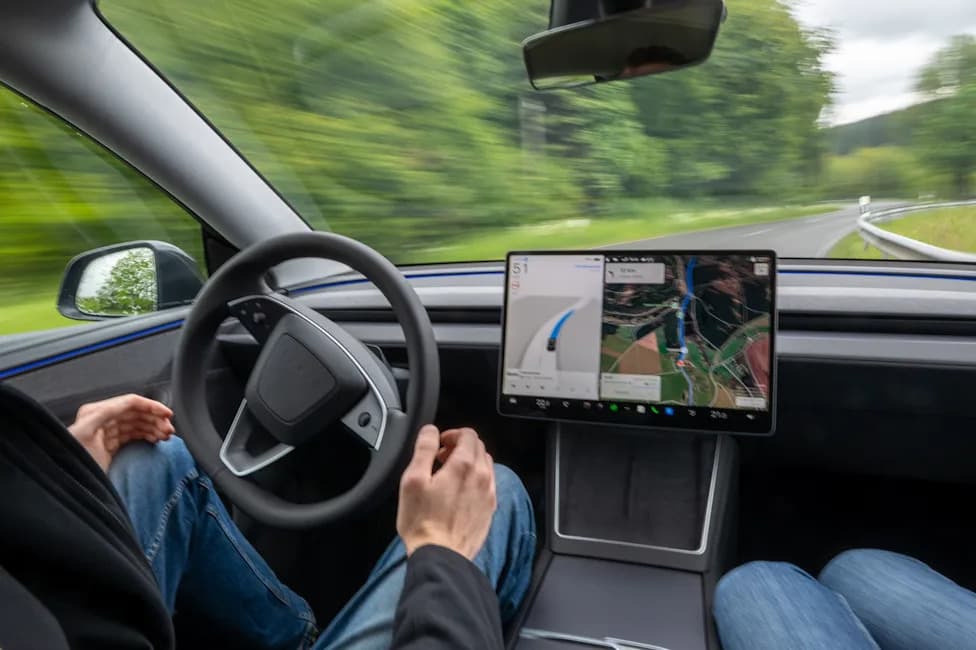
Modern vehicles keep far more information than the narrow federal Event Data Recorder (EDR) baseline under 49 CFR Part 563. Tesla cars in particular have maintained extensive internal telemetry—detailed logs of speed, accelerator and brake inputs, steering commands, and system status—that investigators have used in high-profile probes, including the NTSB reconstruction of a 2016 Autopilot crash in Florida and a recent Texas crash where logs showed the accelerator was pushed to 100%.
Consciousness Leaves Traces. Patterns of control inputs, or their sudden absence, can indicate whether a driver was actively steering, braking, or accelerating in the seconds before impact.
Law, Liability, And The Limits Of Self-Reporting
Every U.S. state allows people with seizure disorders to hold a driver's license; most rely on drivers to self-report new diagnoses. In Illinois, drivers must notify the Secretary of State within 10 days of learning they have a condition likely to cause seizures, and medical professionals are encouraged—but not compelled—to prompt disclosure. There is no nationwide or statewide automatic cross-check of hospital seizure records against licensing databases, so enforcement depends largely on voluntary reporting.
Legally, causing a chain-reaction crash can still create liability even if the initial vehicle never directly struck the eventual victim. A sudden-emergency defense—where an unforeseeable medical event excuses negligence—often fails when the medical condition was known or diagnosable and not reported. Insurers also scrutinize whether material health conditions were disclosed, and they increasingly rely on telematics and vehicle data rather than a driver's memory.
Why This Matters
In past decades, "I don't remember" frequently stalled investigations. In today's cars, that statement usually triggers a forensic inquiry into the vehicle's own memory. The Tesla involved in the Orland Park crash likely contains logs that can corroborate or challenge the driver's seizure claim by showing steering inputs, accelerator position, brake application, and other indicators in the seconds before the collision.
No criminal charges have been announced and investigators have not yet released passenger-compartment or vehicle-log findings. The case underscores larger policy questions about medical reporting, road safety, and how much regulators, insurers, and the public should rely on vehicle-recorded evidence to resolve disputes about driver condition and responsibility.
Help us improve.