Martha’s Vineyard is confronting a surge of lone star ticks, whose bites can cause alpha-gal syndrome — an allergy to red meat and sometimes dairy. Dense woods and a large deer population have helped the tick thrive; local testing jumped from nine tests in 2020 to more than 1,600 last year, with 44% positive at Martha’s Vineyard Hospital. Islanders are adopting permethrin-treated clothing, routine tick checks and menu changes, while experts recommend prevention and deer-management rather than indiscriminate spraying.
“Vegan Vampire”: How the Lone Star Tick Is Rewriting Life on Martha’s Vineyard

Vineyard resident and plant-based-meal enthusiast Carly Simon — inside of the Art Cliff restaurant in Vineyard Haven in 2007 — might be happy about restaurants retooling menus to avoid beef and dairy.
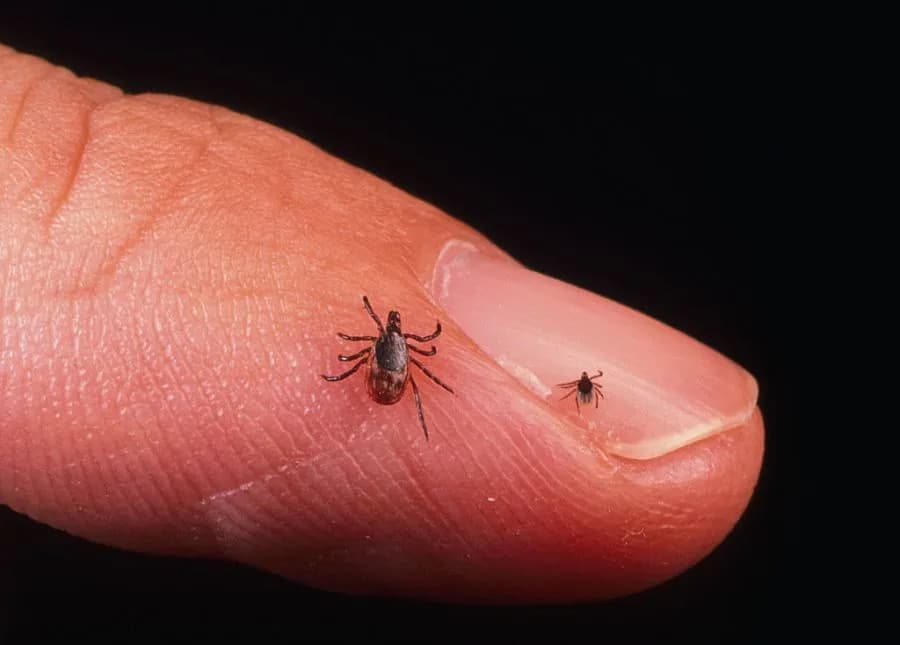
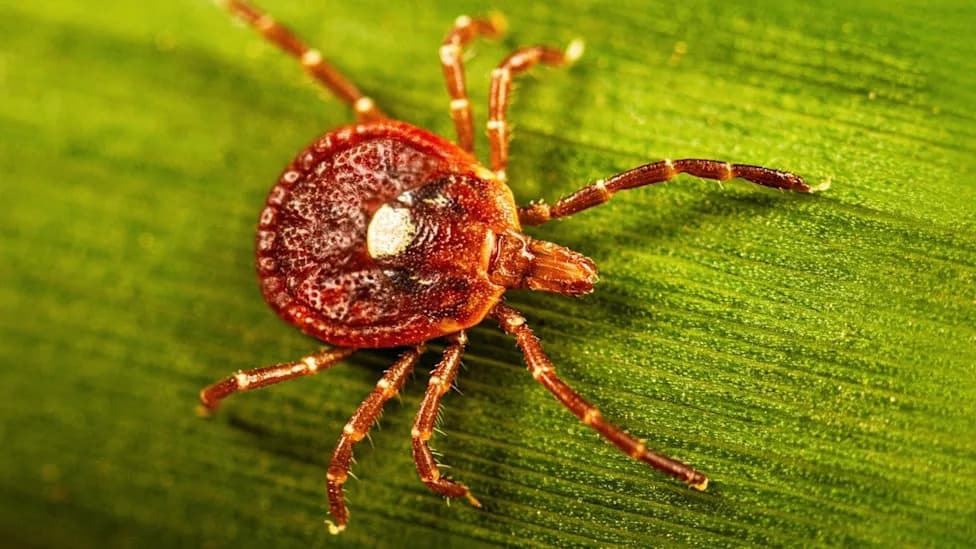
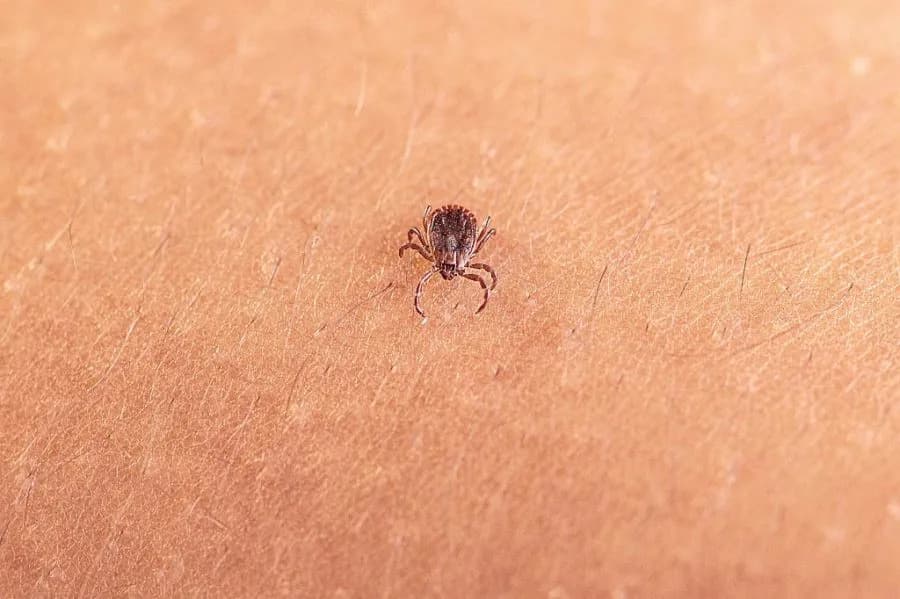
Martha’s Vineyard — a longtime summer refuge for visitors and celebrities alike — is grappling with an unexpectedly disruptive threat: the lone star tick, a poppy-seed-sized arachnid whose bite can trigger alpha-gal syndrome, an allergy to red meat and sometimes dairy. While the tick itself is tiny and rarely fatal, the allergy it can cause ranges from mild digestive upset to life-threatening anaphylaxis, and its ripple effects are changing daily routines, dining menus and public-health priorities on the island.
What Is Alpha-Gal Syndrome?
Alpha-gal syndrome is an immune reaction to a carbohydrate called galactose-alpha-1,3-galactose (alpha-gal) that can be introduced to people by lone star tick bites. The hallmark is a delayed allergy to mammalian meat (beef, pork, lamb), and in some cases dairy products. Onset and severity vary widely: some people never develop symptoms, others react strongly to small exposures, and some experience a delayed reaction hours after eating meat, which can lead to misdiagnoses such as food poisoning.

Barack Obama and daughter Malia are frequent Martha's Vineyard vacationers.
Why Martha’s Vineyard Is Vulnerable
Historically concentrated in the U.S. Southeast, the lone star tick began expanding north and west in the 1980s and surged in the 2010s, around the time alpha-gal was identified. Much of Martha’s Vineyard’s interior — dense woods, overgrown fields and abundant deer populations — creates ideal habitat for the ticks and their preferred hosts.
Martha’s Vineyard Hospital’s testing reflects the scale of the problem: only nine alpha-gal tests were run at MVH in 2020; last year that number exceeded 1,600, with 44% testing positive. Those figures capture island testing only and likely undercount seasonal visitors who seek testing elsewhere.

The island's stores are now offering alpha-gal-friendly cookies and brownies.
Symptoms, Diagnosis And Uncertainty
Health experts describe reactions to lone star bites as “consistently inconsistent.” Some victims develop only mild symptoms, others face severe allergic reactions, and many do not discover the connection between a tick bite and later food reactions because symptoms can appear days or weeks after exposure. This unpredictability complicates diagnosis and public messaging.
How Islanders Are Responding
Local behavior and commerce have adapted quickly. Residents now routinely wear long sleeves and permethrin-treated clothing, perform thorough tick checks, and employers and schools are updating guidance. Restaurants and shops have altered menus and recipes to accommodate alpha-gal–sensitive customers: examples include replacing buttermilk brines, offering cheeseless or fish- and plant-based alternatives, and flagging "AG" options on menus. Small businesses and healthcare providers are also amplifying education about prevention and recognition of symptoms.
Expert Advice And Bigger Solutions
Patrick Roden-Reynolds, director of the Martha’s Vineyard Tick Program, emphasizes prevention first: treated clothing, routine checks, and public education. He warns against broad, repeated insecticide spraying because of environmental side effects and instead supports targeted strategies such as managing the island’s deer population to reduce tick hosts.
“There are a lot of angry people, a lot of stressed-out people and a lot of fearful people,” Roden-Reynolds says. “You want my bold opinion? I feel like we are going to have to eat our way out of the tick problem.”
For now, Martha’s Vineyard’s response mixes short-term prevention with longer-term ecosystem management, reflecting the limits of current science and the absence of any quick, cinematic fix for a problem the size of a freckle.
Practical Tips
- Wear long clothing and use permethrin-treated outerwear when in wooded or grassy areas.
- Perform frequent full-body tick checks after outdoor activity and remove ticks promptly and properly.
- If you develop unexplained allergic symptoms after a tick bite, mention alpha-gal to your clinician and seek testing.
- Support targeted public-health measures (education, tick monitoring, deer management) rather than indiscriminate spraying.
Help us improve.