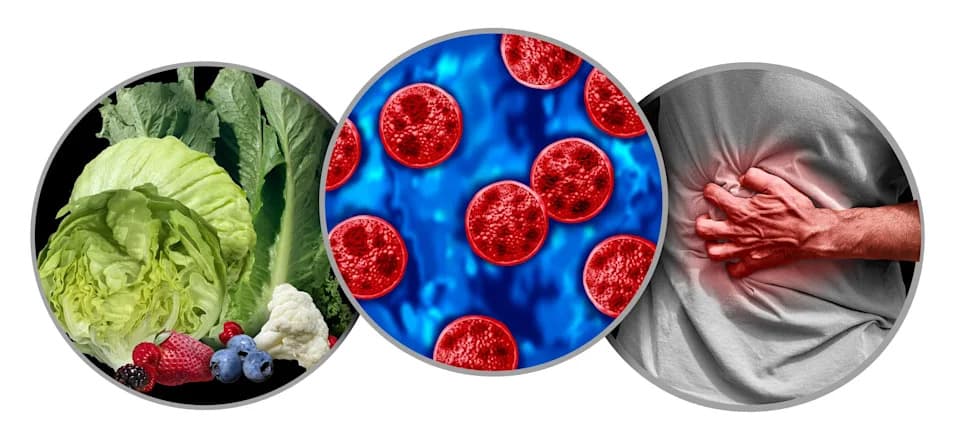
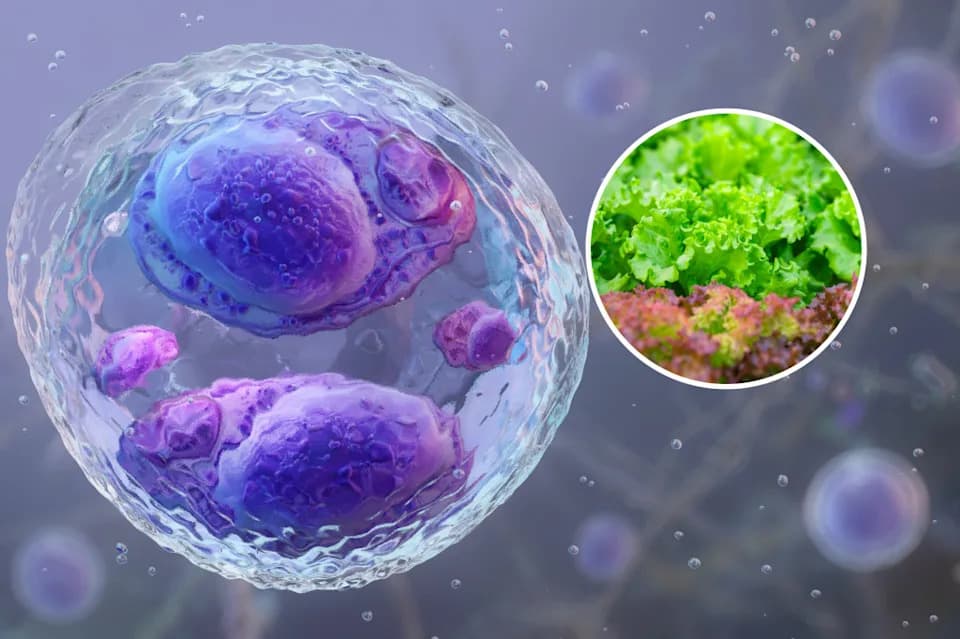
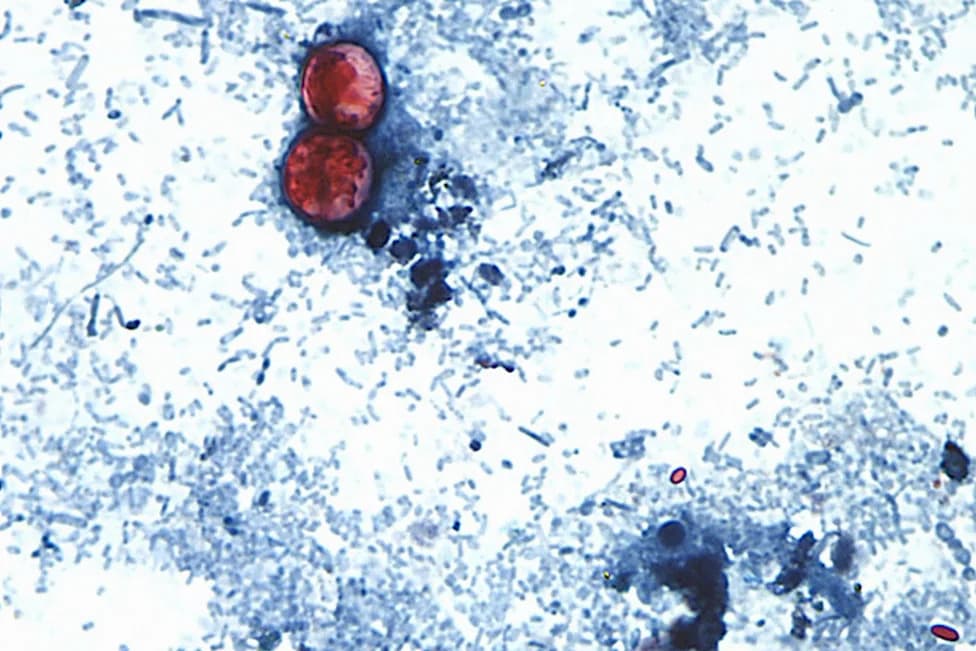
Cyclospora, a parasite found only in human feces, is driving a record summer surge of more than 11,500 suspected and confirmed cases across 41 U.S. states. Investigators repeatedly point to contaminated irrigation water and produce (notably iceberg lettuce in one large cluster) but cannot yet determine how human waste is entering farming systems. Long incubation periods, testing delays and short harvest windows hinder traceback; experts call for routine water testing, stronger buyer requirements and more research.
Major Cyclospora Surge: Investigators Still Can’t Pin How Human Waste Reaches Produce
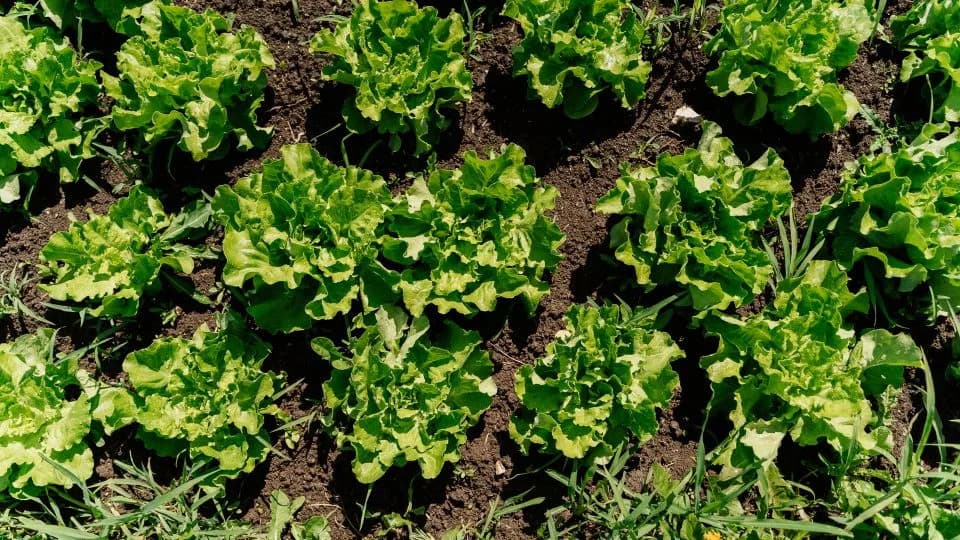
Most experts believe that water contaminated with cyclospora is the vehicle that puts the parasite on produce. But it's unclear how that water gets contaminated in the first place. - Anna Mardo/Moment RF/Getty Images
As a summer wave of cyclosporiasis sweeps the United States, public-health investigators face a troubling puzzle: Cyclospora cayetanensis is found only in human feces, yet experts still cannot identify how human waste is entering agricultural systems and contaminating produce and irrigation water.
The Scope of This Outbreak
So far this season more than 11,500 suspected and confirmed cases have been reported across 41 states, according to the Centers for Disease Control and Prevention. That far exceeds a typical year, when the U.S. usually sees about 2,000–4,000 cases; historically roughly one in five reported infections has been linked to travel abroad, but this year the majority appear to be domestically acquired.
Why Tracing Cyclospora Is So Difficult
Several factors make outbreak investigations unusually hard:
- Long incubation and reporting delays: Symptoms — severe watery diarrhea, cramping, nausea and bloating — can take up to two weeks to appear, and patients often delay seeking care. By the time cases are confirmed and reported, weeks may have passed since exposure.
- Testing and recall limitations: Laboratory confirmation from stool samples takes time. People struggle to remember what they ate days or weeks earlier, so investigators frequently rely on loyalty-card records, receipts and bank data to reconstruct exposures.
- Seasonal windows: By the time regulators trace a suspect product back to a farm, the implicated harvest may be finished and those specific items are long gone.
- Rare environmental detections: Finding Cyclospora in soil or water is uncommon, so direct environmental proof of contamination is hard to obtain.
What Investigations Have Found
Federal and state teams have opened multiple probes this season; the Food and Drug Administration (FDA) is investigating six outbreaks, including a nine-state cluster that public-health officials say is likely linked to iceberg lettuce grown in Mexico. Other clusters remain without a suspected source.
Environmental detections are rare but instructive. In 2020 the FDA identified Cyclospora in two samples from an irrigation canal at a Florida farm connected to a Fresh Express bagged-salad outbreak that sickened more than 700 people across 14 states. That finding is widely regarded as the closest investigators have come to locating an environmental reservoir, but genetic-typing methods for Cyclospora are still developing and the agency could not conclusively link those samples to the outbreak.
How Human Waste Might Reach Farms
Experts believe contaminated water is the most likely vehicle putting the parasite on produce. Possible contamination routes include:
- Improper disposal or accidental release from portable toilets and bathroom trailers used in the fields
- Leaking or failing septic systems near production areas
- Sewer overflows or runoff after heavy rains
- Direct contamination from infected workers handling produce, though many specialists view this as less likely to account for very large outbreaks
Gaps in Policy and Prevention
There is no federal requirement that farms routinely test irrigation water or produce for Cyclospora; testing remains largely voluntary. Food purchasers — large grocery chains and institutional buyers — could require supplier testing, and lawmakers could create regulatory standards and fund more research on the parasite and its transmission.
What Experts Recommend
Investigators and scientists urge a combination of measures to reduce future outbreaks: more routine irrigation-water monitoring, stronger supplier testing requirements imposed by major buyers, improved sanitation and worker-health practices, and expanded research investment in Cyclospora detection and genetic-typing tools.
Bottom line: Water contaminated with human fecal material is the leading suspect in Cyclospora outbreaks, but critical questions remain about how that contamination occurs and how to reliably detect and prevent it.
Help us improve.