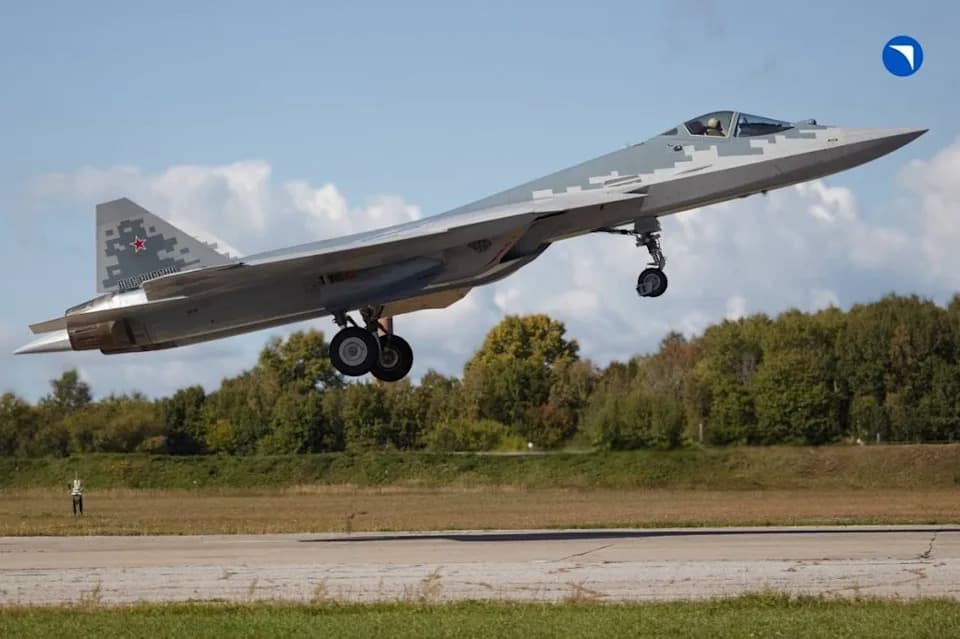
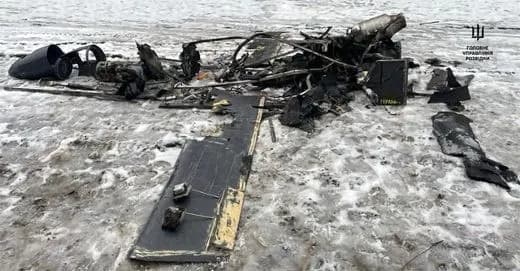
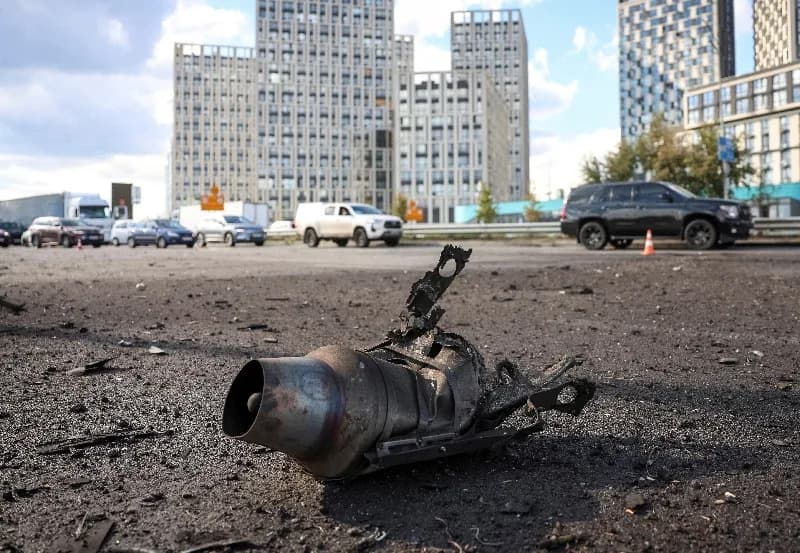
InformNapalm claims Ukrainian cyber and influence operations manipulated Moscow’s BARS anti‑drone system, which allegedly engaged and downed a Su‑57 that Russian media say crashed during a training flight. InformNapalm cites leaked manufacturer documents, an intelligence brief and training footage as evidence. The claim remains unverified by independent sources; Russia calls the incident a technical malfunction. The loss of a Su‑57 would be strategically significant given the aircraft’s limited numbers.
InformNapalm Says Ukrainian Cyberoperation Turned Moscow's BARS Anti‑Drone Shield Against Su‑57, Causing Crash Near Moscow
Credit: Getty / VCG
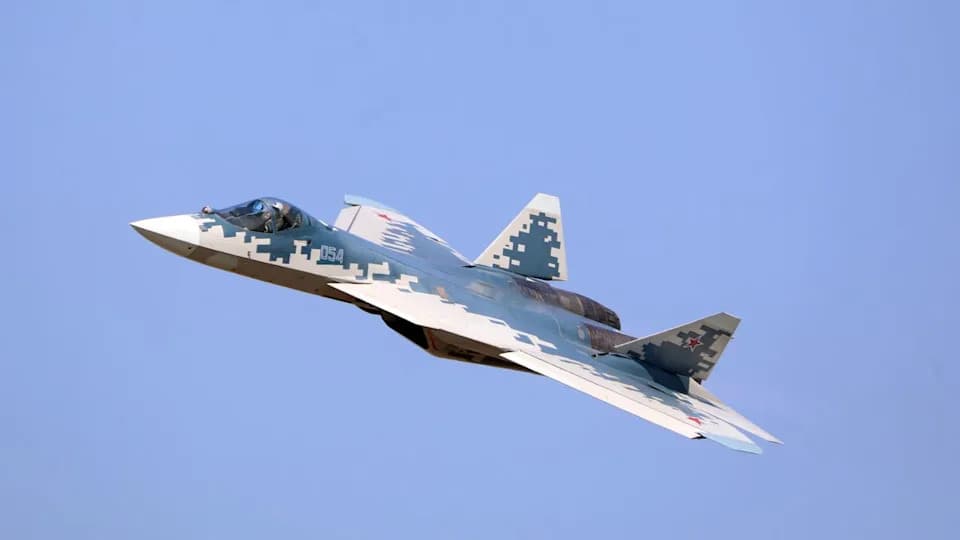
InformNapalm, a prominent Ukrainian volunteer OSINT collective, claims it helped facilitate a cyber and influence operation that caused Moscow’s BARS anti‑drone system to engage and down a Russian Su‑57 stealth fighter during a training flight near Moscow. Russian state media reported the Su‑57 crashed “during a routine training mission,” saying the pilot ejected safely and describing the incident as a technical malfunction.
What InformNapalm Alleges
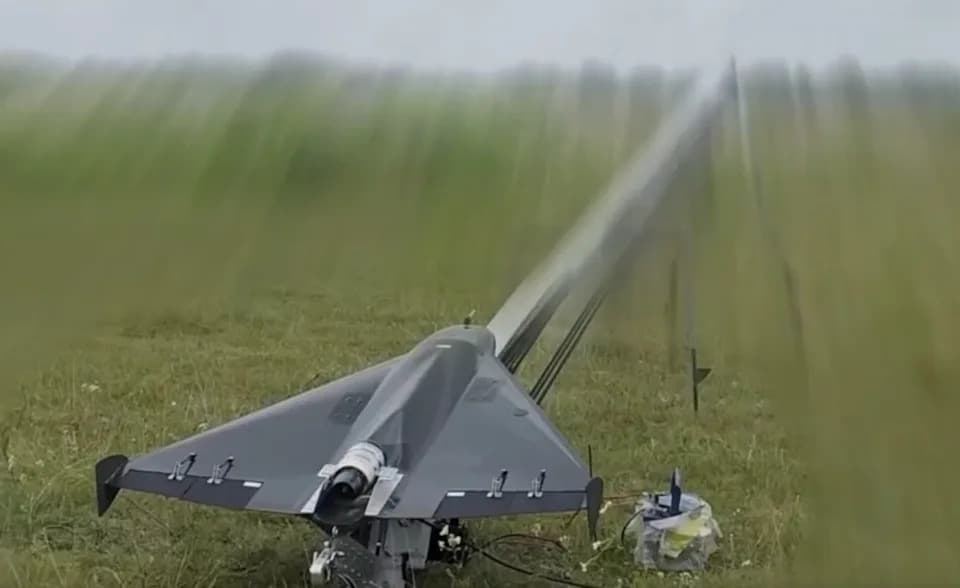
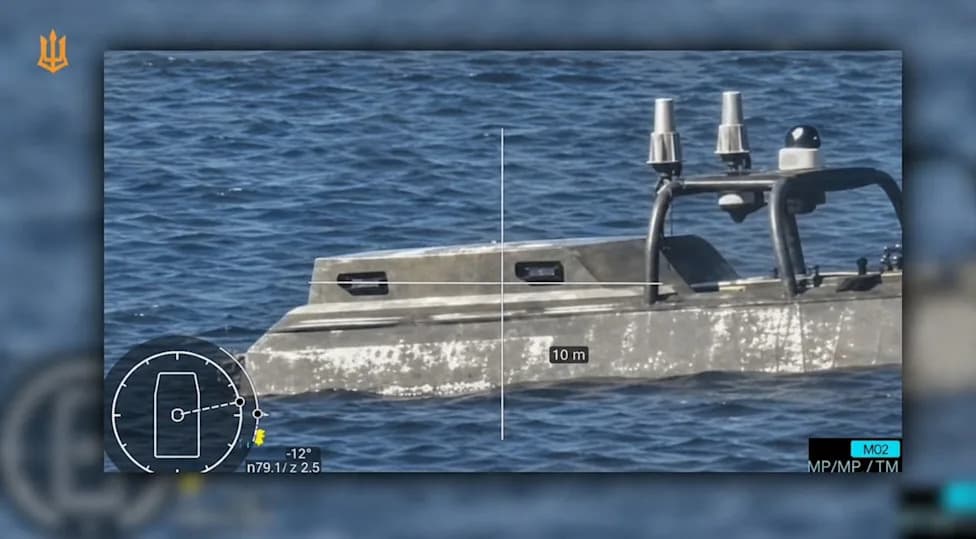
According to InformNapalm, Ukrainian cyber specialists—working with materials obtained via HUMINT and CYBINT—exposed vulnerabilities in components used by the Su‑57 and mounted a coordinated cyber‑influence campaign. The group says the result was that the BARS Moscow drone‑defense network, deployed around the capital in June, misidentified and engaged the fighter jet. InformNapalm has published a mixture of documents, an intelligence brief excerpt citing software and algorithmic vulnerabilities, and a video allegedly showing BARS crews training at a range.
Evidence And Caveats
InformNapalm points to leaked manufacturer documents and training footage as supporting evidence. However, these claims remain unverified by independent investigators; Russian authorities characterize the crash as a technical malfunction, and attribution to a Ukrainian operation has not been publicly confirmed by neutral third parties. Open‑source intelligence can be persuasive but requires corroboration—especially for high‑stakes claims about state cyberoperations.
Context And Significance
Russia is believed to operate only a small fleet of Su‑57s, which raises the strategic value of any loss. The aircraft can carry precision missiles such as the Kh‑59 and Kh‑69, making them priority targets. Kyiv has previously claimed strikes on Su‑57s at Akhtubinsk (2024) and Shagol (May 2025).
Bottom line: InformNapalm’s account, if true, would represent a notable instance of cyber and influence operations directly affecting kinetic outcomes. At present, the report is an allegation supported by OSINT material and leaks; it should be treated as unconfirmed until independently validated.
Help us improve.