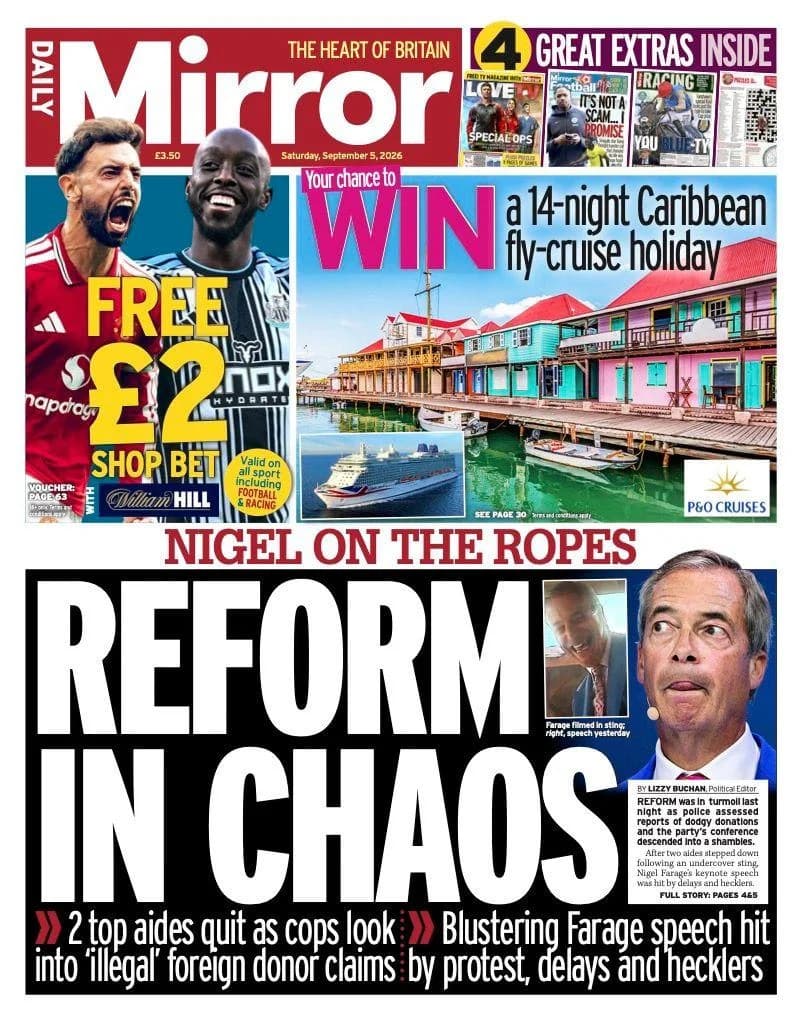
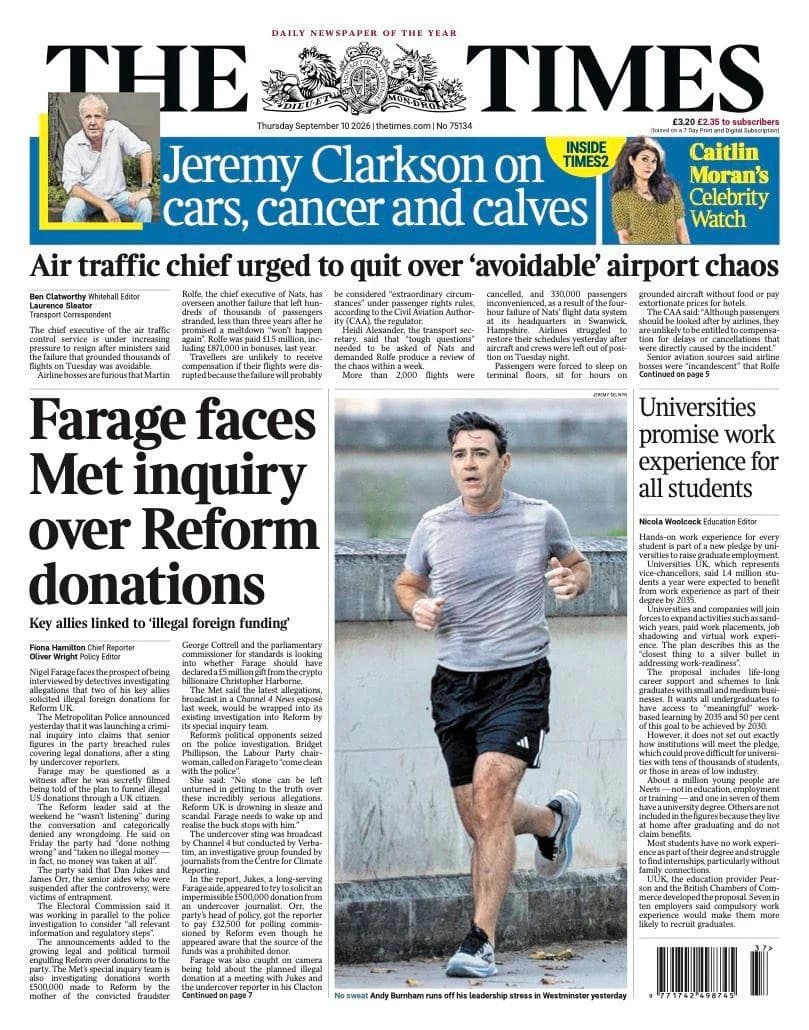
Nigel Farage is operating under heavy security after nearly 600 death threats this year and defends limited disclosure of personal finances amid scrutiny over a reported £5m gift from Christopher Harborne and links to George Cottrell. He warns that political violence has shifted toward online radicalisation and lone actors, criticises current counter‑terrorism responses, and has called a by‑election he describes as a direct test of voter judgment. Reform retains notable polling strength but faces investigations and questions about whether it can sustain momentum and demonstrate readiness to govern.
Nigel Farage: 'If Voters Think I'm A Crook, They Can Remove Me' — Security, Donations And Reform's Future
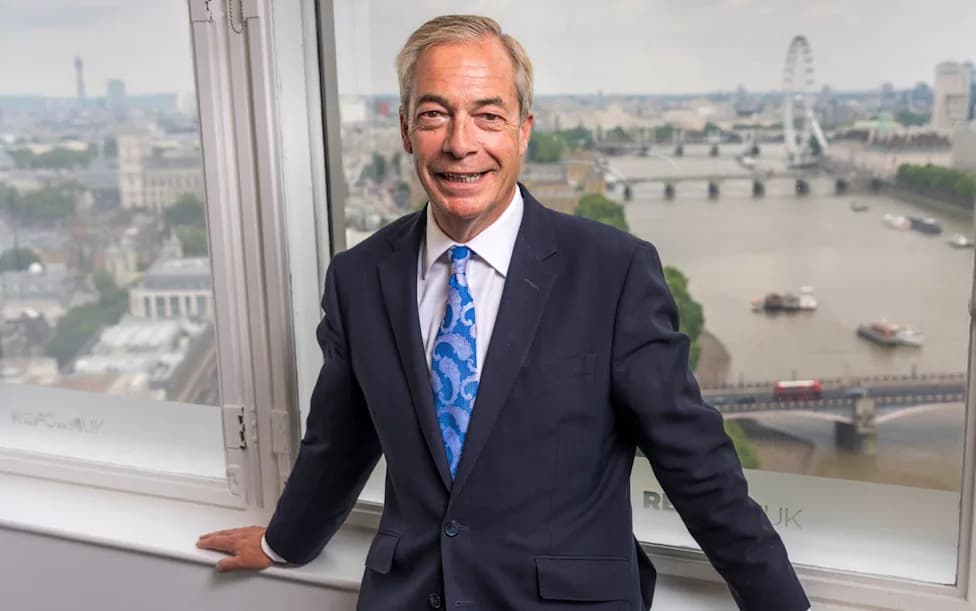
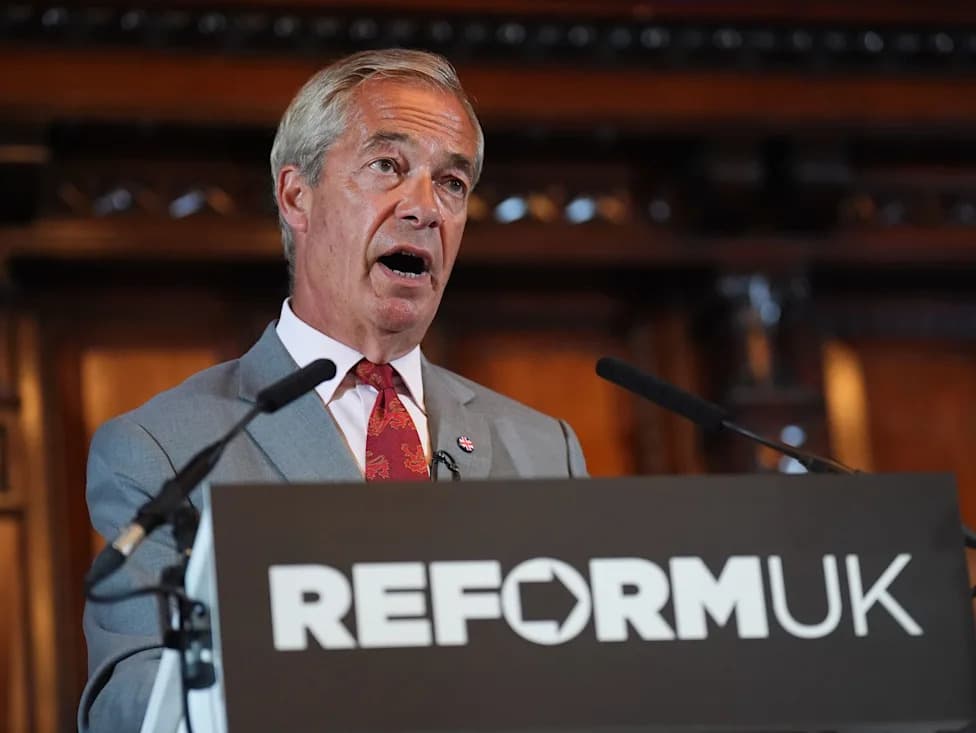
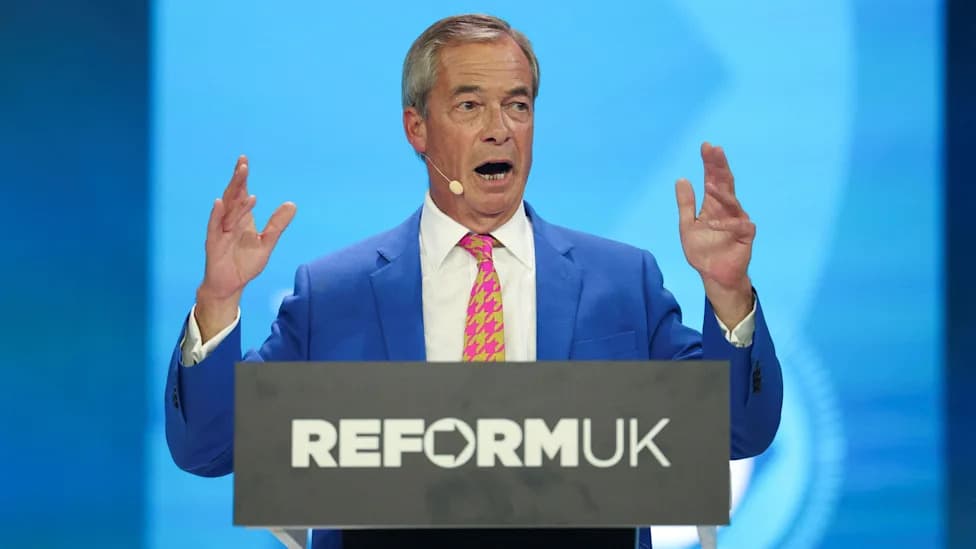
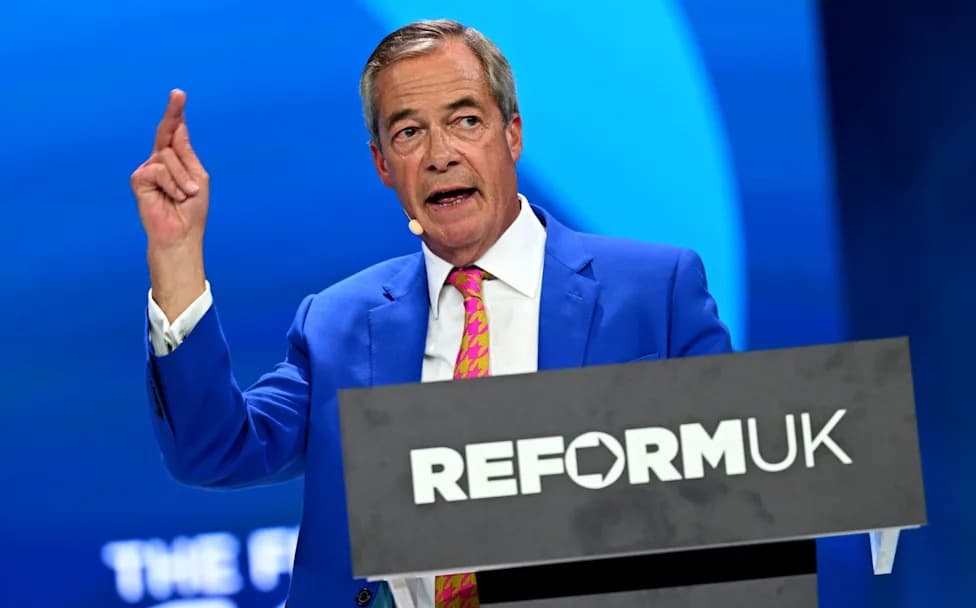
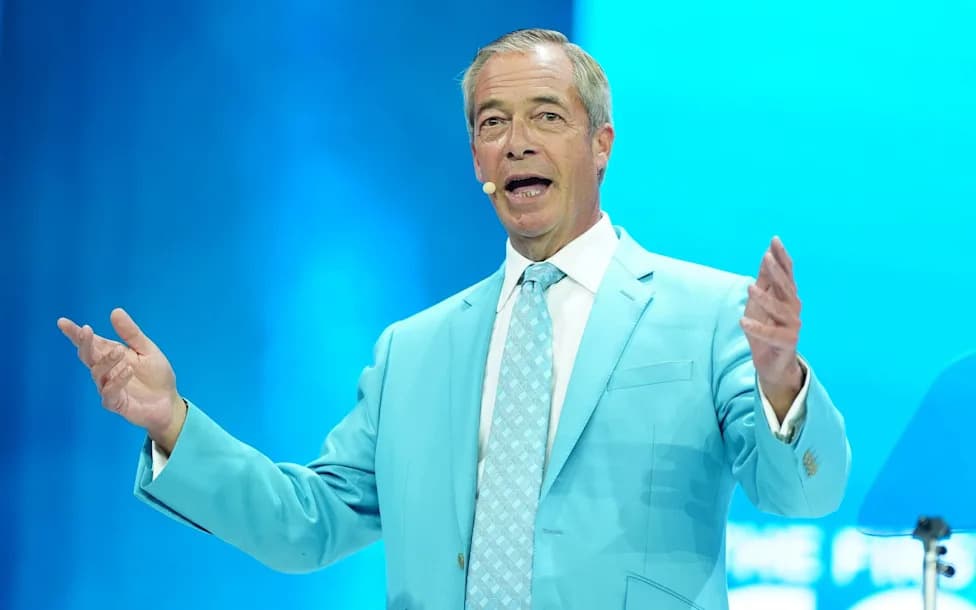
Nigel Farage has triggered a 'People vs Establishment' campaign - Andrew Crowley
Reform party headquarters now greets visitors with conspicuous security: metal detectors, bullet-resistant glass and vigilant guards. Internal records say Nigel Farage has received nearly 600 death threats since the start of the year, and the fortified reception is a visible response to a heightened personal risk. Farage downplays theatrics around the measures, calling them "unsurprising" and accepting that a return to ordinary political life is unlikely.
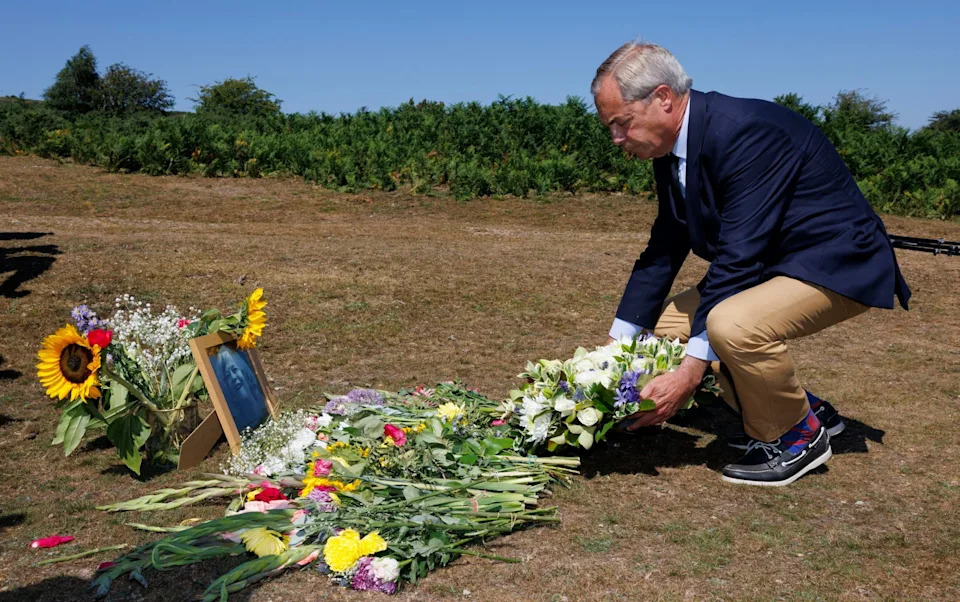
Farage lays a wreath at Anne Widdecombe's home in Devon following her murder - Belinda Jiao
Security, Threats And The Changing Nature Of Political Violence
Farage argues that the tone of modern politics — where opponents are sometimes cast as morally irredeemable — fuels extreme reactions. He points to recent killings that have shocked the political scene and says the landscape of political violence has shifted from organised campaigns with identifiable groups to online radicalisation and unpredictable lone actors. That, he contends, poses new challenges for counter‑terrorism programmes such as Prevent, which were designed to tackle more coherent threats.
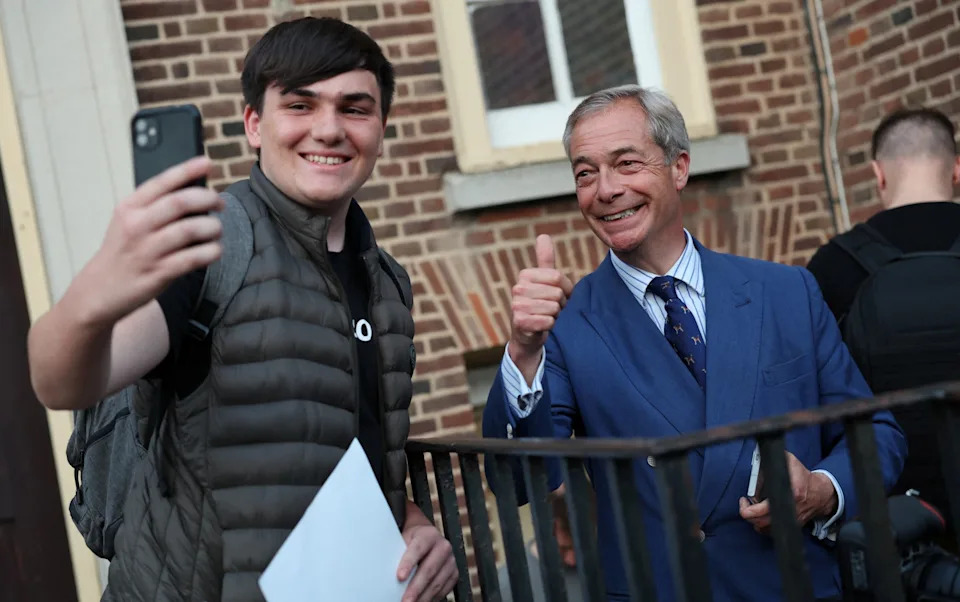
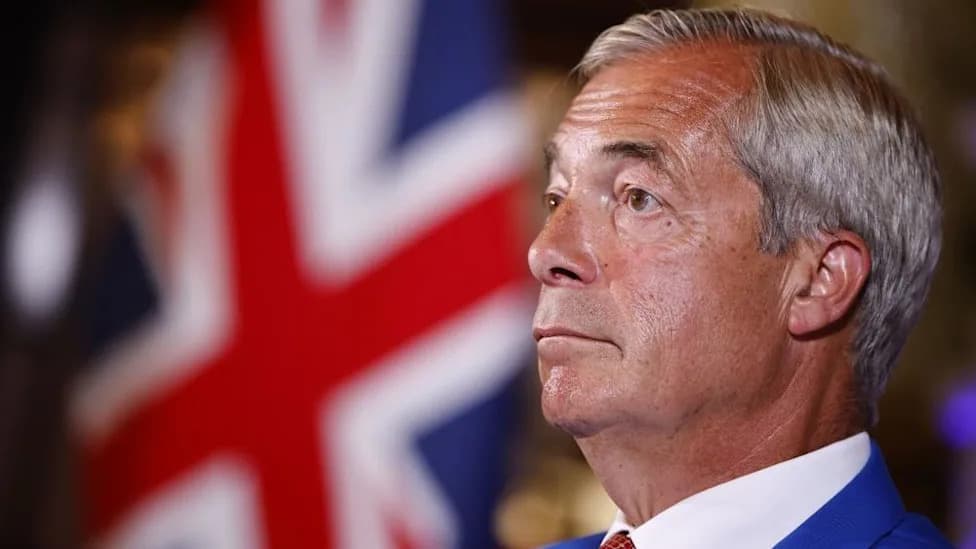
Despite his popularity, Farage has received nearly 600 death threats this year alone - Isabel Infantes/Reuters
"It's not Irish nationalism. It's not Islamist terrorism... Now, you've got online radicalisation and lone wolves," Farage says, arguing that the threat is diffuse and harder to monitor.
Why Farage Is Guarded About His Private Finances
Security concerns, he says, partly explain his reluctance to disclose every detail of his finances and personal life. Critics have interpreted that reticence as evasiveness amid scrutiny over his relationship with George Cottrell and a reported £5m personal gift from Christopher Harborne. Farage rejects the suggestion that secrecy is improper and says safety for himself and those around him is a central consideration.
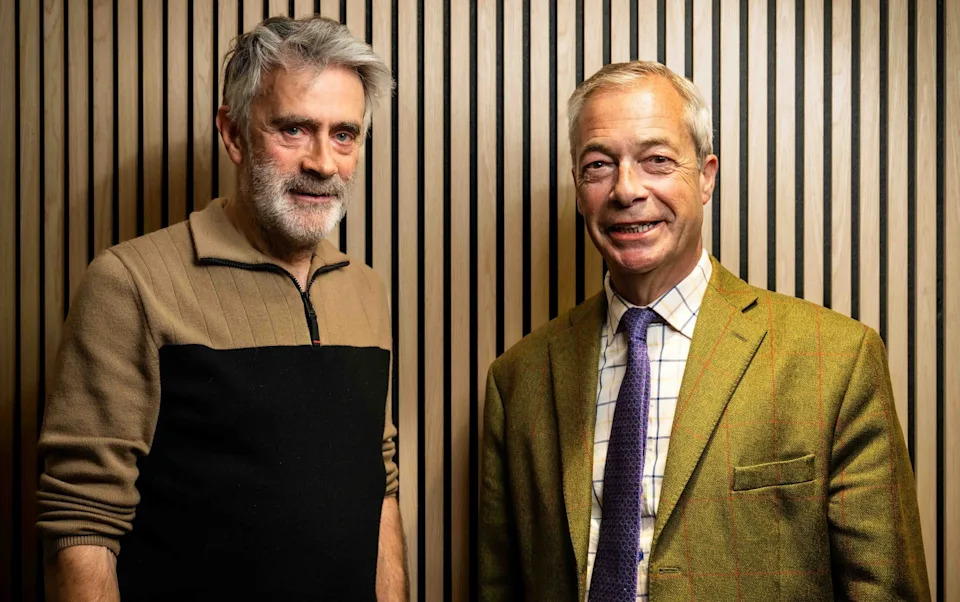
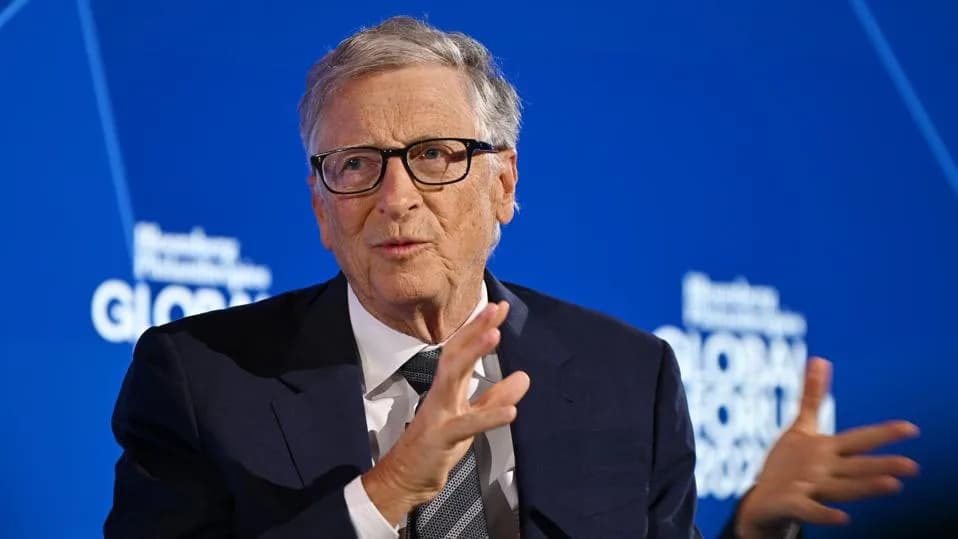
Farage is being investigated over a £5m personal gift he received from Christopher Harborne (left) - John Nguyen
The By‑Election: Democracy Or Diversion?
Farage has prompted a by‑election he frames as a "People vs Establishment" choice. Labour, the Conservatives and the Liberal Democrats declined to field candidates, calling the contest a distraction from formal inquiries into the Harborne gift that predate his announcement to stand. Reform portrays the ballot as direct democracy — a chance for voters to pass judgement. "If those voters really think I'm a crook or a bad dude, they can get rid of me," Farage says.
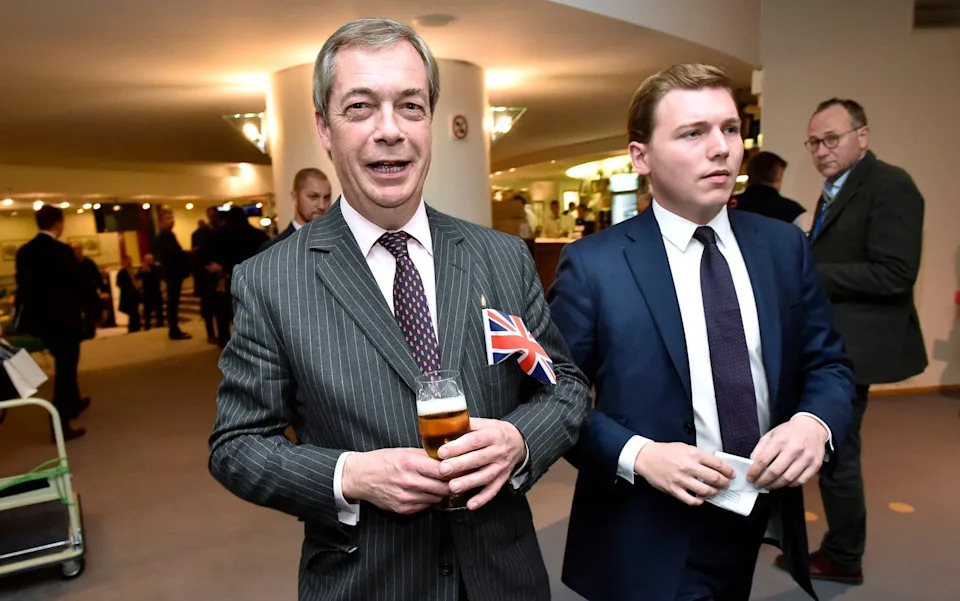
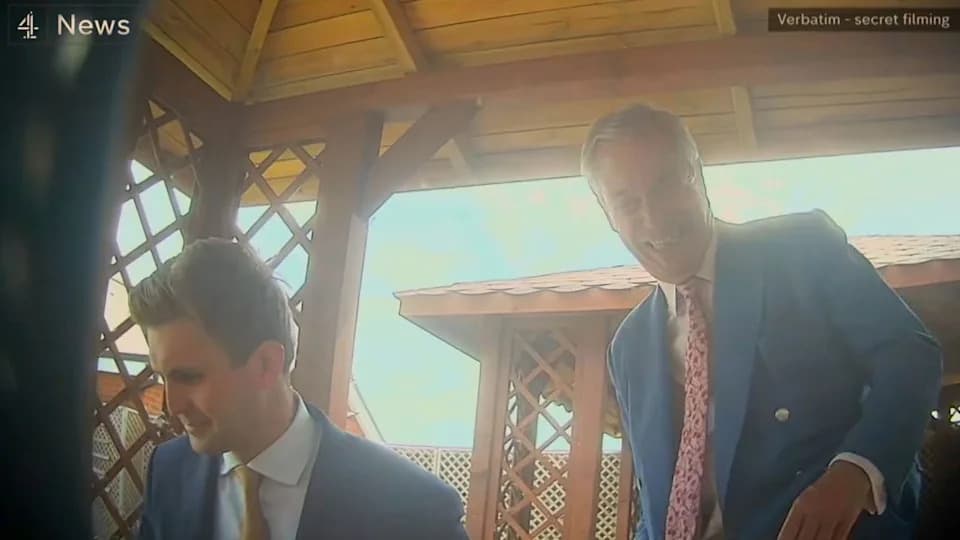
Farage faces a parliamentary inquiry into receiving undeclared gifts and payments from George Cottrell (right), a convicted fraudster - John Thys/AFP
Party activists admit surprise that the major parties stepped aside; they would have preferred a straight contest rather than the more than 30 minor candidates now on the ballot. Farage refuses to speculate about the outcome but insists Reform's momentum presents an electoral threat to the Conservatives in particular.
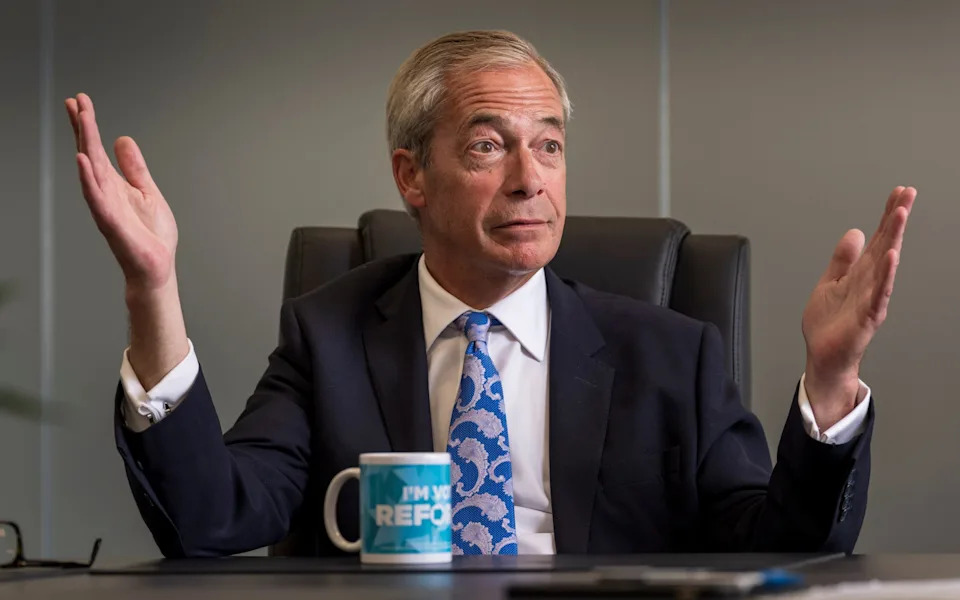
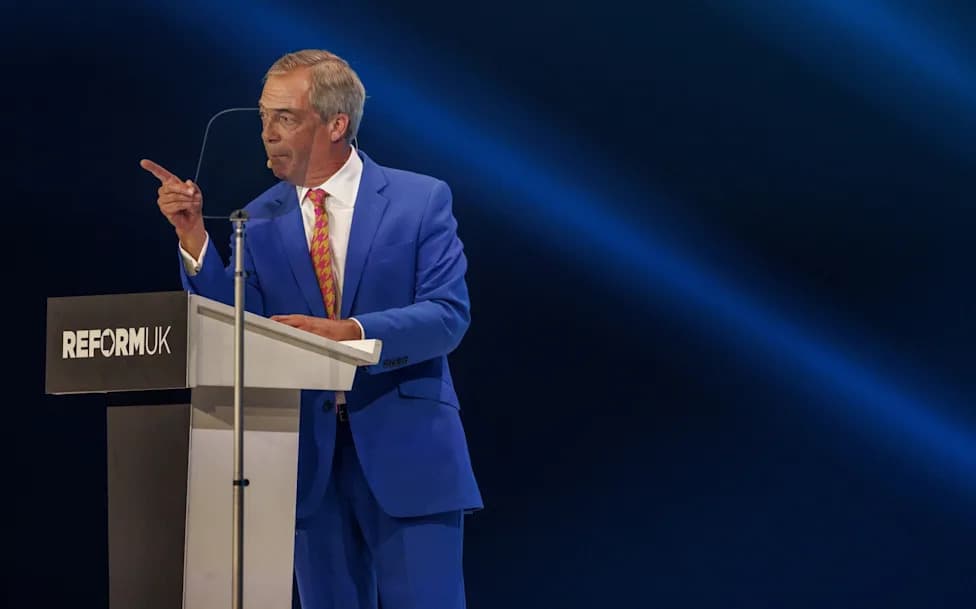
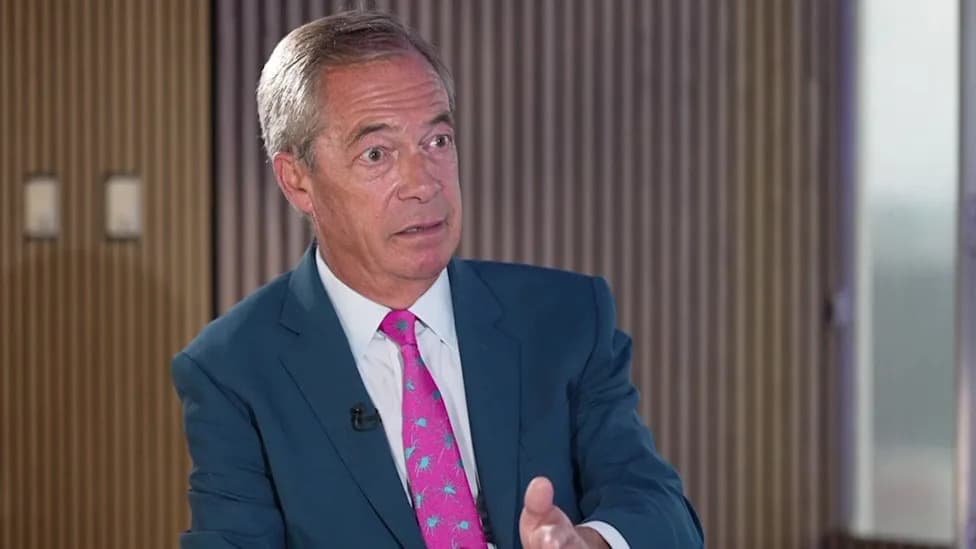
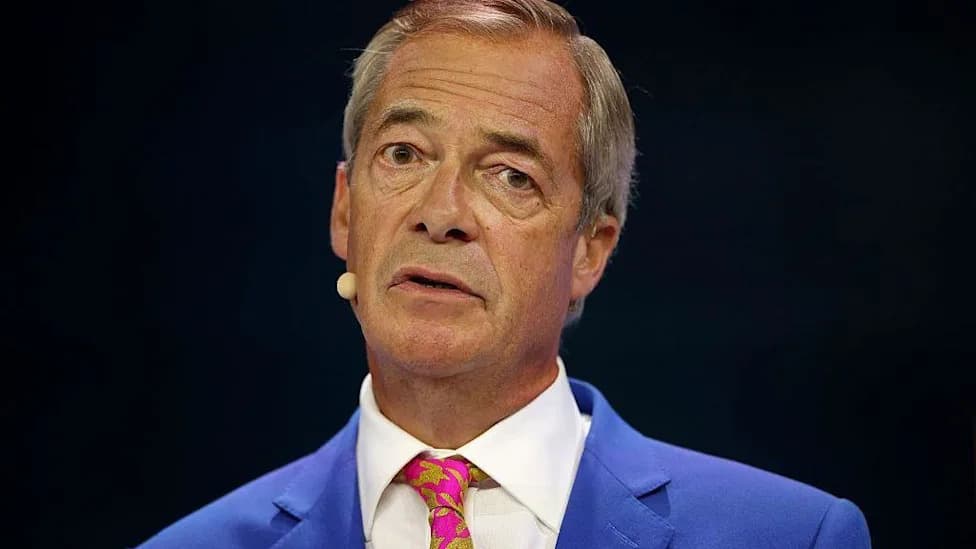
'I've certainly been judged guilty already by the liberal establishment,' says Farage - Andrew Crowley
Momentum, Setbacks And What Comes Next
Since Farage's return to frontline politics in April 2024, Reform has enjoyed a period of growth: narrow council gains, hundreds of councillors elected and polls putting the party consistently high in mid‑period surveys. Still, several recent by‑election defeats and other setbacks have prompted questions about whether that momentum has plateaued. Farage and his colleagues reject the notion that Reform is peaking, arguing the party remains well positioned in national polling.
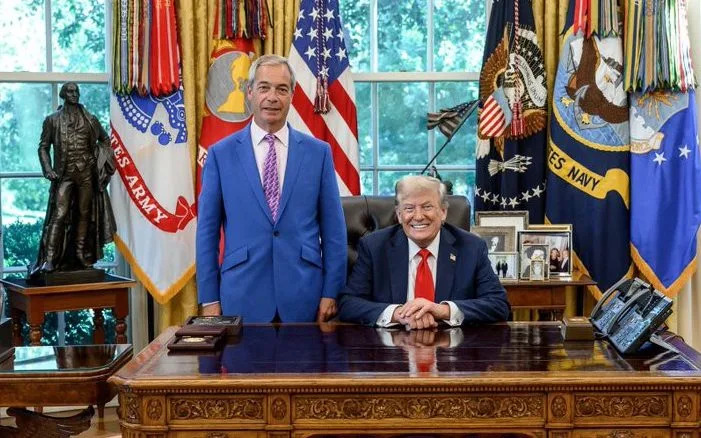
Farage believes Donald Trump 'wants a great relationship with [Britain]' - X
Investigations And Accountability
The Parliamentary Commissioner for Standards has opened an inquiry into whether the £5m gift from Christopher Harborne required different declaration. Separately, the Metropolitan Police are investigating donations linked to George Cottrell and whether some contributions — including those attributed to his mother, Fiona Cottrell — concealed their ultimate source. Both Cottrells deny wrongdoing. Farage says his lawyers advised him that no declaration was required and insists he has not broken the law, avoided tax or misused public money.
Policy Priorities: Immigration, Law And Technology
On policy, Farage continues to emphasise immigration and law-and-order as central themes. He calls for far stricter controls on irregular migration and expresses frustration with incremental improvements, arguing the goal should be zero illegal crossings. He also presses concerns about national debt — highlighted as roughly £3tn, close to 95% of national income — and questions how the government could expand defence spending amid tight public finances.
On technology and markets, Farage is an unabashed supporter of crypto-friendly policy: he has advocated for a more permissive regulatory approach, suggested a central Bitcoin reserve as a provocative idea and argued for lower capital‑gains tax on digital assets to stimulate growth.
Personal Cost And Political Longevity
Farage is candid about the personal toll politics has taken: increased security costs, pressure on family life and the long shadow of threats. He says members of his family have been targeted by intrusive reporting and that he expects elevated risk for the foreseeable future. Still, he insists he will remain prepared to lead Reform toward government — unless a more suitable successor emerges.
Whether Britain's most formidable campaigner can remake himself again and translate popularity into sustainable governing capacity remains the central question for Reform and its supporters.
Help us improve.