The UK government has proposed a major reform of wedding laws in England and Wales, moving from a venue-based model to one led by registered officiants so legal ceremonies can take place in a wider range of locations. Supporters say this will make weddings more meaningful, inclusive and accessible; critics warn it could trivialise the institution. The Law Commission described current rules as outdated and restrictive, and a public consultation runs until September.
Weddings Law Shake-Up: Could Legal Ceremonies Move From Registry Halls To Beaches And Forests?
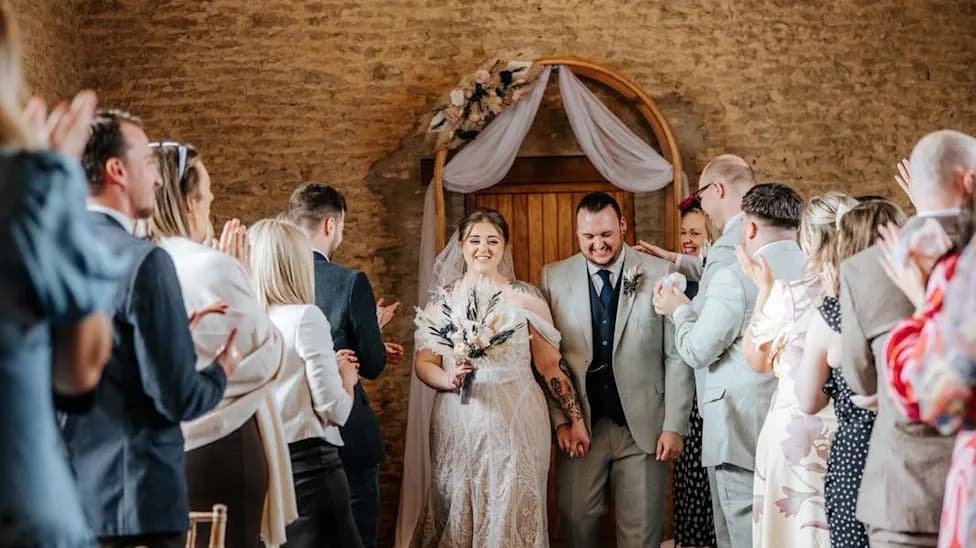
Courtney and Sam Scholey had their dream wedding day at a venue in the Oxfordshire countryside - only it wasn't legal [KJA Photography/Kimberley Appleton]
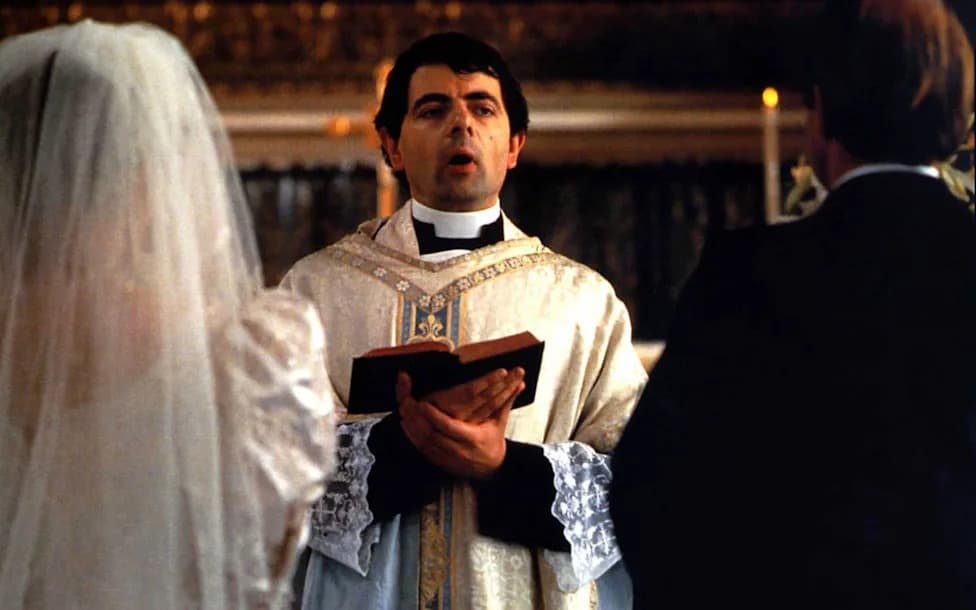
The day Sam and Courtney Scholey legally became husband and wife felt nothing like the wedding they wanted. There was no procession, no exchanging of rings, no dress and no music — those elements came later in a bespoke ceremony led by a celebrant at an Oxfordshire venue. To make their union valid under current law, the couple quietly paid to sign paperwork at a library in Buckingham.
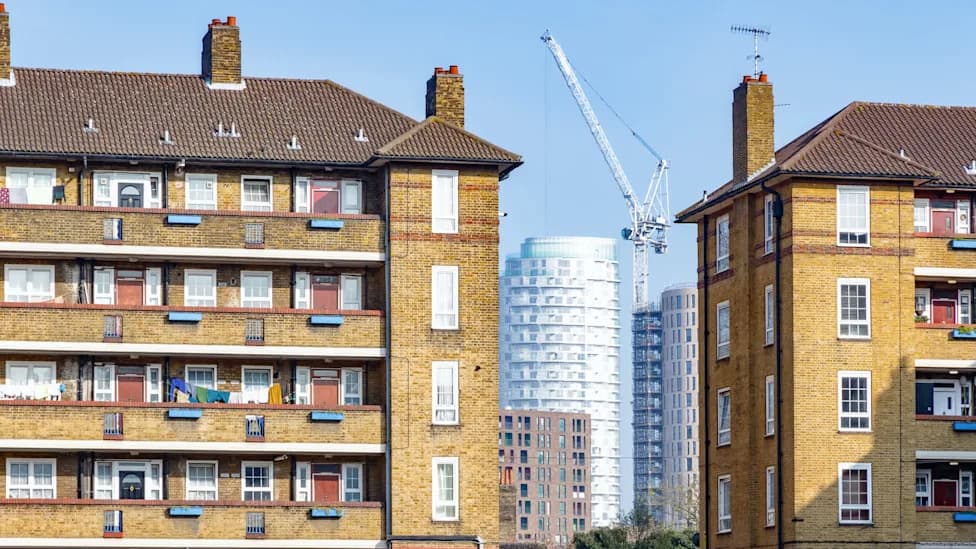
Wedding rules date back to the 18th and 19th Centuries [Getty Images]
What Is Changing?
This month the UK government unveiled proposals described as the biggest overhaul of wedding law in 200 years. If adopted, the reforms would shift England and Wales from a 'building-based' model — where legality depends on an approved venue — to an 'officiant-based' model in which a registered officiant can approve an outdoor or unconventional site. That could open the door to legally recognised weddings in forests, beaches, private gardens and other approved locations.
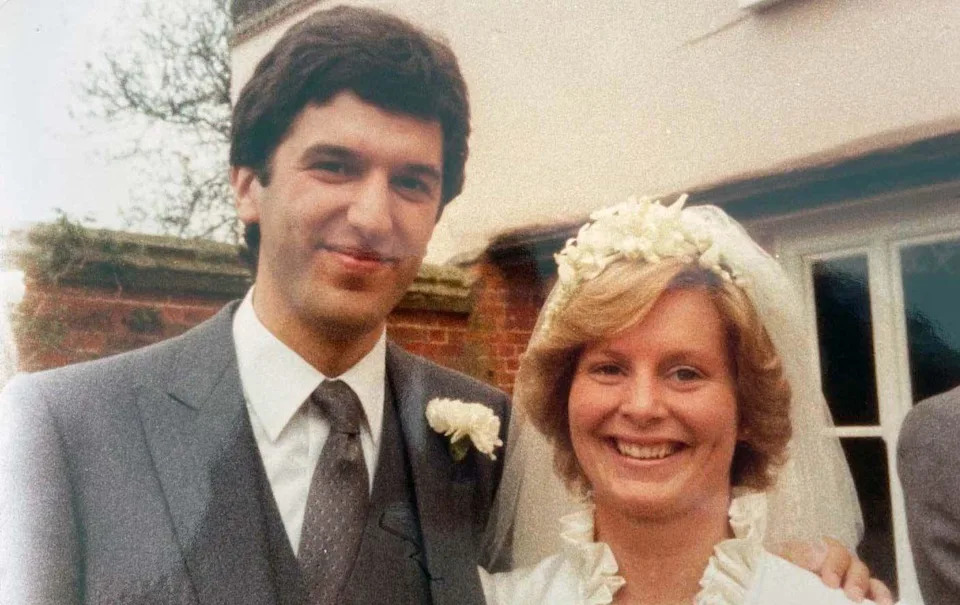
Simon and Miranda Allard had to get permission to hold an interfaith ceremony in her parent's garden when they got married 40 years ago... [Miranda Allard]
Why Supporters Want Reform
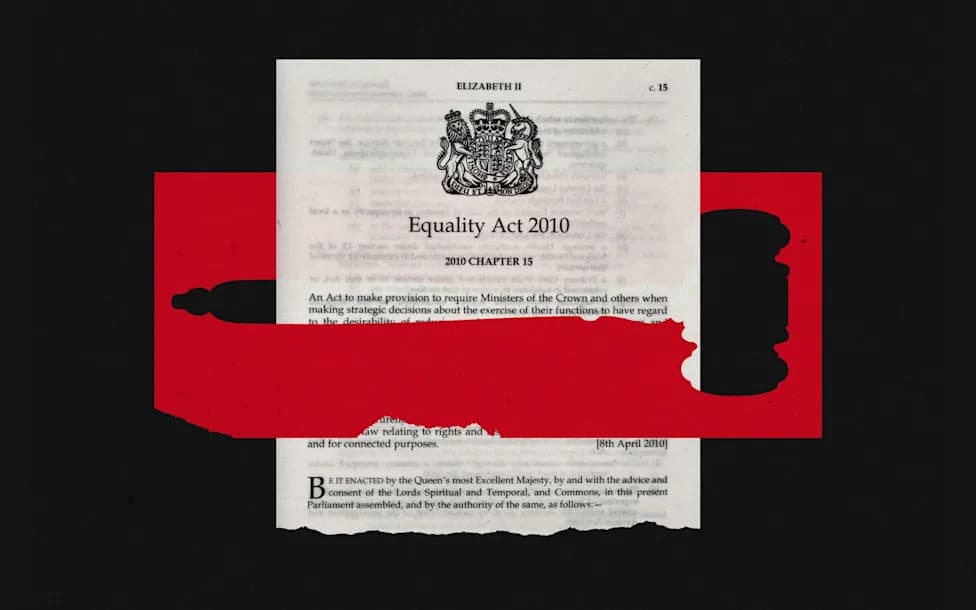
Many couples and celebrants say current rules are outdated, costly and restrictive. A 2022 Law Commission report called the existing framework "complicated, inefficient, unfair and needlessly restrictive." Supporters argue the change would allow ceremonies that better reflect couples' beliefs and cultures, reduce the need to pay for two separate services (one legal, one personal), and improve accessibility for older or unwell relatives.
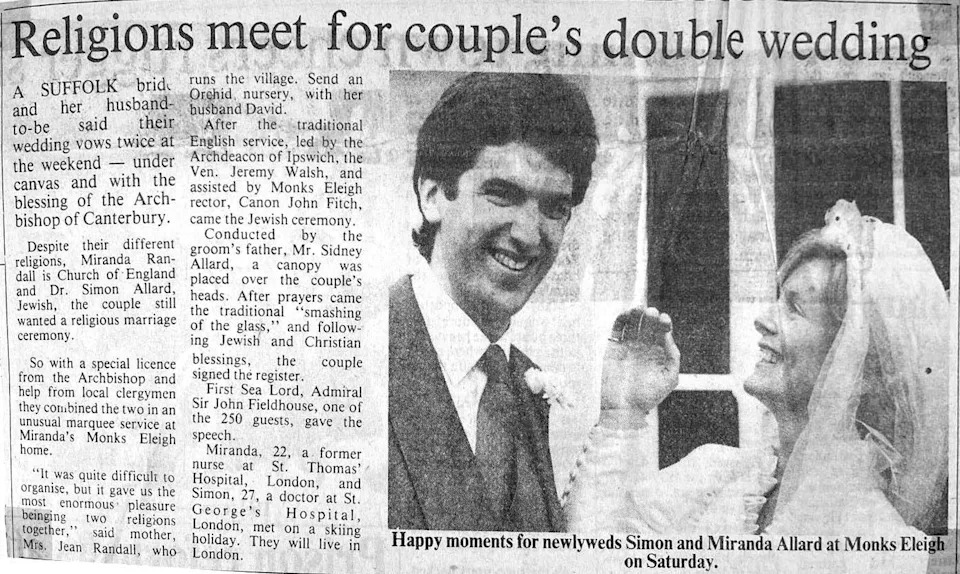
... their nuptials even made the paper [Miranda Allard]
'For us, that day was as insignificant as possible,' Courtney said of the library signing. 'It was just the words we had to say to make it legally binding.' — BBC report
Concerns And Counterarguments
Critics warn the reforms could trivialise marriage or undermine longstanding religious and social traditions. Some worry about gimmicky stunts being passed off as legal ceremonies. The government says safeguards will be in place: ceremonies judged to risk trivialising the legal act — examples cited include skydiving, white-water rafting and roller-coaster rides — would not be permitted.
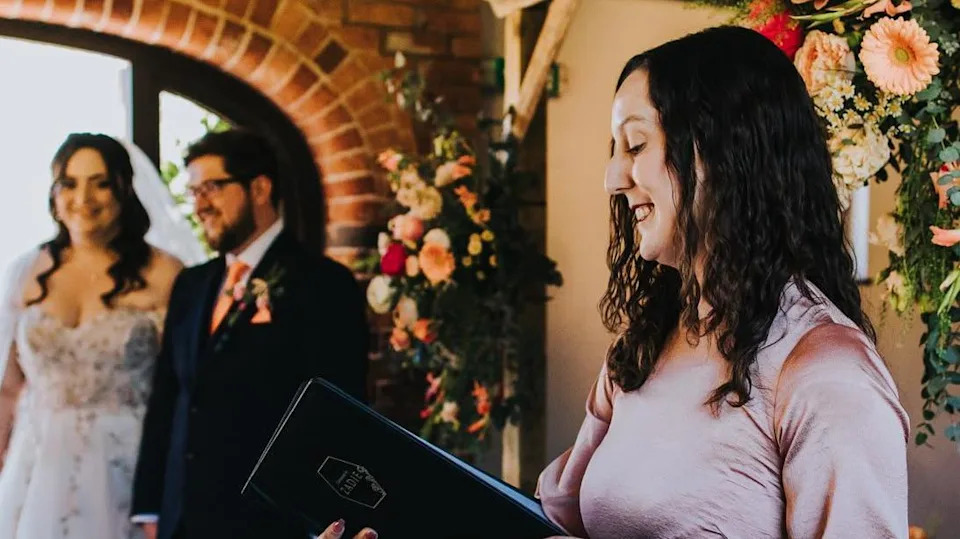
"Modern relationships deserve modern ceremonies," says celebrant Zadie Ward [Sophie Ann Photography]
There are also practical questions about whether changing where a ceremony can legally occur will significantly lower overall wedding costs. Industry figures estimate the average wedding now runs to around £21,990, with much of that spent on receptions, catering, photography and other extras rather than the legal ceremony itself.
Who Stands To Benefit?
The proposed changes could particularly help interfaith couples, LGBT Christians who cannot be married in some churches, and couples who want small, meaningful ceremonies in settings that matter to them. Testimonials in the BBC coverage included people who delayed marriage because affordable, legally recognised options that reflected their values were not available.
Next Steps
The government consultation on the proposals is open to the public until September. If implemented, regulations would be redesigned around authorised officiants who can approve specific sites and ensure ceremonies meet legal and dignity standards.
Whatever the outcome, the debate highlights a tension between tradition and modernisation: ensuring the legal and social significance of marriage is preserved while giving couples more freedom to mark the occasion in ways that feel authentic to them.
Help us improve.