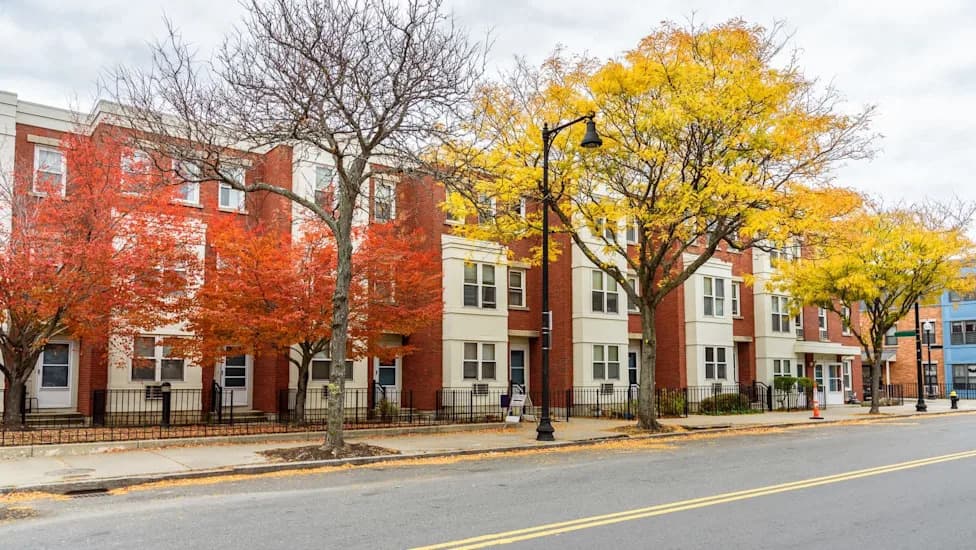
The St. Louis Art Place Initiative (API) helps local artists become homeowners to prevent displacement and build neighborhood wealth. Launched in 2019, API acquired 24 parcels in Gravois Park and partnered with Habitat for Humanity and community groups to build affordable homes; the first units were completed in 2021–22, and a third sold in early 2026. Serving artists earning 25%–75% of AMI, API uses subsidies, a 90% tax abatement, deed restrictions and an AMI-based resale formula to preserve long-term affordability while planning a Cultural Land Trust by 2027.
How St. Louis’ Art Place Initiative Helps Artists Buy Homes and Build Neighborhood Wealth
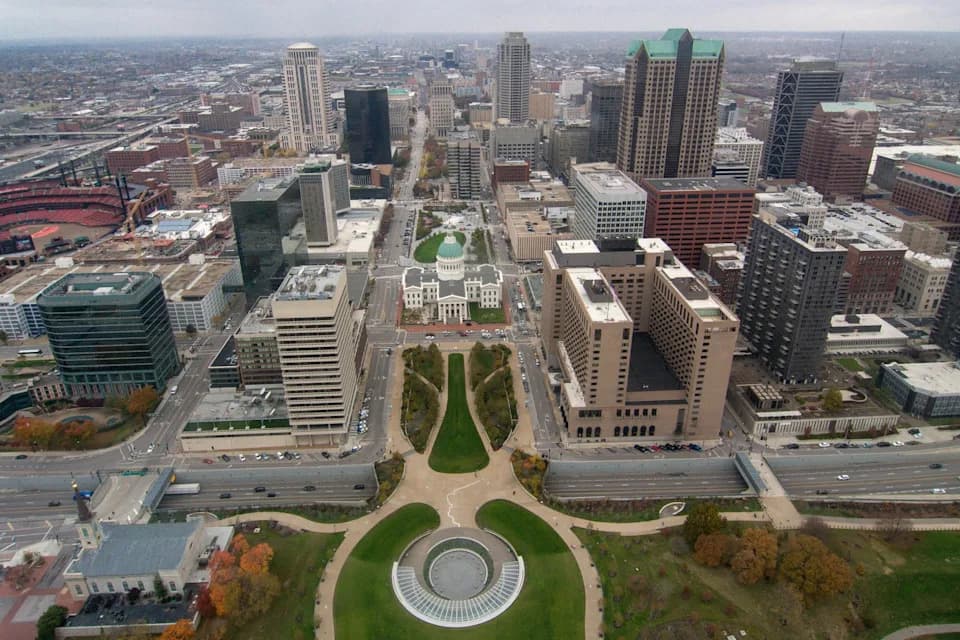
Founded in 2019, API was created in response to the Gravois-Jefferson Historic Neighborhoods Plan. (Getty Images)
The St. Louis Art Place Initiative (API) is using arts-led development to prevent artist displacement and create long-term neighborhood wealth by helping local creatives buy the homes where they live and work.
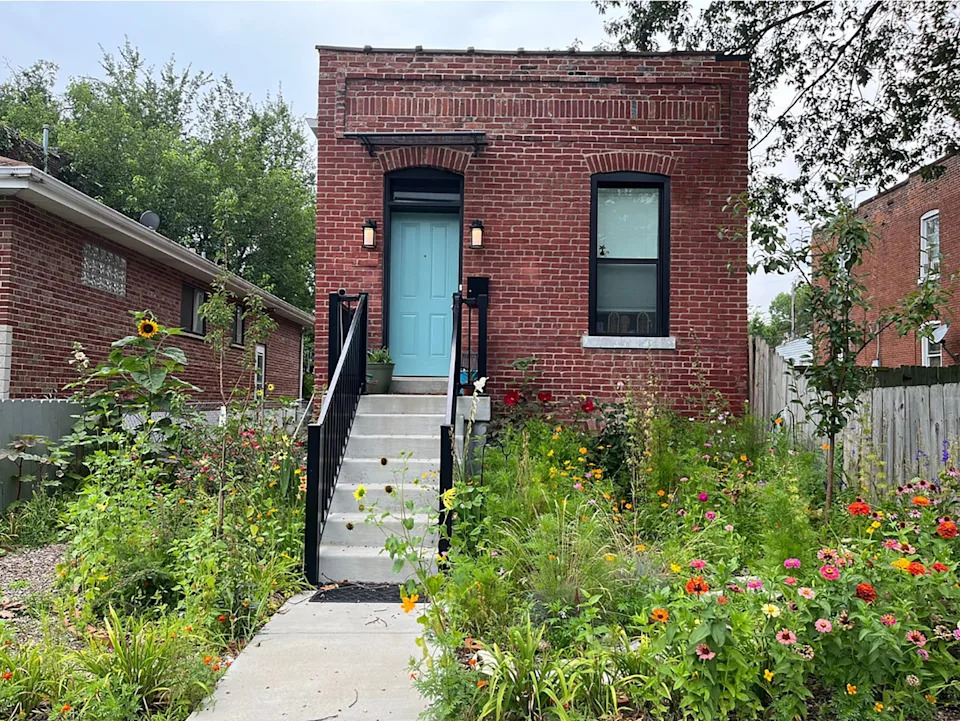
To kick-start the project, API partnered with the city land bank to acquire 24 parcels within a 4-by-1-block radius in the South City's Gravois Park neighborhood. (St. Louis Art Place Initiative)
From Vacancy to Homeownership
Founded in 2019 in response to the Gravois-Jefferson Historic Neighborhoods Plan, API was created by a partnership of the Incarnate Word Foundation, the Kranzberg Arts Foundation, and the Regional Arts Commission. The initiative acquired 24 parcels in a compact 4-by-1-block area of Gravois Park, South City, and teamed with Habitat for Humanity as its primary development partner. The Dutchtown South Community Corporation serves as the neighborhood liaison to maintain local ties.
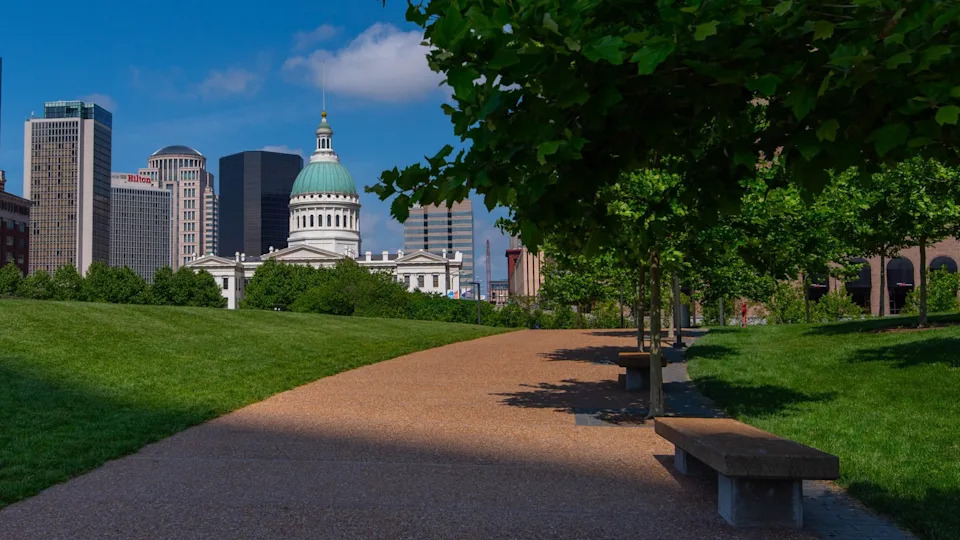
API's mission is to build "wealth and equity for low-to-moderate income artists through homeownership," says Kaveh Razani, a real estate development consultant for API. (Getty Images)
Progress and Timeline
API planned to start building in March 2020 but delayed until the end of the year because of the COVID-19 pandemic. The first home was completed in 2021 and a second in 2022. After tapping American Rescue Plan Act funding, API sold a third house in early 2026 and expects to sell additional homes later in 2026. Currently, three units are under construction and the initiative plans to break ground on three more by year’s end, aiming to deliver 18 affordable artist homes in Gravois Park.
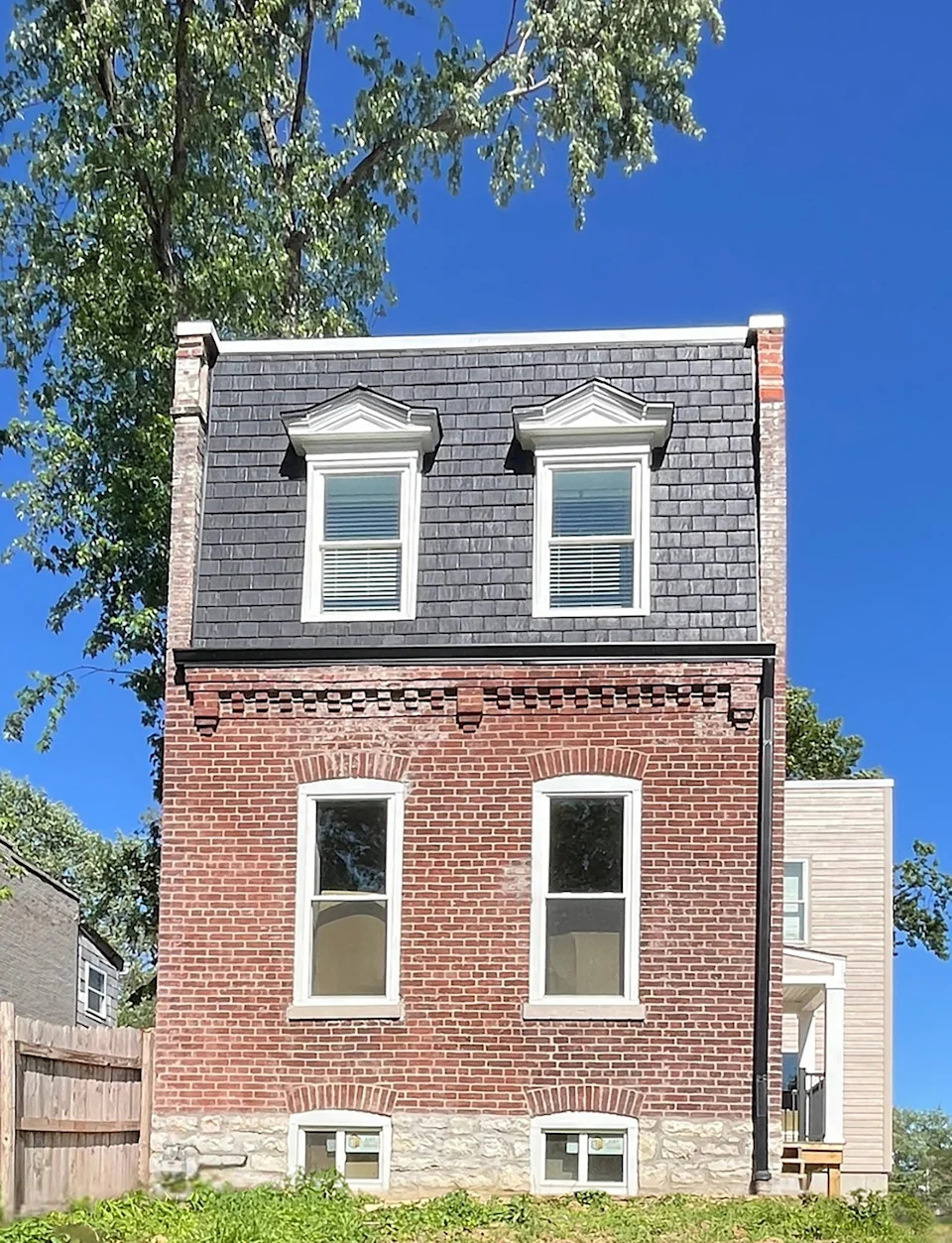
In March 2020, API had planned to begin building its first homes, but with the COVID-19 pandemic looming, it had to delay construction until the end of the year. (St. Louis Art Place Initiative)
Who Qualifies—and How It’s Subsidized
API serves artists earning between 25% and 75% of area median income (AMI). The program typically sells homes well below construction cost and fills the gap with municipal and developer subsidies. Buyers also benefit from a 90% property-tax abatement for 10 years because the neighborhood is designated a Qualified Census Tract.
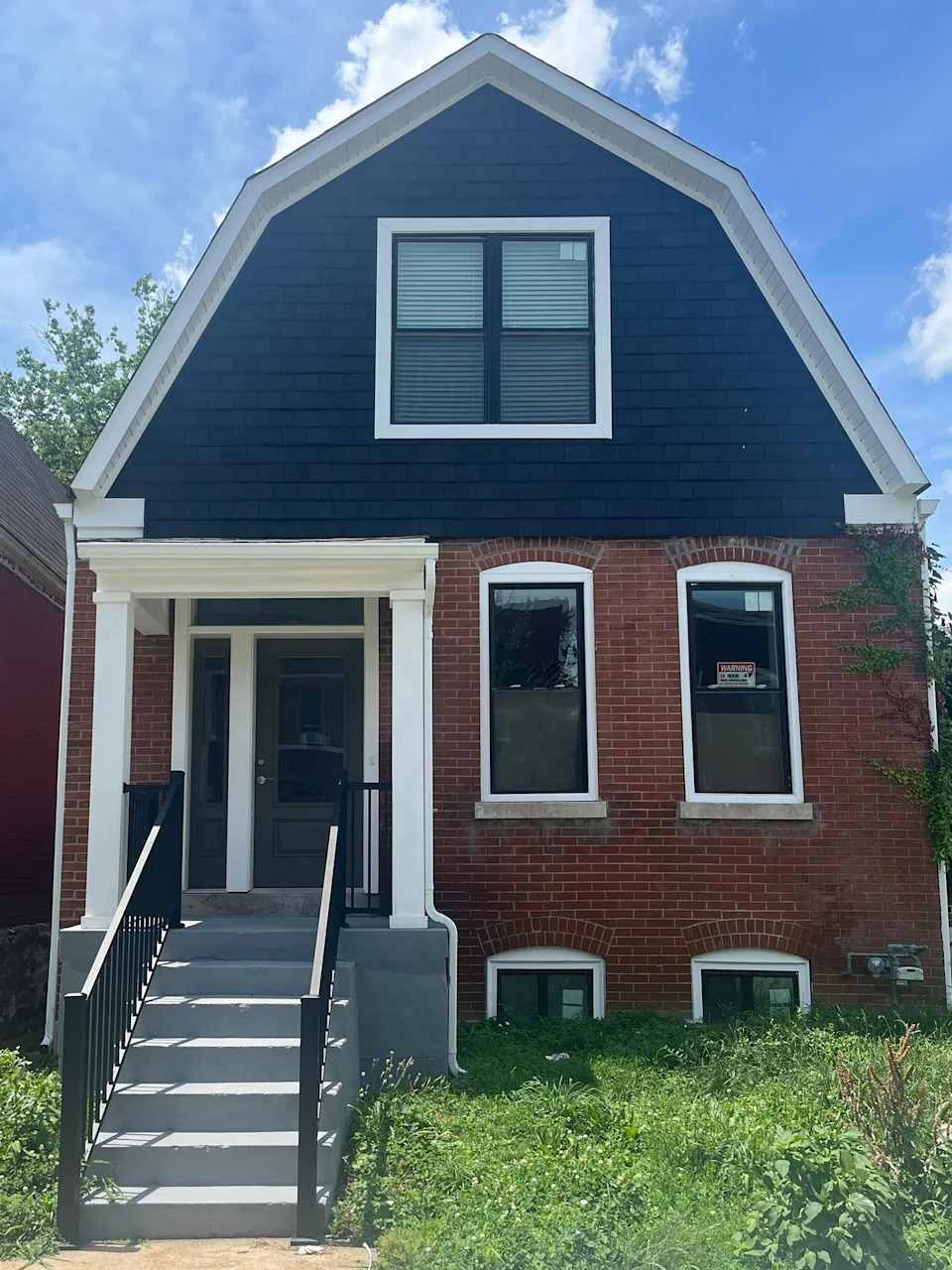
While St. Louis' real estate market makes land acquisition much more affordable, API believes this model could be expanded beyond the city. (St. Louis Art Place Initiative)
Prices and Quality
API’s first two homes sold for $180,000 and $170,000, respectively—both below St. Louis’ June 2026 median listing price of $212,000. Rising material costs mean upcoming homes are expected to fall in a higher range, roughly $225,000–$275,000. Despite shifting price points, API enforces universal design guidelines to ensure consistent exterior and interior quality across homes while allowing architectural variety.
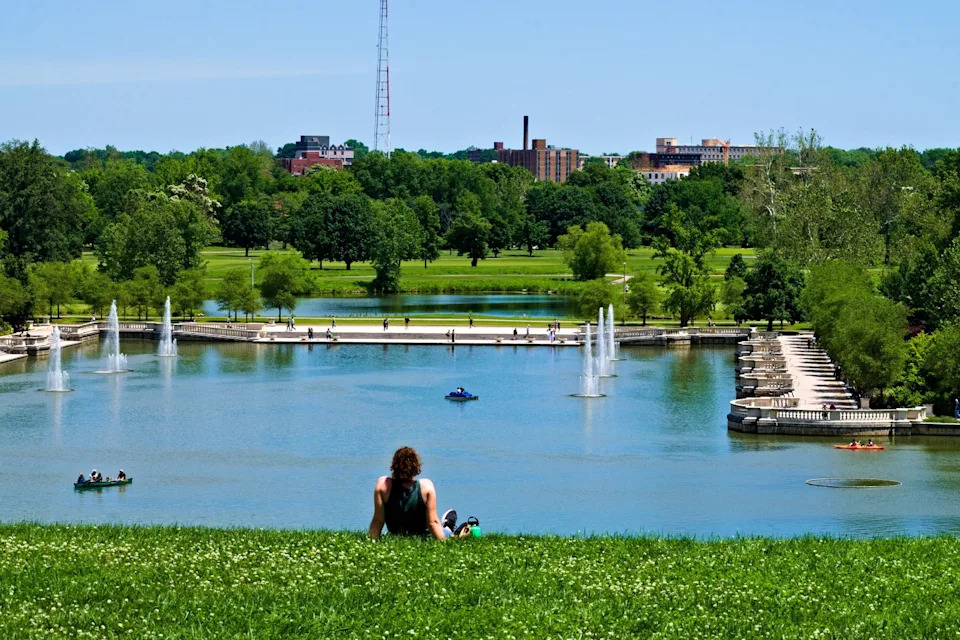
API's first house was completed in 2021, with its second following in 2022. (Getty Images)
“For us, artists contributing to the wealth of a neighborhood, but then being the first to be displaced from that neighborhood, is exactly the trend that we are attempting to supersede,” said Kaveh Razani, API real estate development consultant.
Support Services And Long-Term Affordability
API defines an artist broadly as anyone who identifies as an artist and maintains a committed creative practice, even if their primary income comes from other work. Applicants connected to the neighborhood complete a financial application and, if eligible, receive wraparound support: financial wellness reviews with St. Louis Community Credit Union, pro bono tax preparation from volunteer lawyers and accountants, and homebuyer-readiness workshops run by Habitat for Humanity.
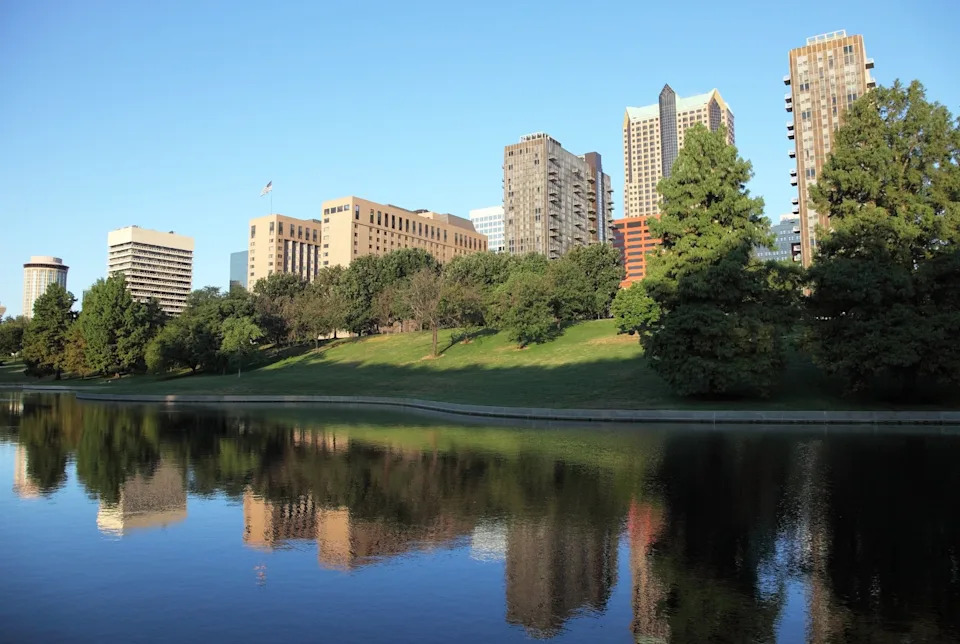
API serves artists within a 25% to 75% area median income range, frequently selling homes for far less than they cost to build. (Getty Images)
To preserve affordability for future generations, each property carries a deed restriction requiring resale to API or an approved designee. API also uses a resale formula tied to AMI shifts to cap equity on resale—allowing homeowners to benefit from appreciation while ensuring the homes remain affordable to the next low- to moderate-income artist.
Building Cultural Infrastructure
API is developing a Cultural Land Trust (CLT) to own and steward cultural assets, and is defining the CLT’s governance, geographic scope, and asset types with plans to formalize the entity in 2027. Beyond housing, API asks participating artists to lead neighborhood art projects—murals, sculptures, pocket parks—that strengthen social ties and make the neighborhood more vibrant.
“We really believe that arts-based community development is one of the best tools for creating change in St. Louis right now,” said Executive Director Jennifer Allen.
Scalability And Future Plans
API sees St. Louis—with deep artistic roots and substantial vacant land—as an ideal testing ground but intends to adapt and scale the model to other neighborhoods after completing the initial 18 homes. The initiative offers a replicable combination of land acquisition, nonprofit partnerships, subsidies, tax incentives, supportive services, and deed-restricted resale rules to protect long-term affordability for artists.
By combining homeownership, cultural stewardship, and community-led public art, API aims to ensure that artists not only contribute to neighborhood revitalization but also share in its economic benefits.
Help us improve.