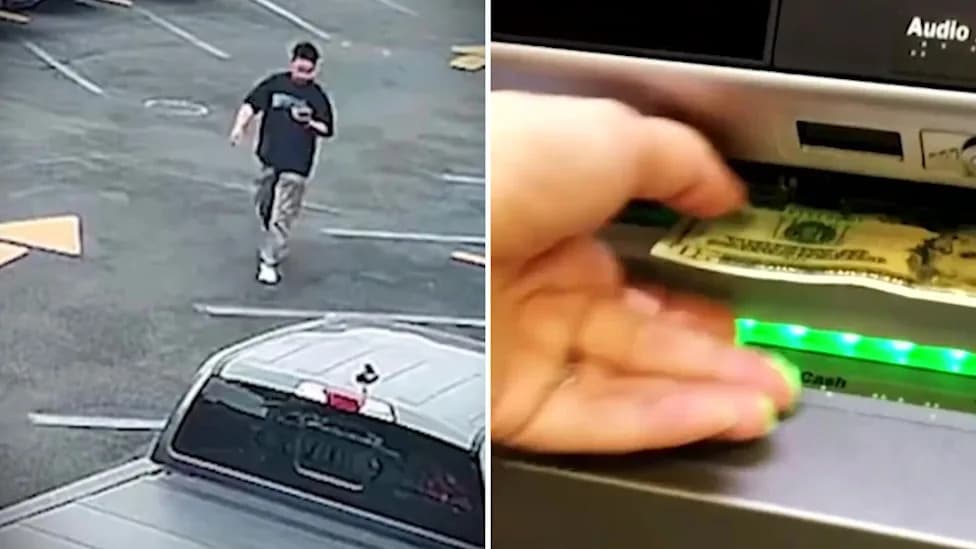
An Ohio woman who was told her identity was used to wire $40,000 withdrew $15,000 in cash and handed it to a man in a Meijer parking lot; the incident was reported to Richmond Heights police on July 15. Scammers create urgency to force victims off official banking channels and into irretrievable cash handoffs. End suspicious calls and verify claims through your bank’s official app, the number on the back of your card, or a branch visit. If you’ve already lost money, contact your bank and police immediately and preserve call logs, receipts, and any location details.
Caller Falsely Claimed a $40,000 Wire — Ohio Woman Withdrew $15,000 and Handed It to a Stranger in a Meijer Parking Lot

Image Credit: Shutterstock.
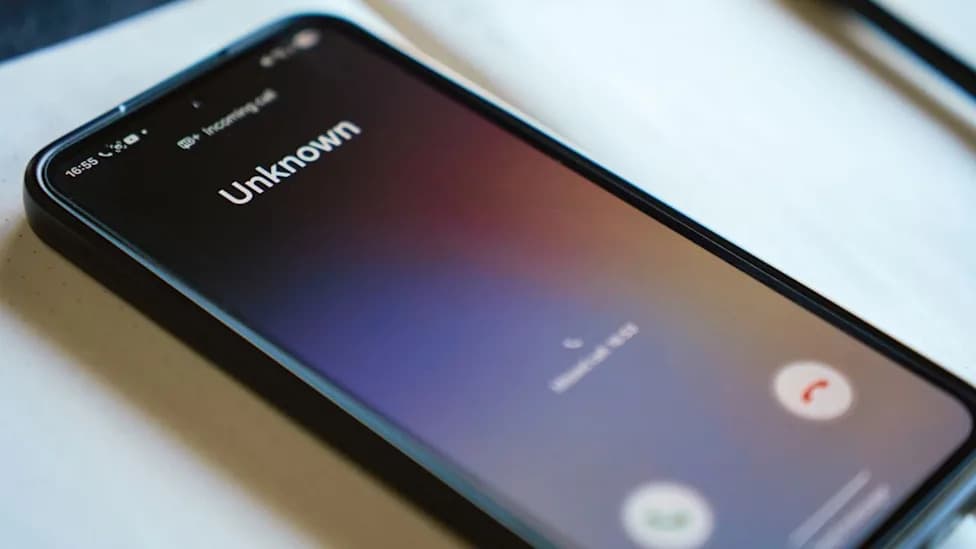
An Ohio resident says she received a phone call from someone claiming to be her bank and was told her identity had been used to wire $40,000 out of her account. Acting on that instruction, she withdrew $15,000 in cash and met a man in the parking lot of a Meijer store, where she handed the money to him. Richmond Heights police say the woman reported the incident on July 15, Cleveland.com reported.
How the Scam Worked
The unsolicited caller created a sense of urgent financial danger: the message that a large wire transfer had already been made. Instead of advising routine fraud responses — such as freezing the account, going to a branch without staying on the phone, or calling the number on the back of the card — the caller instructed the victim to withdraw cash and bring it to a retail parking lot for a handoff.
Key risk: Once cash is handed to a stranger, there is typically no way to reverse the loss. Cash pickups depend on speed, confusion, and convincing victims that the courier is part of the bank’s solution.
Why This Is Dangerous
The store served only as a meeting point; the real danger was the cash transfer itself. Unlike disputed card charges or bank transfers, cash cannot be reversed by the bank. Scammers intentionally push victims off official banking channels and toward an unknown person in a public place.
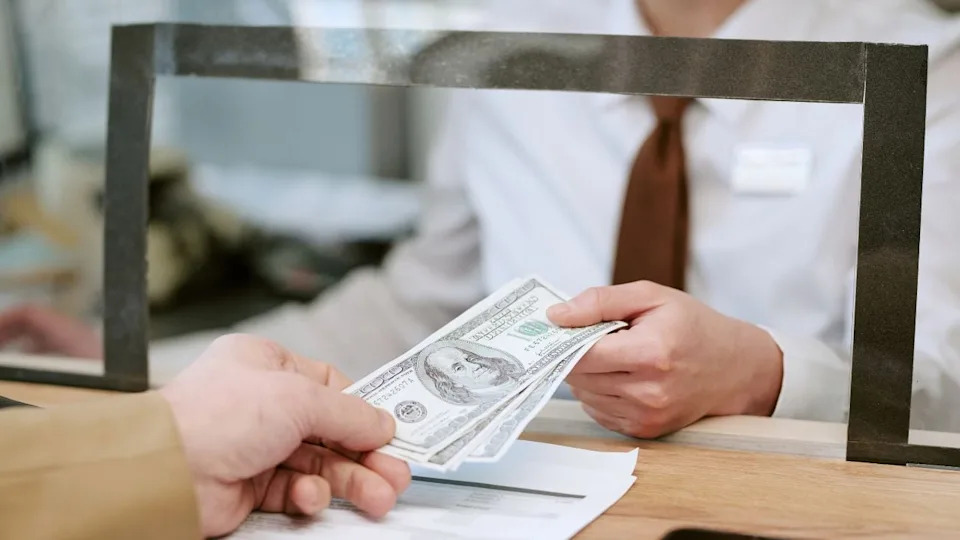
Image Credit: Shutterstock.
What To Do If You Receive This Kind Of Call
- End the call immediately. Then verify the claim through official channels: the bank’s mobile app, the phone number on the back of your card, or a branch visit. Do not stay on the original call.
- Never withdraw cash or hand money to someone because a caller told you to. Legitimate banks can freeze accounts, stop some transactions, open fraud investigations, and issue replacements without asking customers to deliver cash to a stranger.
- If you already handed over money: Contact your bank and local police right away and ask the bank to secure the account and review recent activity.
Evidence To Preserve
Collect and keep anything that can help place the pickup in time and location. Useful items include:
- Call logs, voicemails, and text messages
- Bank withdrawal slips and branch receipts
- Account alerts and screenshots of recent transactions
- Exact parking-lot location, time of the handoff, a description of the bag, and any details about the person or vehicle
After doing the above, change online banking passwords from a secure device and add additional verification to affected accounts.
Where To Report
File reports with the Federal Trade Commission at ReportFraud.ftc.gov and with the FBI’s Internet Crime Complaint Center at IC3.gov. Also notify local law enforcement; Richmond Heights police were notified of this incident on July 15.
Bottom line: If a caller pressures you to withdraw or move cash during an unexpected call, it is a red flag. Always verify independently through official bank channels before taking any action.
Help us improve.