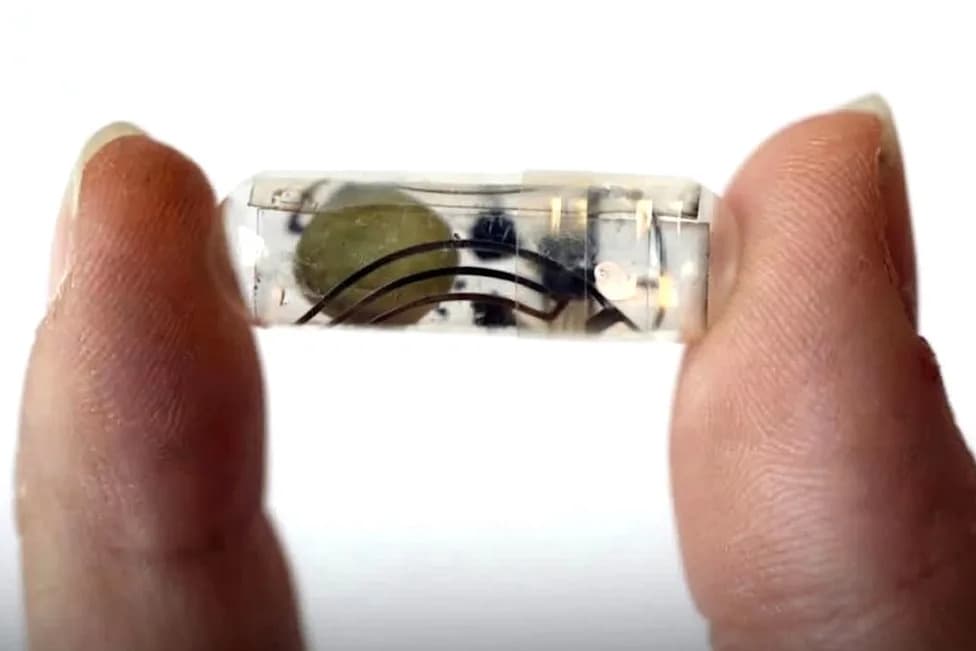
A zinc-based battery reportedly ran continuously for seven months in a laboratory demonstration, drawing attention from clean-energy researchers, grid planners, and content creators. The work, led by scientists at Fudan University and published in Nature Energy, was highlighted by content creator The Electric Viking and summarized in coverage by Interesting Engineering.
What the Study Shows
The Fudan team described a zinc-based system engineered for long-duration grid storage rather than short, high-power bursts. By changing key design choices that had limited earlier zinc batteries, the researchers addressed common failure modes and reported very high round-trip efficiency and multi-month continuous operation in their demonstration.
How It Works (At a High Level)
Instead of focusing on brief discharge cycles, the system is tailored for prolonged energy release and long runtimes. The research emphasizes chemical and mechanical solutions to problems that previously shortened zinc battery life, improving efficiency and stability during extended operation.
Why This Matters
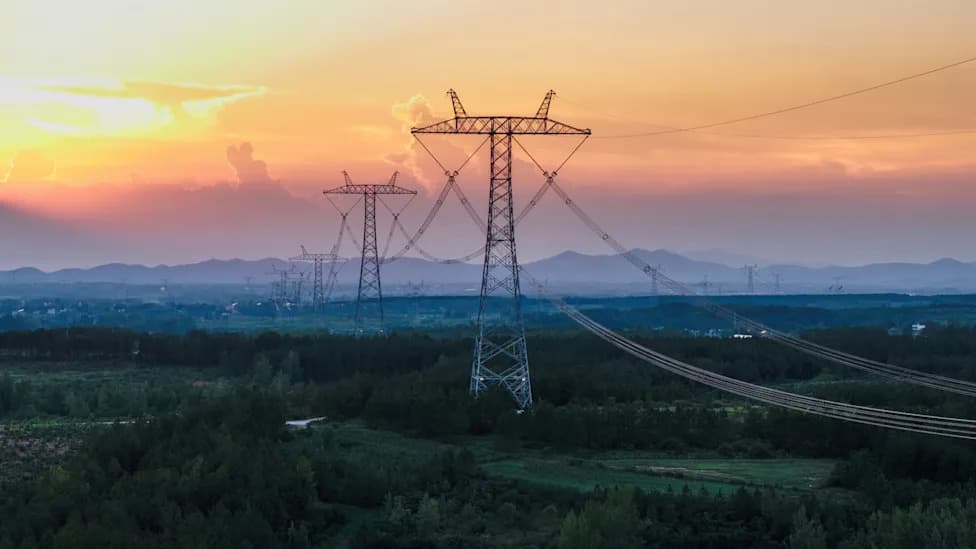
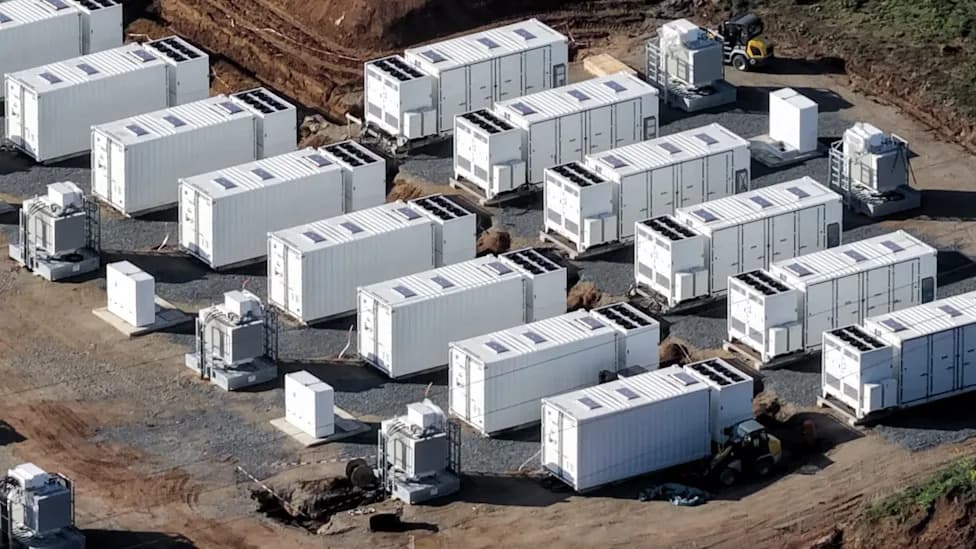
Power grids are adding more intermittent solar and wind generation, which often produce surplus electricity at times that don’t match peak demand. Long-duration storage can capture that surplus and release it later, smoothing supply and demand, reducing reliance on polluting backup generators, and lowering overall system costs.
Zinc chemistry is often promoted for lower fire risk and potentially lower material costs compared with some lithium systems. If the Fudan approach proves scalable and economical in real-world projects, zinc batteries could become an attractive option for utility-scale long-duration storage or as affordable backup power for critical infrastructure such as hospitals, schools, and water systems.
"There are endless ways to make and store electricity," a commenter noted. "We are at the very beginning of discovery."
Limitations And Next Steps
Important caveats remain. The reported seven-month run is a laboratory demonstration; scaling a new chemistry to grid scale requires further validation on cost, manufacturing, durability in varied environments, and system integration. The researchers themselves note they have not ruled out other metals or configurations and that substantial engineering work is needed before commercial deployment.
Rather than replacing lithium, zinc may complement it: lithium is likely to remain dominant for electric vehicles and short-duration applications, while zinc could be prioritized where safety, lower cost, and extended runtime matter most.
Bottom line: The Fudan study and the reported long run time are encouraging steps toward lower-cost, safer long-duration storage, but the technology must clear several technical and economic hurdles before it can be adopted at utility scale.