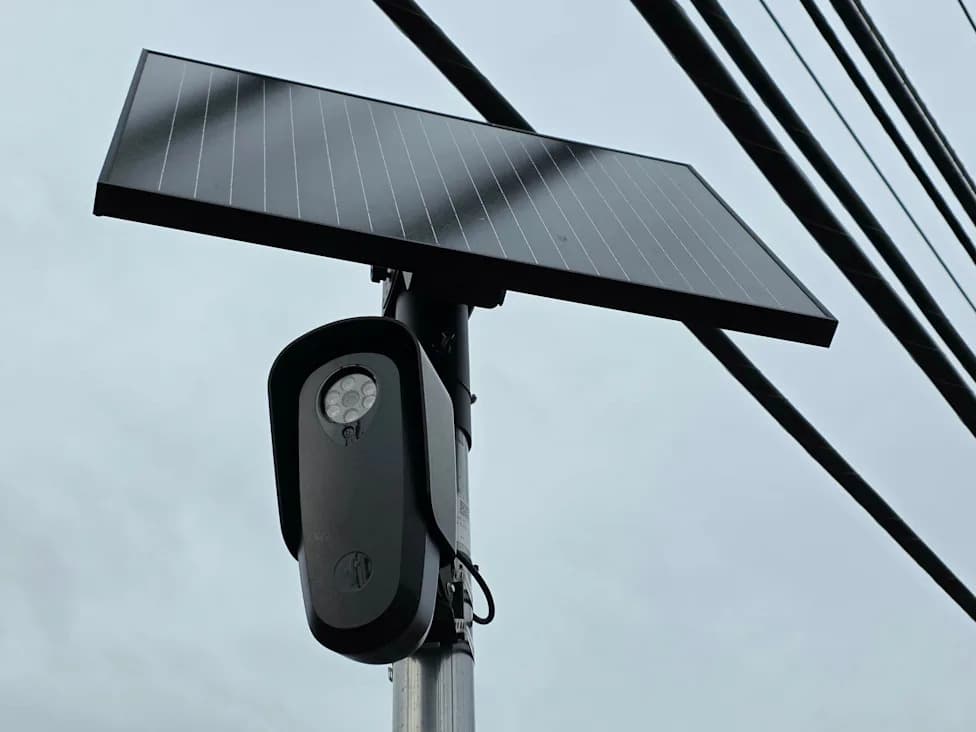
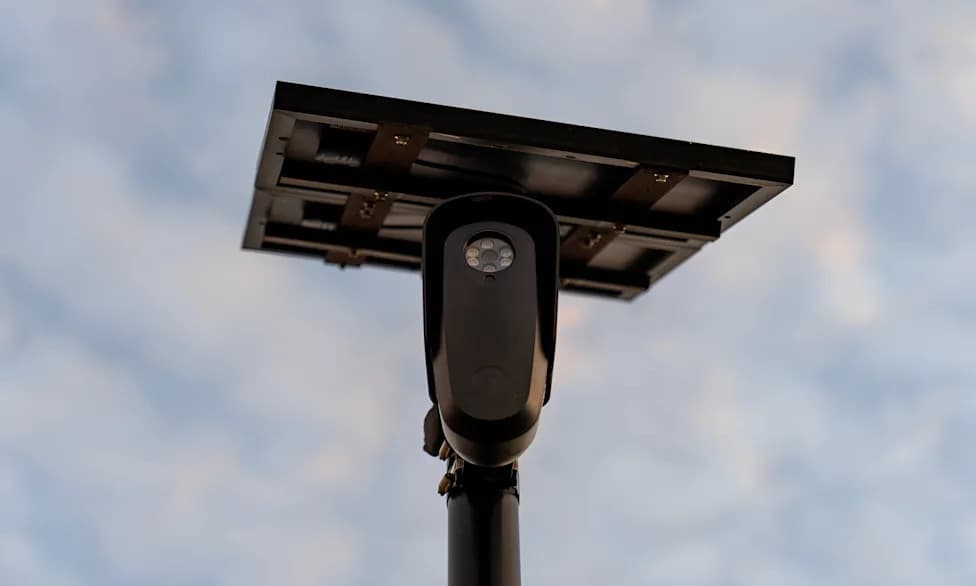
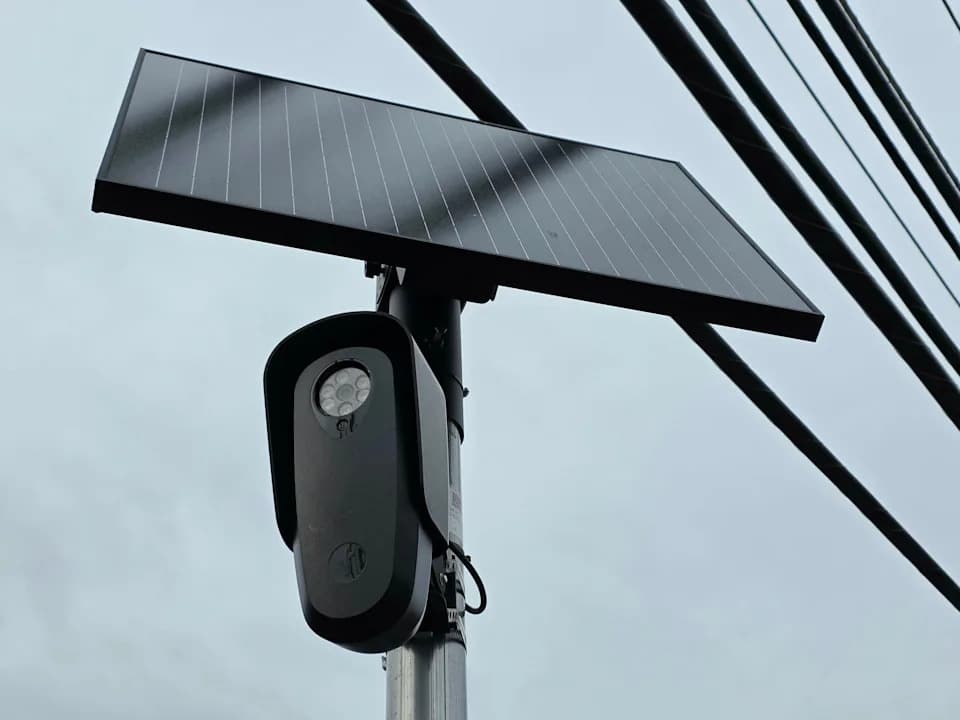
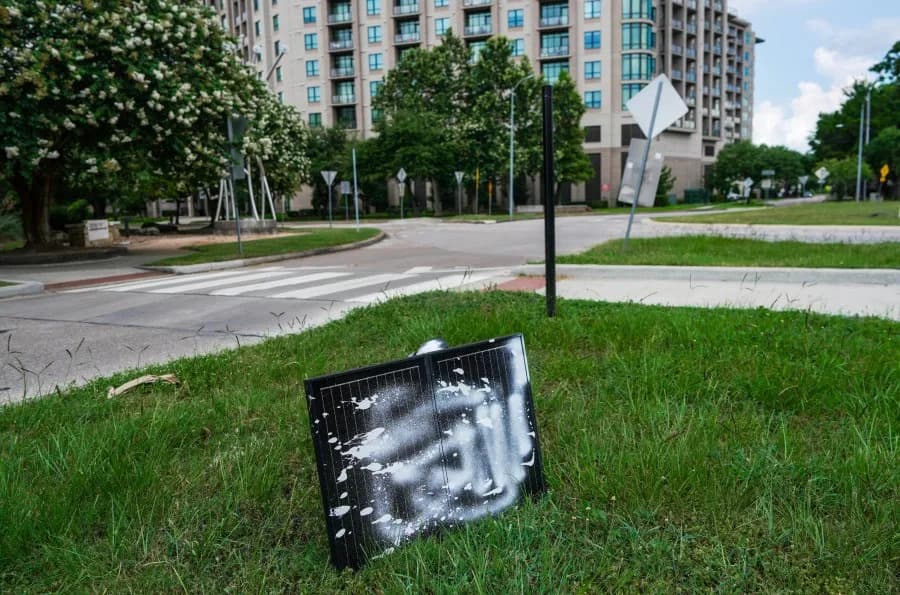
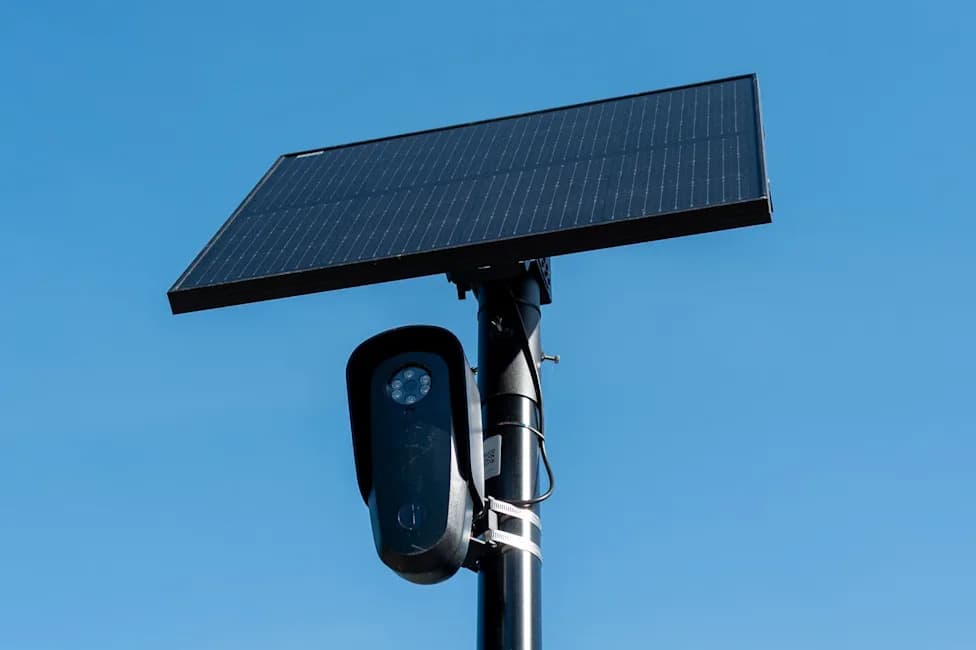
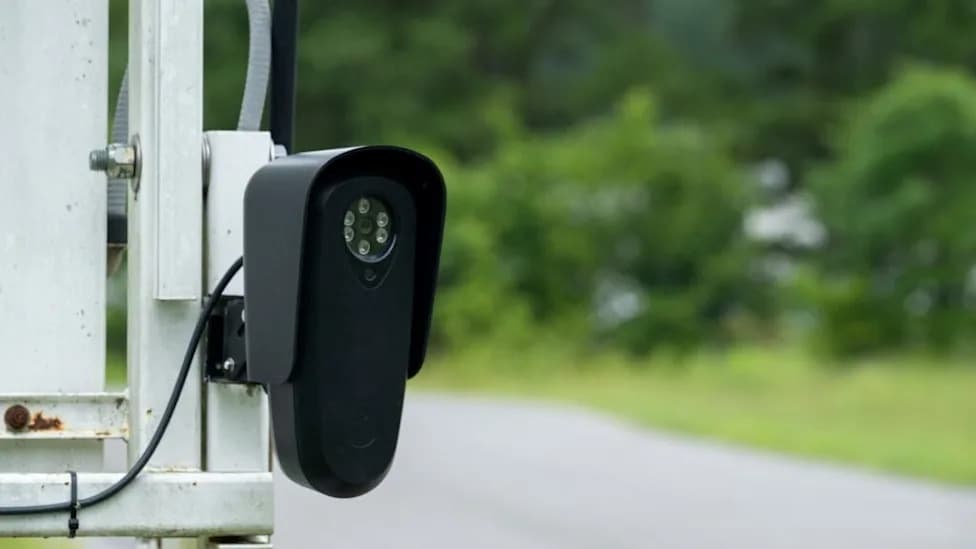
At least 18 Georgia police officers have been arrested for allegedly misusing data from Flock Safety’s license-plate reader network, raising alarm about oversight of mass-surveillance tools. Flock credits its April-launched Audit Assistance feature with uncovering some abuses, but critics say audits alone won’t stop misconduct. The company’s ALPR network logs roughly 20 billion data points monthly, retains records for 30 days and offers a searchable database that critics say can be accessed without a warrant. Advocates urge a warrant requirement and stronger external oversight to prevent stalking and other abuses.
18 Georgia Officers Arrested Over Alleged Misuse of Flock Safety Data — What’s Going On?
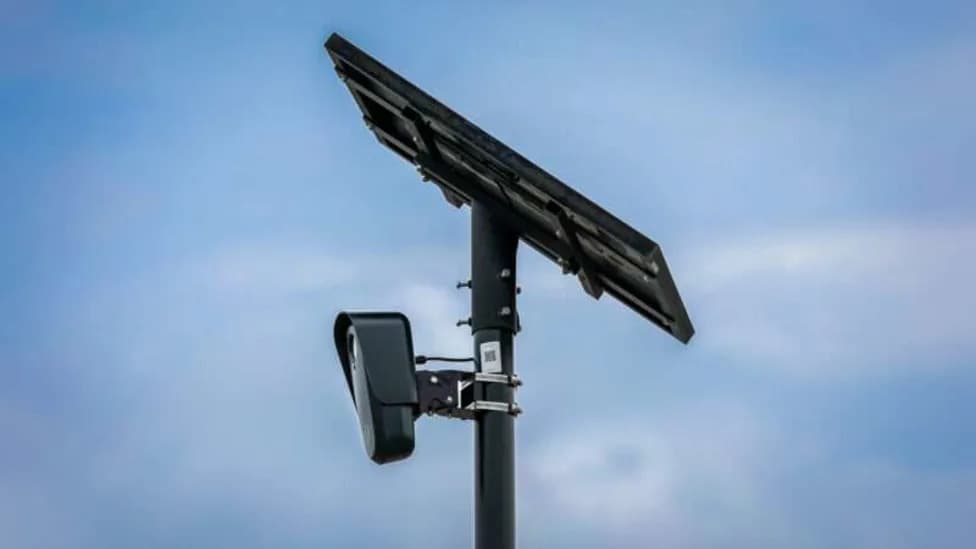
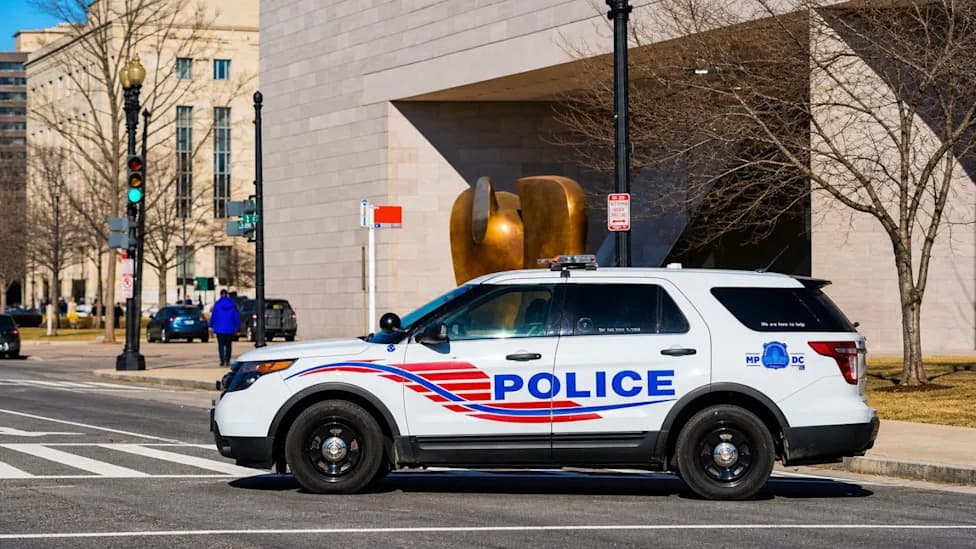
Photo: Paul Weaver/Sipa USA/Newscom
In recent months, at least 18 Georgia law-enforcement officers have been arrested for allegedly misusing data from Flock Safety’s license-plate reader (ALPR) network, a string of cases that has renewed questions about oversight of mass-surveillance tools.
Late last week the DeKalb County Sheriff’s Office in metropolitan Atlanta announced that Sgt. Kabiru Salawu had been dismissed, arrested and charged with allegedly abusing Flock’s license-plate reader technology. Authorities did not disclose which records were accessed or why, according to USA Today. The 17-year agency veteran faces up to one year in jail and a $5,000 fine on a misdemeanor count, and a separate felony charge for violating the oath of a public officer that carries one to five years in prison.
Salawu’s arrest was counted among a broader wave of arrests across the state: five officers in Albany, four in Richmond County, three in Fayetteville, three in Cherokee County and one in Greene County, with additional cases continuing to emerge.
On Wednesday, authorities in Conyers arrested Paige Forte, a supervisor at the Conyers Police Department’s Real-Time Crime Center. Investigators say Forte queried the Flock system more than 30 times to search for her domestic partner’s vehicle between April and July, according to local reports.
Flock’s Audit Tool — And Its Limits
Flock Safety, an Atlanta-based company, says some of the recent arrests were identified after it rolled out an Audit Assistance feature in April. The company argues those auditing tools are working as intended, helping surface misuse and provide "greater transparency, stronger oversight, and an effective way to separate good and bad policing."
But civil liberties and police accountability advocates contend that technological audits alone may not be enough to prevent abuse.
Scale, Retention, and the Warrant Debate
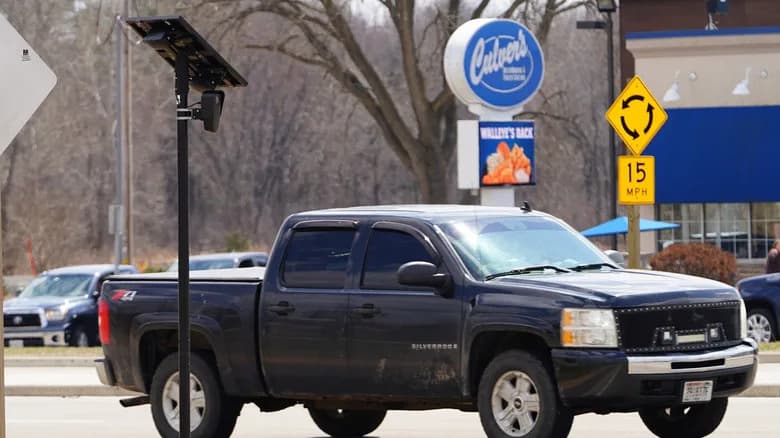
Flock’s ALPR camera network has expanded quickly and now logs an estimated 20 billion data points each month. The company retains plate-read records for 30 days and aggregates them into a searchable database. That searchable history means users with access can track vehicles — and by extension the people who drive them — across time and place.
"Without the constitutional safeguard of a warrant requirement," said Michael Soyfer of the Institute for Justice, "that predictably allows officers to abuse their access to these systems for things like stalking romantic partners."
Privacy advocates argue a warrant requirement would force law enforcement to show probable cause before accessing ALPR databases, reducing opportunities for personal misuse and other improper searches. So far, many courts have resisted imposing broad warrant rules for ALPRs, prompting calls for legislative action and clearer policy protections.
Broader Implications
Georgia is not unique: officers in other states have also been arrested for allegedly misusing license-plate reader and other surveillance data. Still, the concentrated number of arrests in Georgia — 18 and counting — highlights how quickly access to large surveillance datasets can be abused even when auditing tools exist. Advocates say stronger legal safeguards, clearer access rules and routine external oversight are needed to prevent future violations.
What to watch next: whether state or federal lawmakers move to require warrants or stronger access controls for ALPR systems, and whether additional audits or prosecutions surface more cases of misuse.
Help us improve.