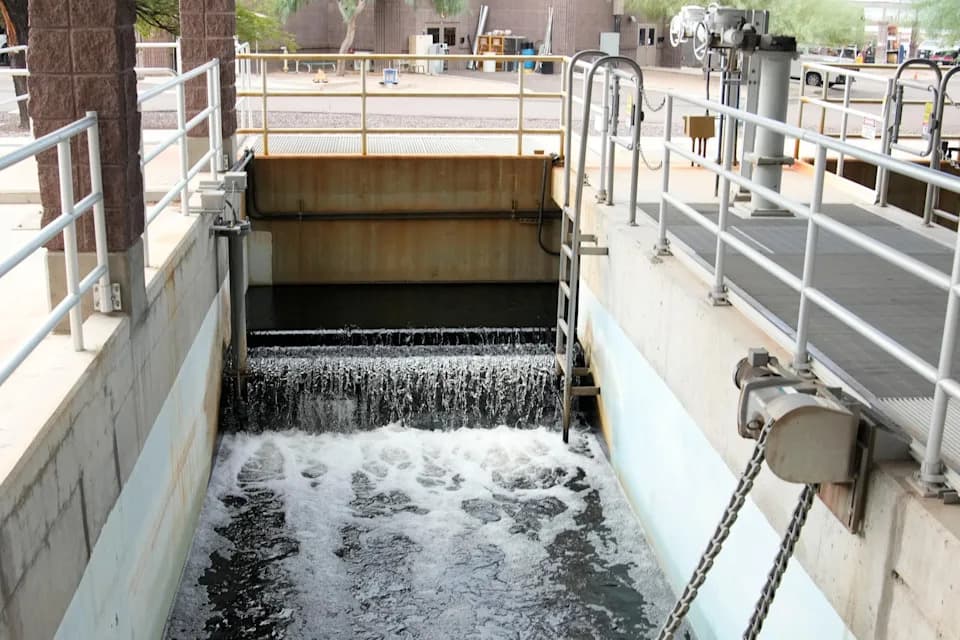
Raw sewage from the Tijuana River is contaminating San Diego shorelines, with recent video showing yellow-green wastewater washing up at Coronado during peak tourist season. Officials say up to 30 million gallons per day can enter the Pacific on heavy-discharge days, and hydrogen sulfide (H2S) readings in the South Bay have exceeded safety standards. The county is offering free air purifiers to eligible households while agencies work to address aging infrastructure and ongoing cross-border discharges.
Raw Sewage and Toxic Odors Wash Up on Coronado Beach as Tijuana River Crisis Escalates
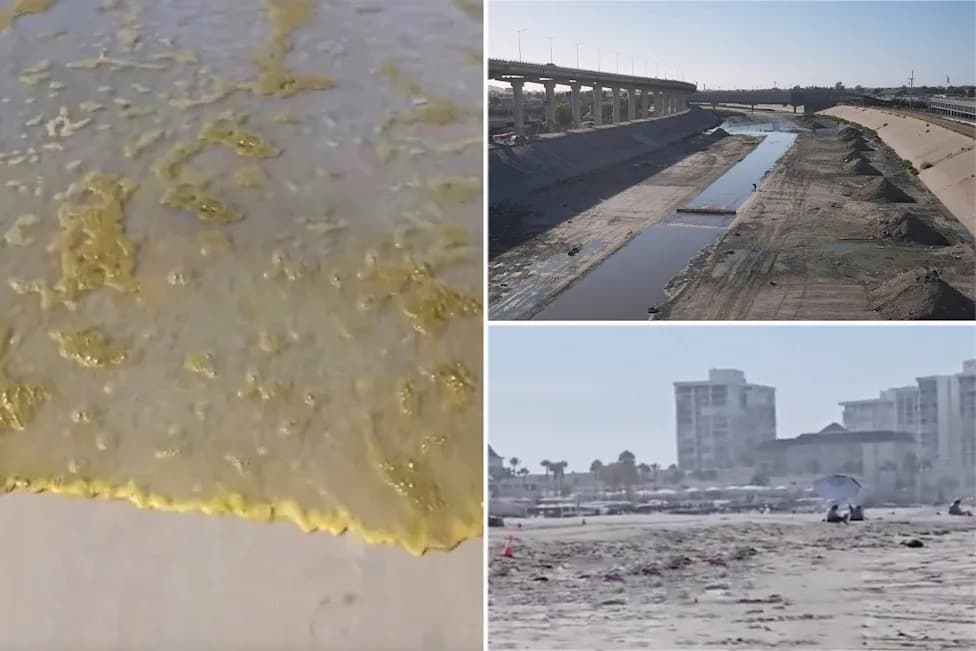
Raw sewage flowing from the Tijuana River across the U.S.-Mexico border continues to foul beaches and neighborhoods in San Diego County, with new video footage showing contaminated, yellow-green surf washing ashore at Coronado during peak summer season.
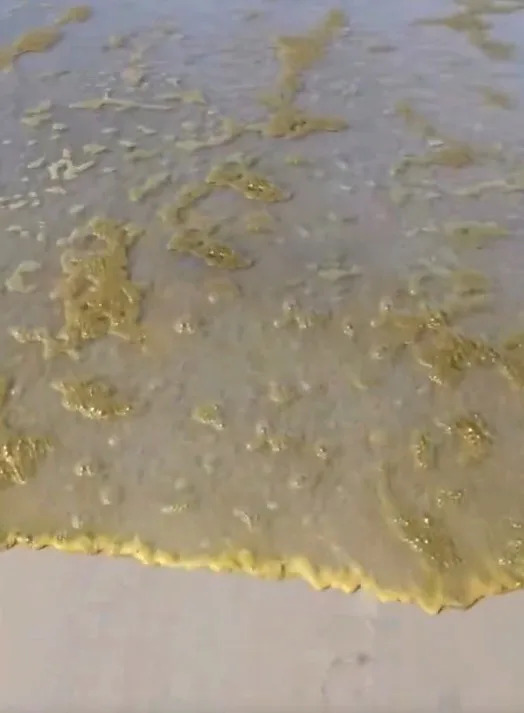
Raw sewage spreading from the Tijuana river across the U.S.-Mexico border continues to pollute the gorgeous beaches and communities in San Diego. X/@ChefGruel
A clip shared by television personality Chef Andrew Gruel captures the discolored waves rolling onto normally crowded sands, where warning signs and advisories now discourage swimming and beach access. The footage shows few beachgoers and visible posted warnings about water quality.
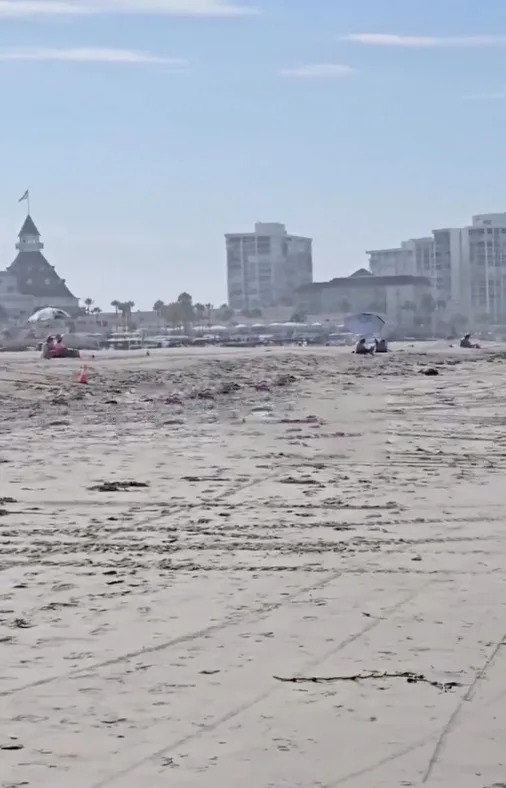
Gruel notes how the beach looks in the middle of summer, a time when the shoreline is typically packed with local visitors and tourists from all over the world. X/@ChefGruel
Extent of the Contamination
Local reports estimate that as much as 30 million gallons of sewage-contaminated water can flow from Tijuana into the Pacific on heavy-discharge days, according to FOX11. That volume has forced closures and advisories at several popular shorelines and raised concerns about public health and the local economy.

Recently, hydrogen sulfide levels (H2S )in the South Bay exceeded the county's safety standards and have gotten worse, despite numerous efforts to deal with the problem. AP
Air Quality and Health Concerns
Authorities say the pollution produces hydrogen sulfide (H2S) and other odors that can seep into homes. Recent tests found H2S levels in parts of the South Bay exceeded county safety thresholds, the Associated Press reported. In response, the San Diego County Air Pollution Control District is offering free air purifiers to eligible households to help reduce indoor odor and H2S exposure.
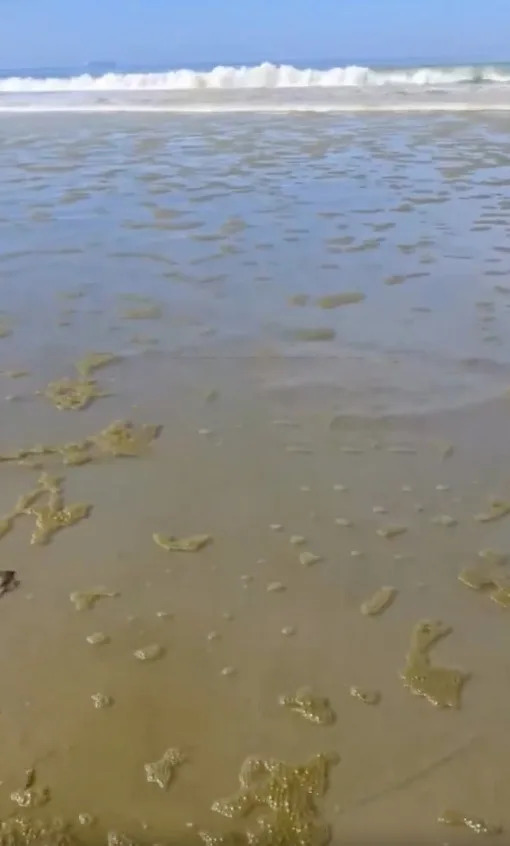
Video posted by TV personality Chef Andrew Gruel, shows the absolutely vomit-inducing yellow-green waves of raw sewage washing up on the beach in the little coastal town. X/@ChefGruel
Source and Response
Researchers have identified a heavily polluted section of the river known as the "Saturn hotspot" near Saturn Boulevard in Nestor as a major source of discharges, according to the San Diego Union-Tribune. Regional agencies attribute the crisis to aging cross-border infrastructure and ongoing transboundary sewage flows, and they continue to monitor water and air quality while pursuing mitigation and infrastructure fixes.
Public Concerns and Broader Impacts
Residents and business owners report a decline in beach use, tourism impacts, and worries about broader food and environmental safety. In his social post, Gruel questioned agricultural safety after a recent nationwide cyclosporiasis outbreak linked to iceberg lettuce believed to originate from Mexico, underscoring public anxiety even if direct links to local contamination remain unproven.
San Diego County Air Pollution Control District: "The crisis is driven by aging infrastructure and ongoing transboundary sewage flows from Mexico into the United States," the agency said, noting that untreated wastewater has created strong odors that significantly affect quality of life in the South Bay.
County and regional authorities continue to issue beach advisories, monitor H2S and water quality, and implement mitigation programs, but residents say the visible contamination and persistent odors are having lasting effects on coastal communities.
Help us improve.