The 1963 Great Train Robbery saw sixteen men halt a Royal Mail train, unload 120 sacks of cash and steal what amounts to nearly $65 million today. The gang exploited an unsecured reserve mail car and used a tampered signal to force the stop, then regrouped at Leatherslade Farm where complacency left behind decisive forensic evidence. Scotland Yard’s Flying Squad, led by Detective Chief Superintendent Tommy Butler, used prints from the farm to secure convictions. Yet the identity of the rail insider—described only as having an Irish accent—remains unsolved.
The 1963 Great Train Robbery: How 16 Men Stopped a Mail Train, Stole Millions — And One Secret Still Lingers
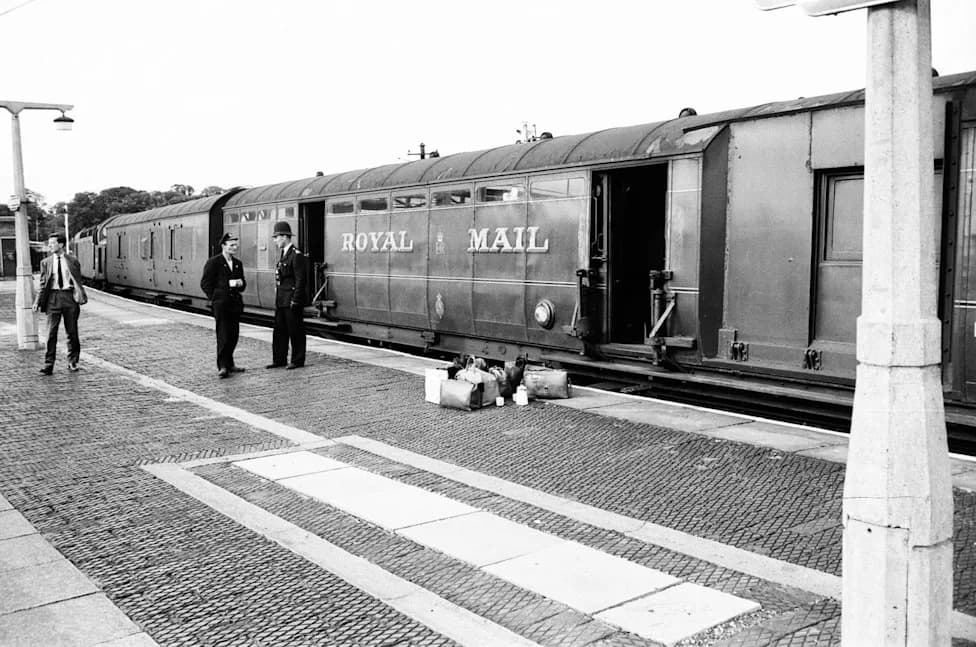
16 Thieves Engineered an Audacious Train RobberyMirrorpix - Getty Images
On the night of August 8, 1963, sixteen masked men brought a Glasgow-to-London Royal Mail train to a halt, unloaded 120 sacks of banknotes and vanished with what would be the equivalent of nearly $65 million today. The robbery was fast, surgical and—despite its initial success—ultimately undone by forensic evidence left behind at the gang’s hideout.
Bruce Reynolds led a team assembled not just for brawn but for expertise. Reynolds, who cultivated the image of a suave “gentleman thief,” recruited experienced train raiders from the South Coast Raiders—Tommy Wisbey, Bob Welch and Jim Hussey—and a signals expert, Roger Cordrey. Other members included Ronnie Biggs, getaway driver Roy John James, Charlie Wilson and several additional accomplices, making sixteen men in total.
How They Stopped the Train
The gang’s stroke of luck came when the high-value package car normally fitted with bars and alarms was out of service and replaced by an unprotected reserve vehicle. To access that vulnerability they needed the train to stop. Cordrey tampered with a signal gantry: he obscured the green aspect and wired a battery to display red. When driver Jack Mills and co-engineer David Whitby obeyed the signal and halted the train, ski-masked men boarded.
The Raid
Jack Mills resisted and was struck with a crowbar. Wounded, he was made to move the train a short distance to Bridego Bridge and then restrained in the cab. Unaware postal workers in the front cars had no idea what had happened. The robbers uncoupled the first twelve cars, overran the second car where the valuable sacks were kept, and within thirty minutes had thrown 120 mail sacks down an embankment into waiting Range Rovers and a military truck.
Leatherslade Farm: A Forensic Turning Point
The gang regrouped at Leatherslade Farm, a remote property they had bought for the job. There they divided the proceeds—an amount commonly reported as the U.S. dollar equivalent of nearly $65 million, roughly $3 million per man. In a scene that underlined their hubris, members played Monopoly with real banknotes.
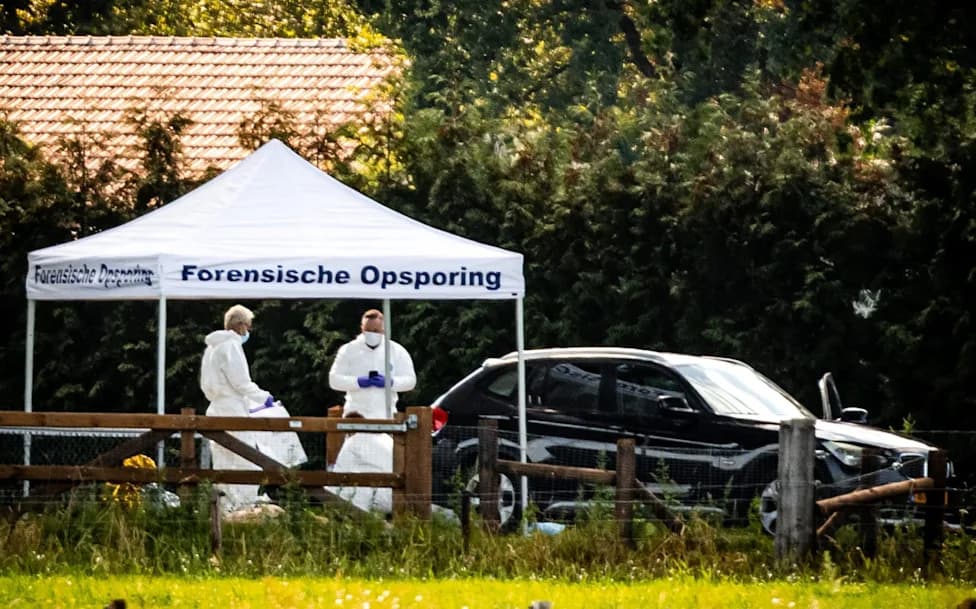
Their plan to burn the farmhouse and destroy evidence failed when the accomplice assigned to torch the place backed out. Scotland Yard’s Flying Squad, led by Detective Chief Superintendent Tommy Butler—nicknamed "the Grey Fox"—found a forensic treasure trove: emptied mail sacks, discarded clothing and numerous fingerprints. Those prints proved decisive.
Arrests, Sentences and Fugitives
Roger Cordrey was arrested first. Subsequent arrests included Gordon Goody, Ronnie Biggs, Tommy Wisbey, Bob Welch and Jim Hussey; many were tried at Aylesbury Crown Court and received 30-year sentences—terms so severe they shocked the public. Some gang members fled abroad: Reynolds, Edwards and others lived for a time in Mexico, Montreal and elsewhere. Ronnie Biggs famously escaped prison and later lived in Brazil, exploiting a legal loophole that kept him out of British custody for decades.
Over time most fugitives returned or were captured and served long terms, many reduced on appeal or for good behaviour. Reynolds wrote several books and gave interviews about the heist, but his celebrity never erased the legal consequences and, later in life, diminished his mystique.
The One Unsolved Question
Despite the many convictions, one central mystery remains: who was the insider in the rail system who told the gang exactly which train and which car would be vulnerable? Investigators only recorded that the informant spoke with an Irish accent. A postal worker was once suspected but was cleared. Six decades on, that informant’s identity has never been proven, and that gap is one of the enduring enigmas of the Great Train Robbery.
Why This Case Still Fascinates: It combined daring planning, technical know‑how, bold execution and a decisive forensic failure. The story has all the elements of a thriller—brazen criminals, international flight, dramatic prison escapes and one secret that may never be revealed.
Help us improve.