Archaeologists at Cerro de la Virgen de Calasparra (Murcia) have identified a 5th‑century church that radiocarbon dating and material evidence indicate remained a place of Christian worship into the 9th century. The study by David Martínez and Rubén Fernández (published in Salduie) finds no clear sign the building was converted into a mosque after 713. Fiscal finds — including scales, weights and an Arabic‑inscribed weight — suggest the Christian community participated in Andalusi taxation and economic networks, supporting a picture of gradual adaptation rather than abrupt replacement.
Murcia Discovery Rewrites Early Al‑Andalus: 5th‑Century Church Used Into the 9th Century
Church reshapes Spain's history: did Moors and Christians ever live in peace?
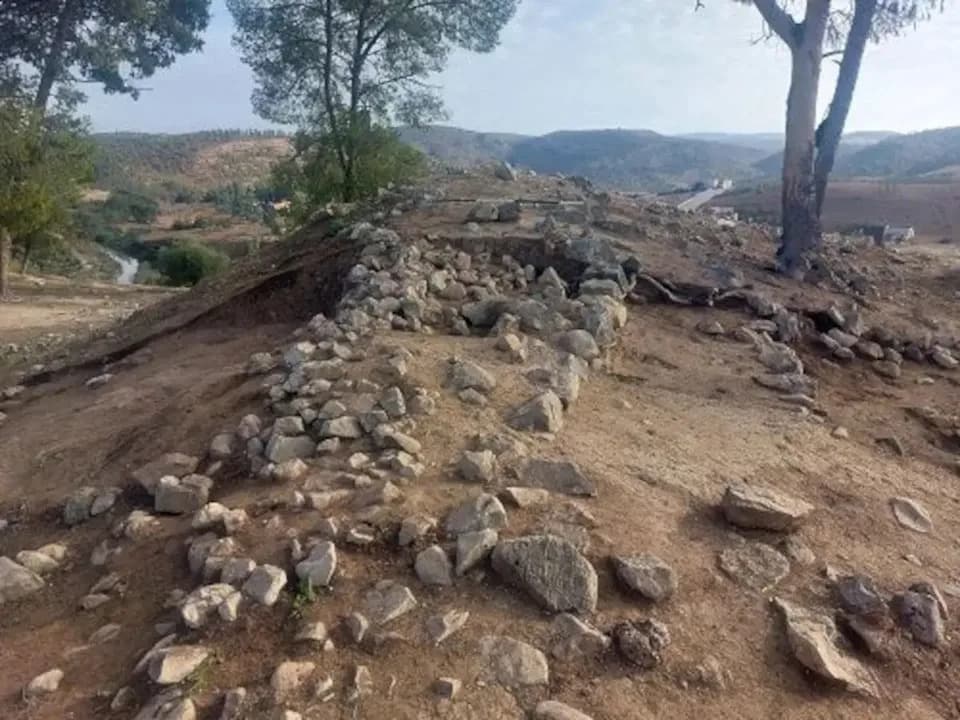
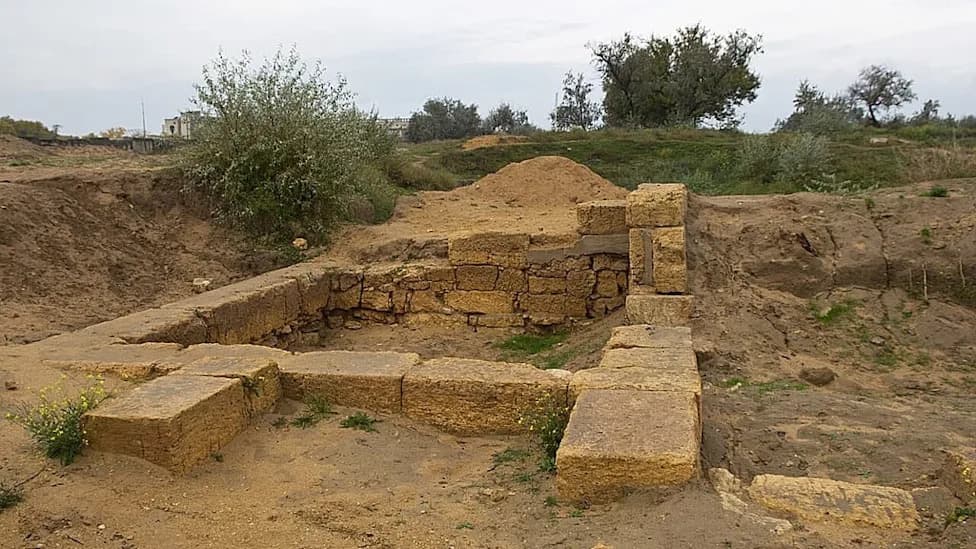
A hilltop site in northwest Murcia, Cerro de la Virgen de Calasparra, is prompting historians to re-evaluate the transition from the Visigothic world to Al‑Andalus. New excavations and analyses led by David Martínez and Rubén Fernández, published in the journal Salduie, document a church founded in the first half of the 5th century that appears to have remained a place of Christian worship into the 9th century.
The structure is described as a single-nave building with a tripartite chancel — an architectural plan the authors link to certain late‑antique and Visigothic models. Radiocarbon dating places the building’s construction around 410–440 AD, a result supported by ceramic typology and stratigraphic evidence. Earlier campaigns also recovered an exceptional early Christian bronze lamp shaped as a eucharistic dove.
Architectural parallels are noted with Visigothic churches such as Santa Cristina de Lena (Asturias) and, intriguingly, with some parochial and episcopal churches in Syria, highlighting the circulation of Mediterranean building models in late antiquity.
The most consequential claim of the study is not merely the church’s age but its continued liturgical use after the Muslim conquest in 713. Contrary to narratives that emphasize an abrupt institutional break, Martínez and Fernández argue there is no clear evidence the building was converted into a mosque or immediately desacralised. Layers above the church contain containers and cooking pottery, but the researchers interpret these finds as signs of sustained communal activity combining worship and resource management rather than proof of abandonment.
“The typological and stratigraphic study of the ceramics points to the liturgical character of the church enduring well into the 9th century.” — Martínez & Fernández
Excavations also recovered scales, weights and other objects associated with taxation and economic control; one weight bears an Arabic inscription commonly translated as “justice belongs to God.” These fiscal items, together with the site’s strategic position overlooking communication routes and agricultural land, suggest Cerro de la Virgen functioned as a local centre of territorial and economic organisation. In other words, the Christian community that worshipped there took part in the fiscal networks of the emerging Andalusi polity.
The authors place the site within the historical framework of the kūra of Tudmīr, the administrative district established after the 713 agreement between Muslim authorities and the Visigothic nobleman Theodemir. That pact appears to have allowed many Christian communities to retain aspects of their religious, political and economic life in exchange for tax payments.
From this evidence Martínez and Fernández infer a model of gradual islamisation marked by adaptation and integration rather than immediate population replacement or uniform institutional collapse. They argue that increased fiscal centralisation, the urban attraction of Córdoba and the weakening of ecclesiastical elites contributed over decades to the disappearance or transformation of many Christian communities.
More than thirteen centuries after the events in question, Cerro de la Virgen offers a nuanced window onto a decisive period in Iberian history, suggesting the transition to Al‑Andalus in some regions was negotiated, protracted and complex.
Help us improve.