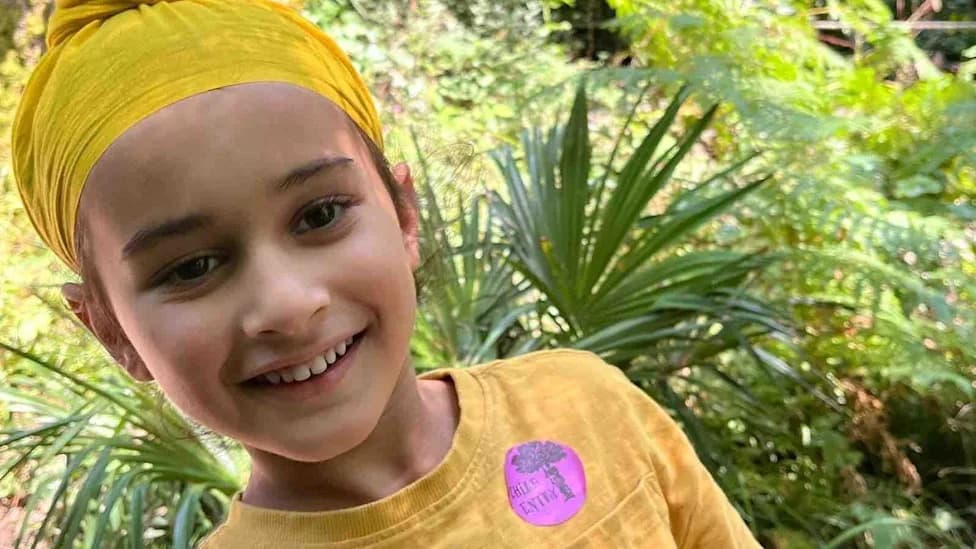
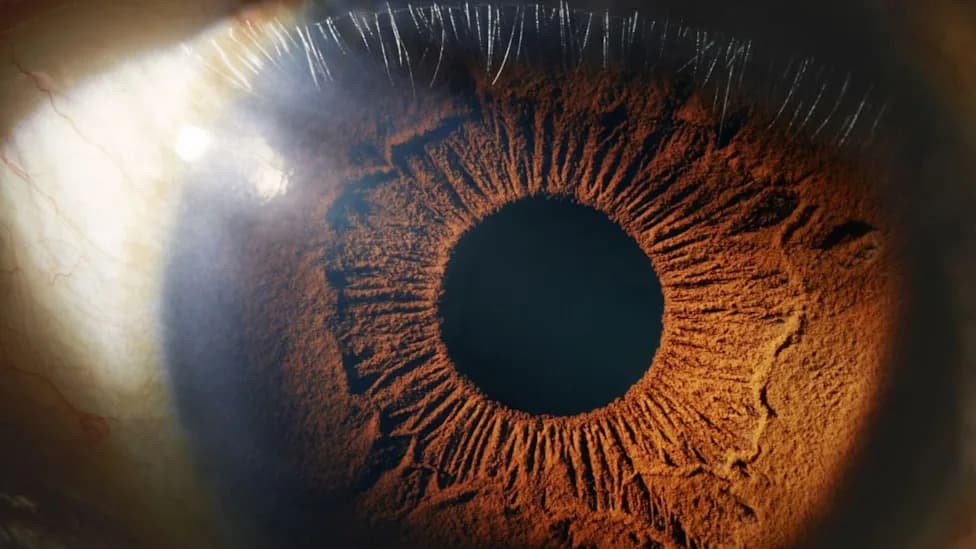
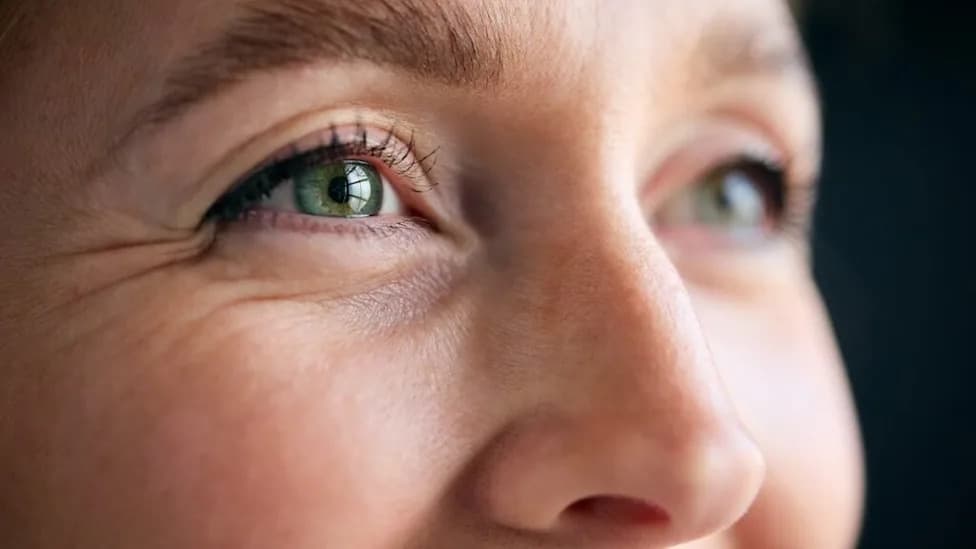
An 11-year-old London girl with Bardet‑Biedl syndrome became the second person worldwide and the first in the U.K. to receive an experimental retinal gene therapy targeting BBS10 mutations. The March procedure at St Helier Hospital involved a vitrectomy and delivery of healthy BBS10 gene copies to the retina to preserve retinal cells. Early reports indicate some improvement in low‑light vision for treated children, but surgeons stress the treatment aims to stabilise vision rather than fully restore it; long‑term outcomes remain under evaluation.
11-Year-Old With Bardet‑Biedl Syndrome Becomes Second Person Worldwide To Receive Novel BBS10 Retinal Gene Therapy
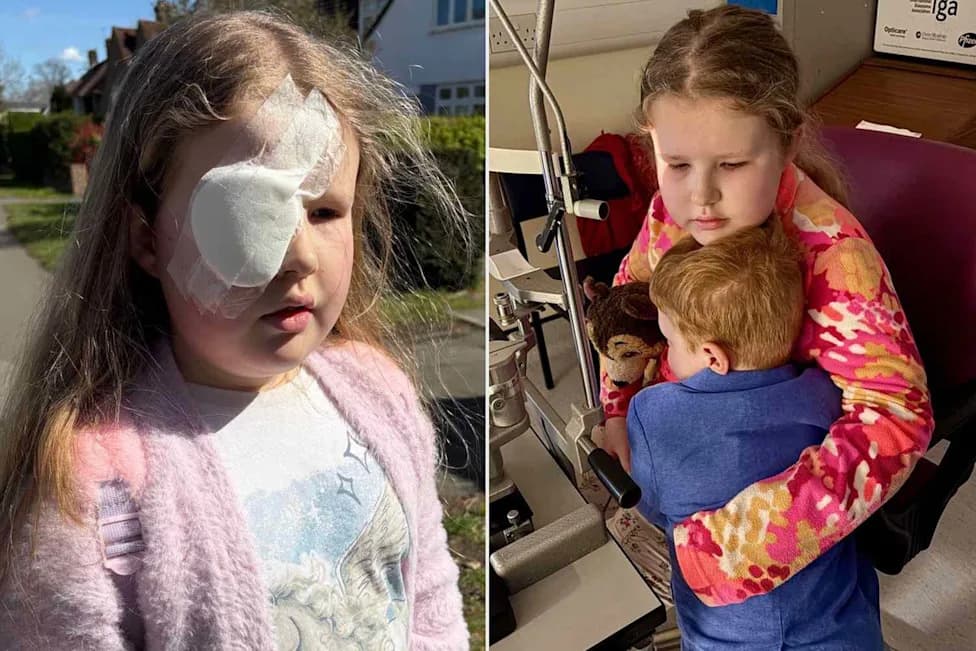
Catherine L'Estrange; Catherine with her younger brotherCredit: GESH
An 11-year-old girl from North Acton, London, has become the second person in the world and the first in the U.K. to receive an experimental retinal gene therapy designed to treat vision loss caused by mutations in the BBS10 gene.
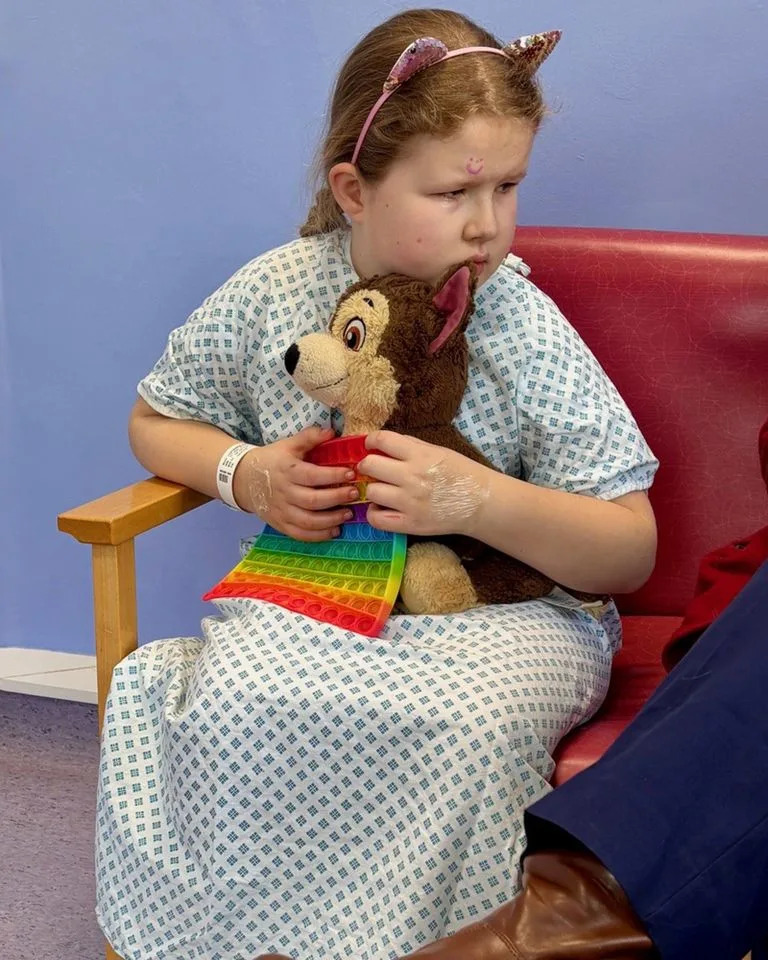
Catherine waiting for her surgeryCredit: GESH
Catherine L'Estrange, who was diagnosed with Bardet‑Biedl syndrome (BBS) in infancy, has experienced progressive vision decline — first night blindness, then loss of color perception and shrinking peripheral vision. BBS is an ultra‑rare genetic condition that affects roughly one in 150,000 infants and can also cause weight gain, kidney problems and extra fingers or toes.

Catherine eating her celebration meal after the removal of her dressingsCredit: GESH
The procedure took place in March at St Helier Hospital in Sutton, part of the Epsom and St Helier University Hospitals NHS Trust. Surgeons removed the gel-like vitreous from inside the eye (a vitrectomy) and delivered healthy copies of the BBS10 gene into the retina with the aim of preserving the small retinal cells that progressively die in people with BBS10 mutations.
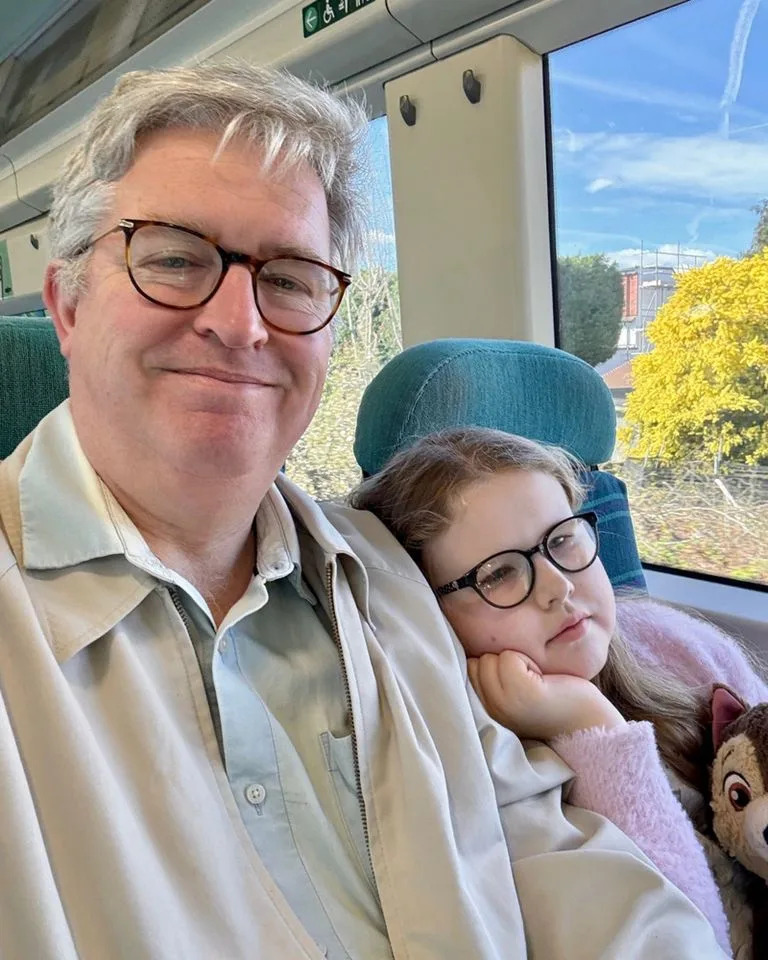
Catherine and her dad, the Reverend Timothy L'EstrangeCredit: GESH
What The Treatment Aims To Do
Consultant eye surgeon Neruban Kumaran explained that providing a healthy copy of the gene is intended to help protect retinal cells and to stabilise — and possibly modestly improve — vision. He cautioned that the therapy is unlikely to fully restore perfect sight but offered hope that some patients may retain useful vision for longer.
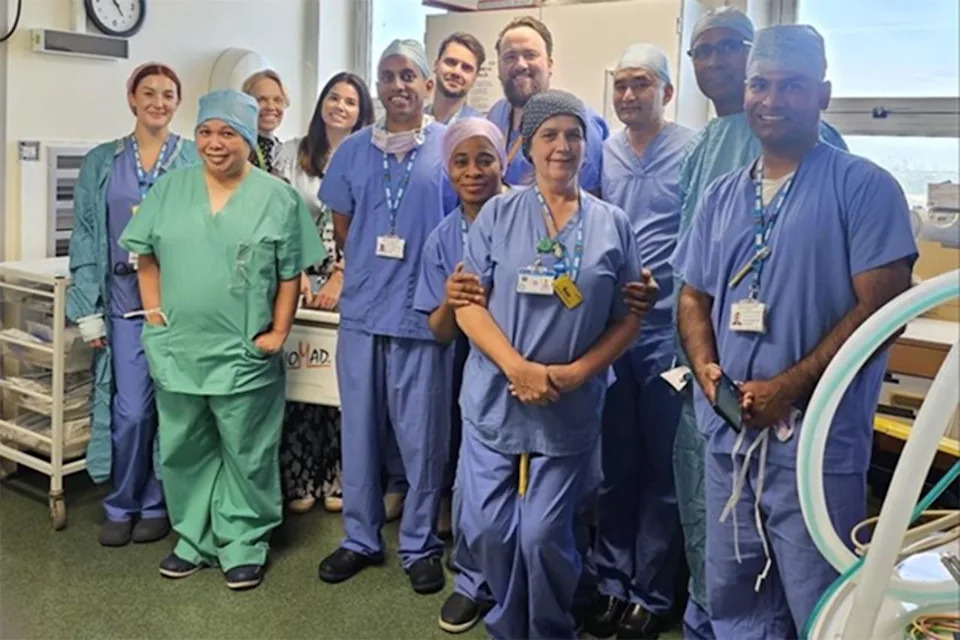
The retinal gene therapy teamCredit: GESH
“By giving a healthy copy of the gene, it helps save those cells, and the hope is to either stabilise or improve vision,” Kumaran said.
Early feedback from treated families has been encouraging: some children have reported improved vision in dim light. The hospital said a third child has since received the same treatment. Longer follow-up will be needed to confirm whether initial gains are sustained and to determine the full safety profile.
Family Perspective
Catherine described the potential impact of the treatment: “If this treatment works, it will help me to carry on seeing things around me, and most of all I will be able to carry on reading books, which is one of my favorite things to do.”
Her father, the Reverend Timothy L'Estrange, said the family had not expected gene therapies like this to become available so soon and that retaining any degree of vision would be "life‑changing." They have worked to build Catherine's independence and resilience as her sight declined.
The treatment is currently targeted to people whose vision loss is caused specifically by mutations in the BBS10 gene; BBS can result from mutations in more than 20 different genes. Clinical teams and families alike say the early results offer hope, but emphasise that only longer-term monitoring will show the therapy's lasting benefit.
Help us improve.