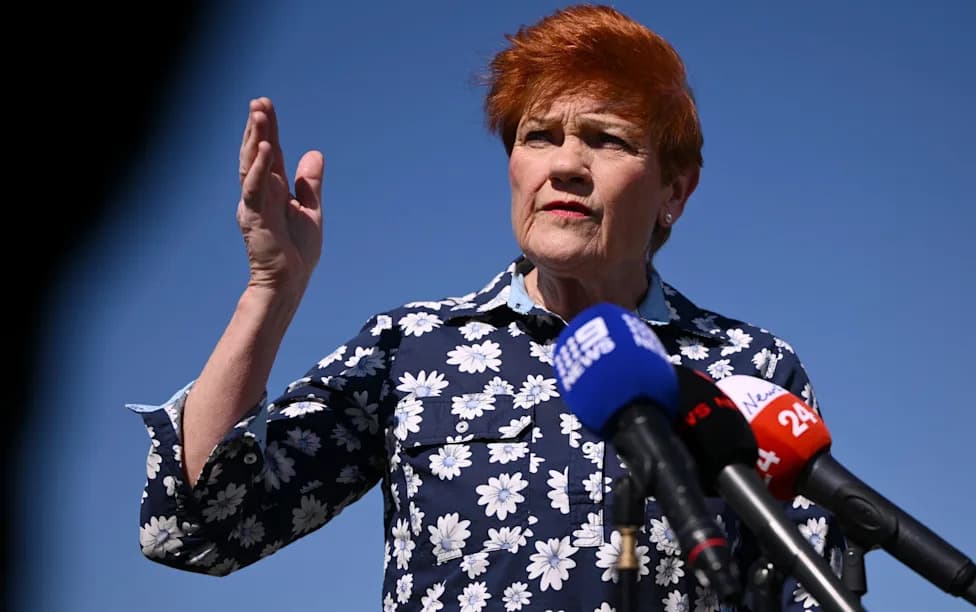
Pauline Hanson’s One Nation has moved from fringe to prominence after a surprise by-election victory in Farrer and an unprecedented poll lead over Labor. Structural features—compulsory voting and preferential ballots—have historically favored centrist parties, but economic strains, security fears and turmoil within the conservative Coalition created an opening for Hanson. Analysts warn the surge may reflect anti-establishment frustration rather than broad endorsement of Hanson’s most controversial views, and recent remarks by Hanson have provoked widespread backlash.
One Nation Goes Mainstream: Pauline Hanson’s Party Wins Farrer and Tops National Polls
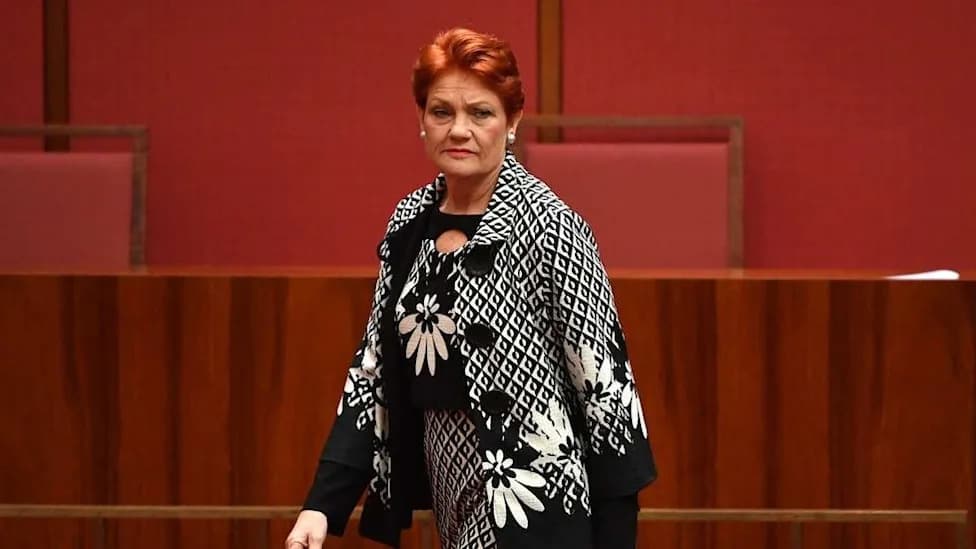
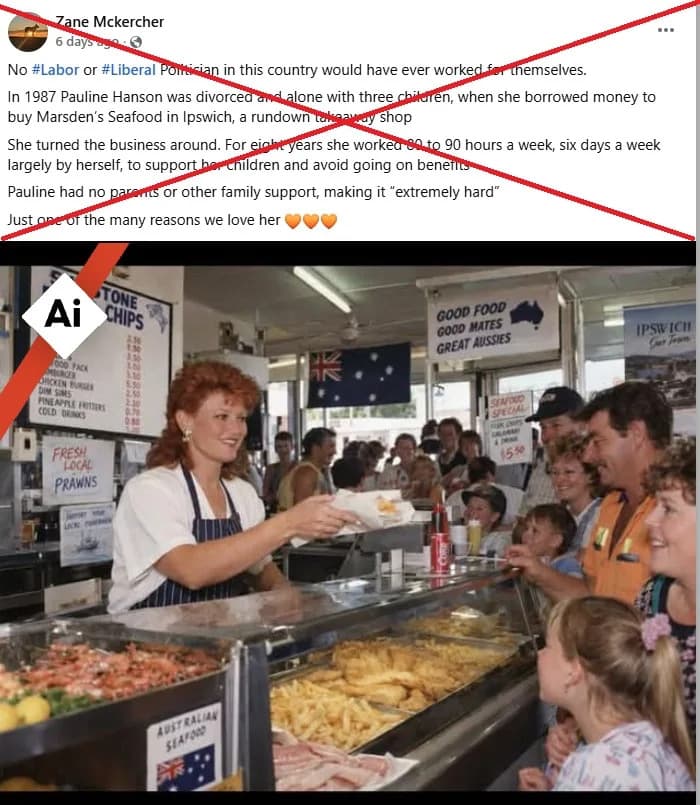
For nearly three decades Pauline Hanson has been a polarizing figure in Australian politics. The outspoken founder and leader of the right-wing populist One Nation party built her profile attacking immigration and questioning multiculturalism. Despite years of provocative headlines and controversial remarks, Hanson’s movement largely remained on the margins—until recently.
In May, One Nation scored a surprise victory in the rural federal seat of Farrer in a special by-election, marking the party’s first-ever win in the House of Representatives and breaking more than seven decades of Liberal–National Coalition dominance in the district. Later that month, a national opinion poll placed One Nation ahead of the ruling center-left Labor Party for the first time in the party’s history.
"We cannot be a multicultural society. We are a multiracial society. But we must be monocultural," Hanson told supporters at a rally last month.
Why Australia resisted—and what changed
Australia’s political system has long favored the center. Compulsory voting—turnout has fallen below 90% only once since it was introduced in 1925—means elections are decided by a broad median electorate rather than a highly mobilized fringe. The country’s preferential (ranked-choice) voting system rewards candidates who can attract second- and third-preference votes, making it harder for single-issue or anti-establishment movements to break through.
Centrist instincts are also embedded in political culture. Amy Remeikis, chief political analyst at The Australia Institute in Canberra, tells GZERO that major parties traditionally compete for the center and avoid direct attacks on broadly supported institutions such as universal health care and public education. That consensus has historically reduced space for extremes.
Hanson’s long arc
Hanson first entered federal parliament in 1996 after winning a Labor-held Queensland seat. Her maiden speech criticized what she called special treatment for Aboriginal Australians and argued that immigration and multiculturalism were eroding national identity. She founded One Nation in 1997, but for years the party struggled to convert media attention into sustained electoral success—until the recent by-election win in Farrer that coincided with a surge in poll support.
Drivers of the recent surge
Several factors appear to have aligned to widen One Nation’s appeal. Economic pressures—housing affordability, a decline in real wages and slower growth after decades of expansion—have left many voters anxious. Labor MP Andrew Leigh told GZERO that support for right-wing extremists tends to rise after economic strain and that One Nation has been effective at channeling anger and grievance.
Immigration, a longstanding focus for Hanson, has gained renewed salience. Australia has one of the highest shares of foreign-born residents among G20 countries—around 32%—and multiculturalism has been central to the country’s identity. But a high-profile security incident—the Bondi shooting carried out by Islamic State sympathizers late last year—has reinforced fears among some voters and allowed Hanson to more forcefully link social concerns to migration.
At the same time, turbulence on the conservative flank following the Coalition’s heavy defeat in the 2025 federal election has opened space on the right. Infighting and leadership disputes eroded support for the traditional center-right parties, creating an opening Hanson has moved to occupy.
How durable is the shift?
Analysts caution that the surge may be fragile. Remeikis notes that many new One Nation voters appear motivated more by frustration with major parties than wholehearted endorsement of Hanson’s platform. Polls suggest that when Hanson receives sustained scrutiny—and when voters are reminded of some of her more controversial positions—support softens. That dynamic emerged recently after Hanson drew broad condemnation for saying domestic violence "was a two-way street."
For now, establishment parties show no sign of capitulating. When asked what his party might be missing about One Nation’s rise, Andrew Leigh replied bluntly: "Nothing." The coming months will test whether One Nation’s momentum is a passing protest vote or the start of a more durable realignment on Australia’s political right.
Help us improve.