Prospective students from India and China are increasingly exploring universities in Europe and elsewhere in Asia after a July 17 Department of Homeland Security rule replaced the long-standing "duration of status" system with fixed admission periods tied to each academic program. The new regulation generally caps most F-1 admissions at four years and takes effect Sept. 15; doctoral candidates whose authorized stays would expire before finishing their degrees will need USCIS approval to remain in the U.S.
What the New Rule Does
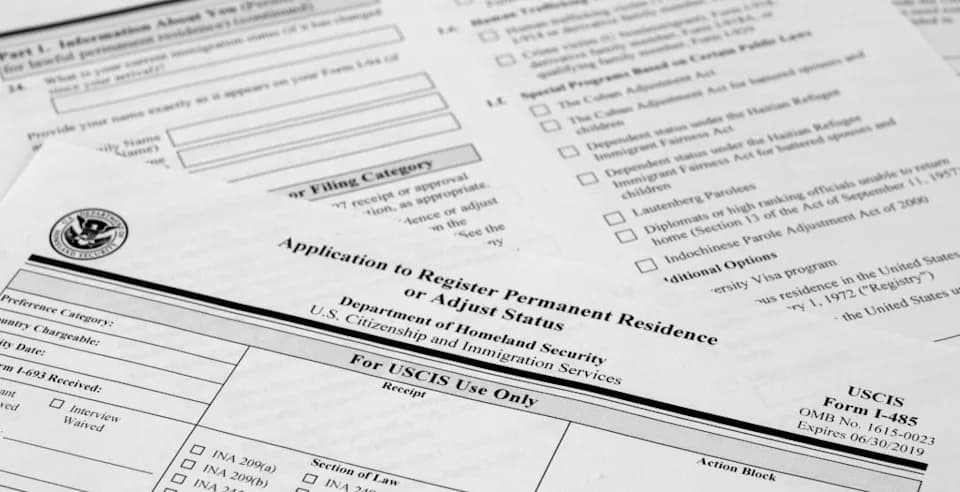
Fixed Admission Periods: Most international students will be admitted for the length of their academic program or up to four years, whichever is shorter. Schools must issue a new Form I-20 when additional time is required.
Doctoral Students: Ph.D. candidates—whose programs commonly last five to seven years—are likely to be most affected. Beginning Sept. 15, doctoral students whose authorized stay would end before degree completion must request permission from U.S. Citizenship and Immigration Services (USCIS) to remain.
Extensions, Pending Requests, and Grace Period
Students who file extension requests with USCIS before their authorized stay expires may continue studying while their application is pending. If a request is denied, the student must depart the U.S. immediately. The rule also reduces the post-completion grace period from 60 days to 30 days.
Other Related Changes
The new rule arrives amid additional policy shifts: visa interviews that were temporarily paused have resumed, and expanded social-media screening now requires many F, M, and J visa applicants to make portions of their online profiles accessible to consular officers during review.
How Students Are Responding
In response to greater uncertainty about U.S. stays and work prospects, many applicants from India and China are broadening their searches to Europe, Hong Kong, Britain, and other Asian destinations. Over 121,000 Indian students are enrolled across the European Union, and countries such as Germany, France, Portugal and the Netherlands are drawing interest for lower tuition, English-language graduate programs, and post-study work options.
Indian enrollment in the Netherlands rose to about 3,700 in the 2025–26 academic year (up from roughly 2,630 in 2018–19), and some universities—like Eindhoven University of Technology—report sharp increases in pre-enrollments from India for the coming year.
Enrollment Trends And Recruitment Pressures
India remained the largest source of international students in the U.S. in 2024–25 with 363,019 students; China was second with 265,919. Together they accounted for more than half of all international enrollments at American colleges and universities. However, new arrivals have slowed: a New York Times analysis showed international student entries from Asia fell 24% in one August compared with the prior year—arrivals from India dropped 44% (from 74,825 to 41,540) and from China fell 12% (from 98,867 to 86,647).
A fall 2025 survey of more than 825 U.S. institutions found new international enrollment declining another 17% and graduate enrollment down 12%. As American universities face stiffer competition from institutions in Europe and Asia, the DHS rule adds a fresh consideration for prospective international students evaluating where to pursue their degrees.
Bottom line: The DHS rule tightens time limits for international students and concentrates pressure on doctoral programs. Many applicants—particularly from India and China—are already weighing alternatives in Europe and Asia that offer clearer timelines, lower costs, or stronger post-study work options.