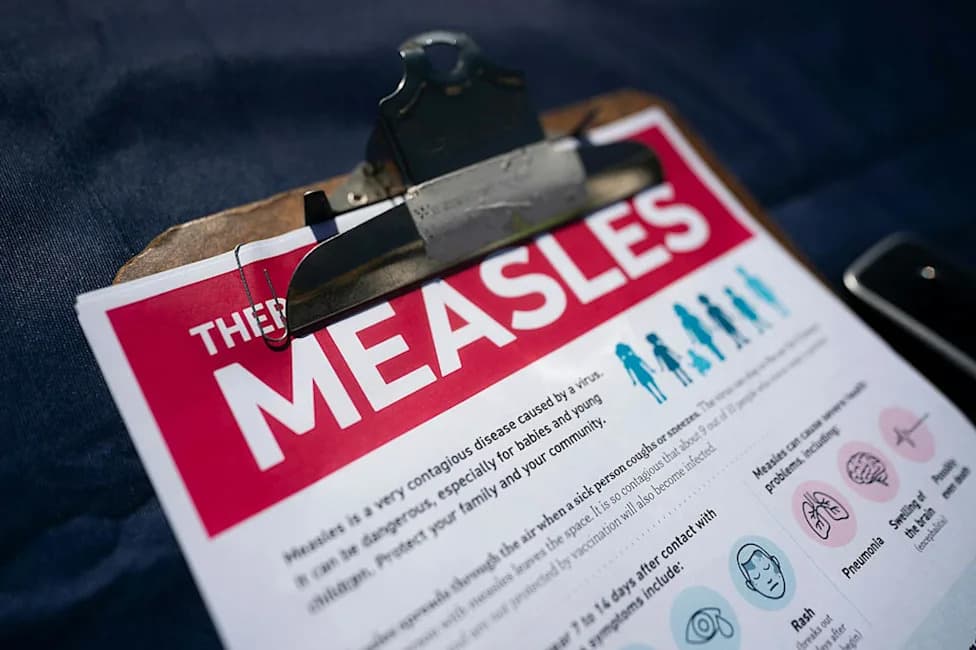
Measles cases in the US have surged in 2026, surpassing levels not seen since 1991 and marking a second straight record year. At least 2,318 cases have been reported so far, with more than 90% among unvaccinated people. Widespread outbreaks — including large clusters in South Carolina, Virginia and Pennsylvania — have strained contact tracing and vaccination efforts. Public health officials warn that maintaining high MMR coverage and sustained funding are essential to stop further spread.
US Measles Cases Hit 35-Year High as Outbreaks Strain Public Health Systems
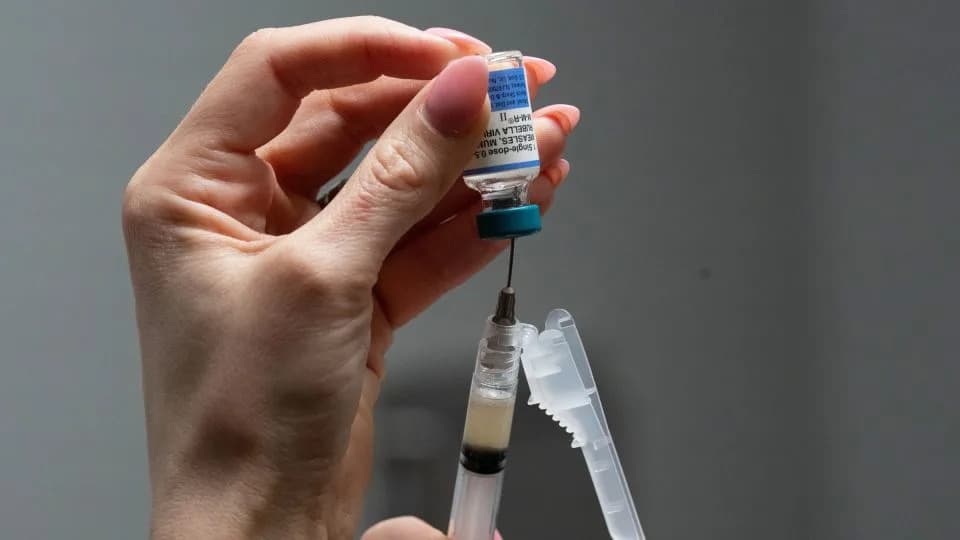
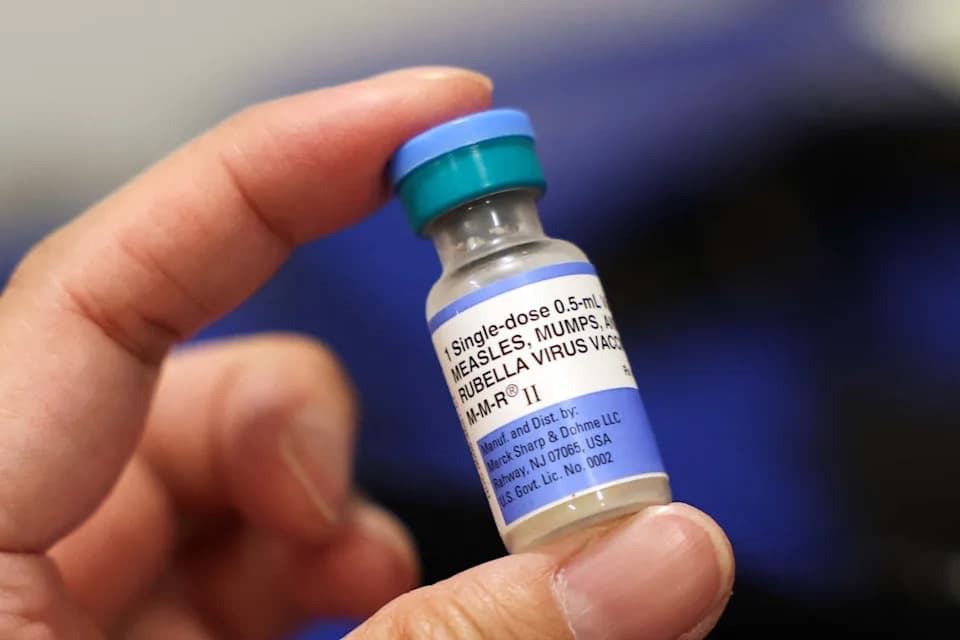
Experts say the potential for measles outbreaks remains anywhere vaccination rates remain below 95%, a key immunity threshold for the highly contagious disease. - Mary Conlon/AP/File
Measles has surged across the United States in 2026, producing a second consecutive record-breaking year and surpassing case totals not seen since 1991. According to CDC data, at least 2,318 cases have been reported so far this year, with more months remaining in the year and new outbreaks continuing to emerge.
Why This Is Alarming
The measles virus was declared eliminated in the US in 2000, yet the last 18 months have produced more infections than the previous 25 years combined. More than 90% of recent cases are among people who are unvaccinated or whose vaccination status is unknown, underscoring persistent gaps in coverage.
Major Outbreaks and Local Impact
South Carolina has reported the highest state total in 2026. An outbreak that began in Spartanburg County in October expanded to nearly 1,000 cases before subsiding in April. The Unitarian Universalist Church of Spartanburg became a focal point for contact tracing after investigators found a link to the church's open Christmas potluck.
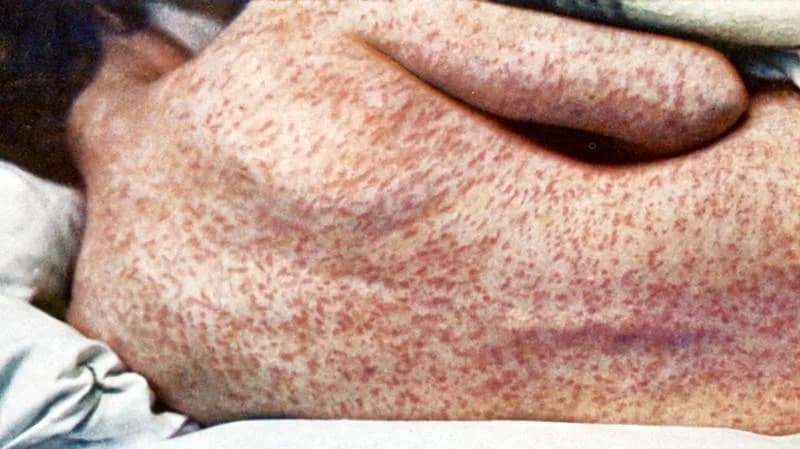
It can be time- and resource-intensive to conduct contact tracing and other work to manage a measles outbreak, work that health departments in South Carolina and elsewhere across the country has been heavily immersed in. - Sean Rayford/Getty Images
Dr. Andrew Racine, president of the American Academy of Pediatrics, called the resurgence "a public health failure" that is avoidable, noting that most cases are among children and nearly all reported patients are unvaccinated.
Other persistent clusters include an outbreak along the Utah-Arizona border that has lasted more than a year, and a growing cluster centered in Buckingham County, Virginia, which has produced more than 150 cases. Pennsylvania's Lancaster County has reported over 100 cases this year, and all but seven states have reported infections in 2026.
Strain on Public Health Resources
Responding to measles is labor- and resource-intensive. Contact tracing, case investigations, isolation guidance, community outreach and vaccination clinics can tie up health department staff for weeks or months. In San Francisco, public health officials said the department had to mobilize most of its case investigators after exposures from just two cases, and warned they cannot handle many simultaneous high-consequence events without additional staff.
States and localities have turned to mobile vaccination clinics, pop-up immunization sites and home-visit testing teams to reach communities and lower barriers to care. Local partnerships, community engagement and rapid vaccination drives have helped limit spread in some areas.
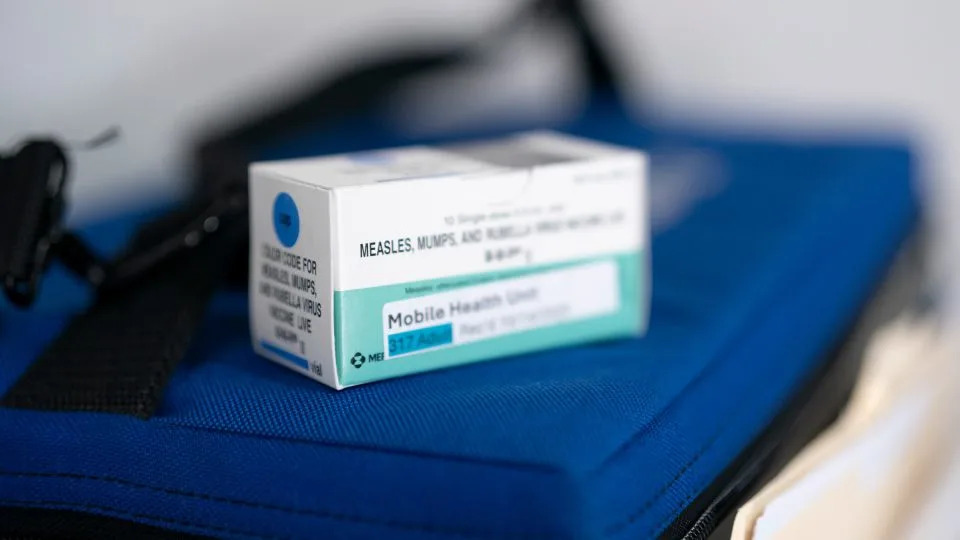
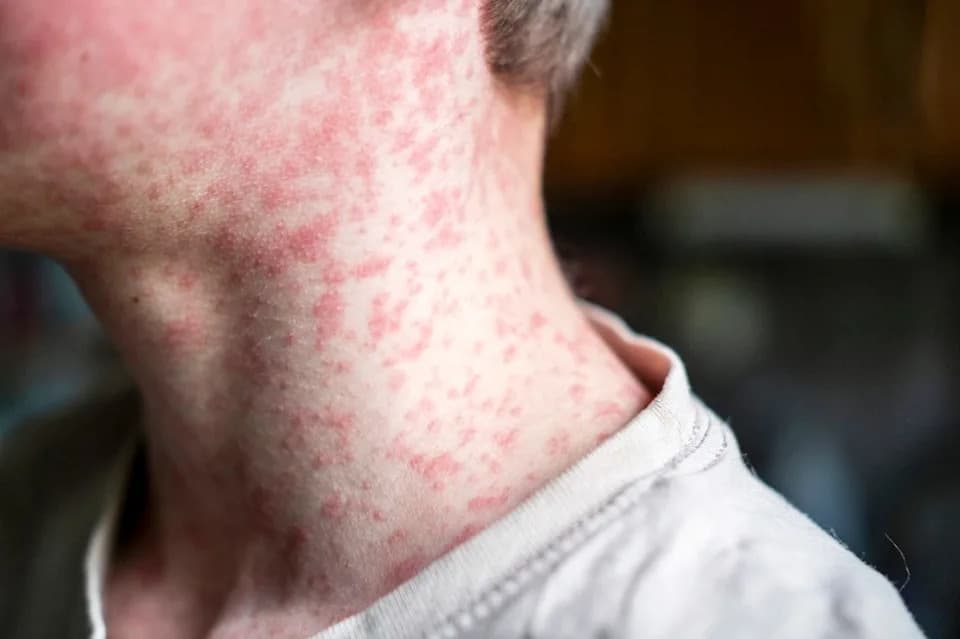
Vaccination rates in Virginia are high, a few isolated measles cases reported early this year didn't appear to spread. - Sean Rayford/Getty Images
What Experts Recommend
Public health experts say measles outbreaks remain likely wherever MMR vaccine coverage falls below about 95 percent. They recommend increasing routine childhood MMR uptake, hosting targeted vaccination events in outbreak areas, maintaining robust contact tracing capacity and sustaining public health funding to respond to outbreaks quickly.
International health officials will review whether the United States still meets measles elimination criteria when they meet in November, a review informed by the longevity and geographic spread of current outbreaks.
Bottom line: Until vaccination gaps are closed and public health systems are better resourced, the US remains vulnerable to further surges of a disease once considered eliminated.
Help us improve.