Drones have made it easier and cheaper to target refineries, tankers, LNG terminals and power systems — a major factor behind recent spikes in oil and fuel prices. Conflicts in Ukraine and Iran show how massed, low-cost drone attacks can create global market shockwaves by taking energy production offline. Experts recommend decentralization, modular infrastructure, targeted hardening and stronger military–industry coordination to reduce vulnerability.
Drone Warfare Redefines Energy Security — Driving Oil Near $100 and Threatening Global Supplies
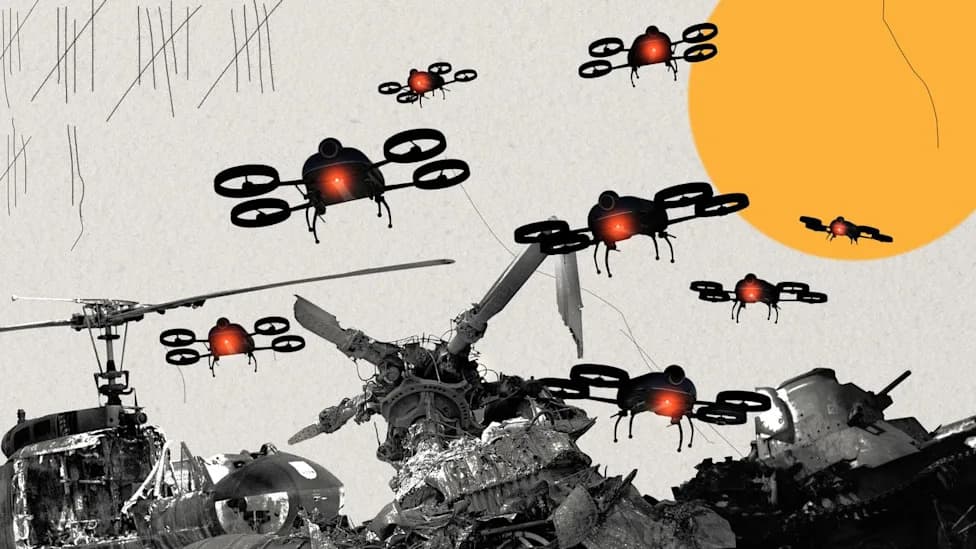
Photo illustration: Aïda Amer/Axios. Photos: Bettmann and Interim Archives via Getty Images
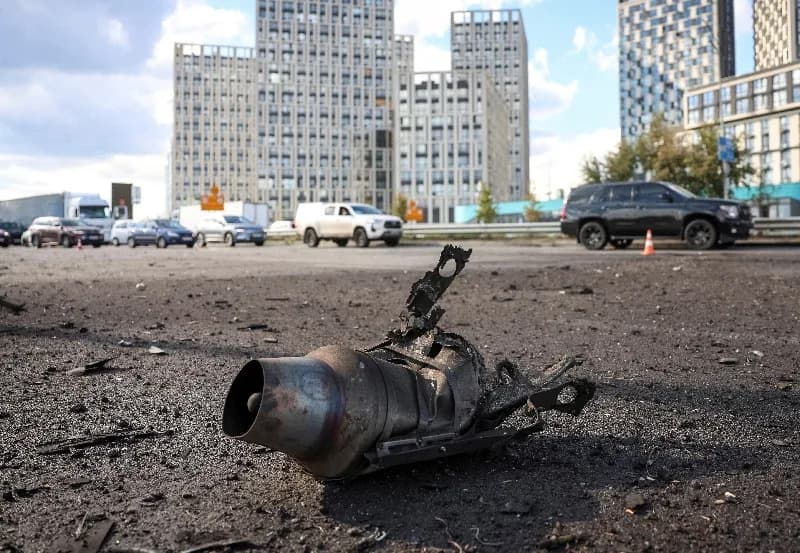
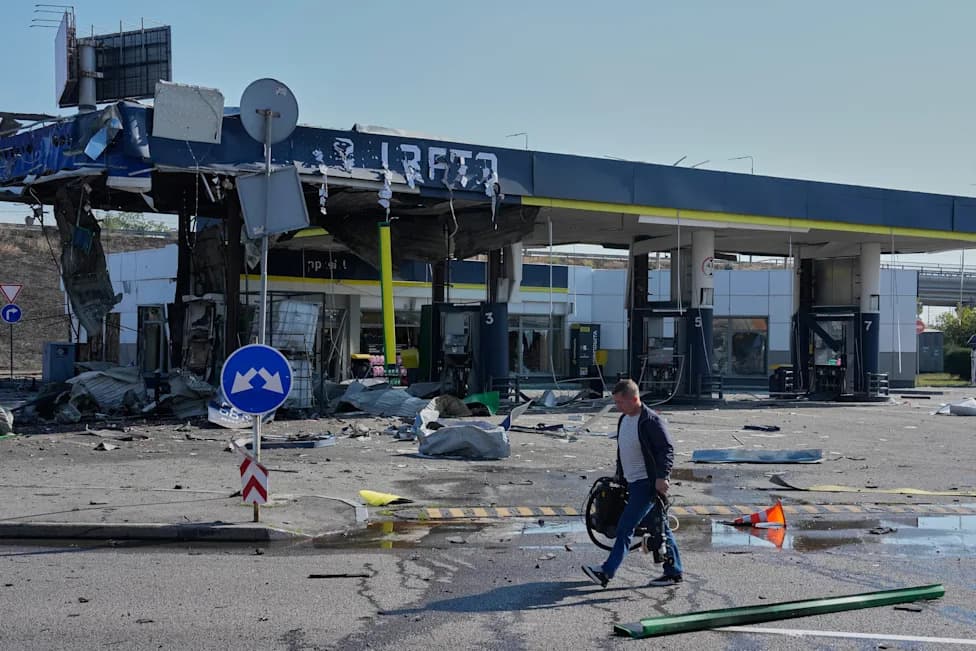
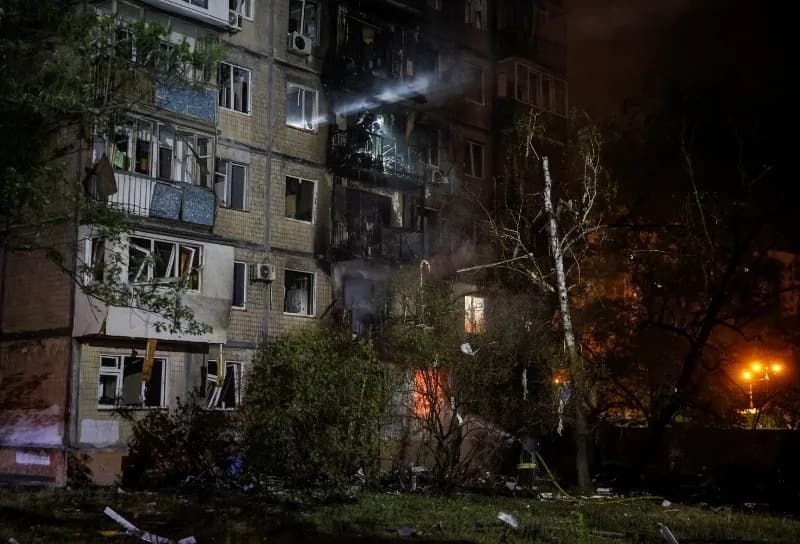
Drones are changing the risk calculus for global energy infrastructure. Recent conflicts in Ukraine and Iran demonstrate how relatively cheap, long-range and massed drone attacks can disrupt refineries, tankers, liquefied natural gas (LNG) terminals and power networks — with direct effects on oil prices and fuel costs worldwide.
Why It Matters
Energy market volatility — including oil trading near $100 per barrel — is increasingly linked to the new vulnerability of energy assets to drone strikes. Interruptions to crude, refined products and LNG flows translate quickly into higher prices at the pump and greater uncertainty for businesses and consumers.
What’s Happening
Ukraine: Ukrainian forces have increasingly used drones to strike Russian refineries and crude infrastructure, including facilities around the Black Sea. These attacks can be launched from long distances and have degraded refining capacity.
Iran and the Gulf: Iran has deployed drones against shipping around the Strait of Hormuz and against regional energy sites, including attacks on tankers and infrastructure that discourage transit of oil, refined fuels and LNG despite superior U.S. naval power.
“A localized conflict in the region effectively triggers global economic shockwaves by taking oil and gas production offline via cheap, massed drone attacks,” notes a recent analysis from the Modern War Institute at West Point.
State of Play and Strategic Implications
Tatiana Mitrova, a fellow at Columbia University's Center on Global Energy Policy, says energy planning now calls for "completely different thinking" about electricity and fuel systems. The historical focus on concentration and economies of scale makes large facilities attractive targets — and therefore more vulnerable.
The counter to that risk is greater decentralization: modular, small-scale assets that are quicker and cheaper to build, easier to relocate and less likely to be fully disabled by a single strike. In Ukraine, for example, operators have shifted to mobile, on-site power sources to mitigate repeated attacks on the grid.
Defense Options and Limits
Defense measures vary by asset. Fixed, easily mapped infrastructure like pipelines requires different solutions than coastal terminals or power plants. Existing anti-drone tools range from physical barriers and netting to electronic jamming, directed-energy weapons (lasers) and traditional missile interceptors.
However, missile-interceptor systems are expensive and cannot realistically protect every vulnerable site. That has led analysts to call for a mix of hardening, decentralization and improved coordination.
What Experts Recommend
- Decentralize critical electricity and fuel systems where feasible, including use of microgrids in high-risk regions.
- Harden large, irreplaceable assets with measures such as blast walls, netting around key transformers and burial of critical components.
- Deploy layered counter-drone tools tailored to each site — from physical barriers and electronic defenses to kinetic interceptors where appropriate.
- Strengthen military–industry cooperation so energy security is treated as a strategic priority, not merely a logistical concern.
Bottom Line
The proliferation and maturation of drone technology has made it easier and cheaper to interrupt energy supplies. Policymakers and companies must adapt by redesigning systems for resilience, investing in tailored countermeasures and improving civil-military coordination to reduce the economic and security fallout of future attacks.
Help us improve.