Plastic waste has become pervasive across Wadi Dawan and other Yemeni regions, clogging irrigation channels, contaminating soil and polluting the air when burned. Farmers such as Yousef Abdullah work to clear flood‑borne rubbish, while local officials like Salem Raji struggle with minimal budgets. The problem has worsened amid years of conflict that have eroded municipal services, and experts warn of rising disease risk and long‑term damage to date and honey production.
Plastic Waste Is Choking Yemen’s Valleys and Threatening Harvests
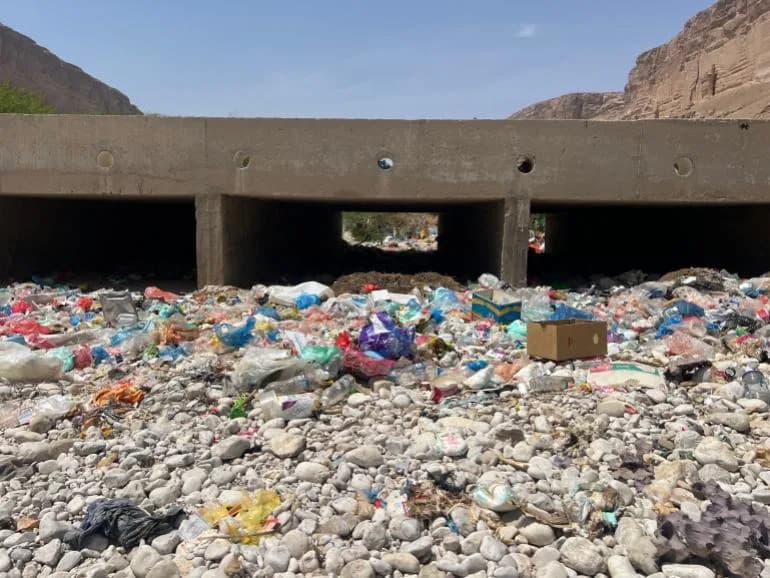
Plastic waste and household rubbish accumulate beneath a bridge in Wadi Dawan, where residents say seasonal floods wash the debris into irrigation channels serving nearby farms [Saeed Al Batati/Al Jazeera]
From a distance, Wadi Dawan in eastern Hadramout province looks almost untouched: a ribbon of date palms threaded between towering cliffs, with mud‑brick homes clinging to the slopes above one of Yemen’s most prized agricultural valleys. Up close, however, the valley tells a different story — plastic bags, bottles and household refuse line flood channels, mounds of rubbish sit beside roads and the air often smells of burning waste.
Rivers of Rubbish
Seasonal floods sweep litter into irrigation channels, blocking water flow and depriving farms of vital irrigation. Farmers race to clear clogged channels when floods arrive, and then return after the waters recede to salvage plastic bottles and bags before sowing.
“By God, this is a very serious problem,” said Yousef Abdullah, a 65‑year‑old farmer and orchard owner. “If it remains unresolved, it will cause a disaster.”
Why It’s Getting Worse
Residents, environmental advocates and local officials point to a near absence of reliable waste collection, overflowing bins where they exist, and a lack of public awareness about the risks of indiscriminate dumping. Garbage truck services are frequently interrupted by funding shortages and vehicle breakdowns.
Local agriculture official Salem Raji has campaigned to raise awareness, meeting officials, briefing media and using social platforms to warn residents. But with an office budget of just 8,000 Yemeni riyals (about $5) a month, his team lacks the resources to make regular field visits, remove waste or expand outreach.
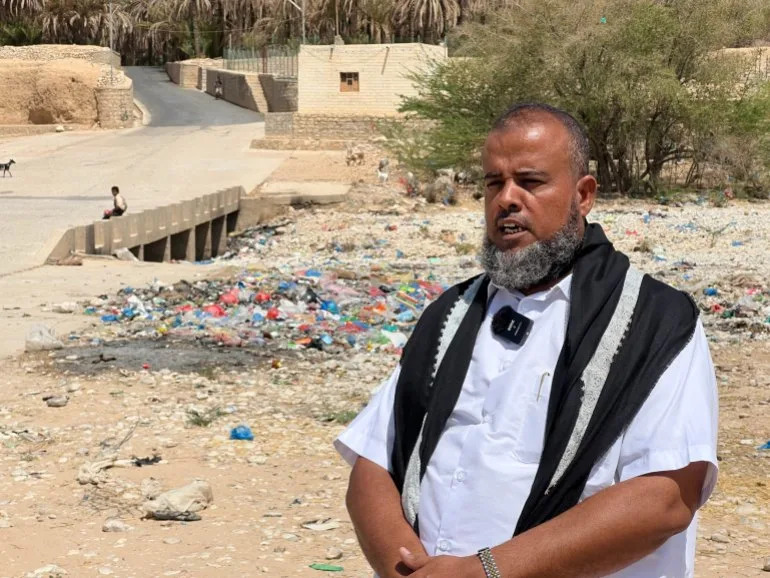
Salem Raji, an agricultural official and researcher, tries to raise awareness among residents about the risks of dumping waste into valleys [Saeed Al Batati/Al Jazeera]
Health, Environment and Economic Impacts
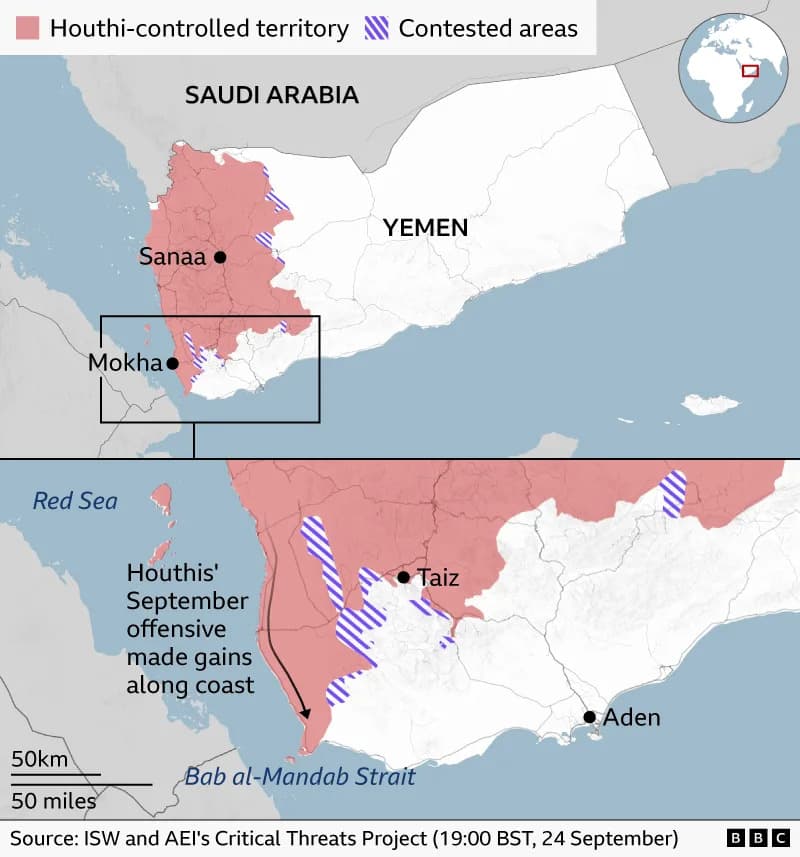
Experts warn of mounting environmental and public health consequences: soil contamination, reduced crop yields, damage to irrigation infrastructure, and growing numbers of disease cases when sewage pollutes drinking wells. In Taiz and other parts of Yemen, health officials report increased diarrhoea and other waterborne illnesses linked to contaminated water sources.
“Accumulated waste is degrading natural habitats and polluting the soil around the palms, threatening tree growth and long‑term productivity,” said Khaled Saleh Bawahidi, director of the Environmental Studies and Water Resources Centre at Hadramout University. “Bee health is also at risk, which could reduce the quality of dates and honey.”
The Broader Context
The problem has deepened over the past decade amid Yemen’s conflict, which has hollowed out municipal services, displaced communities and left local authorities with limited funding and capacity. The result is a widening environmental crisis that affects rural livelihoods, food security and public health.
What Residents Are Doing—and What’s Needed
Farmers and community members continue ad hoc cleanup efforts to protect crops, but experts call for coordinated action: restored and funded waste-collection systems, community education campaigns, proper sewage management and support for local agricultural offices. Without sustained investment and coordination, the damage to soil, water resources and livelihoods could become long‑term and difficult to reverse.
Photos and reporting: Saeed Al Batati/Al Jazeera
Help us improve.