Shared death experiences (SDEs) are vivid, near-death–like perceptions reported by healthy people closely bonded to someone who is dying. While SDEs share sensory and emotional features with near-death experiences, the experiencer is not themselves at medical risk. Research led by the Shared Crossing Research Initiative finds many SDEs occur remotely, often at the moment of death, and can reduce fear of death, transform beliefs and ease grief. Scientists remain divided: neurophysiological, psychological and nonmaterial explanations have been proposed, and further rigorous study is needed.
People Describe Shared Death Experiences — Vivid 'Near-Death' Visions Without Dying
Did These People Share Others' Deaths?Getty Images
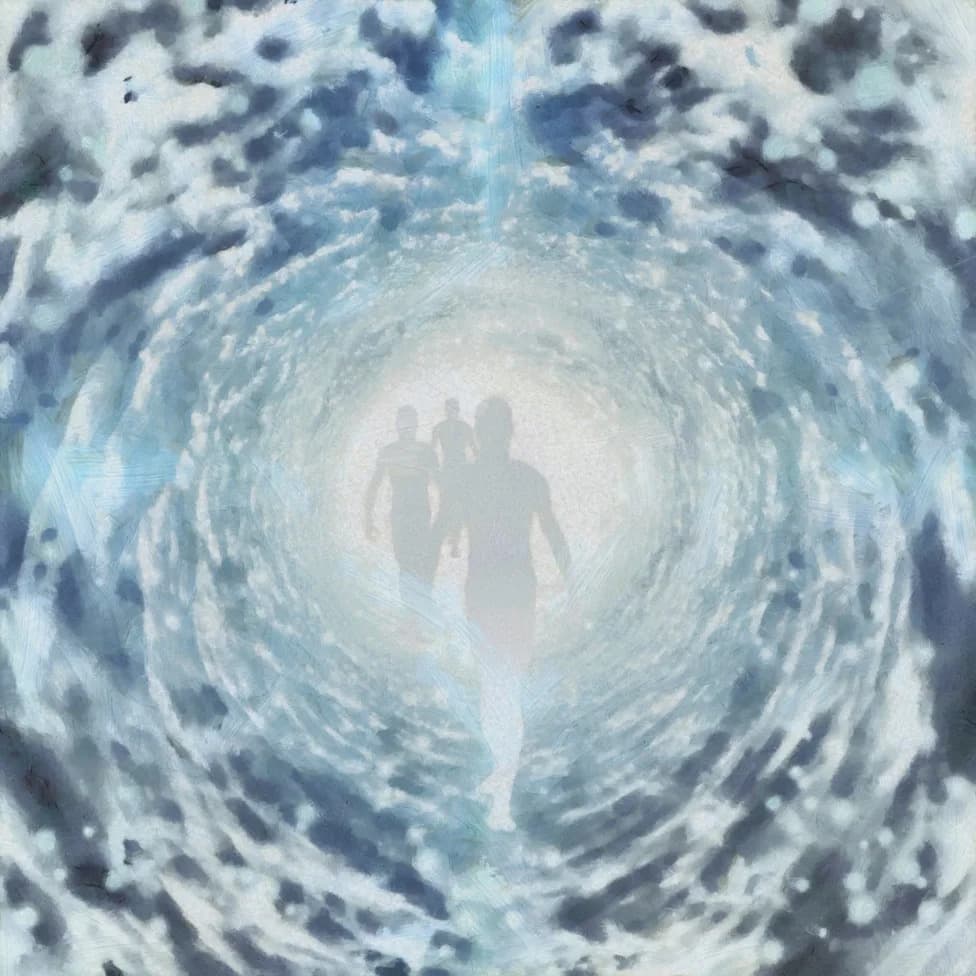
In the moments before his father's death, licensed psychotherapist William Peters says he slipped into what he describes as another dimension and encountered deceased relatives — his grandmother, an aunt and a grandfather he'd never met. Peters asked, "Why isn't he dying?" His relatives pointed him toward a presence above the father's body. "I'm like, 'Oh my gosh, that's the conductor,'" Peters recalls. Within moments his father died and, Peters says, "transitioned."
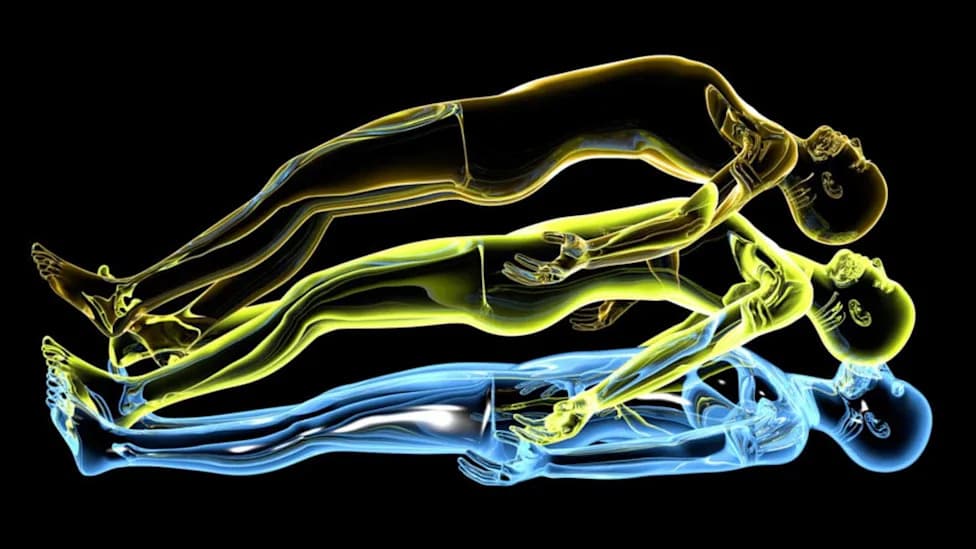
Clinicians call this kind of perception a shared death experience (SDE). SDEs resemble near-death experiences (NDEs) in many sensory and emotional features — altered time, life reviews, profound peace and encounters with a guiding presence — but differ in one key way: the experiencer is not themselves medically endangered.
What Researchers Say
Marieta Pehlivanova, PhD, research assistant professor of psychiatry and neurobehavioral sciences at the University of Virginia School of Medicine, characterizes NDEs as episodes of altered consciousness tied to life-threatening events or clinical crises such as cardiac arrest. SDEs, by contrast, occur in physically and cognitively healthy people who are closely bonded to someone who is dying and appear to undergo an NDE alongside the dying person.
Peters founded the Shared Crossing Project and directs the Shared Crossing Research Initiative (SCRI), a nonprofit that has conducted hundreds of interviews and led much of the published research into SDEs. SCRI's data indicate about 64% of reported SDEs are remote (the experiencer is physically distant), while 36% occur at the bedside. Approximately 75% of reports coincide with the medically determined moment of death; others happen moments, hours or, rarely, days before or after passing.
Common Features And Effects
People who report SDEs and NDEs commonly describe:
- Altered or suspended sense of time
- Vivid sensory impressions, often of light or a life review
- Encounters with a compassionate guiding presence
SCRI and other studies suggest SDEs can transform beliefs, reduce fear of death, strengthen perceived bonds with the deceased and ease bereavement. A 2021 SCRI study published in the American Journal of Hospice and Palliative Medicine reported that SDEs often help experiencers reconcile grief and that about 41% of people who report one SDE later report additional ones.
Scientific Explanations And Open Questions
Explanations for SDEs span biological, psychological and parapsychological frameworks. The NEPTUNE model (Neurophysiological Evolutionary Psychological Theory Understanding Near-Death Experience) proposes that changes in blood gases, endorphins or electrical brain activity — including temporoparietal junction activation — may produce aspects of NDEs such as out-of-body sensations. Critics argue these mechanisms do not fully account for multi-sensory, persistent or remotely occurring reports.
Researchers such as Tais Oliveira da Silva, PhD, acknowledge that some SDE-like reports could arise from delirium, medication effects, fever or stress-related misperception, while noting many SDE studies exclude delirious patients to isolate genuine end-of-life experiences (ELEs). Pehlivanova and others argue that certain features of SDEs and NDEs remain unexplained by brain-based models alone and call for broader models of consciousness.
In a recent review, Bruce Greyson, MD, and Pehlivanova noted that electrical brain stimulation has not reproduced accurate, persistent perceptions from an out-of-body perspective, highlighting gaps in current neurophysiological accounts. Peters, who both researches and has experienced SDEs, considers the survival of consciousness after death a plausible interpretation, given reports of apparent communication between the dying and the living.
Implications
Regardless of mechanism, SDE reports have clinical relevance: they may shape how families cope with loss and how clinicians approach end-of-life care. Experts urge rigorous, open-minded research that compares psychological, neurological and phenomenological data to better understand SDEs, their causes and their potential benefits for bereavement support.
Help us improve.