The U.S. Maritime Administration and the Port of Long Beach signed a Memorandum of Cooperation to test Small Modular Reactor (SMR) technology for commercial ships and port operations. Long Beach has leased port property to BlueCore Energy, which is developing barge-mounted reactor systems, and Marad issued an RFI in May seeking U.S.-built maritime SMRs. The pact calls for collaboration with the Coast Guard, DOE and NRC to develop safety, inspection and operational standards but includes no funding or procurement commitments.
Test Program Brings Nuclear-Powered Container Ships Closer: Port of Long Beach and Marad Explore SMRs
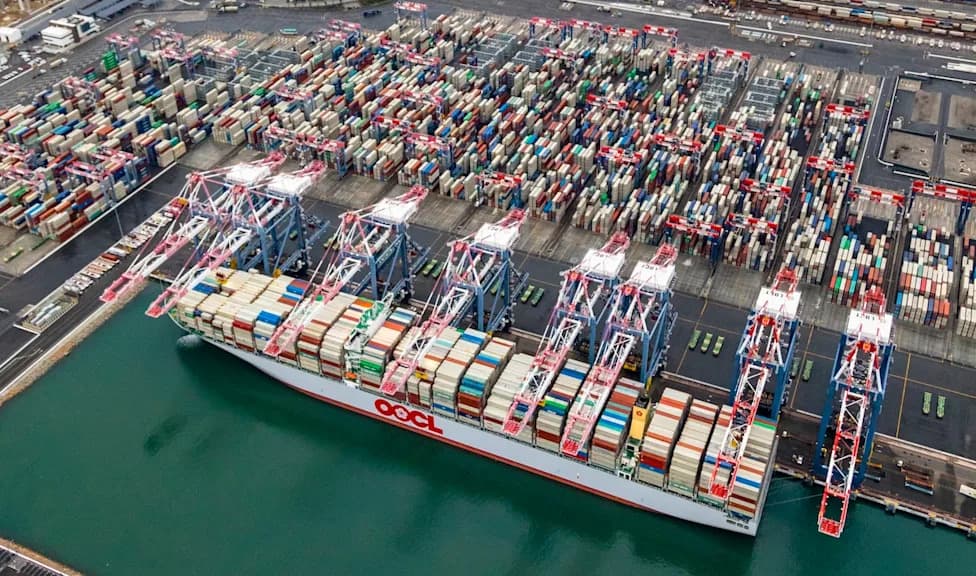
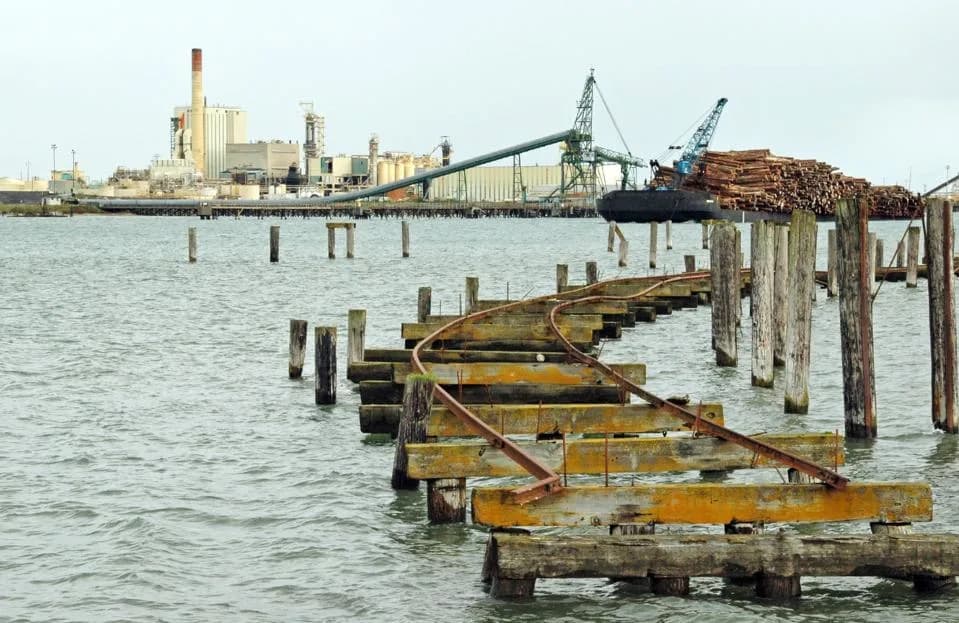
Port of Long Beach Middle Harbor Terminal. (Photo: Port of Long Beach)
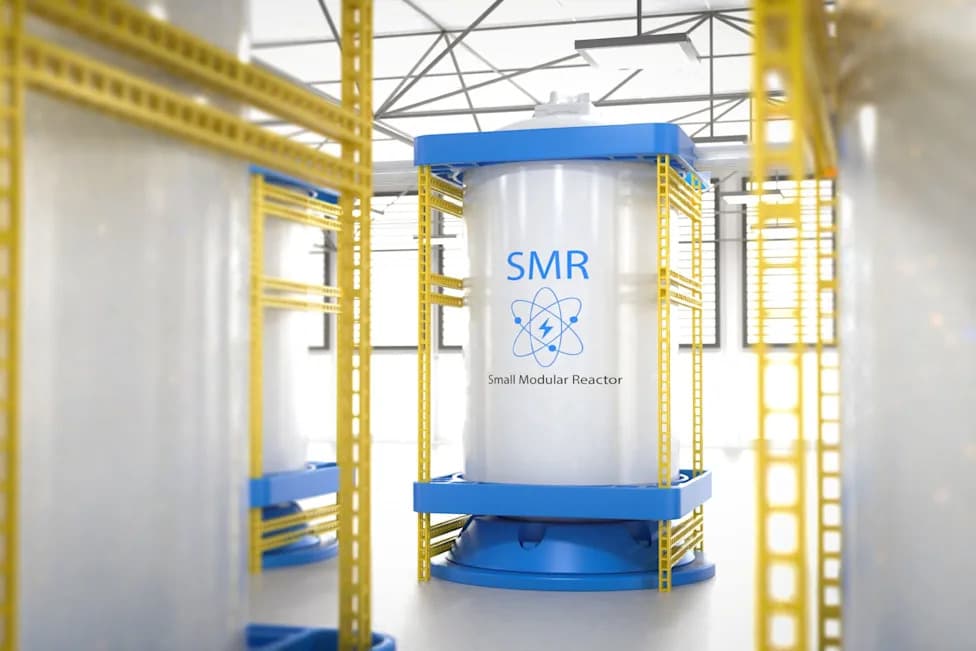
A previously low-profile effort to decarbonize and diversify ship power has moved squarely into nuclear territory. The U.S. Department of Transportation's Maritime Administration (Marad) and the Port of Long Beach have signed a Memorandum of Cooperation to explore Small Modular Reactor (SMR) technology for commercial vessels and port operations.
The Port of Long Beach says the agreement will combine federal leadership with private-sector innovation to accelerate safe, secure testing of maritime SMRs. The port handles roughly $300 billion in cargo each year and supports about 2.7 million U.S. jobs, making it a critical testing ground for next-generation propulsion and energy systems.
The port also disclosed a recent lease with BlueCore Energy Inc., a manufacturer located on port property that is developing barge-mounted reactor systems intended for maritime use. In May, Marad issued a Request for Information seeking U.S.-built commercial SMR designs for the marine transportation system, signaling increased federal interest in shipboard nuclear power.
Why This Matters
The partnership could pave the way for the first U.S. nuclear-powered merchant ship since the S.S. Savannah sailed in 1959. Currently, Russia operates the nuclear cargo/utility vessel Sevmorput and a fleet of nuclear-powered civilian icebreakers. Advocates say maritime SMRs could improve supply-chain resilience during crises and reduce greenhouse-gas emissions from long-haul shipping, while critics point to regulatory, safety and security hurdles that will take years to resolve.
Scope, Oversight And Limits
Under the memorandum, Marad and the Port of Long Beach will collaborate with the U.S. Coast Guard, the Department of Energy (DOE) and the Nuclear Regulatory Commission (NRC) to define operational protocols, safety standards and inspection procedures needed to support the safe arrival, servicing and operation of SMR-powered vessels at U.S. ports. The agreement is explicitly nonbinding on funding or procurement: it establishes cooperation and information-sharing but does not commit federal dollars or purchasing.
Marad Administrator Stephen Carmel called the pact "a milestone" that brings SMR technology into active testing and helps ensure maritime supply chains remain operational under a range of contingencies while training a new generation of skilled mariners.
Context And Outlook
The memorandum arrives as the shipping industry experiments with a range of alternative fuels and technologies — from cleaner-burning fuels and dual-fuel engines to trials with ammonia and sail-assisted systems. Long Beach and neighboring Los Angeles comprise the busiest U.S. port complex; officials estimate container volumes could double by 2050, intensifying interest in scalable, low-emission energy solutions for ships and terminals.
Long Beach is one of 18 designated Commercial Strategic Seaports in the United States and already homeports two Ready Reserve vessels that support military and supply-chain operations during national emergencies. The SMR cooperation is intended to establish protocols and best practices long before any shipboard reactors are licensed and deployed.
Key caveats: The memorandum does not authorize construction, provide funding, or alter the NRC’s licensing authority. Any commercial use of nuclear propulsion will require extensive regulatory review, community engagement, and demonstrated safety and security measures.
Help us improve.