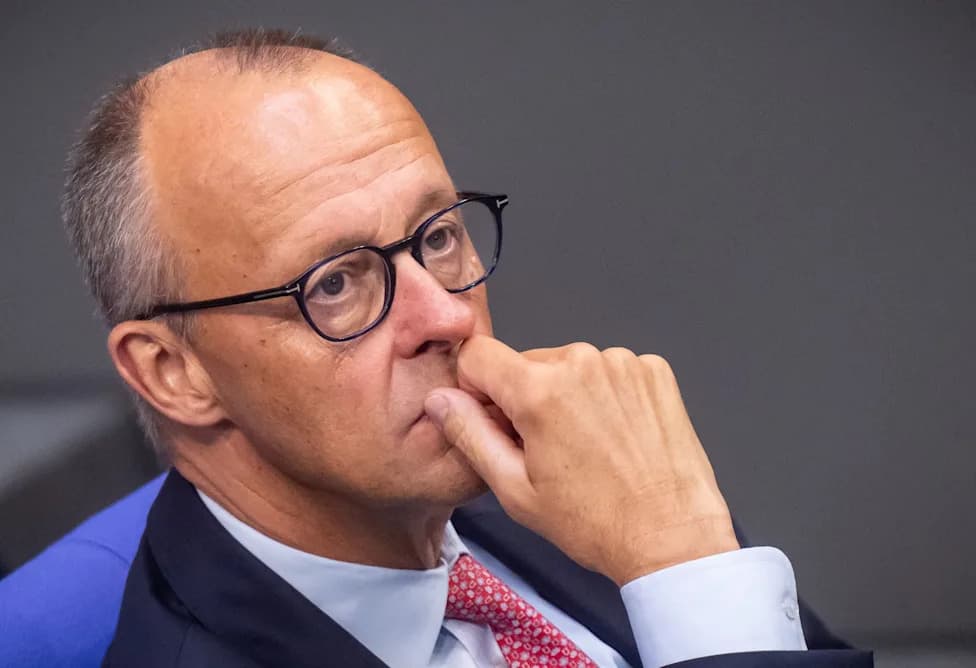
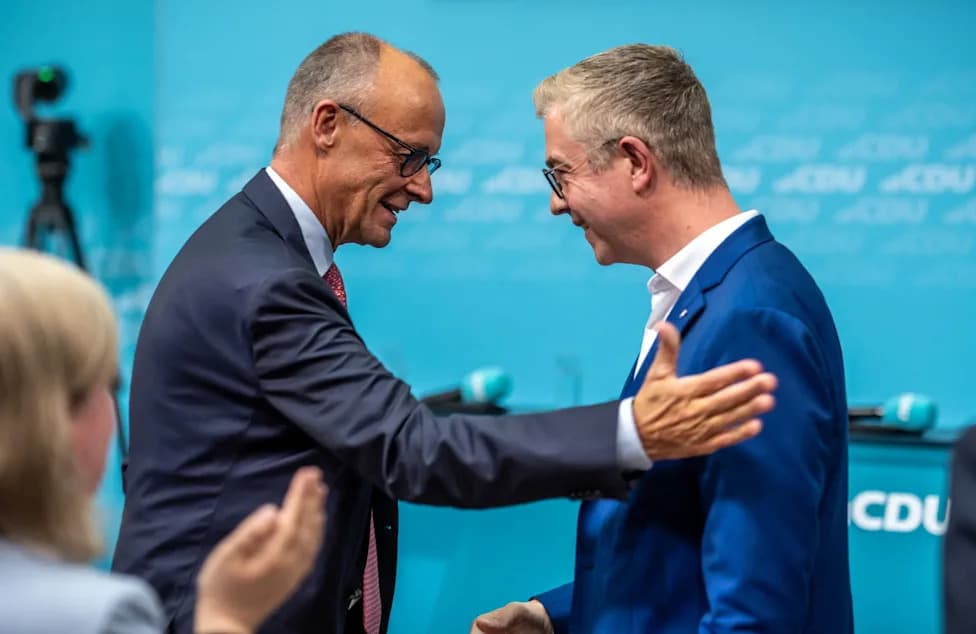
Chancellor Friedrich Merz announced a wide-ranging Cabinet and CDU leadership reshuffle after Jens Spahn resigned amid revelations he had a child via surrogacy in the United States, a practice illegal in Germany. Key changes include Nina Warken becoming head of the chancellery, Thorsten Frei taking Spahn's parliamentary group leadership, and Carsten Linnemann slated as health minister. Merz warned more changes are likely and said decisions will be taken carefully. The moves come as the conservative bloc faces pressure in polls ahead of September state votes.
Merz Announces Sweeping Cabinet Shake-Up After Spahn Resigns Over Surrogacy
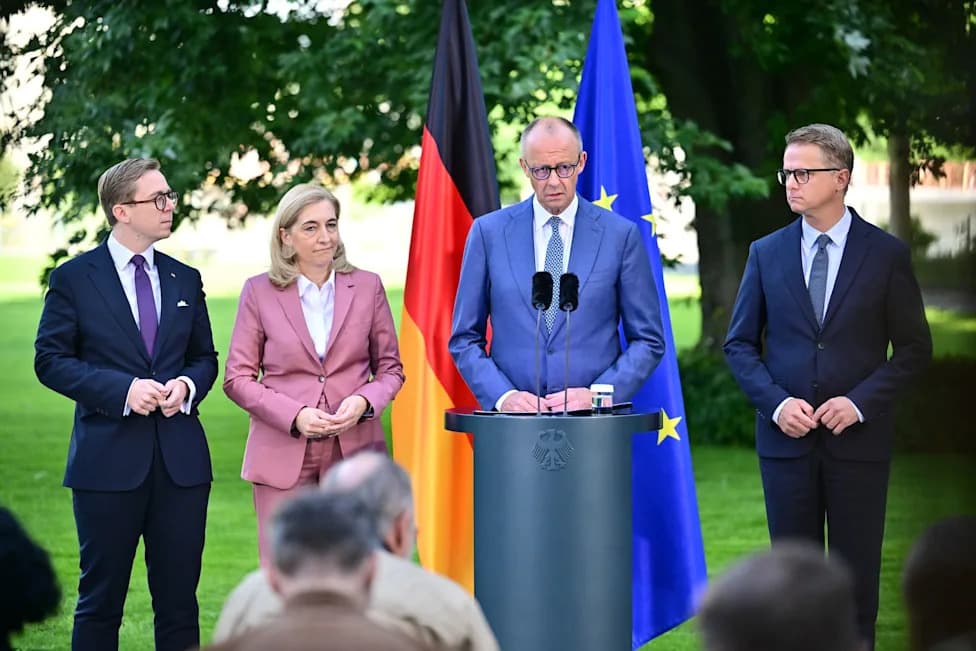
German Chancellor Friedrich Merz (2nd from right, CDU) speaks during a press conference at the Chancellery in Berlin, alongside former Health Minister Nina Warken (CDU), former CDU Secretary-General Carsten Linnemann (R), and former Parliamentary State Secretary at the Ministry of Digital Affairs, Philipp Amthor (L, CDU), regarding personnel changes in the government and the CDU. (is associated with: «Merz reshuffles leadership team after ally resigns in surrogacy row») Sebastian Gollnow/dpa
German Chancellor Friedrich Merz on Friday unveiled a broader-than-expected Cabinet and party leadership reshuffle after conservative parliamentary group leader Jens Spahn resigned following revelations that he and his partner had a child via surrogacy in the United States — a practice that is illegal in Germany.
Spahn stepped down on Saturday after media reports confirmed the surrogacy arrangement. The episode has intensified scrutiny of Merz's coalition and prompted a rapid re-evaluation of senior roles within the Christian Democratic Union (CDU) and the federal government.
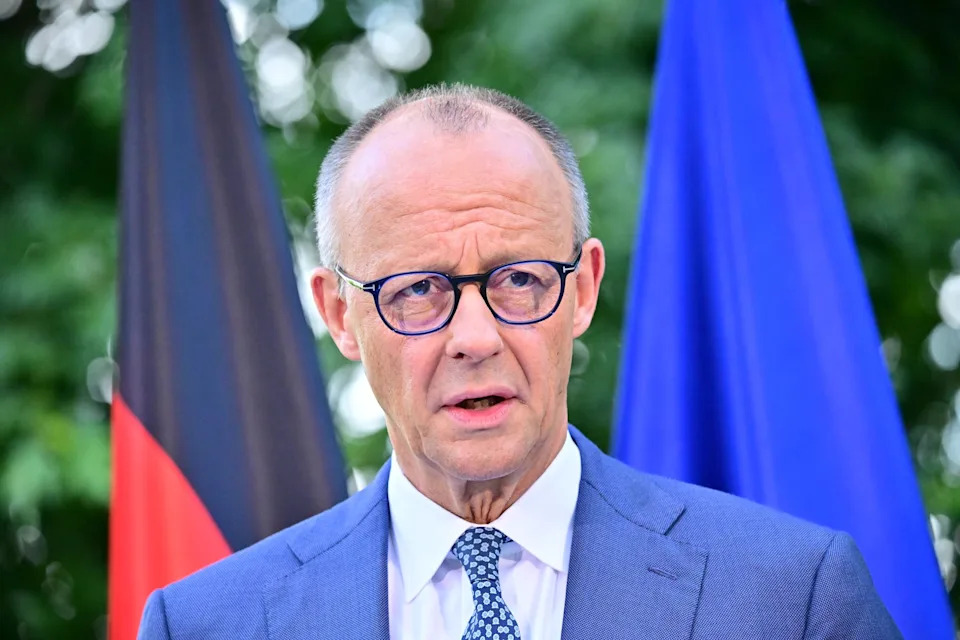
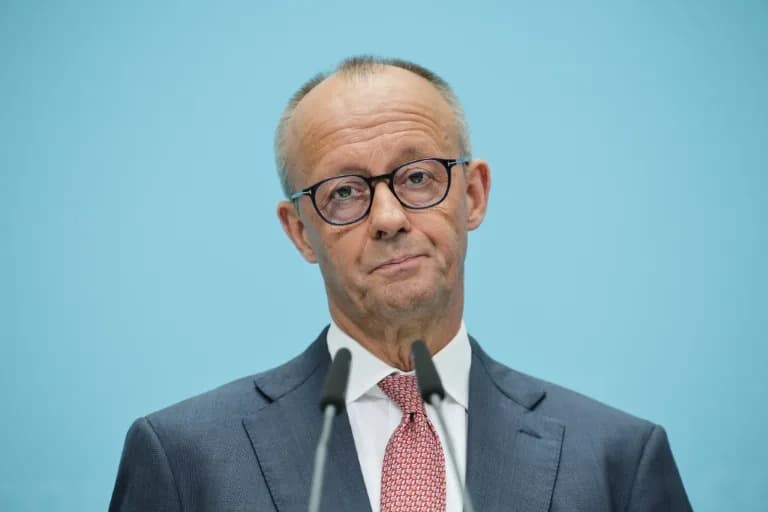
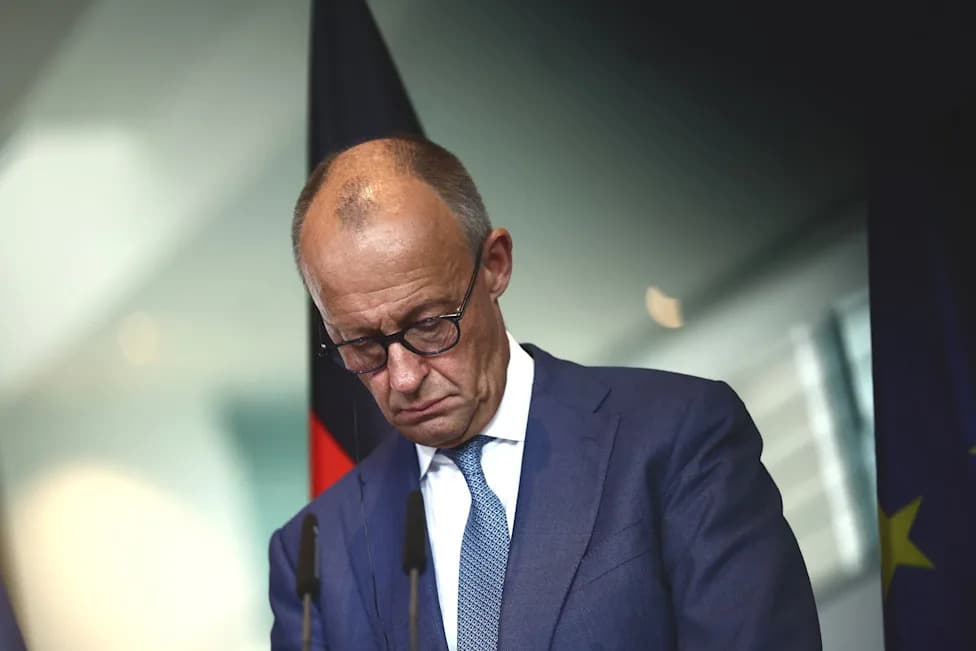
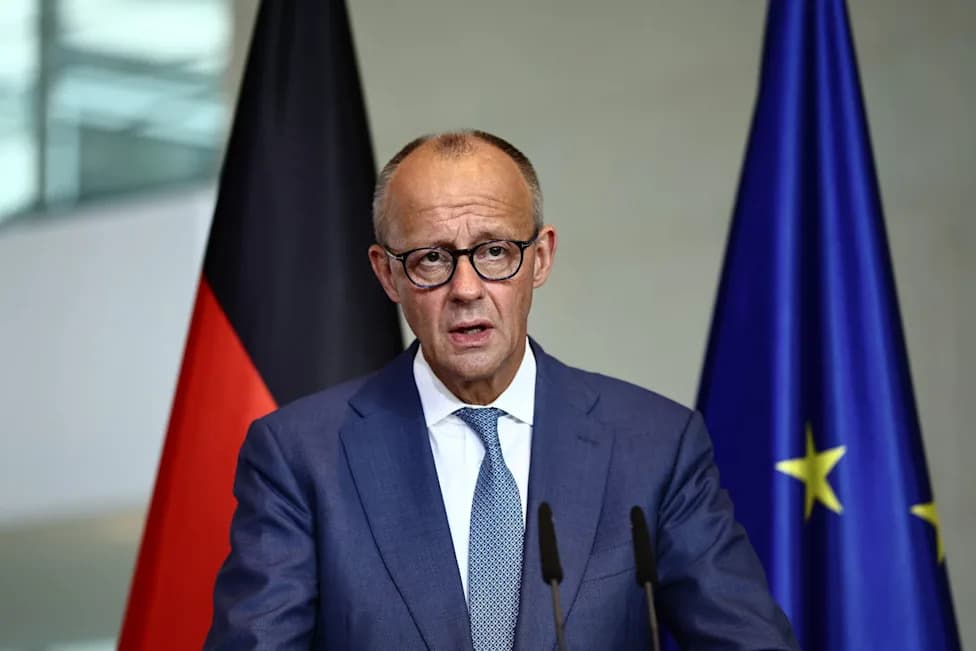
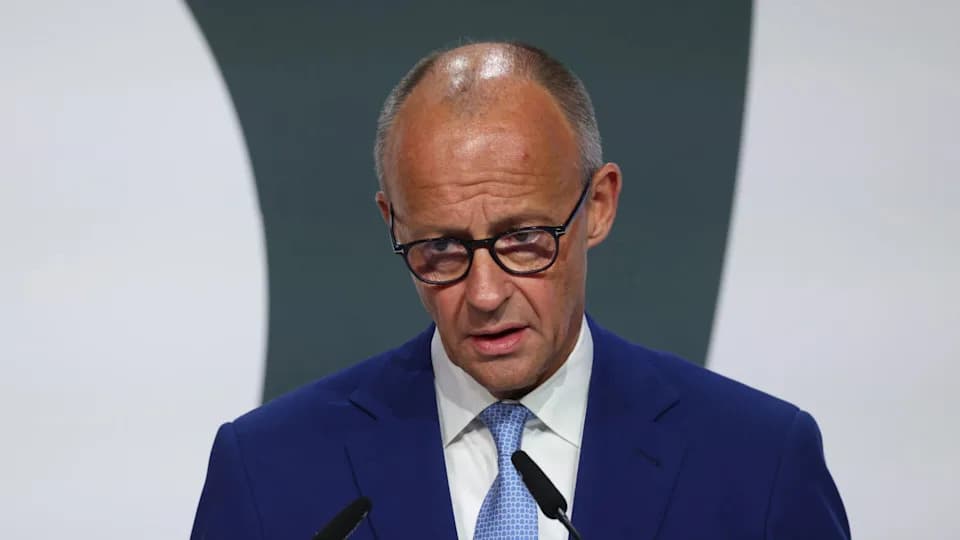
German Chancellor Friedrich Merz speaks during a press conference at the Chancellery in Berlin to discuss personnel changes in the government and the Christian Democratic Union (CDU). (is associated with: «Merz reshuffles leadership team after ally resigns in surrogacy row») Sebastian Gollnow/dpa
Key Personnel Moves
At a press conference in Berlin, Merz said former health minister Nina Warken will become head of the chancellery, replacing Thorsten Frei. Frei is to fill Spahn's vacant position as parliamentary group leader for the conservative bloc. Merz also named CDU Secretary General Carsten Linnemann as his proposed new health minister, while state secretary Philipp Amthor will move into the chancellery as the federal-state coordinator.
Merz signalled additional adjustments are expected. "There will be further changes," he said, adding that decisions would take "a few more days — and perhaps even more time — not least in light of the summer break." He stressed his intent to proceed "without rushing, with due care, and through the necessary discussions."
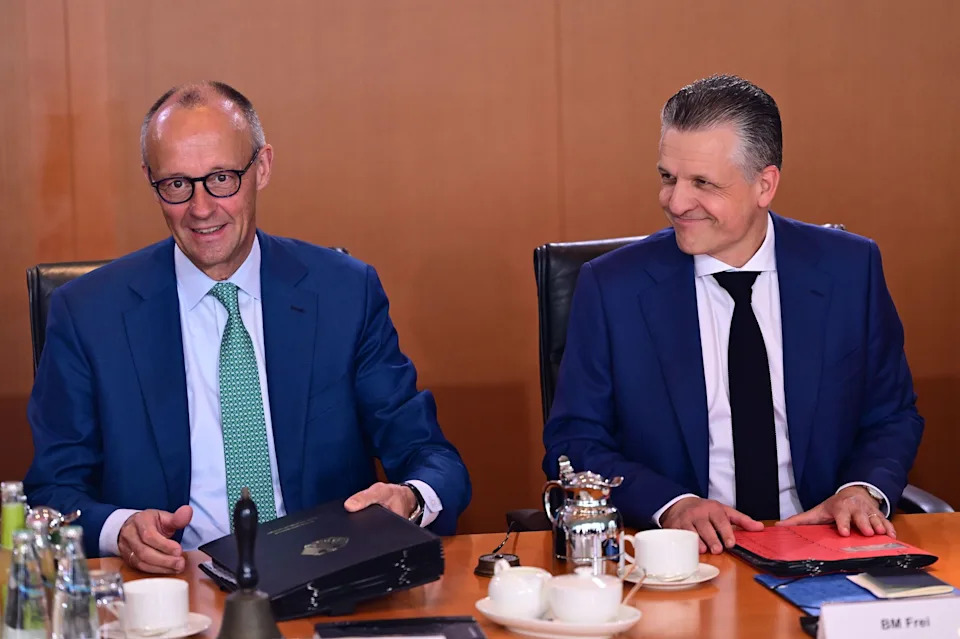
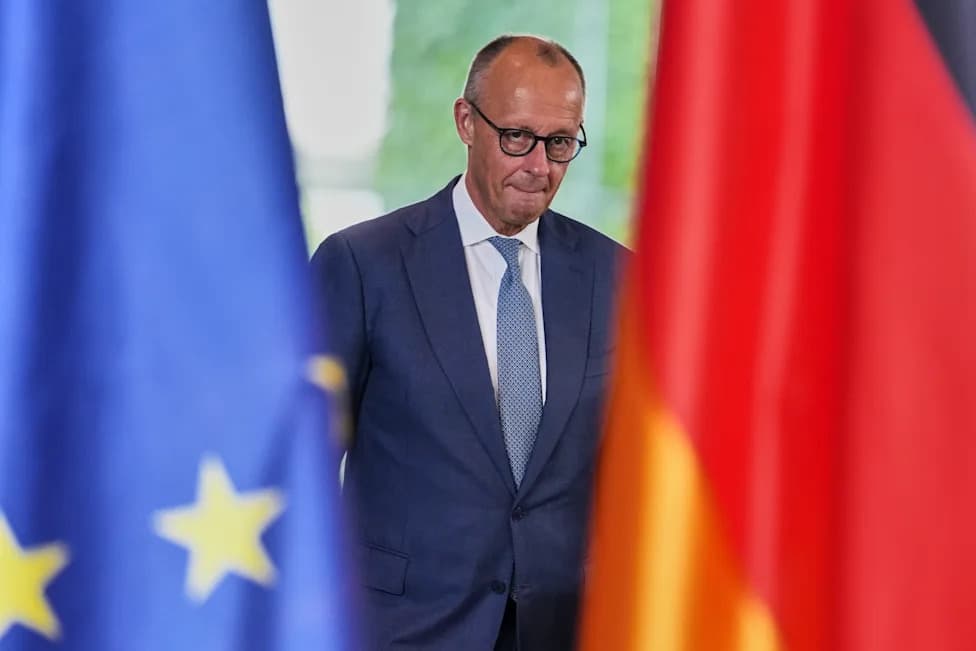
FILE PHOTO - German Chancellor Friedrich Merz L and Thorsten Frei, Head of the Chancellery and German Minister for Special Tasks, sit side by side before the Cabinet meeting. (is associated with: «Merz reshuffles leadership team after ally resigns in surrogacy row») Sebastian Gollnow/dpa
Political Context and Implications
German news agency dpa and other outlets reported that Transport Minister Patrick Schnieder is likely to step down, although Merz did not formally confirm this at the briefing. The reshuffle follows Merz's move to remove Spahn from his senior parliamentary role and his comment that Spahn's departure "could be an opportunity to reconsider the composition of the federal government."
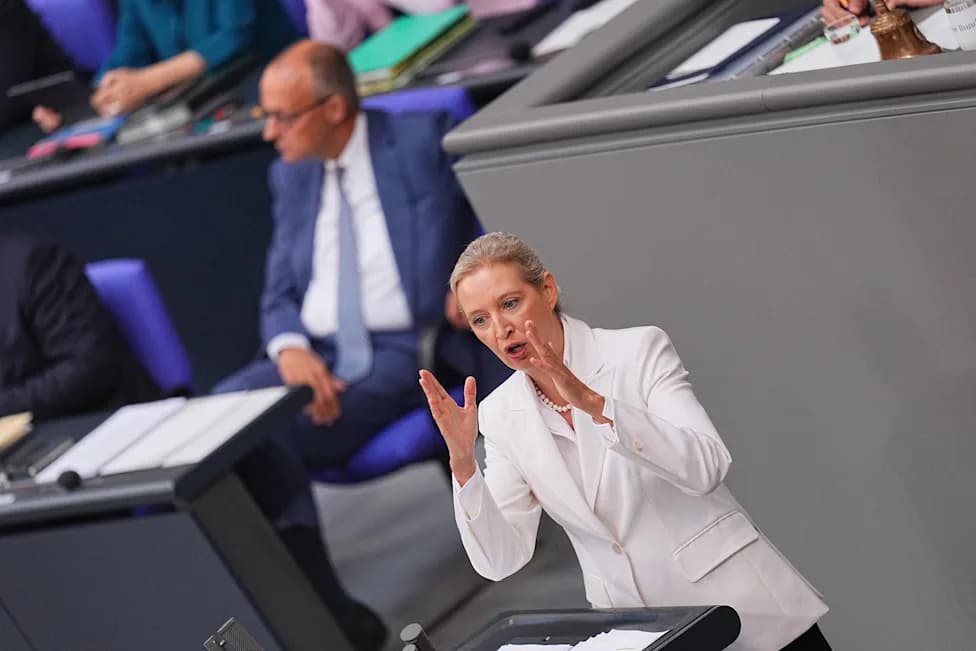
The changes come as Merz's centrist coalition — an alliance of the conservative CDU/CSU and the Social Democrats — faces mounting pressure in nationwide opinion polls. The conservative bloc now trails the far-right Alternative for Germany (AfD) in some surveys, and September brings two potentially competitive state votes in eastern Germany that could further reshape the political landscape.
This reshuffle signals Merz's intent to reassert control of his party and government team while navigating the political fallout from the surrogacy controversy and preparing for electoral challenges ahead.
Help us improve.