The video reposted by @Chicago_Goofies has nearly 334,000 views and ignited a polarized debate about U.S. disability applications. The TikToker lists multiple diagnosed and suspected conditions and describes severe limitations from POTS and likely ME/CFS that make paperwork and evidence-gathering exhausting. Commenters on X split between demanding medical proof and defending the system’s unfair burden on people with chronic, often invisible illnesses. The clip highlights tension between fraud prevention and accessibility for applicants with complex conditions.
‘I’m Exhausted’: TikToker With Multiple Chronic Conditions Says U.S. Disability Application Process Is Overwhelming
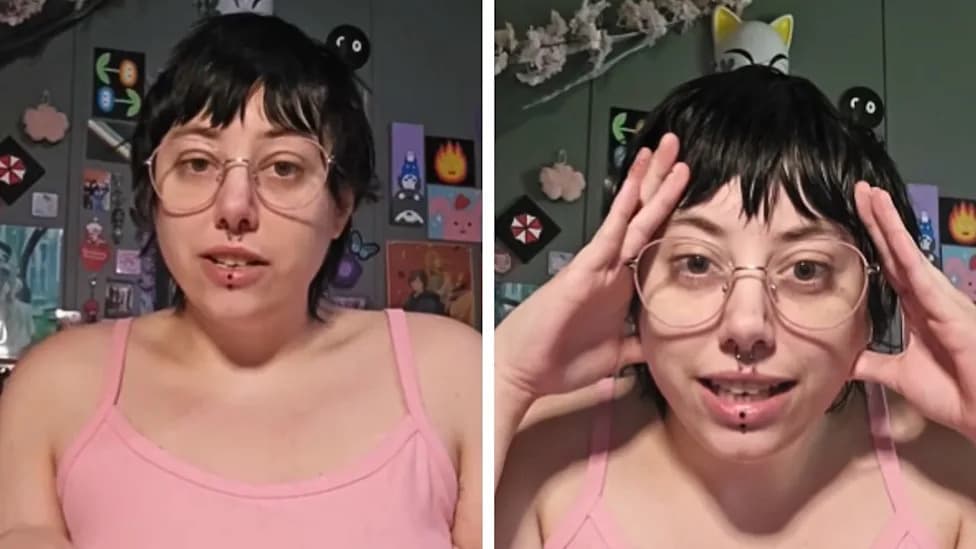
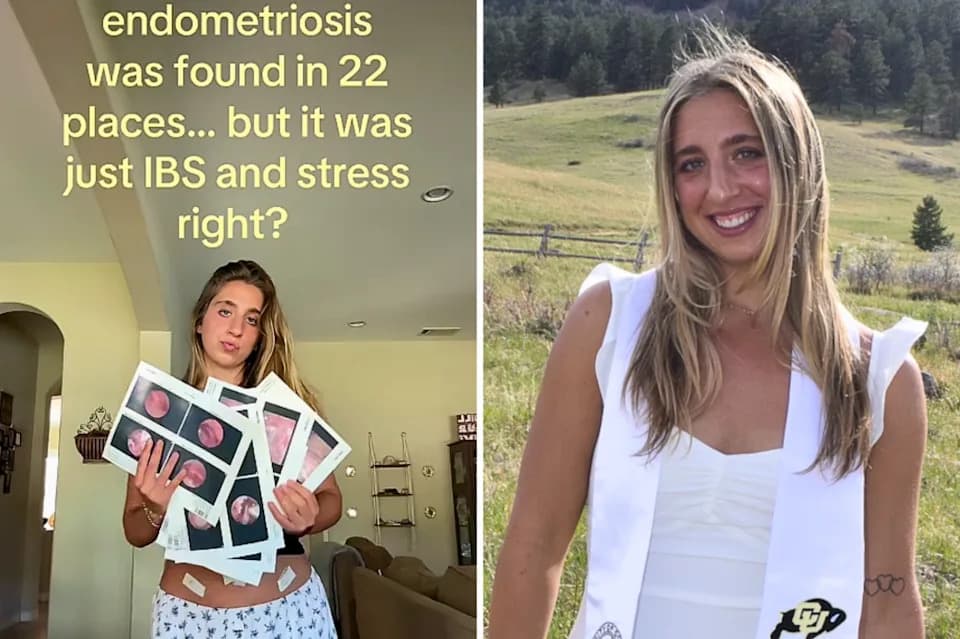
A TikTok creator’s candid video about her medical conditions and the challenge of applying for U.S. disability benefits was reposted on X by @Chicago_Goofies on July 23 and has drawn nearly 334,000 views. The clip sparked a sharp debate online over whether the application process is a reasonable safeguard or an unfair barrier for people with chronic illness.
In the video, the creator lists several formally diagnosed conditions and others still under evaluation. She names idiopathic intracranial hypertension (IIH), postural orthostatic tachycardia syndrome (POTS), gastroparesis, occipital neuralgia, temporomandibular joint (TMJ) problems and lower spinal stenosis. She also says clinicians are evaluating her for hypermobile Ehlers-Danlos syndrome (hEDS), myalgic encephalomyelitis/chronic fatigue syndrome (ME/CFS), mast cell activation syndrome (MCAS), endometriosis or adenomyosis, and polycystic ovary syndrome (PCOS).
She explains how some of these conditions limit daily functioning: POTS can make it difficult to stand for long periods or bend repeatedly, while suspected ME/CFS causes severe post-exertional malaise after routine activities. Those symptoms, she says, make completing the paperwork and evidence-gathering required for disability applications especially taxing.
"I seriously want to give up on applying for disability solely because they make it so hard," she says. "They make it this hard so that we give up, so that they just don't have to help us. I'm exhausted."
The repost drew polarized reactions. Some commenters argued that requesting medical documentation is a reasonable step before awarding taxpayer-funded benefits. Example comments included, "If you can film TikToks, you can process medical claims from home," and, "If you're too disabled to work but energetic enough to film a 4-minute monologue… the government asking for actual medical evidence is the bare minimum."
Other users pushed back, sharing personal stories of chronic illness and the tangible barriers to applying for benefits: difficulty getting complete medical records, the physical toll of visits and paperwork, and the cost and complexity of hiring legal help. Several contributors criticized the social-media-driven judgment of illnesses that are invisible or episodic.
What This Debate Highlights
The exchange underscores a broader policy tension: balancing fraud prevention and fiscal oversight against accessibility and fairness for applicants with complex, fluctuating, or hard-to-document conditions. Advocates say the system often places disproportionate burdens on people whose health already limits daily tasks, while critics stress the need for verification of claims.
Whatever side viewers take, the clip illustrates how social media can amplify both lived experiences and quick judgments — and how the process of proving disability remains fraught and emotionally draining for many applicants.
Help us improve.