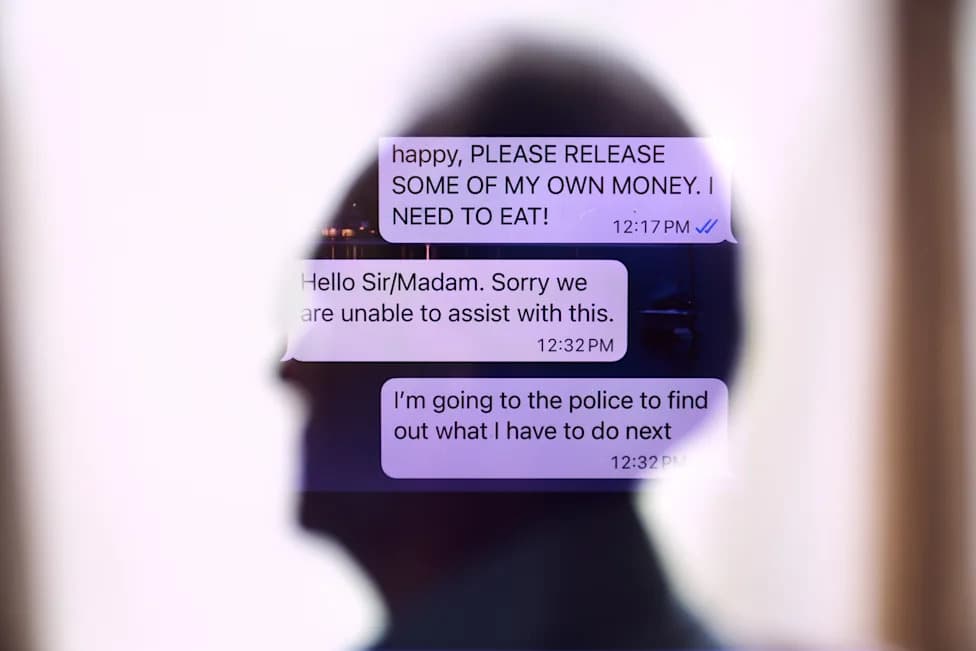
Secretary of State Marco Rubio announced new visa restrictions targeting foreign nationals involved in cybercrime, including online investment scams and sextortion. The policy can extend to certain immediate family members and complements President Trump’s executive order on combatting cyber-enabled fraud. Rubio said scammers have defrauded U.S. citizens of at least $10 billion in 2024 and highlighted the risk posed by transnational criminal organizations. The administration plans to pair visa limits with sanctions, prosecutions, asset seizures, extradition, and international cooperation.
U.S. Imposes Visa Restrictions on Foreign Nationals Linked to Cybercrime and Sextortion
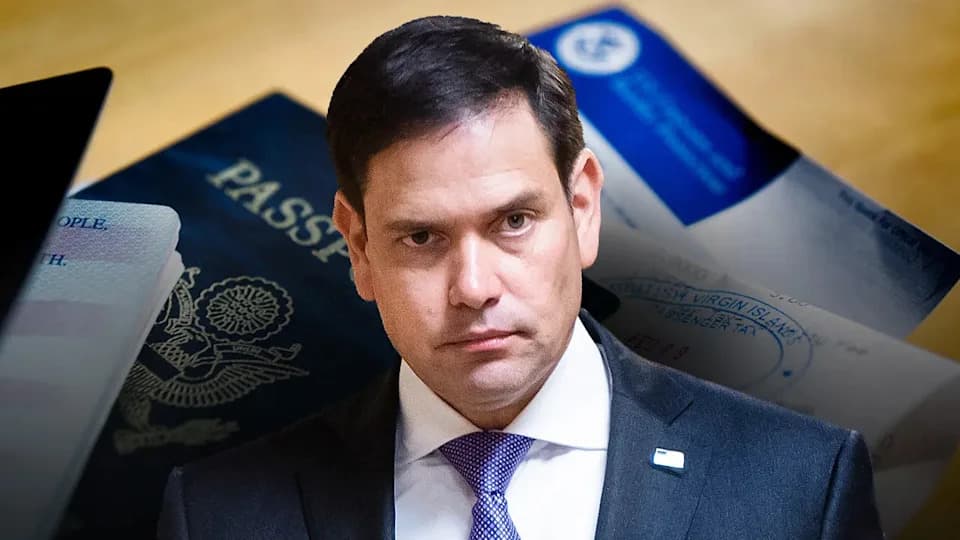
Secretary of State Marco Rubio announced a new visa restriction policy targeting foreign nationals responsible for or complicit in cybercrime and cyber-enabled crime.
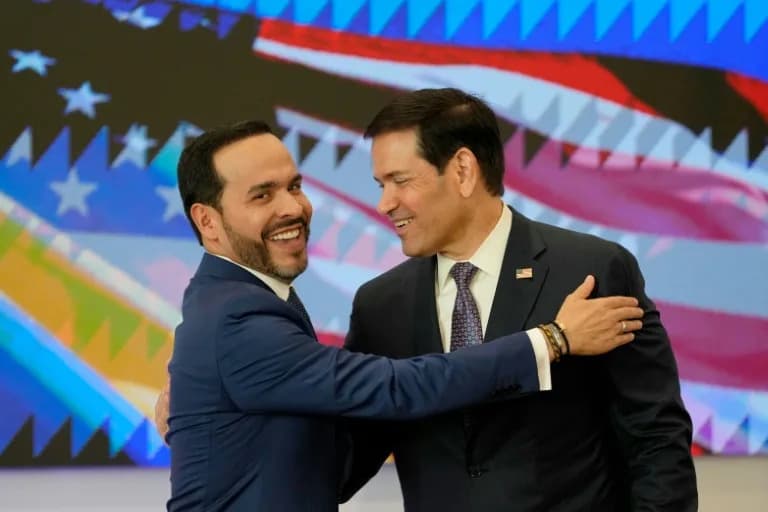
Secretary of State Marco Rubio on Thursday announced a new U.S. visa restriction policy aimed at foreign nationals who are responsible for, or complicit in, cybercrime and cyber-enabled offenses. The policy is intended to target individuals and networks behind online investment scams, sextortion schemes, and related transnational criminal activity.
Scope and Targets: The restrictions may also apply to certain immediate family members of those identified under the policy, the State Department said. The move builds on a broader White House effort to disrupt foreign scam hubs and criminal networks that defraud U.S. citizens.
“This policy targets individuals responsible for, or complicit in, cybercrime and cyber-enabled crime, such as those involved in cyberscams, and sextortion,” Rubio said in a statement.
The announcement follows President Donald Trump’s executive order earlier this year, titled Combatting Cybercrime, Fraud, and Predatory Schemes Against American Citizens, which directs federal agencies to develop measures against foreign scam centers, transnational criminal organizations and cyber-enabled financial fraud.
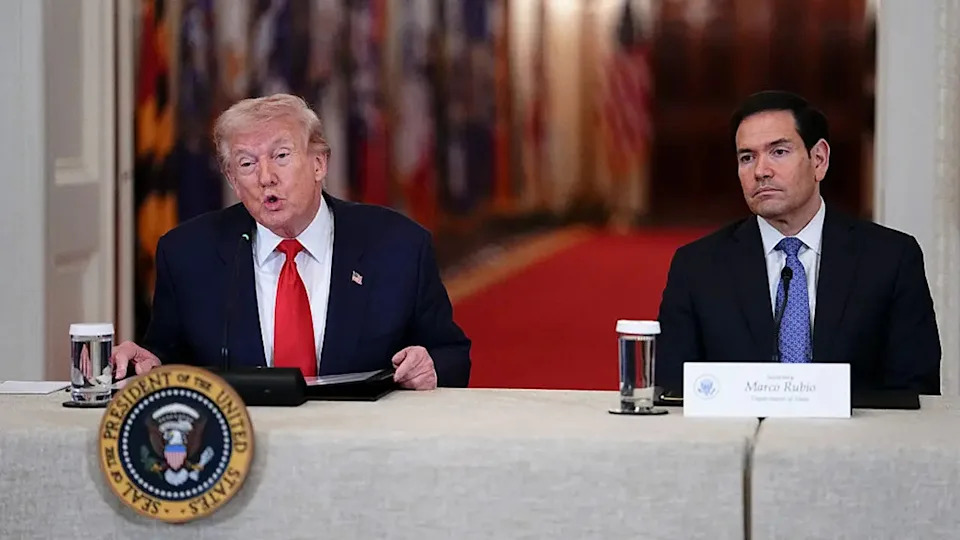
President Donald Trump signed an executive order earlier this year that aims to go after foreign scam centers, transnational criminal organizations and cyber-enabled financial fraud.
Why the Policy Was Announced
Rubio described the problem as an "unprecedented threat from online investment scams," saying scammers have defrauded U.S. citizens of at least $10 billion in 2024. He also highlighted that some schemes are often orchestrated by transnational criminal organizations and warned that these operations enable corruption, money laundering and human trafficking.
Rubio specifically noted the danger posed by sextortion rings that operate overseas and target American children, describing the profound emotional and financial harm inflicted on families.
Tools to Counter Criminal Networks
To dismantle these networks and hold enablers to account, the administration plans to use a suite of measures: sanctions, criminal prosecutions, asset seizures, extradition requests and expanded international law enforcement cooperation. Visa restrictions are intended to add diplomatic and travel consequences for those who facilitate or participate in these crimes.
What This Means: The policy signals an escalation in pressure on foreign actors who run or support large-scale cyber-enabled fraud and exploitation. It aims to make it harder for offenders and their enablers to travel, access services or operate internationally.
Help us improve.