Nearly 150,000 mail-in ballots were rejected in California's June primary — 148,241 ballots, or 1.73% of mail votes — the most in recent statewide primaries. The leading cause was late postmarks (over 93,000 rejected), followed by signature mismatches (nearly 44,000) and unsigned return envelopes (8,300+). The spike has prompted calls for scrutiny of USPS postmarking, voter education and county procedures, and has drawn federal attention and political debate.
Nearly 150,000 California Mail Ballots Rejected In June Primary — Late Postmarks Blamed
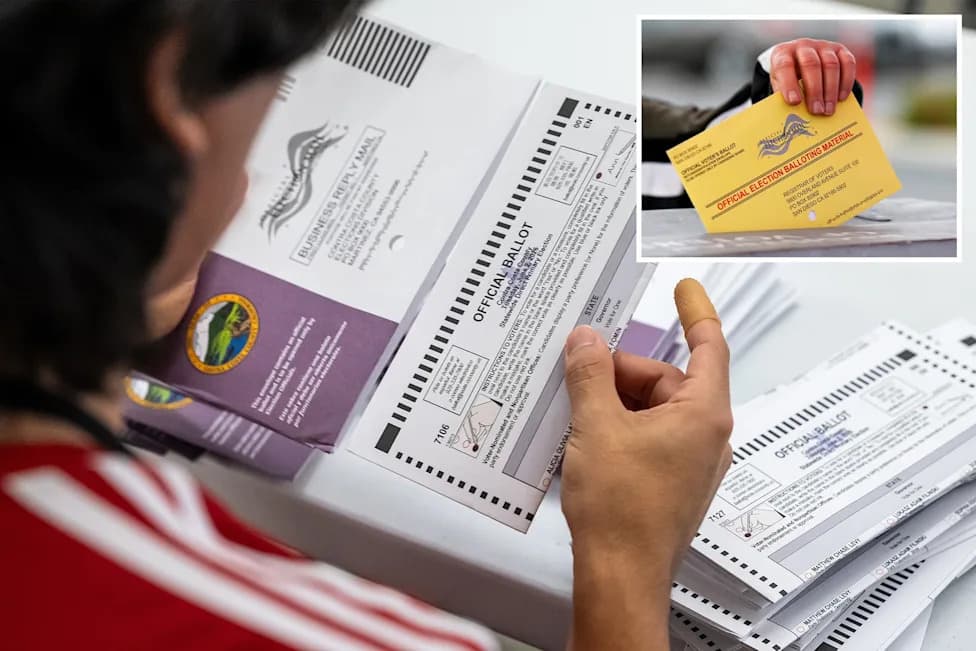
California's effort to expand voting access encountered a major setback in the June primary when 148,241 mail-in ballots were rejected — the largest total in recent statewide primaries. The rejections represented 1.73% of all mail ballots cast and spurred fresh scrutiny of postal processing, county procedures and voter education.
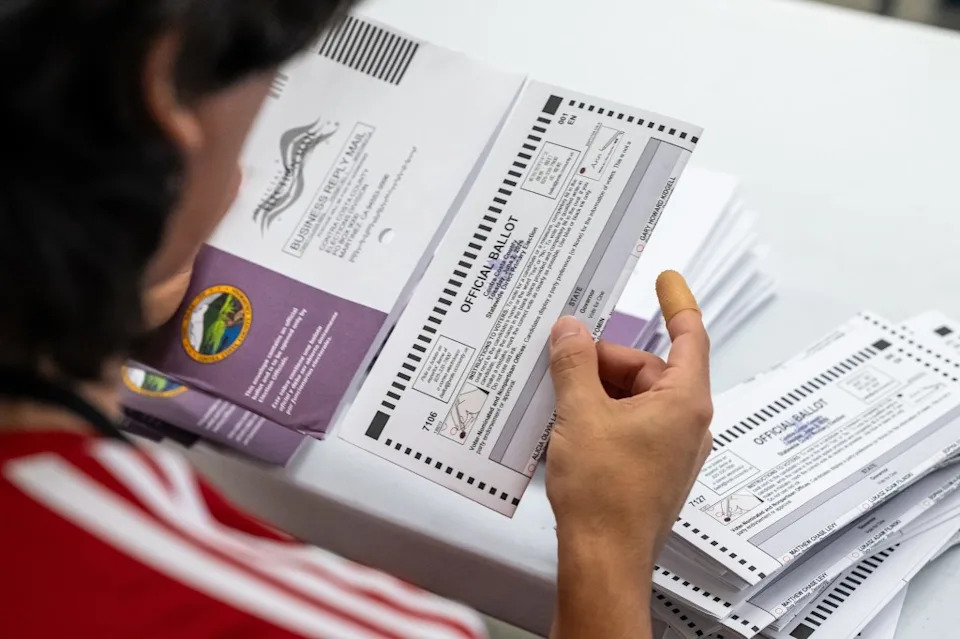
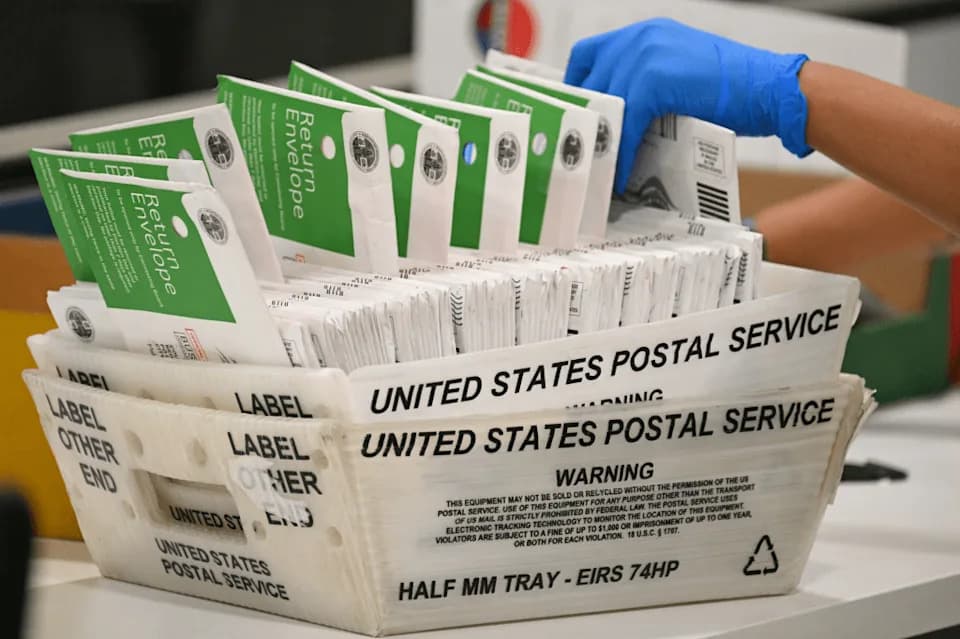
California's promise of easier voting is showing its faults after nearly 150,000 mail-in ballots were rejected in June — the highest number in recent statewide primaries. Bloomberg via Getty Images
Timing, Not Processing, Appears To Be The Main Issue
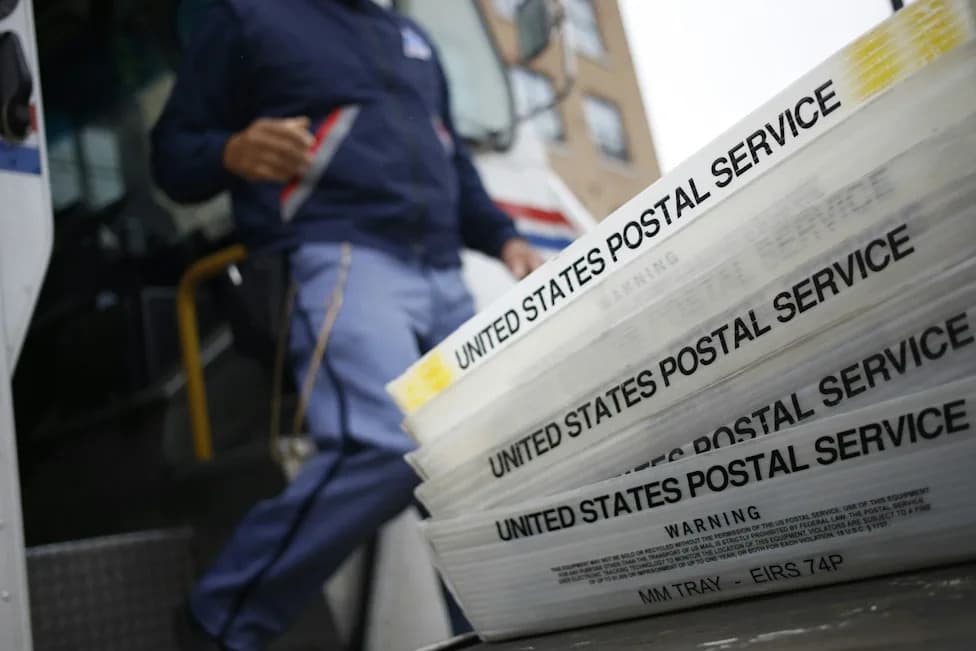
The single largest cause of rejected ballots was lateness: more than 93,000 ballots were rejected because they were postmarked too late to count. Voting experts say the issue often stems from when the U.S. Postal Service applies postmarks — a process that has shifted as the agency consolidates operations and routes mail through larger processing centers.
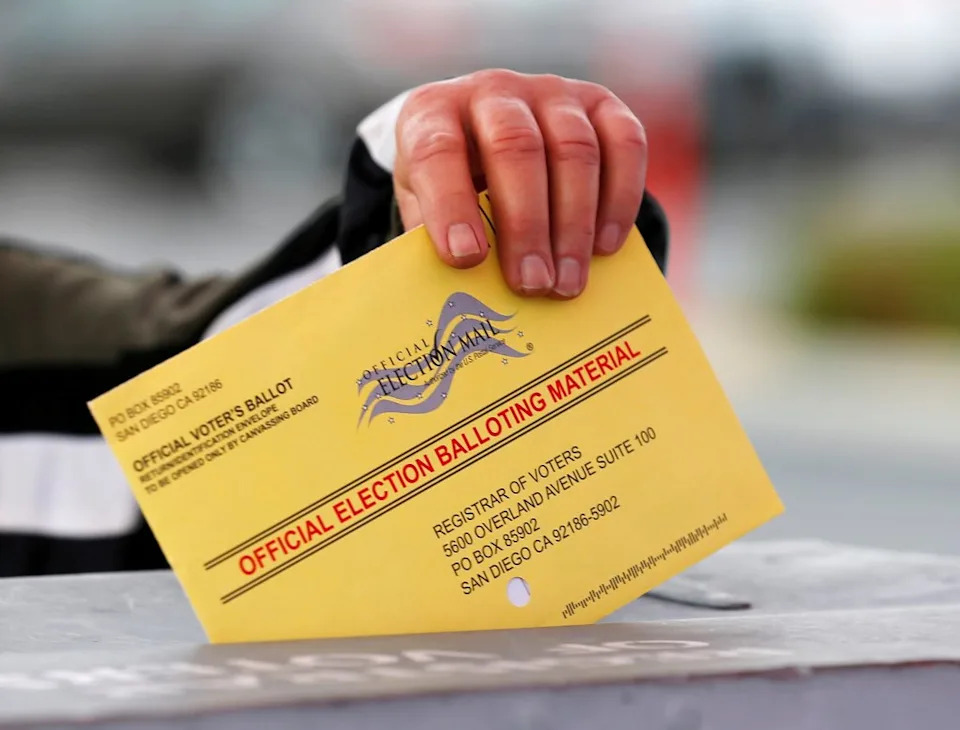
The Golden State has spent years expanding access to the ballot box, sending every registered voter a mail-in ballot and allowing ballots to arrive up to seven days after Election Day — as long as the envelope is postmarked on time. REUTERS
"Ballots rejected due to lateness are caused primarily by being postmarked too late to count, not because they arrived too late to count," wrote Kim Alexander, president of the nonpartisan California Voter Foundation.
California sent a mail ballot to every registered voter and allows ballots to arrive up to seven days after Election Day if the return envelope is postmarked on time. Even with that window, the postmarking issue accounted for the bulk of rejections — a sharp rise from roughly 70,000 late rejections in 2022 and about 76,000 in 2024.

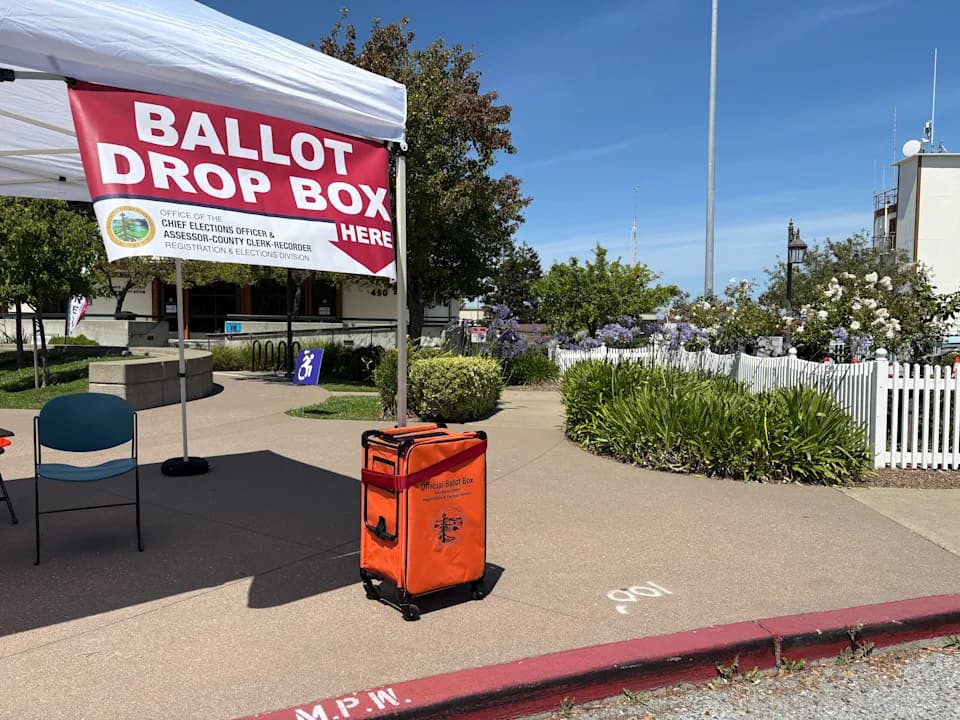
Alexander said the spike deserves scrutiny, especially after many voters waited until the final days to decide in a chaotic and wide-open governor's race. Jonathan Alcorn for CA Post
Other Common Reasons For Rejection
- Signature Mismatches: Nearly 44,000 ballots were rejected because the voter signature did not match records on file.
- Unsigned Envelopes: More than 8,300 ballots were rejected because the return envelope lacked a signature.
- Duplicate Or Incomplete Returns: Some ballots were rejected because the voter had already cast another ballot, ballots were missing from envelopes, or multiple ballots were returned together.
Rejection rates varied by county. Tulare County recorded the highest rate at 3.52%, followed by Alpine and Merced counties at 3.36% each. The available data did not break down rejected ballots by party affiliation.
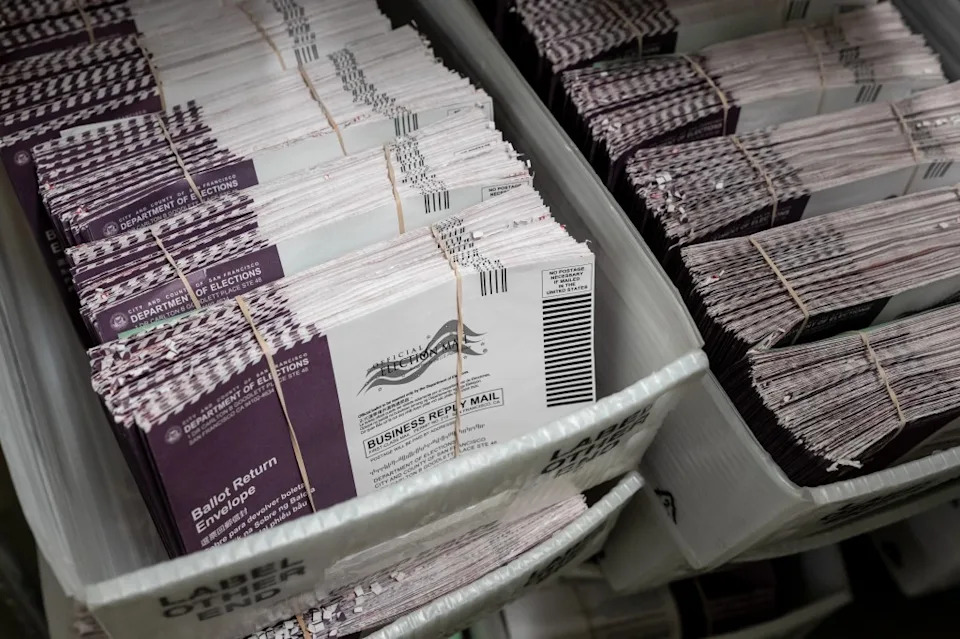
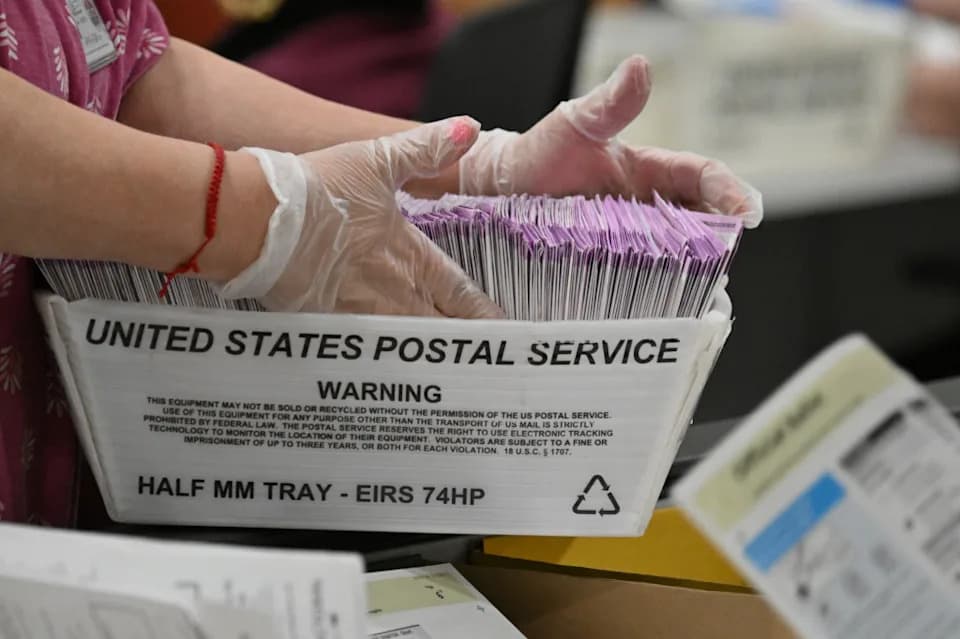
Nearly 44,000 ballots were rejected because voter signatures did not match records on file, while more than 8,300 were tossed because voters failed to sign the return envelope. Bloomberg via Getty Images
Political Fallout And Oversight
The spike in rejected ballots has intensified political pressure and federal scrutiny. In the weeks after the primary, President Donald Trump renewed criticism of California's election system, and the Justice Department opened an investigation into Los Angeles County elections. Los Angeles' top federal prosecutor publicly challenged Governor Gavin Newsom to provide proof that California is not experiencing voter fraud; Newsom called claims of widespread fraud "false and misleading."
There is no evidence of widespread fraud in mail voting. Still, experts and officials say the data — especially the steep rise in rejections attributed to late postmarks — should prompt closer examination of USPS postmarking practices, improved voter education about mailing deadlines, and county-level procedures to maximize the chance that ballots postmarked on time are counted.
What Experts Recommend: Audit postmarking and processing workflows, expand voter outreach about deadlines and signatures, and consider administrative changes at the county level to reduce preventable rejections in future elections.
Help us improve.