Helicopters took a central role in RIMPAC 2026’s sinking exercises, with U.S. Army AH-64 Apaches, Royal New Zealand SH-2G(I) Seasprites, Royal Australian MH-60R Seahawks and Italian SH-101s firing Spike NLOS, Penguin, Hellfire and Marte missiles at decommissioned U.S. ships. The strikes highlighted Spike NLOS’s ~20-mile stand-off and operator-in-the-loop datalink, Penguin’s hull-penetrating effects, and Hellfire’s continued utility against smaller surface targets. These demonstrations underscore the growing integration of rotorcraft into distributed maritime strike and Multi-Domain Operations across the Indo-Pacific.
Helicopters Steal the Spotlight at RIMPAC 2026 SINKEX — Apaches Launch Spike NLOS as Allies Fire Penguin, Hellfire and Marte
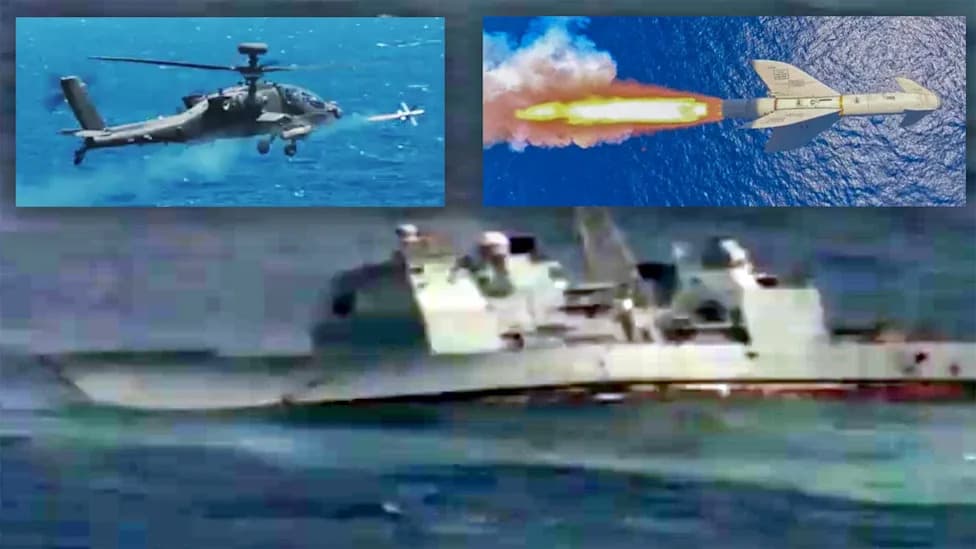
Helicopter take centerstage in Navy sinkex in the pacific.
Helicopters played a prominent and expanding role in the Rim of the Pacific (RIMPAC) 2026 sinking exercises (SINKEX), with allied rotorcraft firing a range of precision anti-ship weapons at decommissioned U.S. Navy vessels. The live-fire events underscored how attack and naval helicopters are increasingly integrated into distributed maritime strike concepts alongside fighters, surface ships, submarines and land-based missile batteries.
Helicopter Strikes and Targets
During RIMPAC 2026, multiple helicopter types engaged retired U.S. warships:
- U.S. Army AH-64 Apaches (16th Combat Aviation Brigade, 7th Infantry Division, Multi-Domain Command–Pacific) fired Spike NLOS missiles against the decommissioned Ticonderoga-class cruiser ex-USS Mobile Bay during a July 11 engagement.
- Royal New Zealand Navy SH-2G(I) Seasprite launched an AGM-119 Penguin that reportedly penetrated the hull and detonated inside the ex-USS Peleliu, causing significant internal damage.
- Royal Australian Navy MH-60R Seahawk fired an AGM-114N Hellfire against a target ship while embarked on the Arleigh Burke–class destroyer USS Wayne E. Meyer.
- Italian Navy SH-101 launched a Marte anti-ship missile from the multirole combat ship Giovanni delle Bande Nere during the exercise.
Weapons, Ranges and Capabilities
The demonstrations highlighted different weapon niches: Spike NLOS (Rafael) provides an operator-in-the-loop datalink and a reported maximum range of roughly 20 miles, giving Apaches notable stand-off compared with commonly fielded Hellfire and JAGM variants on U.S. helicopters, which typically have shorter effective ranges in current configurations. The Spike NLOS capability to receive mid-course updates and refine aimpoints makes it valuable against moving or time-sensitive maritime targets.
By contrast, the AGM-114 Hellfire remains a reliable and widely deployed weapon for smaller surface vessels and close engagements, while the AGM-119 Penguin and Marte are purpose-built anti-ship missiles optimized to penetrate hulls and produce internal damage.
Combined-Arms Context
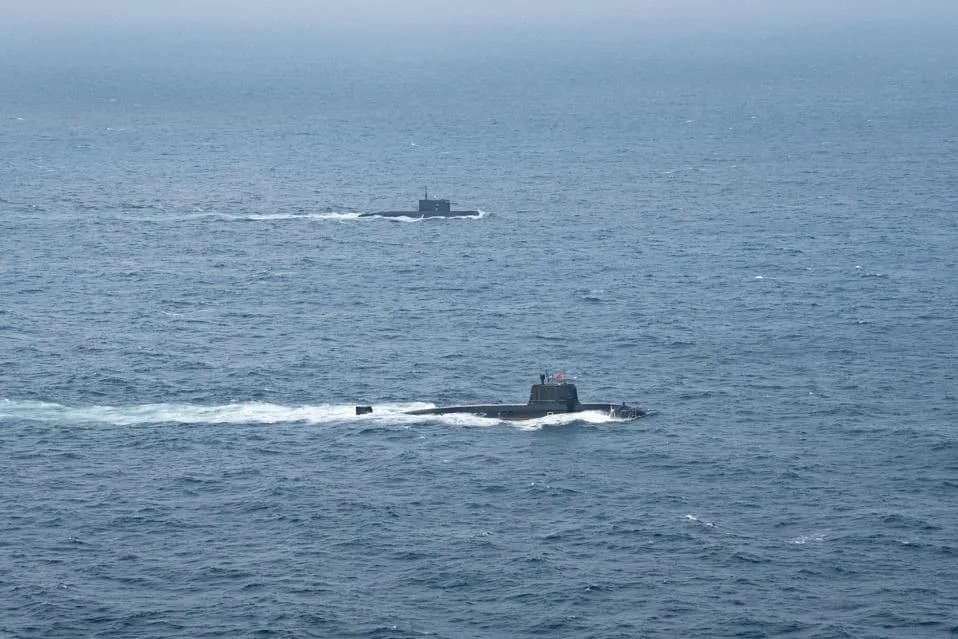
Helicopter strikes were part of a broader SINKEX strike package that included U.S. Navy F/A-18F Super Hornets equipped with AGM-158C LRASM, launches from U.S. Army M142 HIMARS, Japanese Ground Self-Defense Force Type 12 coastal defense batteries, P-8 Poseidon maritime patrol aircraft and submarine-launched attacks. Imagery shows multiple platforms contributed to sinking the retired ships, though full attribution for each hull remains subject to official confirmation.
Training Value and Strategic Implications
Using two very different full-sized hulls—the Ticonderoga-class cruiser ex-USS Mobile Bay and the Tarawa-class amphibious assault ship ex-USS Peleliu—gave participants the chance to evaluate weapons and tactics across a range of target types. Live-fire SINKEX events provide invaluable real-world data for weapon performance, targeting procedures and battle-damage assessment that are difficult to replicate synthetically.
These helicopter-launched strikes align with the U.S. Army’s Multi-Domain Operations concept and broader coalition efforts to field distributed maritime strike capabilities across the Indo-Pacific. As helicopters gain longer-range weapons and improved datalinks, they are becoming increasingly integral members of the maritime strike network.
RIMPAC 2026 ran from June 24 through July 31 around the Hawaiian Islands and brought together 30 nations, more than 30 surface ships, five submarines, 15 national land forces, over 206 aircraft and roughly 30,000 personnel to exercise interoperability and maritime security operations.
Contact the author: [email protected]
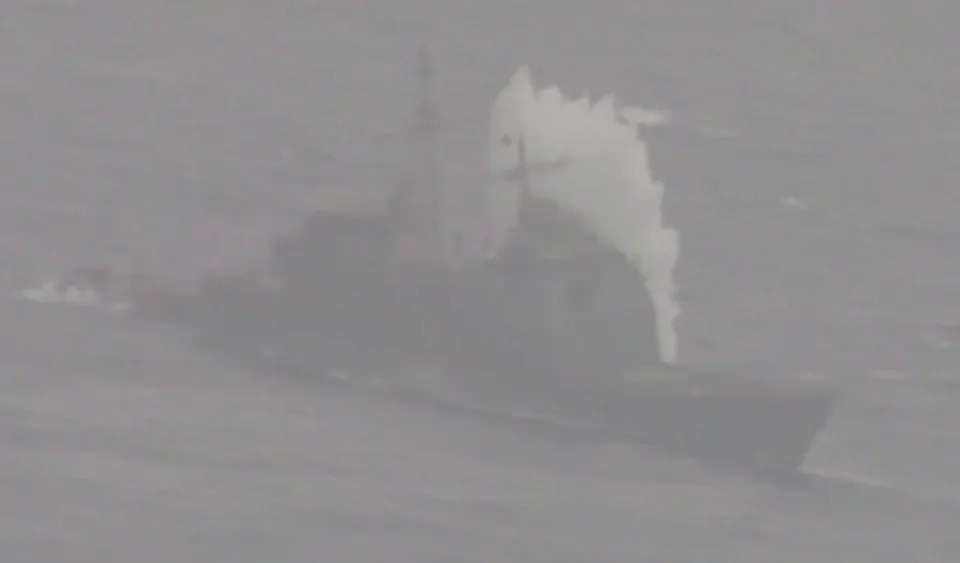
A major impact on the side of the ex-USSMobile Bayduring a sinking exercise (SINKEX) at RIMPAC 2026.U.S. Navy screencap
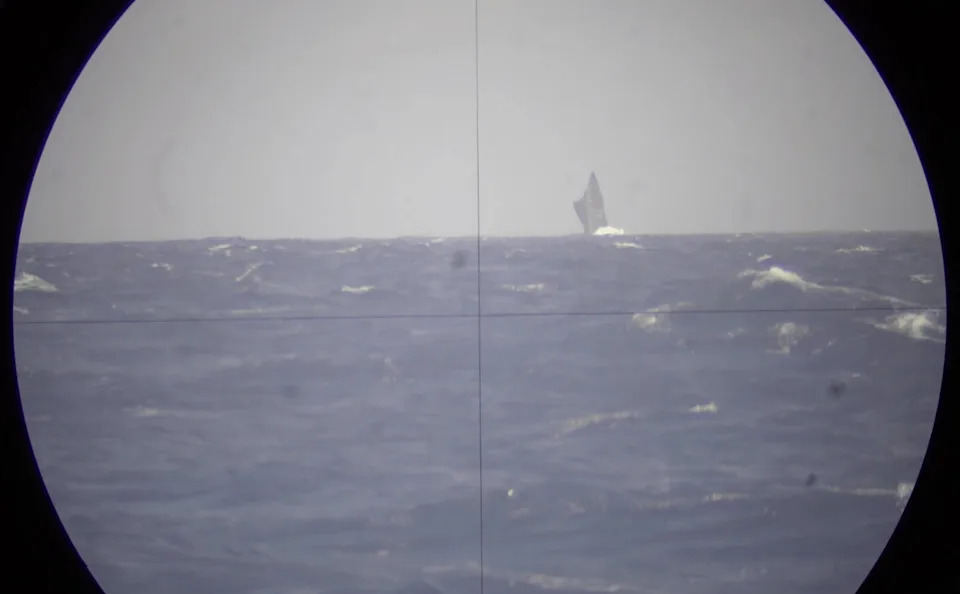
The ex-USSMobile Baysinks below the waves, as seen from an attack submarine's periscope.U.S. Navy screencap
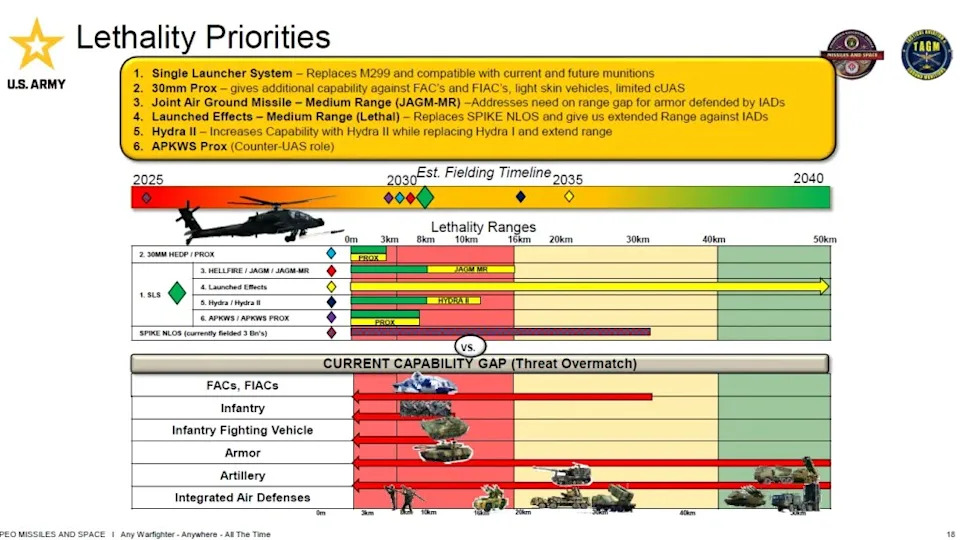
A U.S. Army graphic gives an idea of how much more reach the Spike NLOS gives Apaches compared to other weapons options, including the extended-range JAGM.U.S. Army
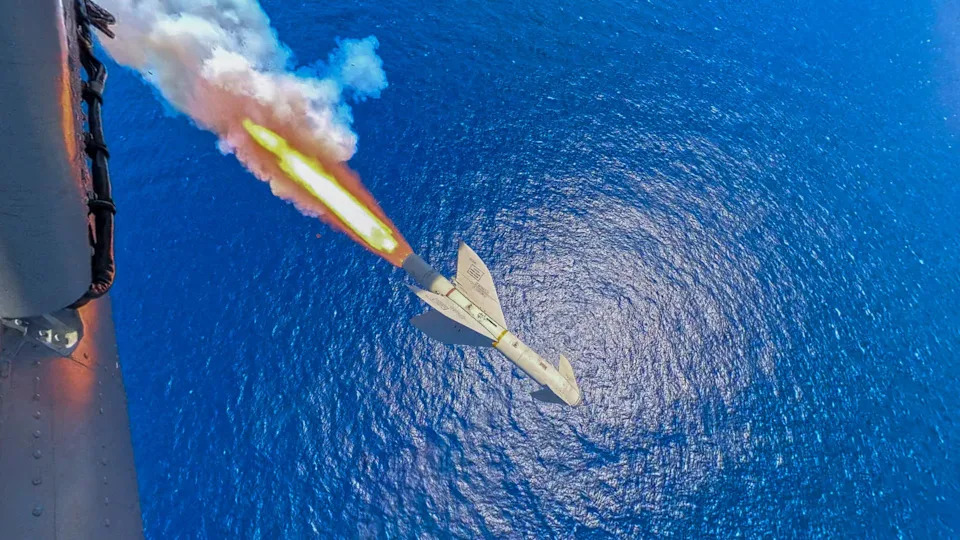
Launch of an AGM-119 Penguin anti-ship missile from a Royal New Zealand Navy SH-2G(I) Seasprite helicopter.New Zealand Defense Force
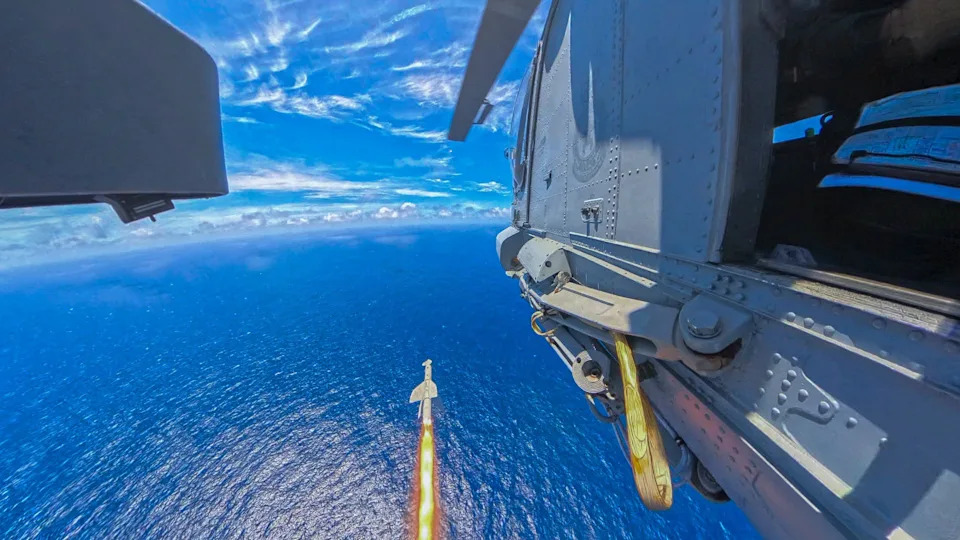
New Zealand Defense Force
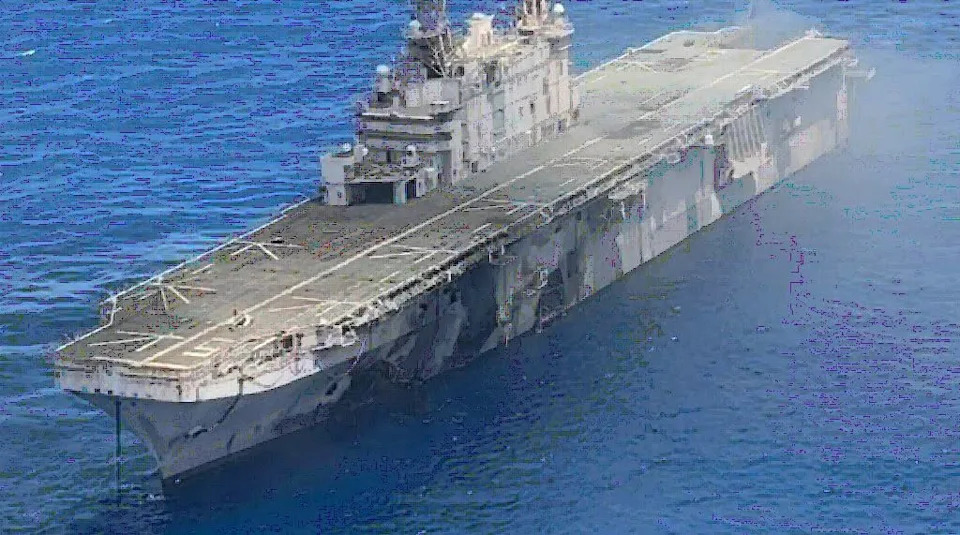
The ex-USSPeleliuafter being hit by an AGM-119 Penguin anti-ship missile and other weapons.New Zealand Defense ForceSargentina, Scott
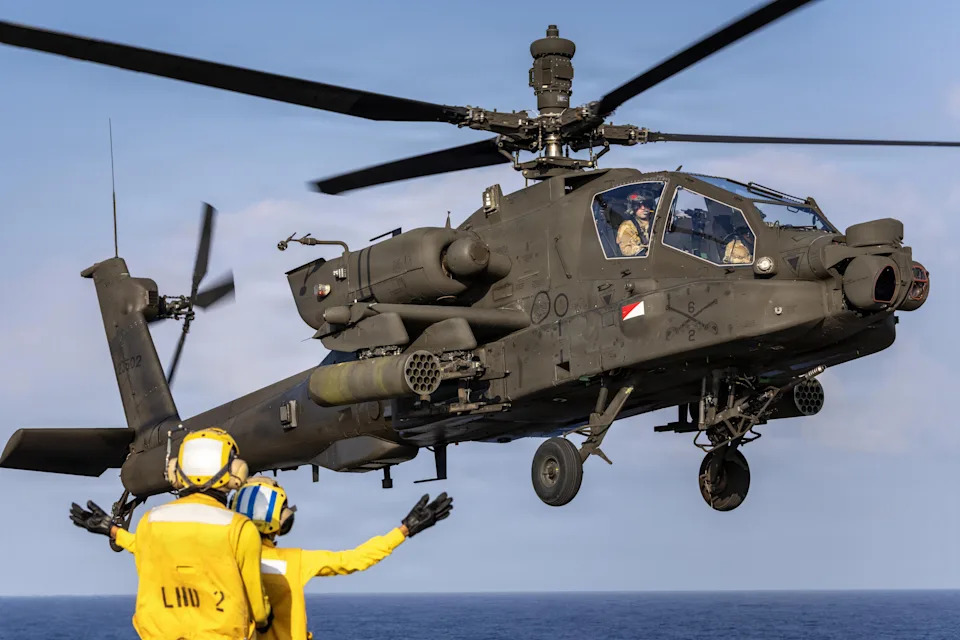
A U.S. Army AH-64 helicopter assigned to 25th Combat Aviation Brigade, 25th Infantry Division, prepares to land aboard theWaspclass amphibious assault ship USSEssexas part of RIMPAC 2026 in the Pacific Ocean, July 19, 2026.U.S. Army photo by Sgt. Olivia Cowart
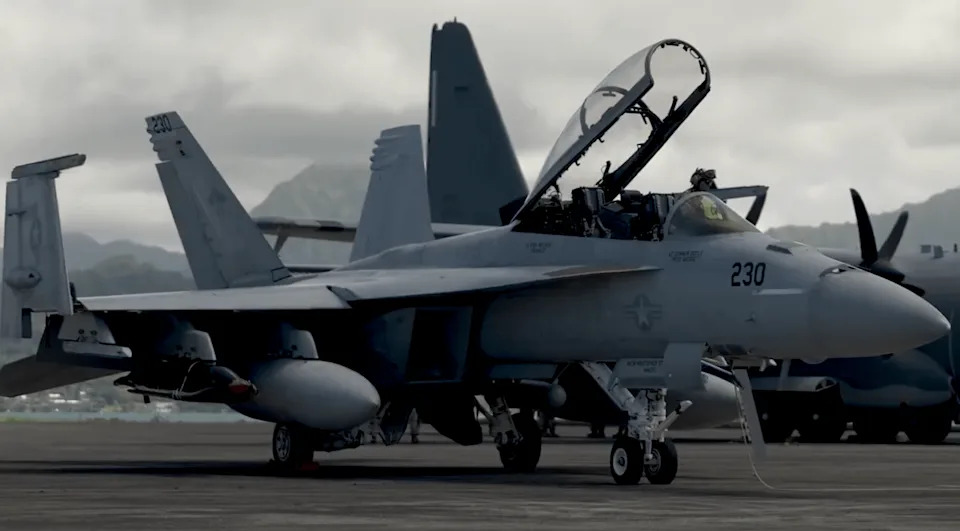
An AGM-158C Long Range Anti-Ship Missile (LRASM) under the wing of a U.S. Navy F/A-18F Super Hornet.U.S. Navy screencap
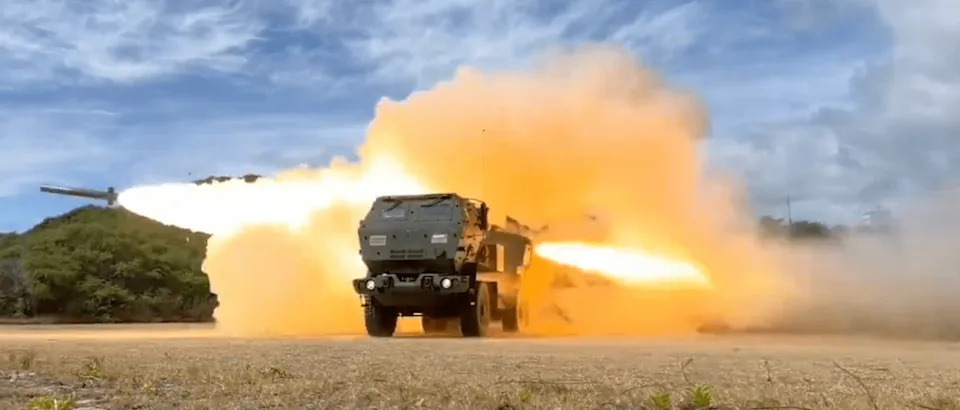
Launch of a rocket from a U.S. Army M142 High Mobility Artillery Rocket System (HIMARS).U.S. Navy screencap
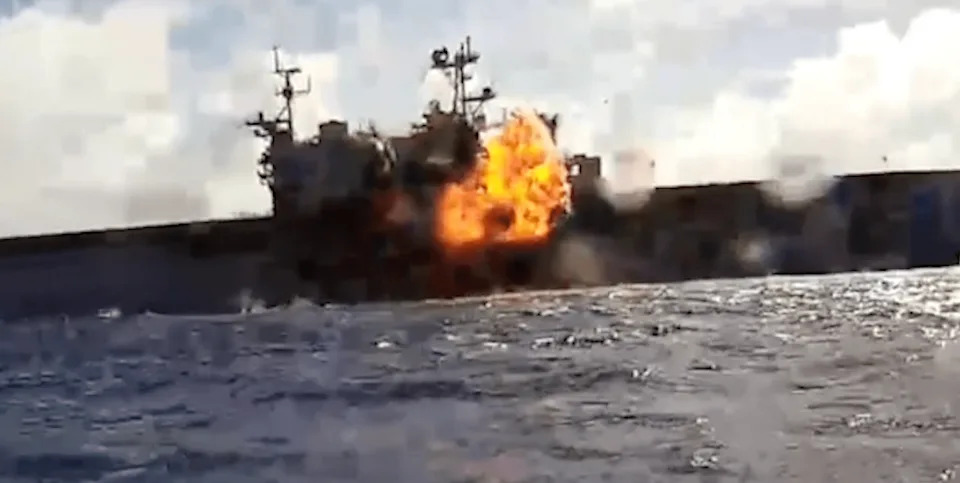
An impact on theTarawaclass ex-USSPeleliuamphibious assault ship.U.S. Navy screencap
Help us improve.