Twenty-five states and the District of Columbia have sued FEMA and DHS, alleging the agencies conditioned disaster and homeland security grants on adopting federal election and immigration policies. The complaint targets requirements such as federal voter-citizenship verification, hand-marked ballots, prescribed election audits and cooperation with immigration enforcement. Plaintiffs warn FEMA could withhold at least 20% of Homeland Security Grant awards (about $148 million) and argue the changes violate the Administrative Procedure Act and the Constitution's Spending Clause. They ask a Rhode Island federal court to block the conditions and void them nationwide as applied to the plaintiffs.
25 States and D.C. Sue FEMA and DHS, Alleging Grants Were Withheld to Push Election and Immigration Policies
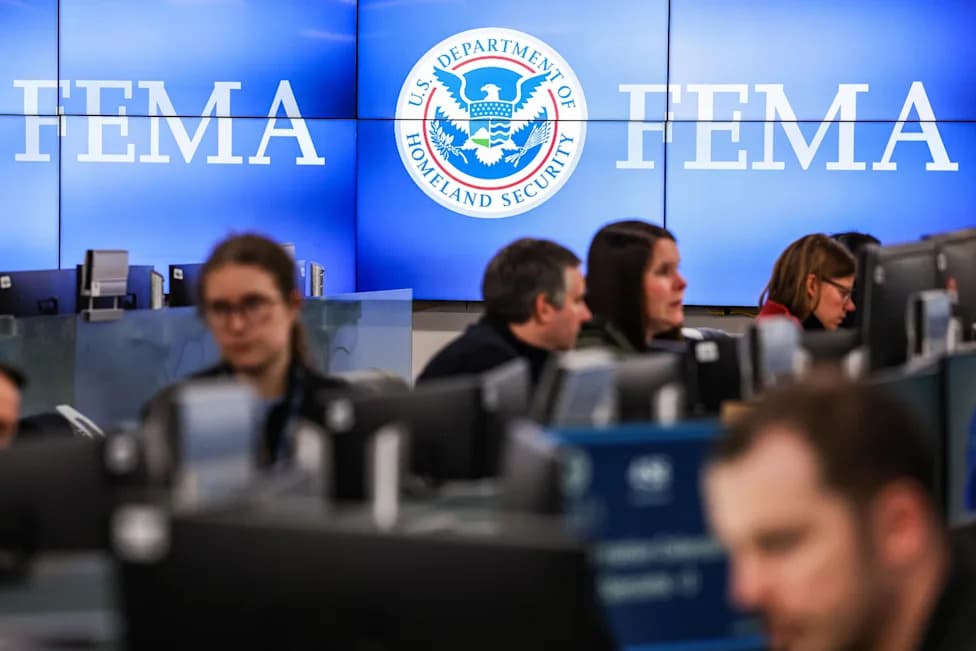
25 states sue FEMA and DHS, accuse Trump admin. of withholding funding
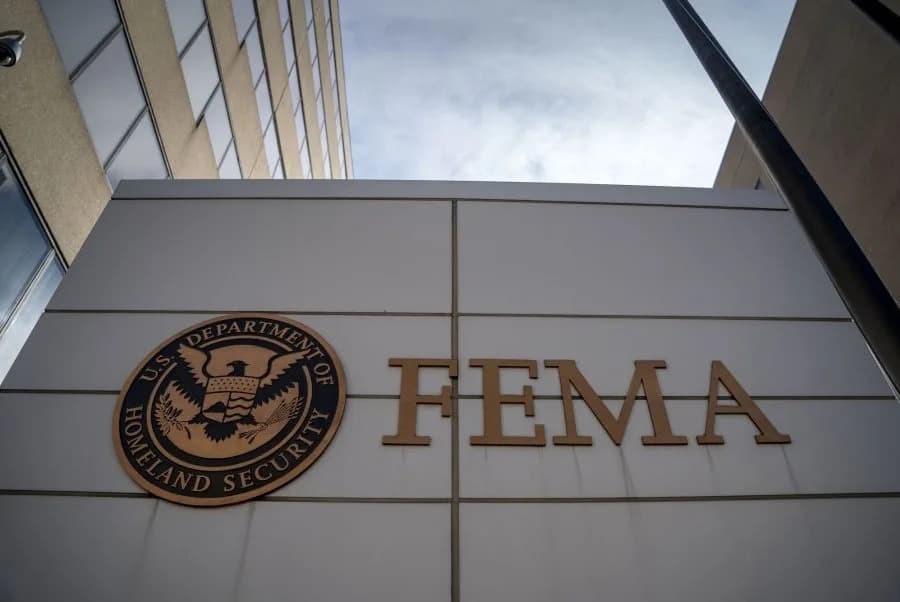
A coalition of 25 states and the District of Columbia has filed a federal lawsuit against the Federal Emergency Management Agency (FEMA) and the Department of Homeland Security (DHS), alleging the agencies conditioned hundreds of millions of dollars in disaster-preparedness and homeland security grants on the adoption of federal election and immigration policies.
What the Complaint Says
The complaint challenges newly attached conditions that would require states to verify voter citizenship through a federal database, move toward hand-marked paper ballots, conduct federally prescribed election audits and cooperate with federal immigration enforcement as prerequisites for receiving full grant awards.
Plaintiffs say FEMA could withhold at least 20% of Homeland Security Grant Program awards — roughly $148 million from the plaintiff jurisdictions — and could ultimately terminate entire awards for continued noncompliance. The funds at issue normally reimburse state and local governments for emergency-management activities, including first responder operations, bomb squad support, cybersecurity, disaster response and security at houses of worship.
Legal and Practical Objections
The states argue DHS is using vital public-safety funding as leverage to impose policy changes largely unrelated to the grants’ core purposes. The lawsuit also contests language that would allow FEMA to cancel or reallocate grants when they no longer align with the administration's shifting priorities or its view of the "national interest," saying that authority would make multiyear federal awards unreliable and enable the executive branch to redirect spending approved by Congress.
Rhode Island Attorney General Peter F. Neronha (co-lead counsel) said the administration is "threatening to jeopardize public safety by unlawfully withholding billions in critical funding," adding that "Congress allocated these funds to the states for preparing for and responding to emergencies, and the executive branch has no legal say in the matter."
A FEMA spokesperson told CBS News the legal challenge was predictable from certain political leaders and defended the new requirements as "common-sense measures designed to protect election security and safeguard the integrity of American democracy," saying states "must take critical, common-sense steps to protect U.S. elections before receiving their full Homeland Security Grant Program awards."
Who Joined the Suit
Besides Rhode Island, the lawsuit was joined by attorneys general from Arizona, California, Colorado, Connecticut, Delaware, Hawaii, Illinois, Maine, Maryland, Massachusetts, Michigan, Minnesota, Nevada, New Jersey, New Mexico, New York, North Carolina, Oregon, Vermont, Virginia, Washington, Wisconsin and the District of Columbia. The governors of Kentucky and Pennsylvania also joined the filing.
The plaintiffs ask a federal judge in Rhode Island to preliminarily enjoin the contested grant conditions, void those conditions nationwide as applied to the plaintiffs, and order the agencies to issue funding documents without the challenged requirements. The suit contends the conditions violate the Administrative Procedure Act and the Constitution's Spending Clause.
Help us improve.