The conviction of 19 people in an Indonesian baby-trafficking case raises urgent questions about the fate of at least 12 infants sent to Singapore. Adoptive parents in Singapore face months of uncertainty while authorities in both countries weigh legal and welfare concerns. Lawyers warn reversing adoption orders in Singapore would be legally complex; courts would likely consider psychological harm, time spent with adoptive families and fraudulent documents. Child-protection officials stress decisions must prioritise each child's best interests, including whether biological parents can be identified.
Indonesia Convicts Baby-Trafficking Ring — What Now for Infants Adopted in Singapore?
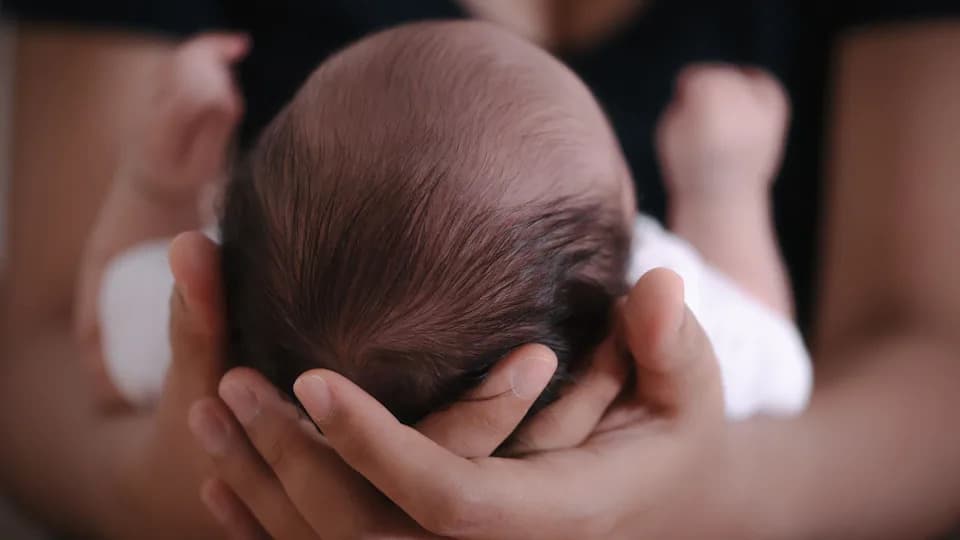
At least 12 babies are believed to be in Singapore already (file picture) [Getty Images]
An Indonesian court on Tuesday convicted 19 people in a high-profile baby-trafficking case that prosecutors say procured at least 34 infants for sale, with a majority intended for adoption abroad. Authorities believe at least 12 of those infants were sent to Singapore. The criminal trial has concluded, but it has left urgent and unresolved questions about the legal and welfare status of the children now living with adoptive families in Singapore.
Adoptive Families Left in Limbo
Adoptive parents in Singapore say they have spent months in anxiety and uncertainty about whether they will be allowed to keep the children they have welcomed into their homes. Speaking to the BBC under a pseudonym, one father, "David," asked both governments to act quickly: "Since the case is concluded, how can we move on and what will happen to our son? It's been almost a year of fear and anxiety from waiting." He and his wife say they underwent multiple checks during the adoption process and believed they had verified the child's background.
Official Responses And Next Steps
Indonesian authorities have said several matters still need examination, including the children's legal status, the identities of their biological parents and related proceedings in Singapore. Indonesia's foreign affairs ministry reiterated its commitment to "prioritising the best interests of the children." Singaporean authorities have not issued a substantive public response to the latest inquiries.
Challenges To Reversing Adoptions
Lawyers and child-rights experts say reversing adoption orders in Singapore would be legally complex and largely uncharted. Singapore's adoption framework includes "substantial safeguards upfront," and adoption orders are generally treated as final. A court asked to revoke an adoption would likely weigh multiple factors, including:
- The psychological harm to the child from removing them from their current caregivers, especially if the child has bonded with the adoptive family.
- The period the child has spent in Singapore and the strength of their attachment to the adoptive home.
- The living conditions and safety the child would face if returned to Indonesia, including whether a biological parent can be identified and is capable of care.
- Whether the factual basis of the adoption is undermined — in this case, by fraudulent birth certificates and identity documents.
Evidence Of Fraud And Gaps In Identification
During the trial, evidence showed the trafficking syndicate submitted false information when applying for infants' birth certificates and family cards, listing members of the ring as the children's mothers. Local officials issued identity documents based on those applications, prompting questions about the adequacy of checks at the time.
Indonesian investigators have not identified all biological parents. Some rescued infants are already in state or institutional care — at least eight are reported to be in an orphanage in Bandung — and, for some children, there may be no immediately identifiable family to receive them if they are returned.
Child Welfare Is Central
Child-protection experts emphasize that any decision must prioritise the best interests of each child. Some Indonesian advocates argue the children should be returned as trafficking victims when possible. Others — including some criminologists and social workers — note that if a child has only known life in Singapore since infancy, remaining with the adoptive family could be less disruptive than repatriation to an unknown environment.
"Protection should extend both to the children and to adoptive parents who may have been unaware of the trafficking," a University of Indonesia criminologist told reporters, urging Singapore to treat the children as victims and offer appropriate safeguards.
What Comes Next?
Possible next steps include legal action in Singapore to clarify the adoption orders, continued investigations in Indonesia to establish true identities and parentage, and diplomatic engagement between the two governments to find child-centred solutions. Any resolution will need to balance legal standards, the emotional and developmental needs of the children, and the rights of biological and adoptive families.
Additional reporting: Farida Susanty, BBC Indonesian.
Help us improve.